EN

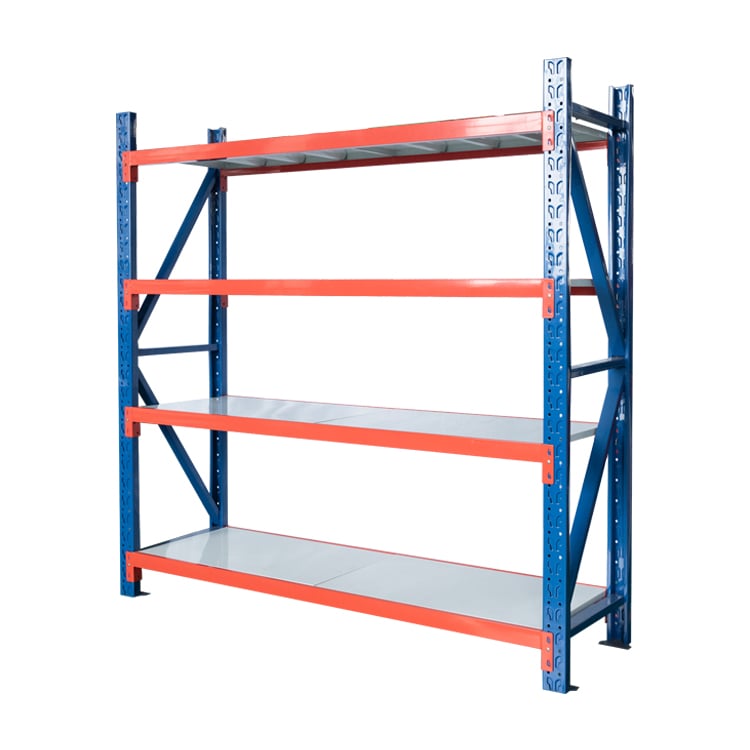
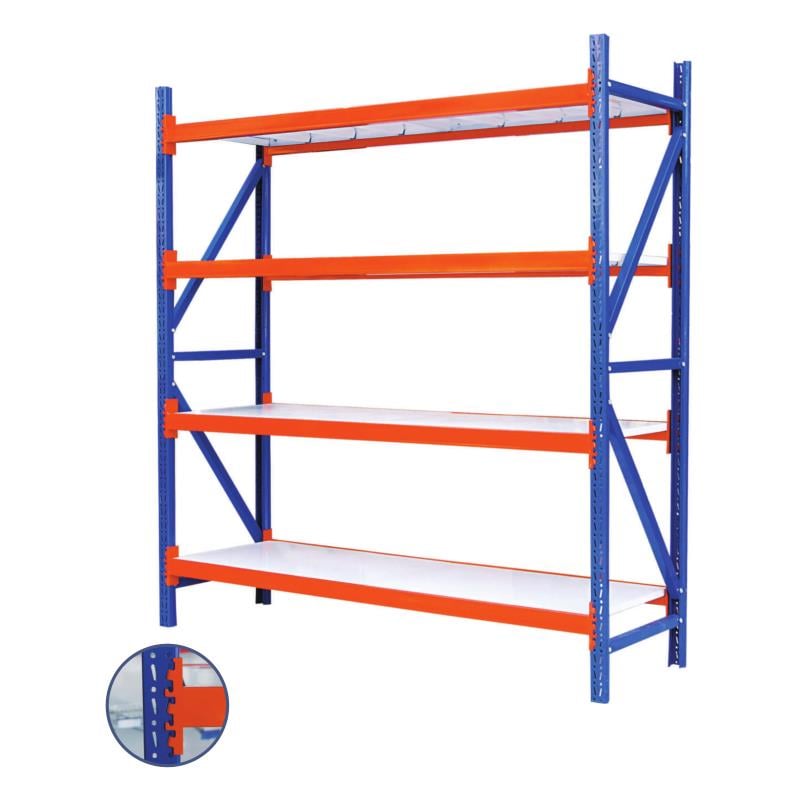
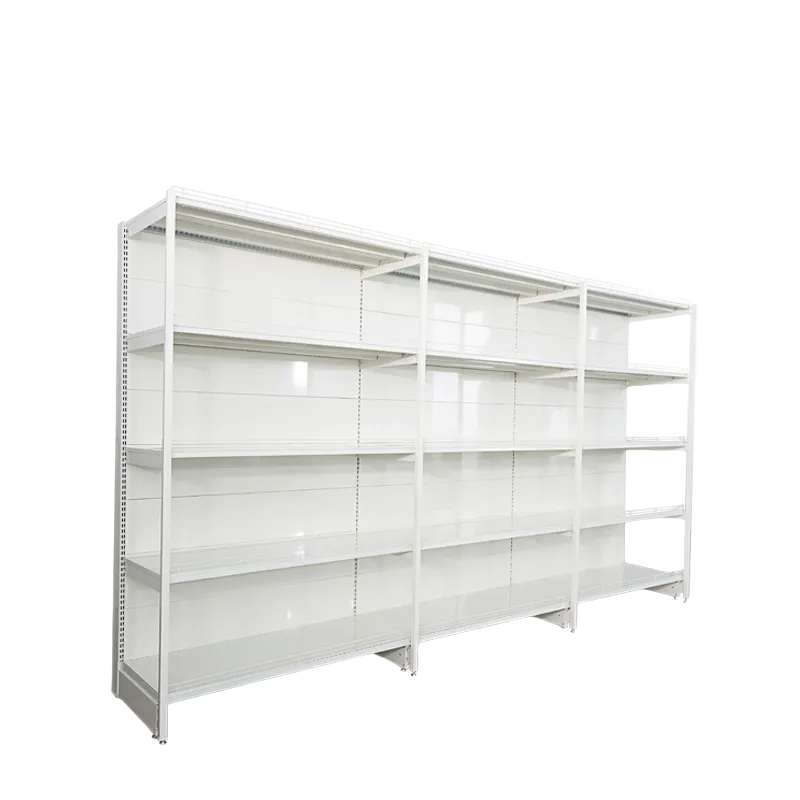
There's a key contradiction in the domestic shelving industry right now: overcapacity has been a complaint for years, but very few manufacturers have actually eased it. The demand for storage shelves from warehousing and logistics has always been good, and the profits are relatively decent; so under the same capacity pressures, many shelving companies are shifting their manpower and capital toward storage shelves, focusing everything from technological reserves to process details on this product line. As a result, supermarket shelves are being neglected, competition remains stuck in low-end price wars, and most companies are just thinking about how to cut costs even further. Everyone knows this kind of competition has no winners, but no one dares to stop first.
If a price war drags on for too long, the way things are done tends to go off track. To get ahead on quoting prices, some manufacturers start cutting corners on materials: using thinner materials where it should be thick, buying cheap raw materials instead of sourcing properly, or even using substandard materials to make up the numbers. That's why low-quality shelves are becoming more common in the market. In the short term, a few companies save money; in the long run, the whole industry's reputation takes a hit, and even those who genuinely make good products get dragged down.
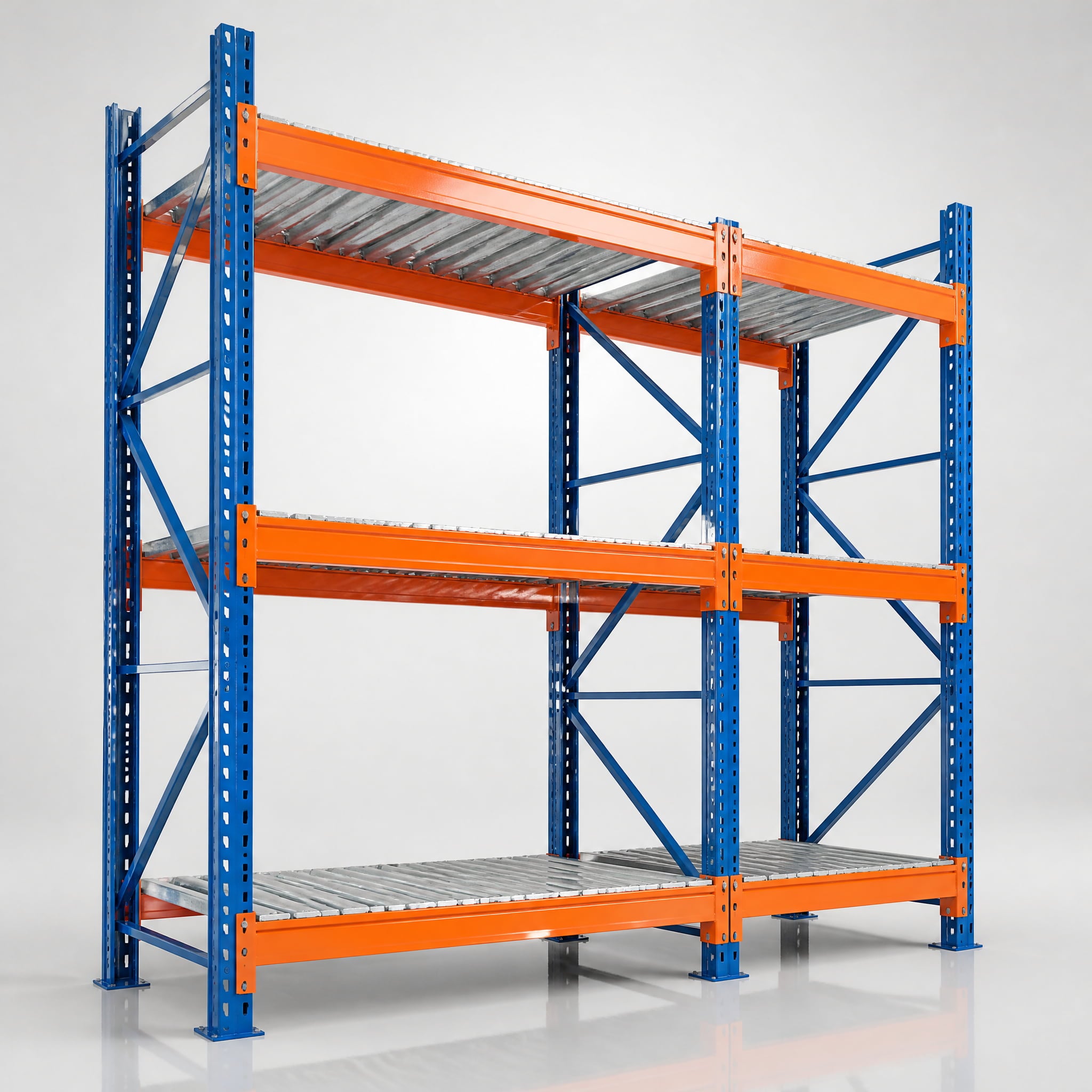
At the end of the day, the root cause of vicious price competition is product homogeneity. When products look and function almost the same, customers can’t tell the difference, and the only option left is to compete on price. For manufacturers, that just means cutting costs as much as possible.
To break out of this cycle, we probably need to change our business mindset. Instead of constantly undercutting each other with the same products, it’s better to design products with unique features tailored to different business scenarios: convenience stores need compact and flexible solutions, fresh food supermarkets care about load capacity and preservation, and big-box stores focus on display efficiency and restocking flow. Once you really understand these real needs and incorporate technical elements into your products, the differences will naturally emerge. Customers are willing to pay to solve a problem, not just for a few tons of steel. With a richer product lineup, companies have more paths to explore, without all crowding the low-end market and wearing each other down. That way, the industry has a chance to shift from comparing prices back to comparing products.
 Hot News
2026-09-24
2026-09-18
2026-09-11
2026-09-04
2026-08-28
2026-08-24
Discover Suzhou Yuanda's comprehensive range of retail and logistics equipment, offering 100+ models designed for durability and efficiency across 10+ countries.
No.1 Zhangcun Road, Shanghu Town, Suzhou, Jiangsu, China
Copyright © 2026 Suzhou Yuanda Commercial Products Co., Ltd.All rights reserved. Privacy Policy