 EN
EN

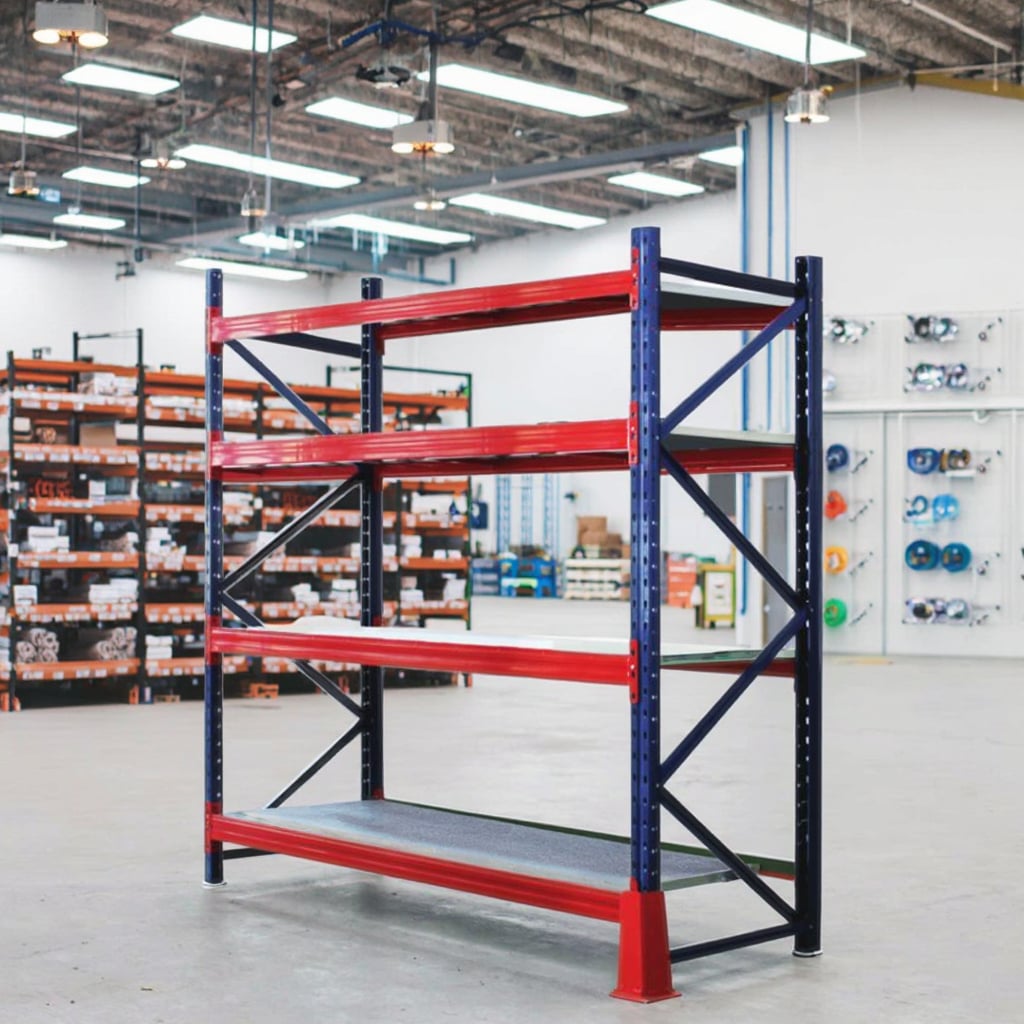
Selecting the right storage shelf is a critical decision that directly affects how efficiently you organize and utilize your space. Whether you are outfitting a garage, warehouse, retail environment, or home organization system, understanding the key factors that influence your choice ensures you invest in a solution that meets your immediate needs and adapts to future requirements. The decision process extends beyond simply finding available space on a wall or floor; it requires careful consideration of load capacity, material quality, installation method, durability, and long-term value.
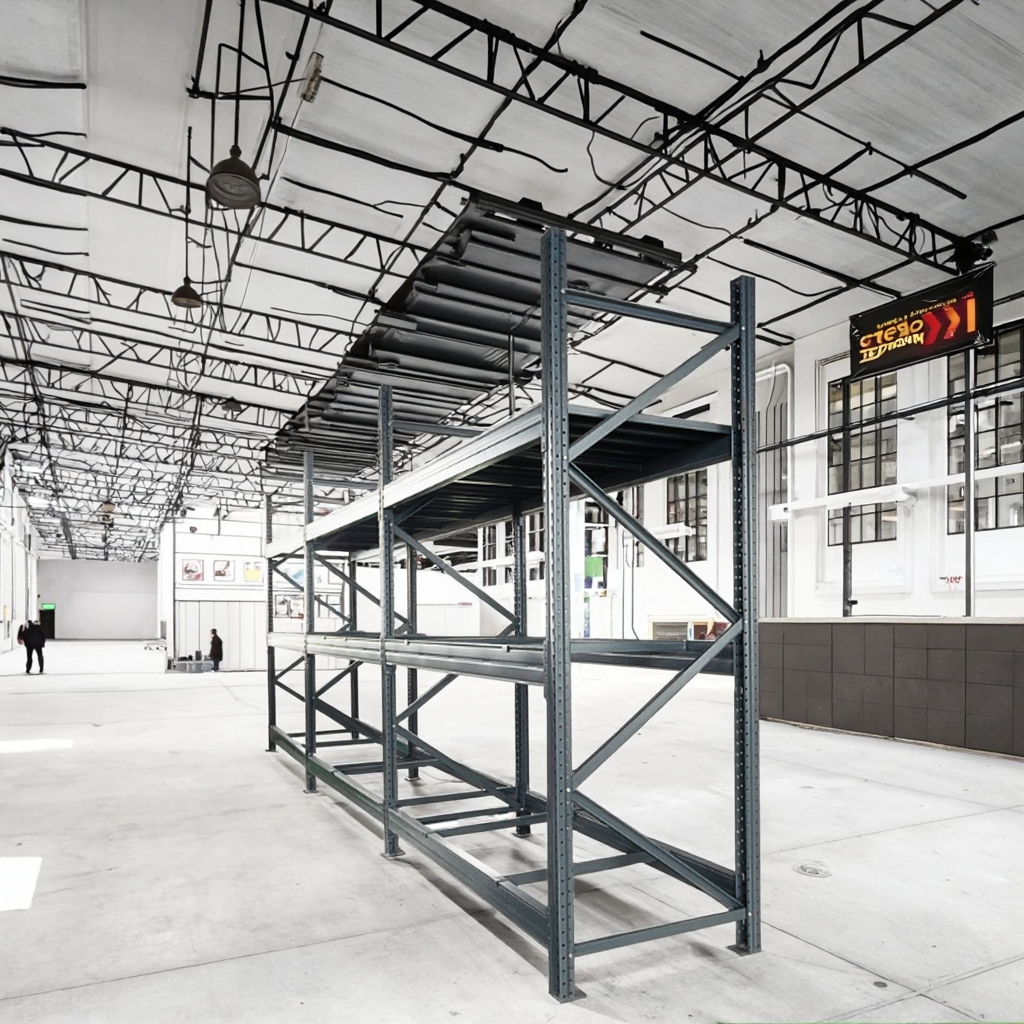
A well-chosen storage shelf system optimizes workflow, maximizes available vertical space, and protects your inventory or belongings from damage. This guide walks you through the essential factors that should guide your purchasing decision, helping you evaluate options with confidence and select a system that delivers genuine value for your specific application and budget.
Load Capacity and Weight Distribution
Understanding Your Maximum Load Requirements
Load capacity is arguably the most critical technical factor when evaluating a storage shelf system. Every shelf model is engineered to support a maximum weight per shelf level, and exceeding this specification creates serious safety hazards, including structural failure, injuries, and property damage. Before comparing storage shelf options, accurately calculate the total weight of items you plan to store, then verify that each shelf type can safely handle that load. Industrial racking systems and garage shelving units typically range from light-duty models supporting 100–200 pounds per shelf to heavy-duty systems rated for 500 pounds or more.
Distributed Weight Versus Concentrated Loading
Load distribution patterns significantly impact which storage shelf system you should choose. Wall mounted storage works best for evenly distributed lighter items, whereas industrial racking systems excel when you need concentrated weight on specific shelf areas. Understanding whether your items will be spread across the entire shelf or clustered in one section helps determine whether a light-duty or heavy-duty system is appropriate. Many warehouse and garage shelving units include reinforcement features like cross-bracing that improve stability under concentrated loads, making them suitable for both distributed and concentrated weight patterns.
Material Selection and Durability
Steel Versus Other Material Options
Material choice directly influences your storage shelf's longevity, maintenance requirements, and cost. Steel remains the dominant material for commercial-grade garage shelving units and industrial racking systems because it offers superior strength, load-bearing capacity, and durability compared to wood or plastic alternatives. Quality steel shelving resists warping, accommodates heavier loads, and withstands warehouse and retail environments. Coated or powder-coated steel provides corrosion resistance, which is essential in humid, temperature-variable, or chemically challenging spaces. When evaluating storage shelf options, prioritize models with protective finishes that guard against rust and deterioration over time.
Environmental Factors Affecting Shelf Lifespan
Your storage environment directly determines which materials and finishes will perform best. Outdoor or semi-outdoor storage applications require wall mounted storage and industrial racking system models with galvanized or stainless steel construction to resist moisture and oxidation. Indoor commercial spaces benefit from standard powder-coated steel, which balances cost-effectiveness with adequate protection. Evaluating humidity levels, temperature fluctuations, chemical exposure, and dust accumulation guides you toward the material choice that minimizes maintenance and extends your storage shelf investment beyond its initial installation period.
Space Configuration and Installation Method
Measuring and Planning Your Installation
Accurate space measurement is fundamental to selecting the right storage shelf system. Measure wall height, available floor area, ceiling clearance, and any obstructions like electrical outlets, pipes, or HVAC vents that might restrict placement options. Understanding whether you require wall mounted storage, freestanding garage shelving units, or heavy-duty industrial racking systems depends entirely on your available space and layout. Wall mounted storage maximizes vertical capacity and keeps floor space clear, making it ideal for smaller areas or retail environments. Freestanding garage shelving units offer flexibility and mobility, while industrial racking systems provide maximum capacity but require more floor footprint and permanent installation commitment.
Installation Complexity and Ongoing Access
Consider how much time and expertise installation will require, whether you can perform it yourself or need professional installation services, and how the final configuration affects your daily workflow. Some storage shelf systems bolt directly to wall studs, while others are freestanding and require only assembly and leveling. Wall mounted storage demands proper anchoring and wall assessment to ensure safe support, whereas industrial racking systems and garage shelving units may need specialized equipment or trained personnel for installation. After installation, evaluate whether your layout provides convenient access to frequently used items and whether shelves are positioned ergonomically to minimize strain during retrieval and placement operations.
Frequently Asked Questions
How do I determine the correct load capacity for my storage shelf?
Calculate the total weight of all items you plan to store on each shelf level, then add a safety margin of 20–30 percent above that calculated weight. Compare this figure against the manufacturer's rated load capacity for each shelf model. If your peak load approaches the maximum rated capacity, consider upgrading to a heavier-duty storage shelf system that provides additional safety margin. Always consult the product specifications and installation documentation, as different sections of a storage shelf system may have varying capacity ratings based on span and support configuration.
What are the main differences between wall mounted storage and freestanding garage shelving units?
Wall mounted storage secures directly to wall studs or structural elements, offering maximum vertical space utilization and an aesthetically integrated appearance, making it ideal for residential or retail settings. Freestanding garage shelving units sit independently on the floor, require no wall modification, and offer flexibility to relocate or reconfigure your layout. Wall mounted storage typically accommodates lighter to medium loads, while industrial racking systems and robust garage shelving units distribute weight directly to the floor. Choose wall mounted storage when permanence and space efficiency are priorities; choose freestanding systems when flexibility and ease of repositioning matter more.
How does an industrial racking system differ from standard garage shelving units?
Industrial racking systems are engineered for high-capacity, heavy-duty warehouse and commercial applications, featuring reinforced steel construction, precision load calculations, and standardized dimensions that simplify expansion and reconfiguration. Garage shelving units are typically lighter-duty, more affordable, easier to install in non-commercial environments, and designed for residential or small business storage needs. Industrial racking systems often require professional installation and structured planning, whereas garage shelving units accommodate DIY assembly and flexible arrangement. The choice between them depends on your load requirements, available space, budget, and whether your application is commercial warehouse distribution or home storage.