 EN

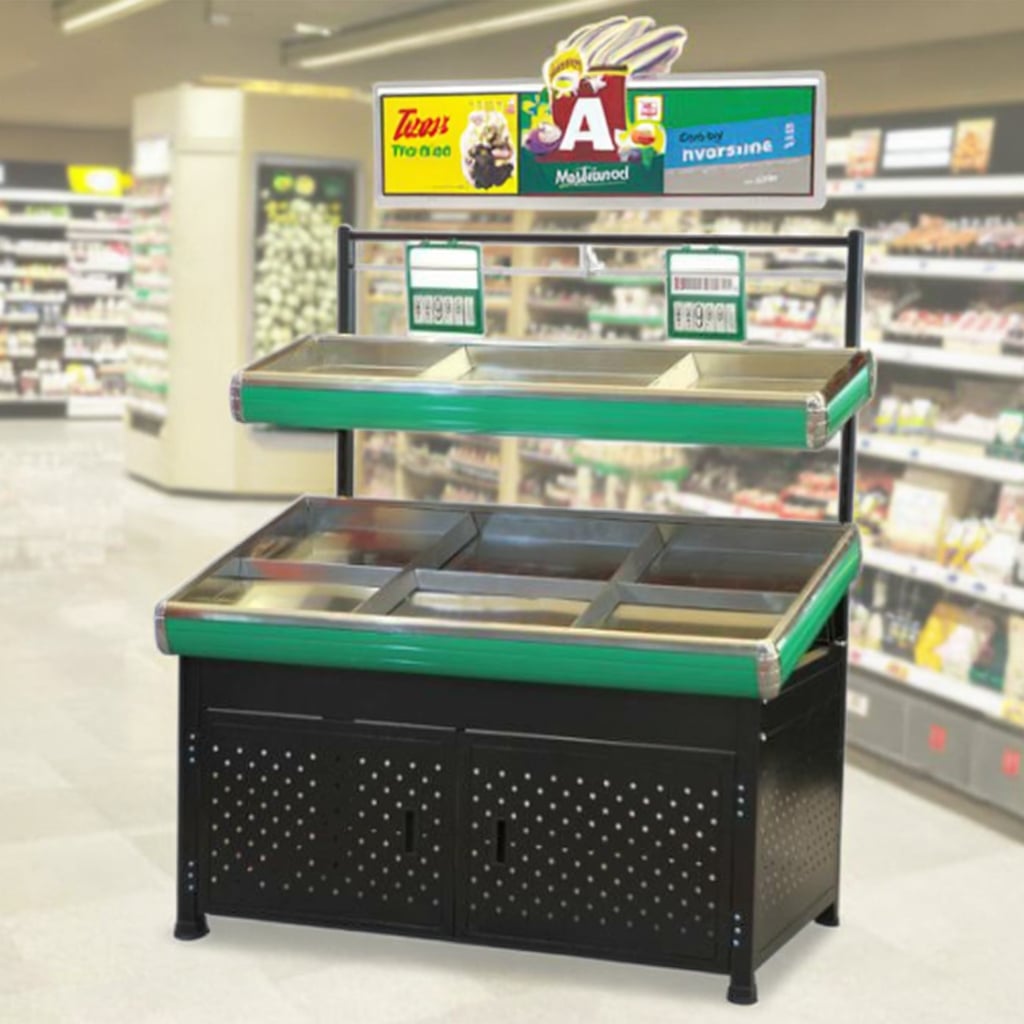
A fruit and vegetable rack is a specialized storage solution designed to organize fresh produce in your kitchen while maximizing space efficiency. This practical kitchen fixture helps keep fruits and vegetables accessible, visible, and properly ventilated to extend their shelf life. Whether you operate a residential kitchen or a commercial food service environment, a fruit and vegetable rack offers both functional organization and aesthetic appeal.
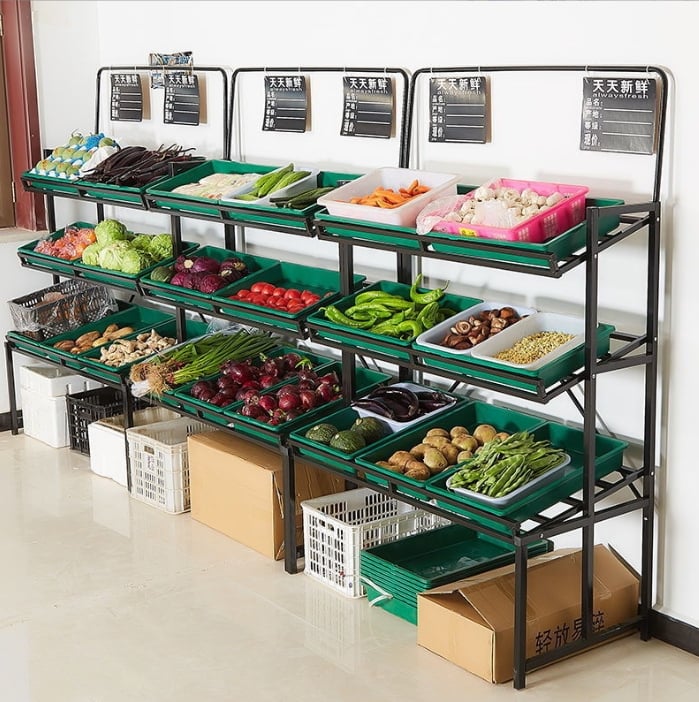
Understanding the components and benefits of a fruit and vegetable rack helps you select the right produce storage solutions for your kitchen layout. A tiered fruit display stand differs from standard refrigerator storage by providing ambient-temperature display and easy access to daily-use items. The design typically incorporates multiple shelves, proper spacing for air circulation, and sturdy construction to support varying produce weights and types.
Core Components of a Fruit and Vegetable Rack
Shelf Design and Material Construction
The foundation of any fruit and vegetable rack lies in its structural design. Most modern produce storage solutions feature metal or wire mesh shelves that allow air to flow freely around stored items, preventing moisture buildup and spoilage. The tiered fruit display stand typically includes vertical supports that can accommodate multiple shelf levels, ranging from two to five tiers depending on the model and kitchen space available.
Material selection directly impacts durability and longevity of your kitchen vegetable organizer. Stainless steel construction offers superior corrosion resistance and ease of cleaning, making it ideal for environments with high humidity or frequent moisture exposure. Wire mesh shelving permits drainage and visibility, while solid shelves work better for smaller items that might fall through gaps.
Dimensional Specifications and Capacity
A practical fruit and vegetable rack comes in various sizes to fit different kitchen configurations and storage needs. Countertop models typically measure between 24 to 36 inches in height and width, providing compact produce storage solutions without consuming excessive floor or counter space. Larger free-standing units can reach 60 inches or higher, offering significantly greater capacity for households or businesses requiring more extensive vegetable storage.
Weight capacity varies substantially among tiered fruit display stand options, generally ranging from 50 to 300 pounds depending on construction quality and material grade. Knowing your typical produce volume helps determine the appropriate size and shelf count needed for your specific kitchen vegetable organizer requirements.
Benefits and Practical Applications
Organization and Accessibility Advantages
The primary advantage of installing a fruit and vegetable rack involves immediate visibility and ease of access to fresh produce. Unlike refrigerator drawers or closed cabinets, a tiered fruit display stand keeps your kitchen vegetable organizer contents visible at all times, reducing waste from forgotten items hidden in storage. Family members can quickly locate preferred fruits or vegetables without extensive searching.
A dedicated produce storage solutions system encourages better meal planning and preparation habits. When vegetables and fruits are prominently displayed and easily accessible, household members tend to consume them more regularly and incorporate them into daily meals. This visibility-driven approach helps reduce food waste and supports healthier eating patterns in modern kitchens.
Air Circulation and Shelf Life Extension
Proper ventilation stands as a critical benefit of using a fruit and vegetable rack for ambient storage. The open design of most tiered fruit display stand models ensures air flows around each item, preventing the moisture accumulation that accelerates decay and mold growth. This design feature distinguishes produce storage solutions from sealed containers or enclosed refrigerator compartments.
Ethylene gas, naturally produced by ripening fruits, can accumulate in closed storage spaces and accelerate deterioration of nearby produce. A well-ventilated kitchen vegetable organizer allows ethylene to dissipate naturally, extending the shelf life of sensitive items like leafy greens, berries, and cucumbers. This passive ventilation mechanism reduces the need for frequent produce replacement.
Selection and Installation Considerations
Assessing Your Kitchen Requirements
Choosing the right fruit and vegetable rack requires evaluating your kitchen layout, available space, and typical produce volume. Consider whether a countertop model or floor-standing unit better suits your workflow and aesthetic preferences. Measure doorways, counters, and floor areas to ensure your selected tiered fruit display stand fits properly and doesn't obstruct traffic patterns or appliance access.
The amount of produce your household or business typically maintains directly influences which produce storage solutions will prove adequate. Residential kitchens with limited storage space benefit from compact two or three-tier models, while larger families or food service operations may require industrial-grade kitchen vegetable organizers with four to six shelf levels. Assess your seasonal variations too, as produce consumption often fluctuates throughout the year.
Placement and Maintenance Practices
Optimal placement of your fruit and vegetable rack significantly impacts its effectiveness and longevity. Position the rack away from direct sunlight, which accelerates ripening and can heat the structure unnecessarily. Keep the tiered fruit display stand in a cool, dry area of your kitchen, preferably away from appliances that generate heat or humidity.
Regular maintenance of your produce storage solutions extends the life of both the rack and your stored items. Wipe down shelves weekly to remove produce debris and dust, and ensure proper drainage if your kitchen vegetable organizer uses mesh bottoms. Check that produce is arranged to allow air circulation around each item, avoiding overcrowding that restricts ventilation.
FAQ
What types of produce work best on a fruit and vegetable rack?
Most items suitable for room-temperature storage perform well on a fruit and vegetable rack, including bananas, apples, oranges, tomatoes, onions, potatoes, and squash. Avoid storing highly perishable items requiring cold temperatures, such as leafy greens or berries, unless your kitchen environment remains particularly cool. A tiered fruit display stand works ideally for produce that benefits from air circulation and visibility.
How does a kitchen vegetable organizer improve food storage compared to drawers?
A fruit and vegetable rack offers superior air circulation and visibility compared to closed drawers, reducing spoilage rates and food waste. Drawers trap moisture and ethylene gas, accelerating decay, while produce storage solutions like tiered displays allow natural ventilation. Kitchen vegetable organizer designs also make it easier to monitor produce ripeness and use items before they spoil.
Can a tiered fruit display stand accommodate different produce sizes?
Yes, most tiered fruit display stand designs feature adjustable shelves or adequate spacing to accommodate produce of varying sizes. Larger items like watermelons or winter squash can occupy lower shelves with greater weight capacity, while smaller fruits and vegetables fit efficiently on upper tiers. This flexibility makes produce storage solutions adaptable to your specific needs and seasonal produce variety.