 EN

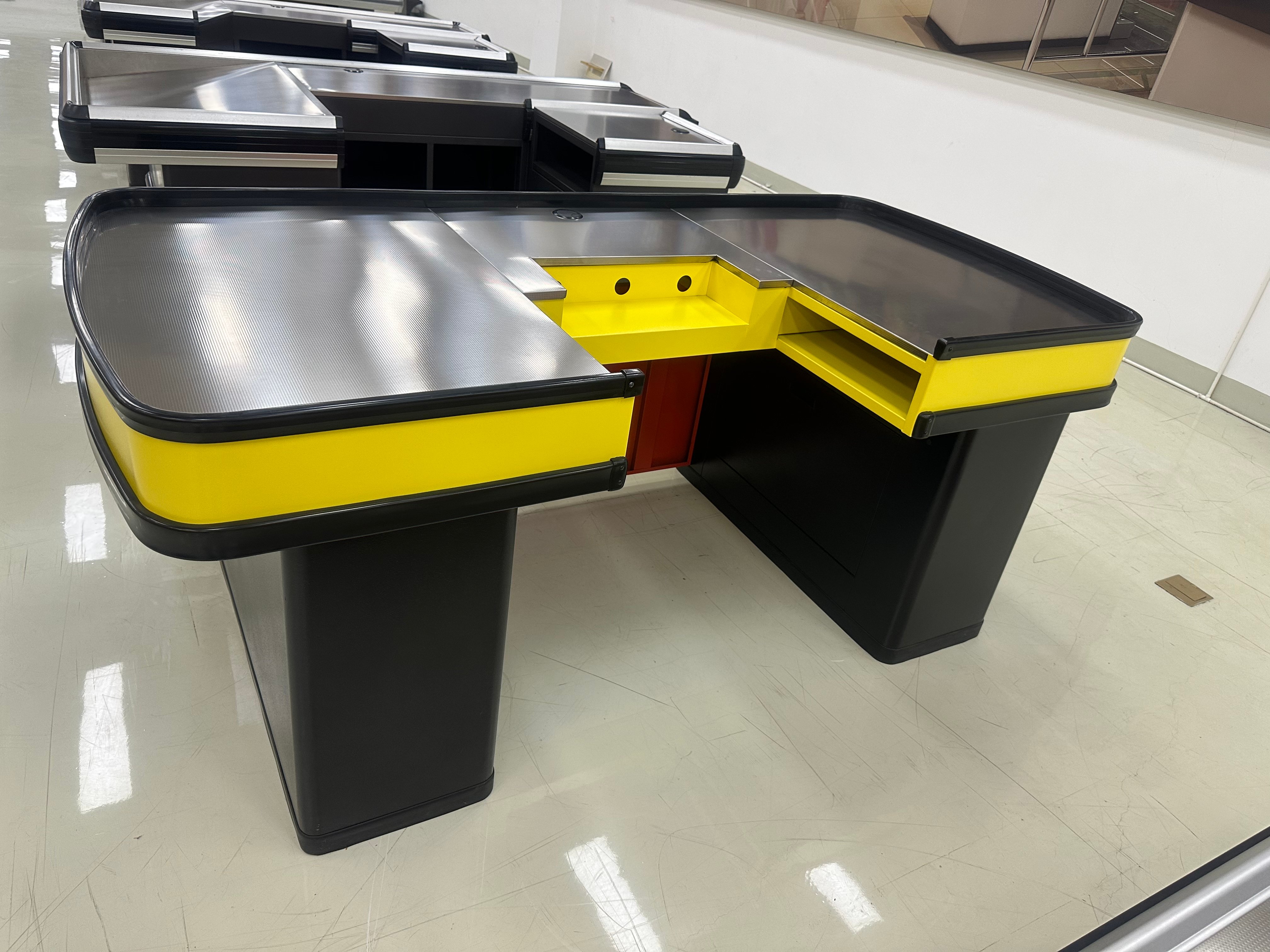
A checkout counter is one of the most critical assets in any retail environment. It serves as the transaction hub where customers complete purchases, and staff manage daily operations. The durability and functionality of your checkout counter directly impact customer satisfaction, operational efficiency, and your bottom line. Understanding how to properly maintain this essential equipment can significantly extend its working life and protect your investment.
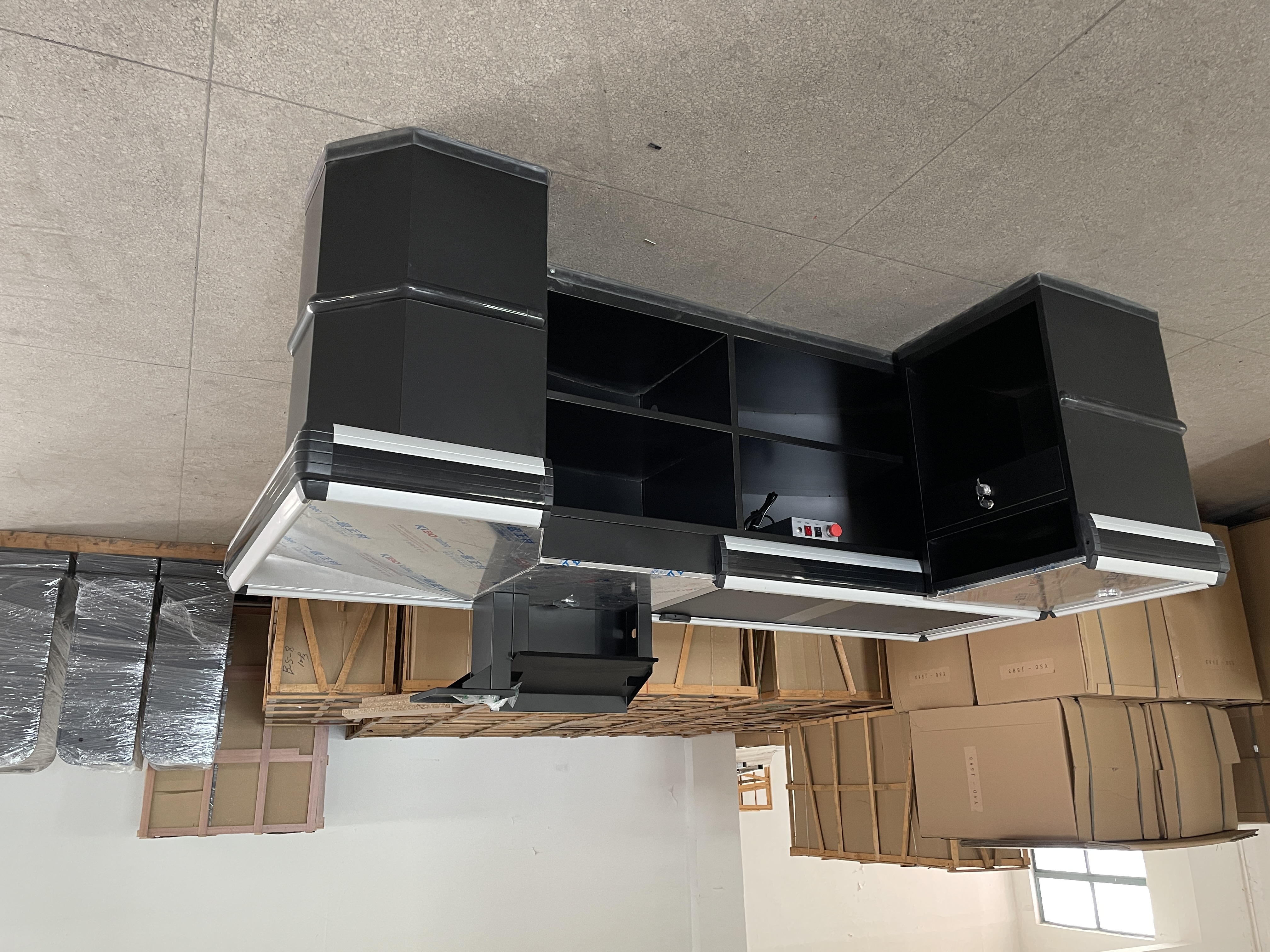
Regular maintenance transforms a point of sale counter from a short-term operational tool into a long-term strategic asset. Whether you operate a small boutique, a grocery store, or a large retail chain, the principles of proper checkout counter care remain consistent. By implementing preventive measures and addressing wear early, you can avoid costly replacements and keep your retail checkout station performing at peak efficiency throughout its lifecycle.
Understanding Counter Wear Patterns and Causes
Common Deterioration Factors in Retail Checkout Stations
Your retail checkout station experiences constant physical stress. The surface endures repeated impacts from products, cash register equipment, and daily cleaning activities. Environmental factors like humidity, temperature fluctuations, and exposure to cleaning chemicals accelerate material degradation. Understanding these wear patterns helps you prioritize maintenance efforts and identify issues before they compromise functionality or safety.
A point of sale counter typically sustains damage through three primary pathways: surface wear, structural stress, and component failure. Surface scratches, stains, and discoloration accumulate gradually, affecting aesthetic appeal and potentially harboring bacteria if not properly managed. Structural integrity issues emerge when weight is unevenly distributed or when the counter experiences repeated impacts without proper support. Component failures affect cash drawers, scanning stations, and payment processing areas, directly disrupting customer transactions and staff workflow.
Impact of Environment on Counter Durability
The retail environment creates unique challenges for checkout counter maintenance. High-traffic areas experience accelerated wear compared to lower-traffic sections. Moisture from cleaning routines and spills can seep into joints and fasteners, causing rust and wood swelling. Temperature variations cause material expansion and contraction, loosening connections and creating gaps where dirt accumulates. Self-checkout system components are particularly sensitive to environmental stress, requiring controlled conditions for optimal longevity.
Essential Daily and Weekly Maintenance Practices
Surface Cleaning Protocols for Long-Term Protection
Proper cleaning is the foundation of checkout counter maintenance. Use pH-neutral cleaners appropriate for your counter material, whether laminate, wood, stainless steel, or composite surfaces. Avoid abrasive scrubbing pads that scratch the surface and create entry points for moisture and bacteria. Wipe spills immediately, as prolonged contact between liquids and the counter surface can cause permanent staining or material degradation. For a point of sale counter, focus cleaning efforts on transaction areas where customers and staff handle cash, products, and payment devices.
Develop a daily cleaning schedule that addresses high-contact zones without damaging the counter. Clean payment terminals, card readers, and scanning equipment with appropriate disinfectants recommended by manufacturers. Dry the counter thoroughly after cleaning to prevent moisture accumulation in seams and joints. Weekly deep cleaning should include areas underneath the counter surface where dust, debris, and product residue collect. Establish cleaning protocols for your retail checkout station that balance hygiene requirements with protective care for the counter structure.
Hardware Inspection and Tightening Routines
Bolts, screws, and fasteners loosen gradually due to constant vibration and use. Weekly inspections of visible hardware prevent structural instability that could create safety hazards or cause misalignment. Use appropriate tools to tighten fasteners, avoiding over-tightening that could strip threads or damage the counter material. Pay special attention to areas where the counter connects to the floor, where cash drawer mechanisms attach, and where self-checkout system components mount. Loose connections create gaps where water can penetrate, accelerating deterioration of internal structures.
Inspect cable connections for payment processing, power supply, and scanning equipment weekly. Damaged cables or loose connections compromise functionality and create fire hazards. Check cash drawer rollers and slides for smooth operation, lubricating mechanisms as needed with approved products. The checkout counter supports multiple functional systems simultaneously, so each connection point deserves attention during maintenance routines.
Protective Measures and Preventive Care Strategies
Material Protection and Sealant Application
Applying protective sealants extends the lifespan of your checkout counter by creating a barrier against moisture, stains, and chemical damage. Laminate and composite surfaces benefit from regular application of specialized protective coatings that enhance scratch resistance and water repellency. Wood-based counters require appropriate sealants that maintain material flexibility while providing protection. Stainless steel counters need protective oils or waxes to prevent fingerprints, corrosion, and water spotting. Understanding your specific counter material ensures you select compatible protection products that enhance durability without causing damage.
A retail checkout station's service life increases significantly with strategic material protection. Apply sealants during the initial installation phase and reapply periodically based on manufacturer recommendations and observed wear patterns. Protective measures prove most cost-effective when implemented proactively rather than as reactive repairs after damage occurs. For point of sale counter surfaces that contact food items, ensure all protective products meet food-safety standards and comply with health department regulations.
Environmental Control and Operating Conditions
Maintain stable temperature and humidity levels in your retail environment to minimize material stress on the checkout counter. Extreme humidity promotes mold growth, wood swelling, and accelerated corrosion of metal components. Conversely, very dry conditions cause material shrinkage and cracking. Aim for moderate humidity levels between 35 and 50 percent and temperatures between 65 and 75 degrees Fahrenheit for optimal counter preservation. Well-functioning HVAC systems protect not just the counter but also enhance customer comfort and product integrity throughout your store.
Self-checkout system components require particularly stable environmental conditions to maintain proper calibration and prevent electronic malfunctions. Position your retail checkout station away from direct sunlight, which causes fading, material degradation, and heat accumulation. Ensure adequate air circulation around the counter to prevent moisture buildup and support equipment ventilation. These environmental controls extend the collective lifespan of the entire point of sale counter ecosystem, protecting your investment across multiple functional systems and material types.
FAQ
How often should I inspect my checkout counter for maintenance needs?
Weekly visual inspections of hardware, surfaces, and functional components allow you to identify issues early before they escalate into costly repairs. Daily cleaning routines provide additional opportunities to spot damage or wear patterns. For high-traffic retail locations, consider more frequent inspections of the point of sale counter to catch problems quickly. Self-checkout system components may require more frequent checks due to their technical complexity and critical role in transaction processing.
What cleaning products should I avoid on my retail checkout station?
Avoid bleach, strong acids, and abrasive cleaners that damage most checkout counter materials. Do not use steel wool or rough scrubbing pads that scratch surfaces and compromise protective finishes. Silicone-based products can leave residues and interfere with equipment operation. Always consult manufacturer guidelines for your specific counter material and check compatibility with payment terminals and self-checkout system electronics before applying any cleaning products.
Can routine maintenance really extend my checkout counter lifespan significantly?
Yes, consistent preventive maintenance can extend counter lifespan by 25 to 40 percent compared to neglected counters. Regular cleaning prevents material degradation, protective applications shield against environmental damage, and hardware maintenance preserves structural integrity. A well-maintained point of sale counter maintains functionality and appearance through years of intensive daily use. Investing modest time and resources in maintenance proves far more economical than replacing damaged counters prematurely or managing operational disruptions from equipment failures.