 EN
EN

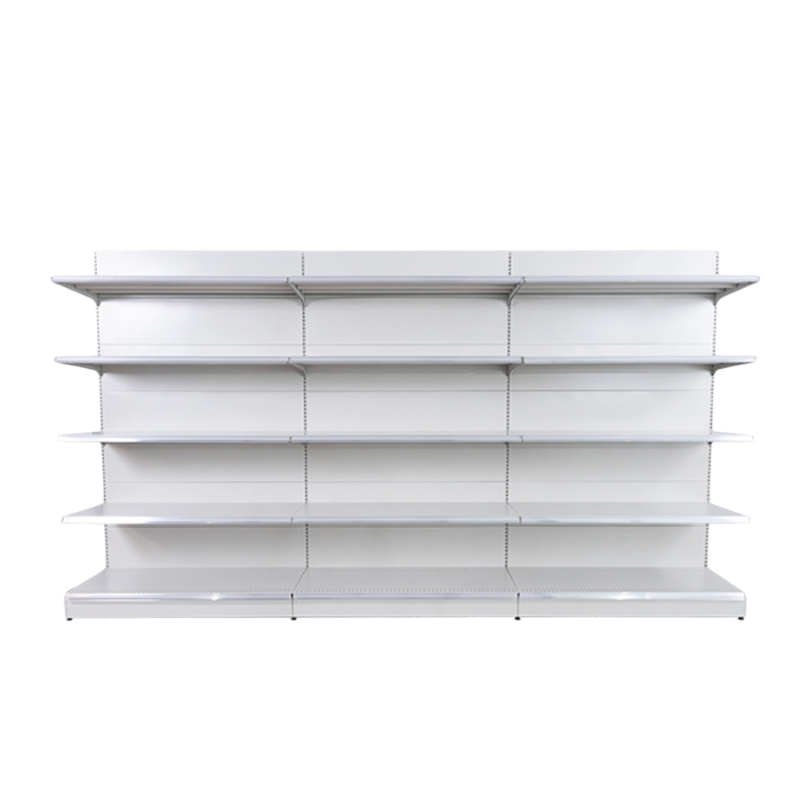
Installing and maintaining a gondola shelf system is essential for any retail environment seeking to maximize floor space and product visibility. Whether you operate a grocery store with specialized shelving systems or manage a boutique using metal store fixtures, understanding the installation process and maintenance protocols ensures long-term durability and customer safety. Gondola shelving has become the industry standard for retail display shelving because of its versatility, modular design, and ability to adapt to evolving inventory needs without major structural investment.
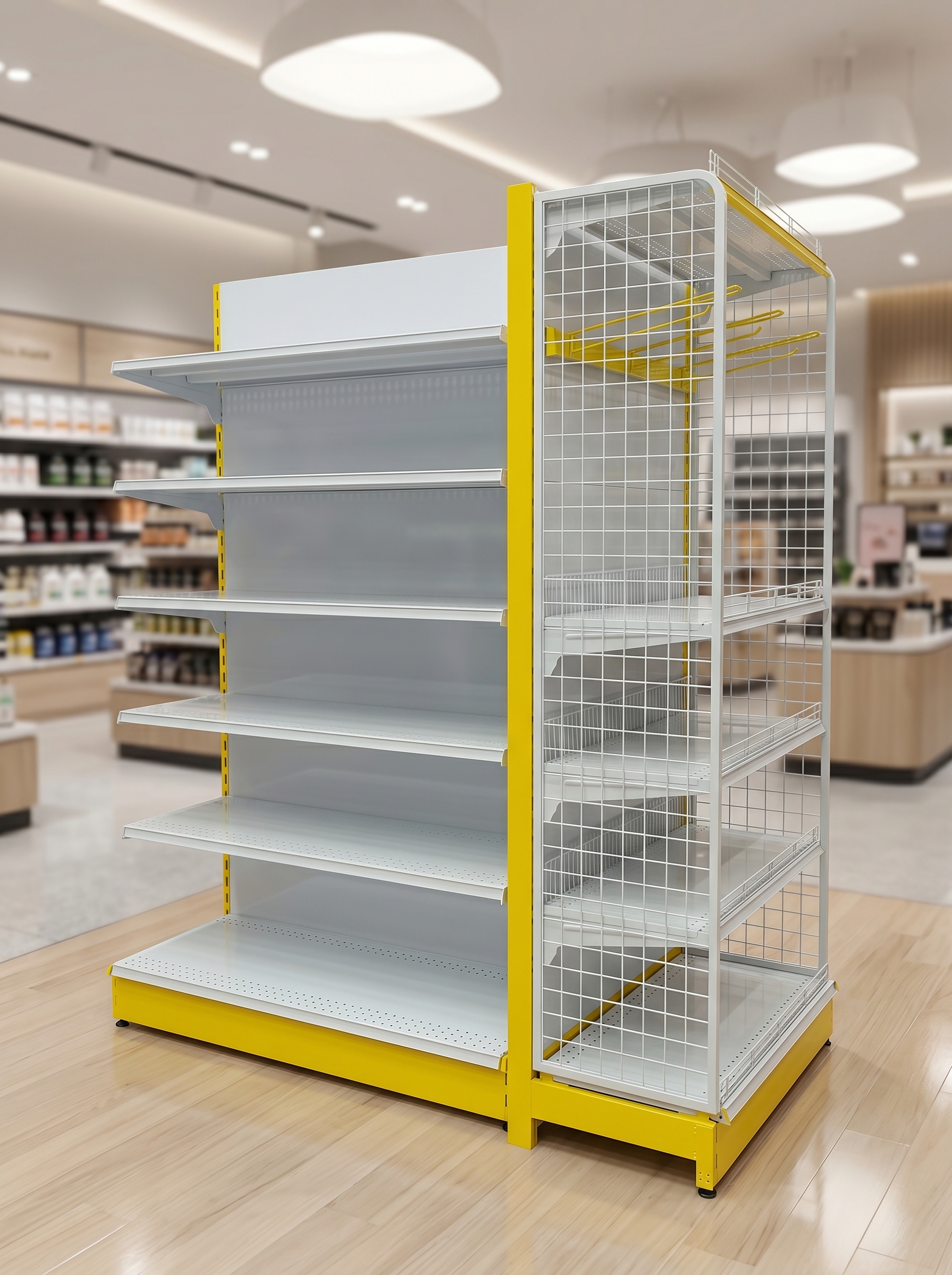
Proper installation of retail display shelving requires attention to detail, correct assembly sequence, and adherence to safety guidelines. This comprehensive guide covers the essential steps for setting up your gondola shelf system, maintaining it over time, and troubleshooting common issues. By following these best practices for grocery store shelving systems and metal store fixtures, you can ensure your display remains stable, attractive, and compliant with retail standards.
Planning and Pre-Installation for Gondola Shelf Systems
Assessing Your Retail Space and Load Requirements
Before you begin installing any retail display shelving, conduct a thorough assessment of your store layout and anticipated load capacity. Measure the floor dimensions where your gondola shelf will be positioned, verify that the floor is level and stable, and identify any electrical outlets, fixtures, or obstacles that might affect placement. Calculate the weight of products you intend to display; heavier merchandise requires sturdier metal store fixtures with reinforced bases and support legs. Understanding these factors prevents costly mistakes and ensures your shelving system can safely support your inventory without risk of collapse or tipping.
Gathering Tools and Components
Successful installation of grocery store shelving systems demands proper tools and organized components. Before assembly begins, lay out all uprights, shelves, brackets, fasteners, and connectors in a designated assembly area. Check that every piece matches your order specification and inspect metal store fixtures for any dents, bends, or manufacturing defects that could compromise structural integrity. Having a clear parts inventory and assembly diagram accelerates the process and minimizes frustration during setup.
Step-by-Step Installation Process
Base Assembly and Uprights Alignment
Begin installation by assembling the base frame of your gondola shelf on a clean, flat surface. Position the two base rails parallel to each other at the exact distance specified in your manual, then secure the connecting cross-members firmly. Once the base is stable, carefully stand the upright supports perpendicular to the base, using a level tool to verify vertical alignment. Misaligned uprights compromise the entire retail display shelving structure and create safety hazards, so invest time in this critical first step.
Bracket Installation and Shelf Placement
Attach shelf brackets to the uprights at your predetermined heights, ensuring all brackets are level and tightly secured. For heavy grocery store shelving systems, double-check that brackets are inserted fully into support slots and fastened with appropriate locking mechanisms. Carefully place each shelf onto the brackets, starting from the bottom and working upward, ensuring shelves sit flush against the bracket support points. Metal store fixtures perform best when shelves are evenly distributed across uprights; avoid placing all weight on a single side or creating imbalanced configurations that strain the frame.
Safety Securing and Final Inspection
After all shelves are positioned, install anti-tip devices and safety chains if your gondola shelf model includes them. These components are mandatory in retail environments to prevent customer injury and ensure compliance with safety standards. Perform a final visual inspection, checking that every connection is tight, no parts are bent or twisted, and the overall structure appears square and stable. Apply the weight test by gradually placing representative product loads on shelves, monitoring for any shifting, noise, or movement before opening the display to customers.
Maintenance and Long-Term Care Strategies
Regular Inspection and Cleaning Protocols
Maintaining your retail display shelving ensures it remains functional and visually appealing throughout its operational life. Establish a monthly inspection routine where you check all connections, bolts, and brackets for looseness caused by vibration and customer interaction. Clean metal store fixtures with appropriate gentle cleansers to prevent rust and corrosion, especially in environments with high humidity or temperature fluctuations. Remove product dust, spills, and debris that accumulate on shelves, as these contaminants attract pests and create unsightly appearances that diminish customer perception of product quality.
Identifying and Addressing Wear Patterns
Over time, grocery store shelving systems experience wear at stress points where shelves meet brackets and where uprights connect to the base. Watch for signs of stress such as squeaking sounds, slight bending of metal, or visible gaps at connection points. If you notice any of these warning signs, address them immediately by tightening fasteners or replacing damaged components. Ignoring wear patterns in your gondola shelf can lead to catastrophic failure, product loss, and potential customer injury. Maintain a maintenance log documenting repairs and replacements for warranty and compliance purposes.
Seasonal Adjustments and Reconfiguration
Adapt your retail display shelving to seasonal inventory changes by adjusting shelf heights and redistributing weight loads. Different products require different shelf spacing; beverage bottles need wider spacing than boxed goods. When reconfiguring your metal store fixtures, redistribute the weight load evenly to prevent unbalanced stress on specific uprights. Seasonal restructuring also provides an opportunity to inspect components more thoroughly and replace any worn brackets, shelves, or fasteners before they fail under increased weight.
FAQ
How often should I perform maintenance on my gondola shelf system?
Conduct monthly visual inspections of your retail display shelving to check for loose connections and signs of wear. In high-traffic retail environments with heavy product turnover, increase inspections to biweekly intervals. Address any identified issues immediately to prevent escalation and maintain customer safety. Quarterly deep-cleaning sessions remove accumulated dust and debris from metal store fixtures and help you identify developing problems before they become critical failures.
What is the maximum weight capacity for grocery store shelving systems?
Weight capacity varies by manufacturer and specific model of gondola shelf, typically ranging from 150 to 500 pounds per shelf depending on construction and material gauge. Always consult your product documentation for exact specifications and never exceed the rated capacity, as overloading creates dangerous tipping hazards. Consider implementing a weight distribution policy where heavier products occupy lower shelves to maintain stability and prevent accidents in your retail space.
Can I reposition or modify my metal store fixtures after installation?
Yes, one of the primary advantages of gondola shelf systems is their modularity and flexibility. You can adjust shelf heights, add or remove sections, and reconfigure the layout to accommodate changing retail display shelving needs. However, always ensure that any modifications maintain structural integrity and comply with safety standards. When relocating sections of your grocery store shelving systems, take time to inspect all components and verify that reassembly is performed correctly with all fasteners properly tightened.