 EN
EN

The modern retail environment demands strategic thinking when it comes to customer flow and operational efficiency. At the heart of this challenge lies one critical element that often determines the success or failure of the entire shopping experience: the checkout counter. This essential piece of retail infrastructure serves as the final touchpoint between your business and customers, making it crucial to optimize both its design and functionality for maximum impact on your bottom line.
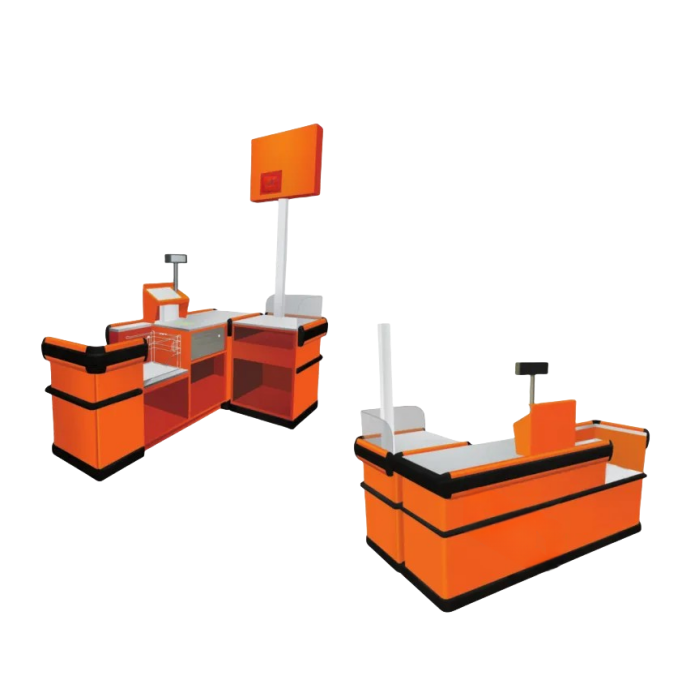
Research consistently shows that poorly designed checkout areas contribute to abandoned purchases, frustrated customers, and reduced operational efficiency. In contrast, a well-planned checkout counter system can transform these pain points into competitive advantages. The strategic placement, ergonomic design, and workflow optimization of your checkout counter directly influences customer satisfaction, staff productivity, and overall profitability.
Understanding the relationship between checkout counter design and business performance requires examining multiple factors that work together to create seamless transactions. From queue management to staff ergonomics, every aspect of your checkout counter contributes to the overall customer experience and operational effectiveness of your retail space.
Strategic Placement and Layout Optimization
Traffic Flow Analysis and Counter Positioning
The positioning of your checkout counter within your retail space fundamentally impacts customer movement patterns and overall store efficiency. Strategic placement requires careful analysis of natural traffic flows, customer behavior patterns, and sight lines throughout your establishment. When positioned correctly, a checkout counter guides customers naturally toward completion of their purchase while maintaining clear visibility of the entire store for security and customer service purposes.
Optimal checkout counter placement typically involves positioning the unit where it can be easily accessed from multiple directions while avoiding congestion in high-traffic areas. This approach ensures that customers can approach the checkout counter without interfering with other shoppers browsing merchandise. Additionally, strategic positioning allows staff to maintain visual contact with the sales floor while processing transactions, enabling them to provide assistance when needed.
The relationship between checkout counter placement and customer psychology cannot be overlooked. Customers naturally gravitate toward checkout areas that feel welcoming and accessible rather than cramped or hidden. By positioning your checkout counter in a location that feels intuitive and comfortable, you reduce customer anxiety and create a more positive final impression of your business.
Multi-Counter Configuration Strategies
For larger retail operations, implementing multiple checkout counter configurations requires careful planning to maximize efficiency while maintaining customer satisfaction. The arrangement of multiple checkout counters should facilitate smooth customer flow during peak periods while remaining cost-effective during slower times. Strategic configuration prevents bottlenecks and ensures that customers can complete their purchases quickly regardless of store traffic levels.
Parallel checkout counter arrangements work well for high-volume operations, allowing multiple customers to be served simultaneously without creating confusion or congestion. This configuration also enables flexible staffing, as additional checkout counter positions can be opened or closed based on customer demand. The key is ensuring adequate space between units to prevent customers from feeling cramped or rushed during their transactions.
Alternative configurations, such as angled or curved checkout counter arrangements, can create more dynamic customer flow patterns while maximizing available floor space. These approaches work particularly well in stores with unique architectural features or specific traffic flow requirements. The choice of configuration should always support your specific operational needs while enhancing the overall customer experience.
Ergonomic Design and Staff Efficiency
Height and Surface Optimization
The physical dimensions of your checkout counter directly impact staff comfort, productivity, and long-term health outcomes. Proper height selection ensures that employees can work comfortably throughout their shifts without experiencing fatigue or strain that could lead to errors or reduced efficiency. Standard checkout counter heights should accommodate the majority of your staff while allowing for adjustments when necessary.
Surface design considerations extend beyond simple height measurements to include work area depth, scanner positioning, and payment processing equipment placement. An optimally designed checkout counter provides adequate space for product scanning, bagging, and customer interaction while keeping all necessary tools within easy reach of operating staff. This attention to ergonomic detail reduces physical strain and increases transaction speed.
Counter surface materials and finishes also play crucial roles in staff efficiency and maintenance requirements. Surfaces should be easy to clean, resistant to wear and staining, and provide adequate grip for handling products safely. The right surface treatment can significantly reduce cleaning time while maintaining a professional appearance that enhances customer confidence in your business.
Storage and Organization Features
Integrated storage solutions within your checkout counter design can dramatically improve operational efficiency by keeping essential supplies and equipment easily accessible to staff. Well-planned storage areas reduce the time employees spend searching for bags, receipt paper, or cleaning supplies, allowing them to focus on providing excellent customer service. Strategic storage placement also helps maintain a clean, organized appearance at the point of sale.
Under-counter storage should be designed with frequently used items in mind, placing daily necessities at optimal heights and positions for quick access. This approach minimizes bending and stretching movements that can contribute to employee fatigue over time. Additionally, adequate storage capacity reduces the need for frequent restocking, allowing staff to maintain focus on customer service throughout their shifts.
Organization features such as built-in dividers, adjustable shelving, and dedicated compartments help maintain order even during busy periods. When everything has a designated place, staff can locate needed items quickly and customers experience shorter wait times. This level of organization also makes training new employees more straightforward, as they can easily understand where items belong and how systems function.
Technology Integration and Modern Features
Payment Processing Capabilities
Modern checkout counter design must accommodate rapidly evolving payment technologies while maintaining flexibility for future upgrades. Today's customers expect seamless integration of traditional payment methods with contactless options, mobile payments, and emerging technologies. Your checkout counter should provide adequate space and power connections for various payment processing devices without creating clutter or confusion.
Cable management within your checkout counter design helps maintain a professional appearance while ensuring that all technology components function reliably. Hidden cable routing prevents tripping hazards, reduces wear on connections, and makes cleaning and maintenance more efficient. This attention to detail creates a more polished customer experience while extending the lifespan of your payment processing equipment.
Future-proofing your checkout counter technology integration involves considering emerging payment trends and ensuring that your design can adapt to new requirements. This forward-thinking approach protects your investment while enabling you to offer cutting-edge payment options as they become available. Flexibility in technology integration often proves more valuable than any specific feature in the long term.
Security and Loss Prevention
Integrated security features within your checkout counter design protect both merchandise and cash while maintaining an welcoming atmosphere for legitimate customers. Modern security integration goes beyond simple cash drawer locks to include surveillance camera mounting points, alarm system connections, and discrete monitoring capabilities. These features work together to create comprehensive loss prevention without creating an intimidating environment.
Cash handling security requires careful consideration of drawer design, locking mechanisms, and access controls within your checkout counter configuration. The goal is protecting assets while enabling efficient transaction processing and cash management procedures. Well-designed security features become invisible to customers while providing staff with confidence and peace of mind during their duties.
Emergency features such as panic buttons, drop-safe connections, and quick-access security protocols should be seamlessly integrated into your checkout counter design. These elements must be easily accessible to authorized personnel while remaining completely hidden from customer view. Proper integration ensures that security measures enhance rather than hinder normal business operations.
Customer Experience Enhancement
Queue Management and Wait Time Reduction
Effective queue management begins with thoughtful checkout counter design that naturally guides customer flow and reduces perceived wait times. The physical layout around your checkout counter should provide clear guidance about where customers should stand while maintaining comfortable personal space for those being served. This balance creates a more relaxed atmosphere that encourages customer satisfaction and repeat business.
Visual design elements incorporated into your checkout counter area can significantly impact how customers perceive wait times and service quality. Strategic use of mirrors, displays, or entertainment options can make brief waits feel shorter while providing additional sales opportunities. The key is creating distraction and engagement without overwhelming the checkout experience with excessive stimulation.
Flexible queue configurations enabled by moveable barriers or adjustable checkout counter arrangements allow you to adapt to varying customer volumes throughout the day. This adaptability ensures optimal customer flow during peak periods while maintaining an open, welcoming feel during slower times. Such flexibility demonstrates responsiveness to customer needs while maximizing operational efficiency.
Accessibility and Universal Design
Modern checkout counter design must accommodate customers with varying physical abilities and needs to ensure inclusive service delivery. Universal design principles create checkout experiences that work well for everyone, from wheelchair users to customers with limited mobility or reach. This inclusive approach not only meets legal requirements but also demonstrates commitment to serving your entire community.
Height variations within your checkout counter design can accommodate different customer needs while maintaining efficiency for staff operations. Lowered sections provide access for wheelchair users and children, while standard height areas serve the majority of customers comfortably. The transition between different height zones should be smooth and natural, avoiding any sense of separation or special treatment.
Clear sight lines and adequate maneuvering space around your checkout counter ensure that all customers can approach and complete transactions comfortably. This includes considering the space needed for mobility devices, service animals, and customers who may need additional time or assistance. Thoughtful space planning creates a welcoming environment that serves everyone effectively.
Maintenance and Longevity Considerations
Material Selection and Durability
The materials used in checkout counter construction directly impact both initial costs and long-term operational expenses through maintenance, repair, and replacement requirements. High-quality materials may require larger upfront investments but typically provide superior durability, easier maintenance, and better appearance retention over time. This long-term perspective often yields better return on investment than choosing less expensive alternatives.
Surface materials must withstand constant use, frequent cleaning, and occasional impact while maintaining their appearance and functionality. Commercial-grade materials designed specifically for retail environments offer the best combination of durability and aesthetics. These materials often include special treatments that resist staining, scratching, and bacterial growth, contributing to both longevity and hygiene.
Structural components of your checkout counter should be engineered to handle the specific loads and stresses of your operation. This includes considering the weight of equipment, cash drawers, and stored supplies, as well as the dynamic forces created by daily use. Proper engineering prevents premature failure and ensures that your checkout counter continues performing reliably throughout its intended lifespan.
Cleaning and Hygiene Protocols
Modern hygiene expectations require checkout counter designs that facilitate thorough cleaning while minimizing areas where contaminants can accumulate. Smooth surfaces, rounded edges, and minimal crevices make regular sanitization more efficient and effective. These design features become particularly important in maintaining customer confidence and meeting health department requirements.
Integrated cleaning supply storage within your checkout counter design ensures that sanitization materials are always available when needed. Quick access to cleaning supplies enables staff to maintain hygiene standards throughout the day rather than waiting for scheduled cleaning periods. This proactive approach demonstrates commitment to customer health while preventing minor issues from becoming major problems.
Removable or accessible components within your checkout counter design simplify deep cleaning and maintenance procedures. When systems can be easily disassembled for thorough cleaning, hygiene standards become easier to maintain consistently. This accessibility also facilitates equipment repairs and updates without requiring major reconstruction of the entire checkout area.
Return on Investment and Performance Metrics
Productivity Measurement and Analysis
Measuring the impact of checkout counter improvements requires establishing baseline metrics before implementation and tracking relevant performance indicators afterward. Key metrics include transaction processing time, customer satisfaction scores, staff efficiency ratings, and error rates. These measurements provide objective data about the effectiveness of your checkout counter investment and guide future optimization efforts.
Transaction speed improvements directly translate to increased capacity and revenue potential, especially during peak shopping periods. A well-designed checkout counter that reduces average transaction time by even thirty seconds can significantly increase daily throughput without requiring additional staff. This capacity improvement often justifies checkout counter investments through increased sales volume alone.
Staff productivity metrics should include both quantitative measures like transactions per hour and qualitative factors such as employee satisfaction and fatigue levels. Happy, comfortable employees typically provide better customer service and make fewer errors, contributing to overall business success. The relationship between checkout counter design and staff satisfaction often proves more valuable than immediate productivity gains.
Cost-Benefit Analysis Framework
Comprehensive cost-benefit analysis of checkout counter investments must consider both direct and indirect benefits over the expected lifespan of the equipment. Direct benefits include increased transaction capacity, reduced labor costs, and improved inventory control. Indirect benefits encompass enhanced customer satisfaction, improved brand perception, and competitive advantages that may be harder to quantify but equally important.
Long-term operational savings often exceed initial purchase costs when checkout counter improvements reduce maintenance requirements, extend equipment life, or improve energy efficiency. These ongoing savings compound over time, making high-quality checkout counter investments increasingly attractive as payback periods extend. Forward-thinking businesses recognize that checkout counter decisions affect profitability for many years.
Risk reduction benefits should be included in any comprehensive cost-benefit analysis, as improved checkout counter design can reduce liability exposure, security risks, and compliance issues. These risk mitigation benefits provide value that may be difficult to quantify but can be substantial when problems are avoided. Insurance considerations and regulatory compliance costs often favor investments in professional-grade checkout counter solutions.
FAQ
What factors should be considered when determining optimal checkout counter height
Optimal checkout counter height depends on the average height of your staff, the types of products being scanned, and accessibility requirements for customers with disabilities. Standard commercial checkout counter heights typically range from 36 to 42 inches, with many operations benefiting from dual-height configurations that accommodate both standing staff operations and wheelchair accessibility. Consider conducting ergonomic assessments with your actual staff to determine the most comfortable working height for your specific situation.
How much space should be allocated around a checkout counter for proper customer flow
Adequate space allocation around checkout counter areas requires minimum clearances of 4 feet for customer queuing areas and 3 feet for staff circulation behind the counter. High-traffic locations may require additional space to prevent congestion during peak periods. The total footprint should also include space for shopping carts, mobility devices, and customers who may need extra time or assistance completing their transactions.
What technology integration capabilities are most important for modern checkout counter design
Essential technology integration includes adequate power outlets, data connections, and cable management systems to support POS terminals, barcode scanners, receipt printers, and payment processing devices. Future-proofing considerations should include USB charging capabilities, wireless network support, and flexible mounting options for tablets or mobile devices. Security camera integration points and alarm system connections are also increasingly important for comprehensive loss prevention strategies.
How can checkout counter design impact customer satisfaction and repeat business
Checkout counter design impacts customer satisfaction through transaction speed, comfort during the payment process, and overall professional appearance of your business. Customers appreciate efficient service, clear sight lines to monitor their purchases, and adequate space for their belongings during checkout. A well-designed checkout counter creates positive final impressions that encourage customers to return and recommend your business to others, directly contributing to long-term profitability and growth.
Table of Contents
- Strategic Placement and Layout Optimization
- Ergonomic Design and Staff Efficiency
- Technology Integration and Modern Features
- Customer Experience Enhancement
- Maintenance and Longevity Considerations
- Return on Investment and Performance Metrics
-
FAQ
- What factors should be considered when determining optimal checkout counter height
- How much space should be allocated around a checkout counter for proper customer flow
- What technology integration capabilities are most important for modern checkout counter design
- How can checkout counter design impact customer satisfaction and repeat business