 EN
EN

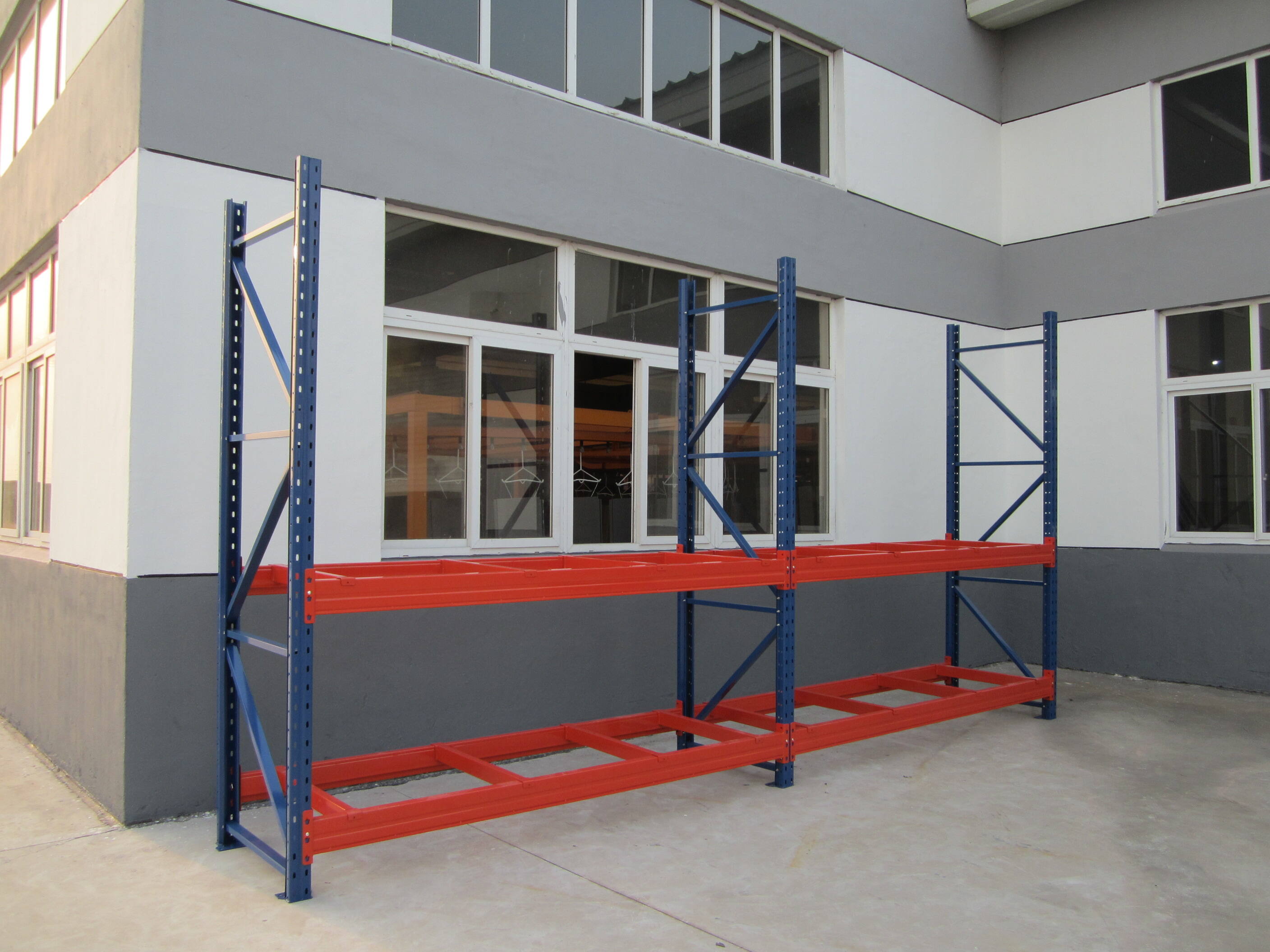
Establishing a successful retail operation requires careful consideration of storage and display infrastructure that can withstand the demands of high-traffic environments. Modern grocery stores and supermarkets depend heavily on robust shelving systems that not only showcase products effectively but also maintain structural integrity over extended periods. The process of sourcing wholesale supermarket shelf solutions involves evaluating multiple factors including durability specifications, load-bearing capacity, aesthetic appeal, and long-term cost efficiency. Retailers who invest in quality shelving infrastructure from the outset often experience reduced maintenance costs and improved customer shopping experiences that directly impact their bottom line performance.
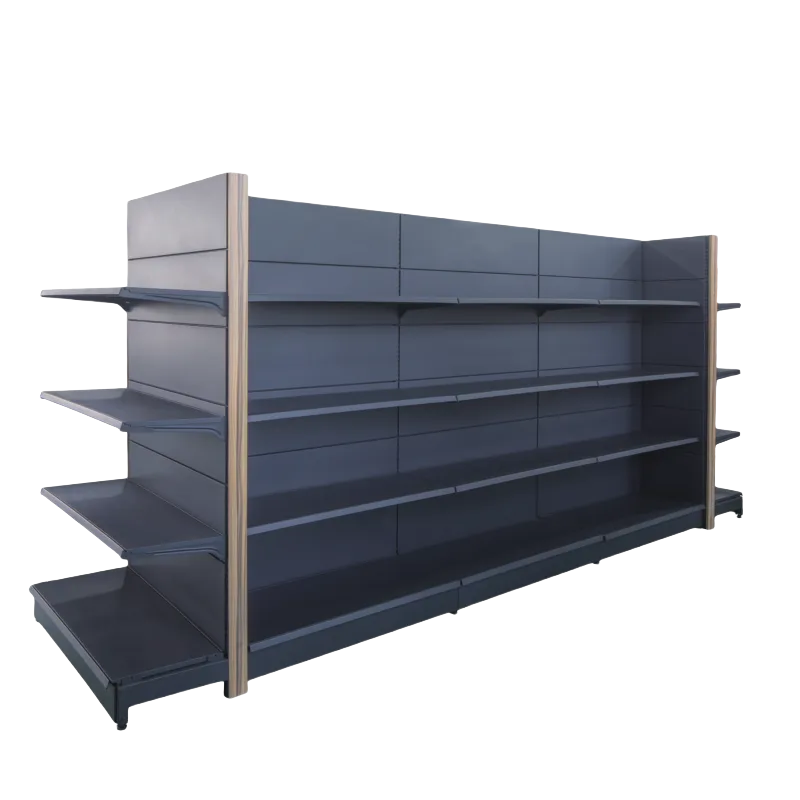
Understanding Commercial Shelving Requirements for Retail Success
Load Capacity and Structural Engineering Considerations
Professional wholesale supermarket shelf systems must accommodate varying product weights while maintaining stability throughout daily operations. Heavy items such as canned goods, beverages, and bulk packages require shelving units engineered with reinforced support structures and high-grade materials. Industry standards typically specify minimum load capacities ranging from 200 to 500 pounds per shelf level, depending on the intended merchandise category and store layout requirements.
The structural design of commercial shelving directly impacts both safety compliance and operational efficiency within retail environments. Quality wholesale supermarket shelf manufacturers utilize advanced engineering principles to distribute weight evenly across support points, preventing sagging or structural failure that could lead to merchandise damage or safety hazards. Retailers should prioritize shelving systems that exceed minimum load requirements to accommodate future product mix changes and seasonal inventory fluctuations.
Material Selection and Durability Standards
Steel construction remains the preferred material choice for wholesale supermarket shelf applications due to its superior strength-to-weight ratio and resistance to wear from constant product handling. Powder coating treatments provide additional protection against scratches, impacts, and environmental factors that commonly occur in busy retail settings. High-quality finishes also maintain their appearance over time, preserving the professional aesthetic that customers expect from modern shopping facilities.
Corrosion resistance becomes particularly important in areas where cleaning chemicals are regularly used or in regions with high humidity levels. Premium wholesale supermarket shelf systems incorporate galvanized steel components or specialized coatings that prevent rust formation and extend the operational lifespan of the shelving infrastructure. These protective measures translate into reduced replacement costs and minimized disruption to daily store operations over the long term.
Strategic Sourcing Methods for Wholesale Shelving Solutions
Direct Manufacturer Relationships and Volume Pricing
Establishing direct partnerships with wholesale supermarket shelf manufacturers often provides the most cost-effective approach for large-scale retail projects. Direct sourcing eliminates intermediary markups while providing access to customization options, technical support, and favorable payment terms that benefit long-term business relationships. Many manufacturers offer volume pricing tiers that significantly reduce per-unit costs for orders exceeding specific quantity thresholds.
Successful retailers often negotiate comprehensive supply agreements that include installation services, warranty coverage, and ongoing maintenance support as part of their wholesale supermarket shelf procurement strategy. These value-added services reduce project complexity while ensuring proper installation techniques that maximize the performance and longevity of the shelving investment. Direct manufacturer relationships also facilitate easier access to replacement parts and technical expertise when future modifications or expansions become necessary.
Quality Certification and Compliance Verification
Reputable wholesale supermarket shelf suppliers maintain relevant industry certifications and comply with local building codes and safety regulations. ISO quality management standards, structural engineering certifications, and fire safety approvals provide assurance that shelving systems meet professional installation requirements and ongoing operational standards. Retailers should verify these credentials before committing to large-scale purchases to avoid potential compliance issues.
Documentation of testing procedures, load capacity specifications, and installation guidelines demonstrates the manufacturer's commitment to quality and professional standards. Comprehensive technical documentation also supports proper installation practices and provides reference materials for future maintenance activities. This attention to detail reflects the overall quality approach that characterizes reliable wholesale supermarket shelf suppliers who prioritize long-term customer satisfaction.
Installation Planning and Layout Optimization
Store Traffic Flow and Customer Experience Design
Effective wholesale supermarket shelf placement requires careful analysis of customer traffic patterns and shopping behavior to maximize both product visibility and operational efficiency. Professional layout design considers aisle widths, sight lines, and accessibility requirements that influence customer comfort and purchasing decisions. Strategic placement of different shelving heights and configurations creates visual interest while accommodating diverse product categories and promotional displays.
Modern retail design principles emphasize the importance of flexible shelving systems that can adapt to changing merchandise requirements and seasonal promotions. Modular wholesale supermarket shelf systems allow retailers to reconfigure layouts without major structural modifications, supporting dynamic merchandising strategies that keep stores fresh and engaging for repeat customers. This flexibility becomes increasingly valuable as consumer preferences and product categories continue to evolve.
Technical Installation Requirements and Site Preparation
Professional installation of wholesale supermarket shelf systems requires proper floor preparation, accurate measurements, and adherence to manufacturer specifications to ensure optimal performance and safety compliance. Concrete floors must be level and free from cracks or irregularities that could compromise shelving stability. Installation teams should verify floor load capacity and identify any underlying utilities or structural elements that might affect shelving placement.
Proper anchoring techniques and spacing requirements vary depending on shelving height, load capacity, and local seismic considerations. Professional installers utilize specialized tools and fastening systems designed specifically for commercial wholesale supermarket shelf applications to ensure secure mounting that withstands the stresses of daily retail operations. Following manufacturer installation guidelines prevents warranty issues and ensures the shelving system performs as designed throughout its intended service life.
Long-term Maintenance and Performance Optimization
Preventive Care Protocols and Inspection Schedules
Establishing regular maintenance protocols extends the operational life of wholesale supermarket shelf systems while preventing minor issues from developing into costly repairs or safety concerns. Monthly visual inspections should check for loose fasteners, damaged components, or signs of wear that could affect structural integrity. Staff training programs help employees identify potential problems early and report issues before they impact store operations or customer safety.
Cleaning procedures for wholesale supermarket shelf systems should utilize appropriate cleaning products that maintain the protective finish while removing accumulated dust, spills, and residue from daily use. Harsh chemicals or abrasive cleaning methods can damage protective coatings and accelerate wear, ultimately reducing the lifespan of the shelving investment. Regular cleaning also maintains the professional appearance that customers expect from well-managed retail facilities.
Expansion Planning and System Scalability
Growing retail operations benefit from wholesale supermarket shelf systems designed with expansion capabilities that allow seamless integration of additional units as space and inventory requirements increase. Modular design principles enable retailers to add shelving sections without disrupting existing layouts or requiring complete system replacement. This scalability feature provides long-term value by accommodating business growth while protecting the initial shelving investment.
Future modification requirements should be considered during the initial sourcing process to ensure compatibility with expansion plans and changing operational needs. Wholesale supermarket shelf systems with standardized components and widely available accessories provide flexibility for future upgrades or reconfigurations. Planning for scalability from the beginning reduces long-term costs and minimizes disruption to daily operations during expansion phases.
Cost Analysis and Return on Investment Considerations
Total Cost of Ownership Evaluation
Comprehensive cost analysis for wholesale supermarket shelf procurement must consider initial purchase price, installation costs, ongoing maintenance expenses, and expected service life to determine true total cost of ownership. Premium shelving systems often provide better long-term value despite higher upfront costs due to reduced maintenance requirements and extended operational lifespan. This analysis helps retailers make informed decisions that align with their budget constraints and performance expectations.
Energy efficiency considerations increasingly influence wholesale supermarket shelf selection as retailers seek to reduce operational costs and environmental impact. Shelving systems that integrate with LED lighting or support energy-efficient display configurations can contribute to reduced utility expenses over time. These operational savings compound annually and should be factored into the overall return on investment calculation for major shelving projects.
Performance Metrics and Success Measurement
Successful wholesale supermarket shelf implementations demonstrate measurable improvements in inventory management efficiency, customer satisfaction scores, and sales performance metrics. Properly designed shelving systems improve product visibility and accessibility, leading to increased sales velocity and reduced out-of-stock incidents. These operational improvements translate directly into revenue benefits that justify the shelving investment and support continued business growth.
Regular performance evaluation helps retailers optimize their wholesale supermarket shelf configurations and identify opportunities for improvement or expansion. Sales data analysis, customer feedback, and staff efficiency measurements provide valuable insights into shelving effectiveness and areas where modifications might enhance performance. This ongoing assessment ensures that the shelving investment continues to deliver value throughout its operational life and supports informed decisions about future upgrades or replacements.
FAQ
What factors should I prioritize when selecting wholesale supermarket shelf systems?
The most critical factors include load capacity specifications that exceed your product weight requirements, material quality with appropriate corrosion resistance, and modular design that supports future expansion or reconfiguration needs. Additionally, consider the manufacturer's reputation, warranty coverage, and availability of technical support services that will be essential for long-term success.
How can I ensure proper installation of wholesale supermarket shelf systems?
Work with certified installation professionals who have experience with commercial shelving systems and verify that your floor preparation meets manufacturer specifications for levelness and load capacity. Ensure all local building codes and safety regulations are followed during installation, and obtain proper documentation of compliance for insurance and inspection purposes.
What maintenance practices will extend the life of my shelving investment?
Implement regular inspection schedules to identify wear or damage early, use appropriate cleaning products that preserve protective finishes, and train staff to recognize potential problems before they become serious issues. Keep detailed maintenance records and establish relationships with qualified service providers for major repairs or modifications when needed.
How do I calculate the return on investment for wholesale supermarket shelf purchases?
Consider total cost of ownership including purchase price, installation, maintenance, and operational costs over the expected service life, then compare these expenses against the benefits of improved sales performance, reduced labor costs, and enhanced customer satisfaction. Factor in energy efficiency improvements and the flexibility to adapt to changing business needs when evaluating long-term value.
Table of Contents
- Understanding Commercial Shelving Requirements for Retail Success
- Strategic Sourcing Methods for Wholesale Shelving Solutions
- Installation Planning and Layout Optimization
- Long-term Maintenance and Performance Optimization
- Cost Analysis and Return on Investment Considerations
-
FAQ
- What factors should I prioritize when selecting wholesale supermarket shelf systems?
- How can I ensure proper installation of wholesale supermarket shelf systems?
- What maintenance practices will extend the life of my shelving investment?
- How do I calculate the return on investment for wholesale supermarket shelf purchases?