 EN
EN


Cash drawer security represents a critical concern for retail and hospitality businesses operating in high-traffic environments. With constant customer flow and multiple staff members accessing point-of-sale systems throughout the day, maintaining robust security protocols becomes essential for protecting revenue and preventing theft. Modern businesses face unique challenges in balancing operational efficiency with comprehensive security measures, requiring strategic implementation of both technological solutions and procedural safeguards.
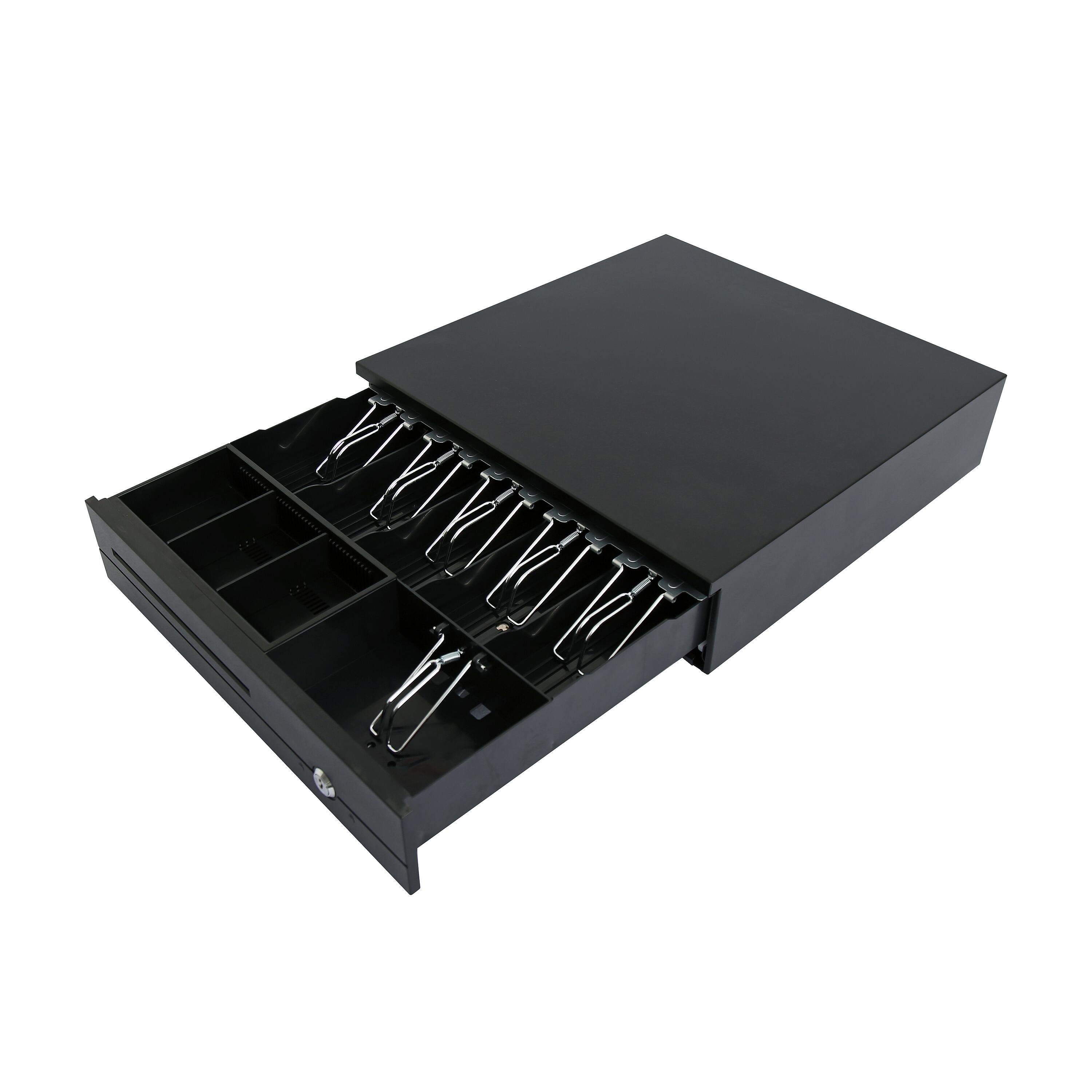
Effective cash drawer security protocols must address multiple vulnerability points while maintaining smooth transaction processing. High-traffic establishments experience increased exposure to both external theft attempts and internal security breaches, making comprehensive security planning indispensable. Understanding the fundamental principles of cash management security enables businesses to develop tailored approaches that protect assets without compromising customer service quality or operational speed.
Essential Security Features for High-Traffic Environments
Electronic Locking Mechanisms
Modern cash drawer security systems rely heavily on sophisticated electronic locking mechanisms that provide superior control over traditional manual locks. These systems integrate seamlessly with point-of-sale software, ensuring drawers only open during authorized transactions or management overrides. Electronic locks offer audit trail capabilities, recording every opening instance with timestamp and user identification data for comprehensive security monitoring.
Advanced electronic locking systems feature multiple security layers, including biometric access controls and encrypted communication protocols. These mechanisms prevent unauthorized access attempts while maintaining rapid response times during legitimate transactions. Integration with existing security infrastructure allows businesses to monitor cash drawer activity alongside other surveillance systems, creating a unified security ecosystem that protects against various threat vectors.
Dual-Key Authorization Systems
Implementing dual-key authorization significantly enhances cash drawer security by requiring two separate individuals to complete high-value transactions or drawer access. This system prevents single-person theft attempts and creates accountability through shared responsibility protocols. Dual-key systems prove particularly effective in high-traffic environments where multiple employees handle transactions simultaneously.
The dual-key approach extends beyond physical keys to include digital authorization codes and biometric verification methods. Managers can configure authorization levels based on transaction amounts, time periods, or specific operational requirements. This flexibility allows businesses to maintain strict security for large cash movements while preserving efficiency for routine transactions, balancing protection with productivity demands.
Staff Training and Access Control Protocols
Comprehensive Training Programs
Establishing comprehensive staff training programs forms the foundation of effective cash drawer security implementation. Training must cover proper handling procedures, security protocols, and recognition of potential theft indicators. Regular refresher sessions ensure employees maintain awareness of evolving security threats and updated procedures, particularly important in high-turnover environments common in retail and hospitality sectors.
Training programs should emphasize the importance of individual accountability and the role each employee plays in maintaining overall security integrity. Practical scenarios and hands-on exercises help staff understand proper procedures under pressure, ensuring security protocols remain effective during peak business periods. Documentation of training completion creates accountability and demonstrates due diligence in security management practices.
Access Level Management
Implementing tiered access levels allows businesses to control cash drawer security based on employee roles and responsibilities. Basic cashiers might access standard transaction functions, while supervisors receive additional capabilities for refunds and corrections. Management-level access includes full audit controls and system configuration options, ensuring appropriate authority distribution throughout the organization.
Regular review and adjustment of access permissions maintains security effectiveness as staff roles evolve or personnel changes occur. Automated systems can track access patterns and flag unusual activity for management review. This proactive monitoring approach helps identify potential security issues before they develop into significant problems, protecting business assets through continuous surveillance.
Technology Integration and Monitoring Systems
Real-Time Surveillance Integration
Integrating cash drawer security with comprehensive surveillance systems provides enhanced monitoring capabilities for high-traffic businesses. Modern systems combine video surveillance with transaction logging, creating detailed records of all cash handling activities. This integration enables immediate response to security incidents and provides valuable evidence for investigating discrepancies or theft allegations.
Advanced surveillance integration includes automatic alerts for unusual activity patterns, such as frequent drawer openings without corresponding transactions or after-hours access attempts. Machine learning algorithms can identify suspicious behaviors and notify security personnel immediately, enabling rapid response to potential threats. This proactive approach significantly reduces the window of opportunity for successful theft attempts.
Automated Audit Trails
Comprehensive audit trail systems automatically record all interactions with cash drawer security systems, creating detailed logs for analysis and accountability. These systems capture transaction data, user identification, timestamps, and associated activities, providing complete visibility into cash handling operations. Regular audit trail analysis helps identify patterns that might indicate security vulnerabilities or training needs.
Automated reporting capabilities generate regular summaries of cash handling activities, highlighting discrepancies or unusual patterns for management attention. These reports support compliance requirements and provide valuable data for optimizing security procedures. Integration with accounting systems ensures cash handling records align with financial reporting, maintaining accuracy across all business functions.
Physical Security Enhancements
Secure Mounting and Installation
Proper installation and mounting of cash drawer security systems requires careful consideration of physical vulnerabilities and access requirements. Secure mounting prevents removal or tampering attempts while maintaining accessibility for legitimate use. Professional installation ensures all security features function correctly and integration with existing systems operates seamlessly.
Reinforced mounting systems include tamper-evident features that alert security personnel to attempted physical breaches. These systems often incorporate backup power supplies to maintain security functions during power outages or electrical system failures. Proper physical security creates multiple barriers that discourage theft attempts and protect valuable assets even during unexpected circumstances.
Environmental Protection Features
High-traffic environments expose cash drawer security systems to various environmental challenges, including dust, moisture, and temperature fluctuations. Robust systems incorporate protective features that maintain functionality under adverse conditions while preserving security integrity. Sealed components and weather-resistant materials ensure reliable operation throughout extended service periods.
Environmental protection extends to fire and water damage prevention, with systems designed to protect cash contents during emergency situations. Fireproof materials and sealed construction provide additional security layers that protect against both intentional threats and accidental damage. These features prove particularly valuable in hospitality environments where kitchen operations or outdoor exposure might compromise standard security measures.
Compliance and Regulatory Considerations
Industry Standards and Requirements
Cash drawer security systems must comply with various industry standards and regulatory requirements, particularly in heavily regulated sectors like hospitality and retail. Understanding applicable standards ensures security implementations meet legal requirements while providing optimal protection. Compliance documentation supports insurance claims and demonstrates due diligence in asset protection efforts.
Regular compliance audits verify that security systems continue meeting evolving standards and regulations. Professional security consultations help businesses navigate complex requirements and implement appropriate measures for their specific operational contexts. Maintaining compliance protects against legal liability while ensuring security systems provide maximum effectiveness in preventing theft and fraud.
Documentation and Record Keeping
Comprehensive documentation of cash drawer security procedures and incidents supports legal compliance and insurance requirements. Detailed records demonstrate systematic approaches to asset protection and provide evidence of due diligence in security management. Regular documentation reviews ensure procedures remain current and effective as business operations evolve.
Electronic record-keeping systems automate much of the documentation process while ensuring accuracy and accessibility. These systems can generate reports for various purposes, including insurance documentation, legal compliance, and internal security analysis. Proper record management protects businesses from liability while supporting continuous improvement in security practices.
Cost-Benefit Analysis and ROI Considerations
Investment Justification
Implementing comprehensive cash drawer security requires significant initial investment, but the long-term benefits far outweigh the costs for most high-traffic businesses. Security systems prevent theft losses that can quickly exceed system costs, particularly in environments with high cash volumes. Additional benefits include reduced insurance premiums, improved employee accountability, and enhanced customer confidence in business operations.
Calculating return on investment includes both direct loss prevention and indirect benefits such as operational efficiency improvements and reduced management oversight requirements. Advanced systems often provide operational insights that help optimize cash handling procedures and reduce processing times. These efficiency gains contribute to overall profitability while enhancing security effectiveness.
Long-Term Value Considerations
Quality cash drawer security systems provide value beyond immediate theft prevention, supporting business growth and operational scalability. Robust systems accommodate increasing transaction volumes and additional locations without requiring complete replacement. Modular designs allow businesses to add features and capabilities as needs evolve, protecting initial investments while ensuring continued effectiveness.
Long-term value includes reduced maintenance costs and extended service life compared to basic security measures. Professional-grade systems typically offer better reliability and lower total cost of ownership through reduced downtime and repair requirements. These factors contribute to overall business profitability while maintaining high security standards throughout extended operational periods.
FAQ
What are the most common cash drawer security vulnerabilities in high-traffic businesses
High-traffic businesses face several key vulnerabilities including inadequate access controls, insufficient surveillance coverage, and poor staff training protocols. Rush periods often create opportunities for both internal and external theft when attention focuses on customer service rather than security procedures. Weak physical mounting systems and outdated locking mechanisms also represent common vulnerability points that thieves can exploit.
How often should cash drawer security systems be updated or maintained
Cash drawer security systems require regular maintenance every six months to ensure optimal performance and security effectiveness. Software updates should be implemented immediately upon release to address security vulnerabilities and add new features. Physical components need annual inspection to verify mounting integrity and mechanical function, with immediate attention to any signs of wear or tampering attempts.
What integration options exist for connecting cash drawer security with existing POS systems
Modern cash drawer security systems offer extensive integration capabilities with most popular POS platforms through standardized communication protocols and APIs. Integration typically includes automatic drawer release during transactions, transaction logging synchronization, and user authentication coordination. Cloud-based systems provide additional integration flexibility, allowing connection with multiple POS systems and remote monitoring capabilities.
How can businesses balance security requirements with operational efficiency during peak periods
Balancing security and efficiency requires implementing tiered authorization levels that maintain protection while minimizing transaction delays. Automated systems can handle routine security functions without staff intervention, while biometric access controls provide rapid authentication for authorized personnel. Pre-configuring security settings for peak periods allows businesses to maintain protection while accommodating increased transaction volumes and faster service requirements.
Table of Contents
- Essential Security Features for High-Traffic Environments
- Staff Training and Access Control Protocols
- Technology Integration and Monitoring Systems
- Physical Security Enhancements
- Compliance and Regulatory Considerations
- Cost-Benefit Analysis and ROI Considerations
-
FAQ
- What are the most common cash drawer security vulnerabilities in high-traffic businesses
- How often should cash drawer security systems be updated or maintained
- What integration options exist for connecting cash drawer security with existing POS systems
- How can businesses balance security requirements with operational efficiency during peak periods