 EN
EN

Choosing the right supermarket shelf is crucial for retail success, as it directly impacts product visibility, customer engagement, and ultimately sales performance. The strategic selection of display fixtures can transform how customers perceive and interact with merchandise, making the difference between a thriving retail operation and one that struggles to capture shopper attention. Modern retailers understand that effective shelf systems serve as silent salespeople, guiding customer behavior and maximizing product exposure throughout the shopping journey.
Understanding Supermarket Shelf Design Fundamentals
Height Optimization for Maximum Reach
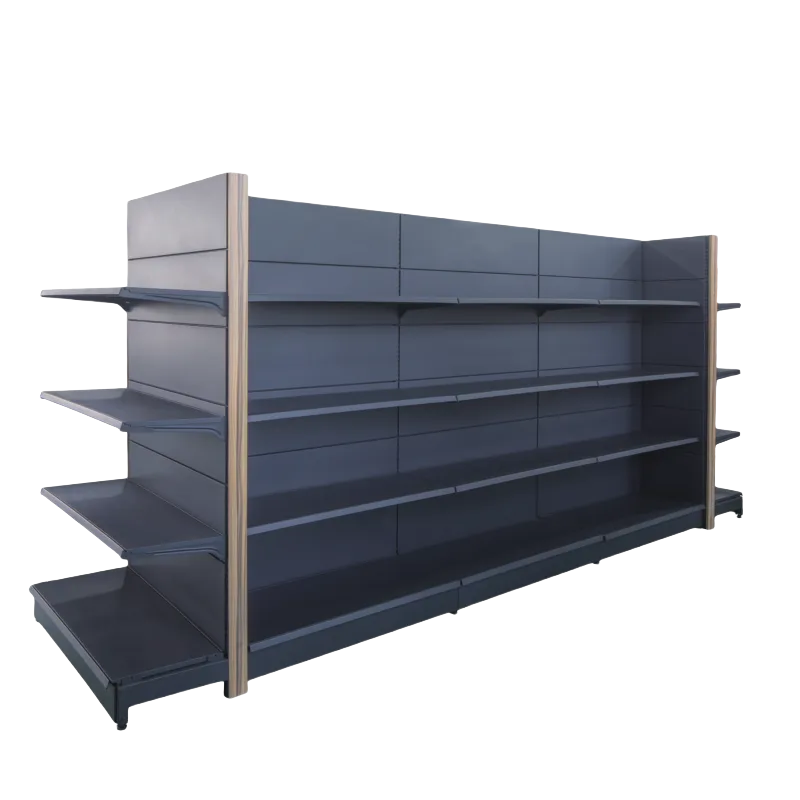
The height configuration of a supermarket shelf significantly influences customer accessibility and product visibility. Research indicates that products positioned at eye level generate substantially higher sales compared to those placed at floor or ceiling levels. Standard supermarket shelf heights typically range from 1.5 to 2.2 meters, with adjustable shelving systems offering flexibility to accommodate various product categories and customer demographics.
Effective height planning considers the average customer reach zone, which extends from approximately 0.9 to 1.8 meters from the floor. Premium products and high-margin items should occupy this prime real estate, while bulk items and promotional merchandise can utilize lower shelves. The top shelves remain ideal for storage or displaying lightweight, non-fragile items that customers can safely retrieve.
Width and Depth Specifications
Proper width and depth measurements ensure optimal product presentation while maintaining efficient store navigation. A well-designed supermarket shelf typically features depths ranging from 30 to 60 centimeters, depending on the product categories it will accommodate. Wider shelves allow for multiple product facings, creating visual impact and ensuring adequate stock levels during peak shopping periods.
The spacing between shelf units must facilitate comfortable customer movement while maximizing floor space utilization. Industry standards recommend aisle widths of at least 1.2 to 1.5 meters for main thoroughfares, with narrower specialty aisles requiring minimum clearances of 0.9 meters. This configuration prevents bottlenecks while allowing shopping carts and customers to navigate freely throughout the store.
Material Selection and Durability Considerations
Steel Construction Benefits
Steel construction represents the gold standard for commercial supermarket shelf systems due to its exceptional durability and load-bearing capacity. High-grade steel shelving can support substantial weight loads while maintaining structural integrity under constant use. The material's resistance to deformation ensures that shelf levels remain perfectly aligned, preventing product sliding and maintaining professional appearance standards.
Modern steel supermarket shelf systems incorporate powder coating finishes that provide superior protection against scratches, corrosion, and wear. These protective coatings come in various colors and textures, allowing retailers to coordinate shelving with their brand aesthetics while ensuring long-term performance in demanding retail environments.
Alternative Material Options
While steel dominates commercial applications, alternative materials offer specific advantages for certain retail scenarios. Aluminum shelving provides lightweight construction with excellent corrosion resistance, making it ideal for refrigerated sections or humid environments. The material's natural properties eliminate concerns about rust formation while offering adequate strength for most grocery applications.
Composite materials and engineered plastics have gained popularity for specialized applications, particularly in organic food sections or environmentally conscious retail concepts. These materials offer chemical resistance, easy cleaning properties, and complete recyclability at end-of-life. However, they typically require more frequent replacement compared to traditional steel systems, making them suitable for specific niche applications rather than general merchandising.
Visibility Enhancement Strategies
Lighting Integration Techniques
Proper lighting integration transforms an ordinary supermarket shelf into a powerful merchandising tool that dramatically improves product visibility. LED strip lighting installed along shelf edges creates even illumination that eliminates shadows and highlights product details. This approach ensures consistent visibility regardless of overhead lighting conditions, making products appear more appealing and easier to locate.
Accent lighting techniques can create focal points that draw customer attention to specific product categories or promotional items. Adjustable spotlights mounted on shelf structures allow store managers to highlight featured merchandise while creating visual variety throughout the shopping environment. The combination of ambient and accent lighting creates a dynamic retail atmosphere that encourages exploration and extends shopping duration.
Color Psychology in Shelf Design
Color selection for supermarket shelf systems plays a crucial role in customer psychology and product perception. Neutral colors such as white, gray, and beige create clean backgrounds that allow product packaging to stand out prominently. These colors also reflect light effectively, contributing to overall brightness and creating a fresh, hygienic appearance that customers associate with quality merchandise.
Strategic use of accent colors can guide customer flow and create department differentiation. For example, warm colors like red or orange can stimulate appetite and work effectively in food sections, while cool blues and greens create calming environments suitable for health and beauty products. The key lies in balancing brand consistency with psychological triggers that enhance the shopping experience.
Configuration Options for Different Product Categories
Fresh Produce Display Solutions
Fresh produce requires specialized supermarket shelf configurations that maintain product quality while maximizing visual appeal. Angled shelving systems allow gravity-fed display of fruits and vegetables, ensuring that customers always encounter the freshest items while older stock rotates naturally. These systems often incorporate refrigeration elements and humidity controls to extend product life and maintain optimal appearance.
Multi-level produce displays create impressive visual presentations that encourage impulse purchases while efficiently utilizing vertical space. Tiered configurations allow customers to view entire product selections at a glance, reducing search time and improving shopping satisfaction. Proper drainage systems and easy-cleaning surfaces ensure that produce areas remain sanitary and attractive throughout operating hours.
Packaged Goods Optimization
Packaged goods represent the majority of supermarket inventory and require flexible shelving solutions that accommodate various package sizes and shapes. Adjustable shelf systems allow retailers to reconfigure displays quickly as product mixes change or seasonal items rotate. This flexibility maximizes space utilization while maintaining optimal product visibility across diverse categories.
Forward-facing mechanisms ensure that products remain properly aligned and visible as inventory depletes. Spring-loaded pushers and gravity-feed systems maintain neat product presentations throughout the day, reducing labor requirements for staff while creating professional appearances that enhance customer confidence in product quality and store management.
Installation and Maintenance Best Practices
Professional Installation Requirements
Proper installation of supermarket shelf systems requires professional expertise to ensure safety, stability, and optimal performance. Certified installers understand load distribution principles, anchoring requirements, and local building codes that govern commercial shelving installations. Professional installation prevents common problems such as uneven loading, inadequate anchoring, and improper spacing that can compromise both safety and functionality.
Site preparation involves careful measurement and layout planning to maximize space utilization while maintaining required clearances for emergency exits and accessibility compliance. Professional installers coordinate with electrical contractors to integrate lighting systems and ensure that all installations meet local regulations and insurance requirements.
Ongoing Maintenance Protocols
Regular maintenance protocols extend the lifespan of supermarket shelf systems while ensuring continued safety and appearance standards. Weekly inspections should identify loose hardware, damaged components, or signs of overloading that could compromise structural integrity. Prompt attention to minor issues prevents major failures and maintains professional store appearances.
Cleaning procedures should address both aesthetic and sanitary requirements, particularly in food retail environments. Regular cleaning schedules using appropriate cleaning agents prevent buildup of dust, grime, and residues that can create unsanitary conditions or detract from product presentation. Well-maintained shelving systems project quality and attention to detail that customers associate with superior merchandise and service.
Cost-Benefit Analysis and ROI Considerations
Initial Investment Evaluation
Evaluating the initial investment in quality supermarket shelf systems requires consideration of both upfront costs and long-term value creation. Premium shelving systems command higher initial prices but deliver superior durability, functionality, and appearance that justify the investment over their operational lifespan. Retailers should calculate the total cost of ownership, including installation, maintenance, and eventual replacement costs when comparing options.
Financing options and phased installation approaches can make premium shelving systems accessible to retailers with budget constraints. Many suppliers offer flexible payment terms or leasing arrangements that allow stores to upgrade their displays while managing cash flow effectively. The improved sales performance and reduced maintenance costs typically offset financing costs within the first year of operation.
Performance Measurement Metrics
Measuring the performance impact of new supermarket shelf installations requires tracking multiple metrics that reflect customer behavior and business outcomes. Sales per square foot measurements reveal how effectively shelf configurations convert floor space into revenue. Comparison of pre- and post-installation performance data quantifies the return on investment and validates shelving decisions.
Customer satisfaction surveys and behavior observation studies provide qualitative feedback about shopping experiences and product accessibility. These insights guide future shelving decisions and identify opportunities for further optimization. Tracking inventory turnover rates and product waste levels also indicates how well shelf systems support operational efficiency and profit margins.
FAQ
What is the optimal height for a standard supermarket shelf
The optimal height for a standard supermarket shelf ranges from 1.5 to 2.2 meters, with the prime product placement zone between 0.9 and 1.8 meters from the floor. This configuration ensures maximum accessibility for the average customer while providing adequate storage capacity. The exact height should consider your customer demographics, with shorter configurations for areas serving elderly customers or children, and standard heights for general merchandising areas.
How much weight can a typical supermarket shelf support
A high-quality steel supermarket shelf can typically support between 150 to 300 kilograms per shelf level, depending on the construction quality and bracket system. The total weight capacity varies based on the number of shelf levels and the distribution of load across the structure. It's essential to follow manufacturer specifications and avoid exceeding recommended weight limits to ensure safety and prevent structural damage that could compromise the entire shelving system.
What maintenance schedule should I follow for supermarket shelving
A comprehensive maintenance schedule should include daily visual inspections, weekly detailed checks, and monthly thorough cleaning procedures. Daily inspections focus on product alignment and immediate safety concerns, while weekly checks examine hardware tightness and structural integrity. Monthly maintenance involves deep cleaning, lubrication of moving parts, and replacement of worn components. This schedule prevents major issues while maintaining professional appearance standards.
How do I calculate the ROI for new supermarket shelf systems
Calculate ROI by comparing sales performance before and after installation, factoring in the total investment cost including purchase, installation, and financing expenses. Measure sales per square foot improvements, inventory turnover increases, and operational cost reductions from improved efficiency. Most quality supermarket shelf systems deliver positive ROI within 12 to 18 months through increased sales performance, reduced maintenance costs, and improved customer satisfaction leading to higher repeat visit rates.