 EN
EN

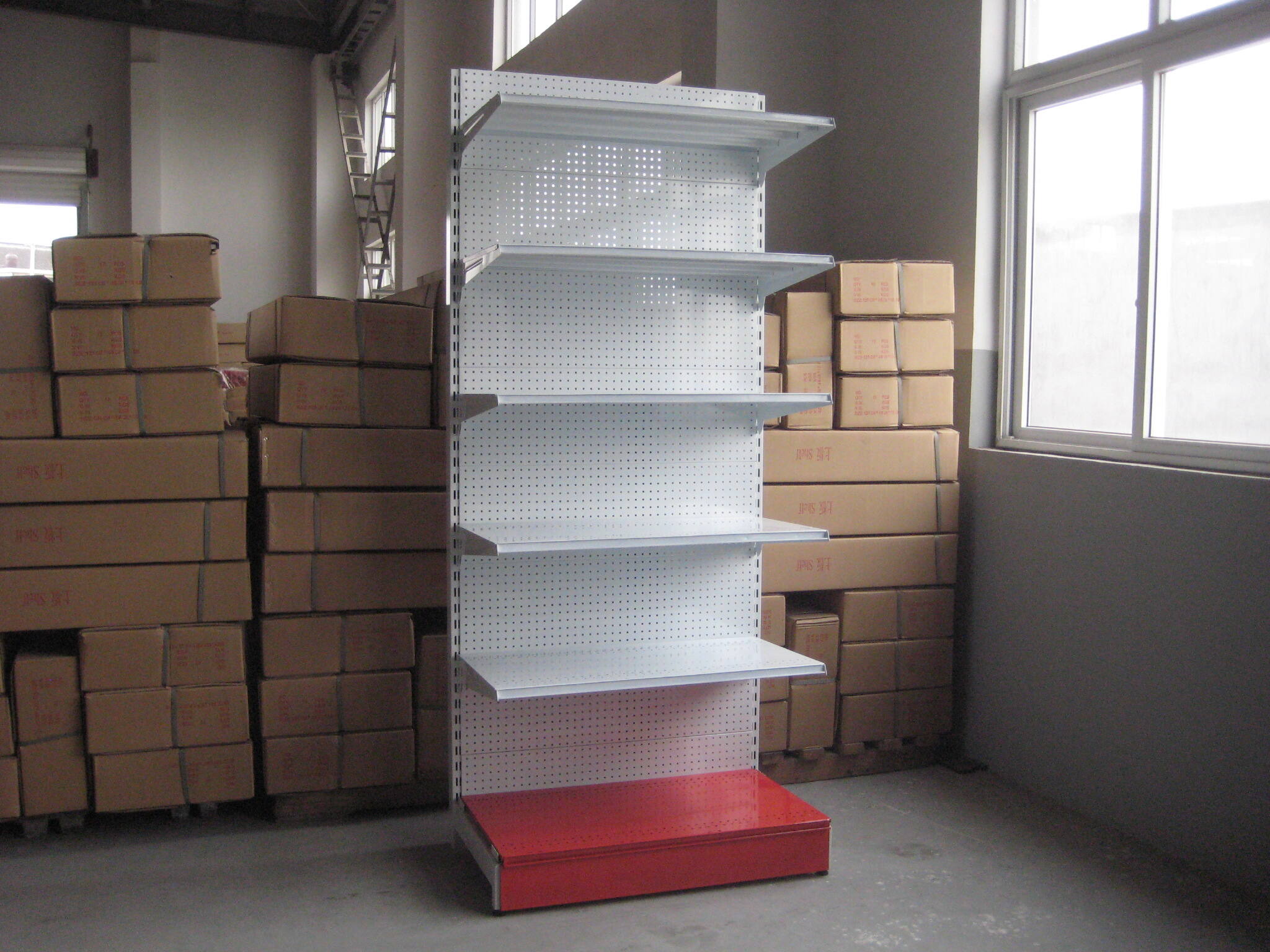
In today's fast-paced retail environment, businesses are constantly seeking equipment that combines functionality with longevity. An ergonomic shopping trolley represents a significant investment in both customer satisfaction and operational efficiency. These specialized shopping carts are designed with human factors engineering principles to reduce strain while providing exceptional durability that withstands the rigors of daily commercial use.
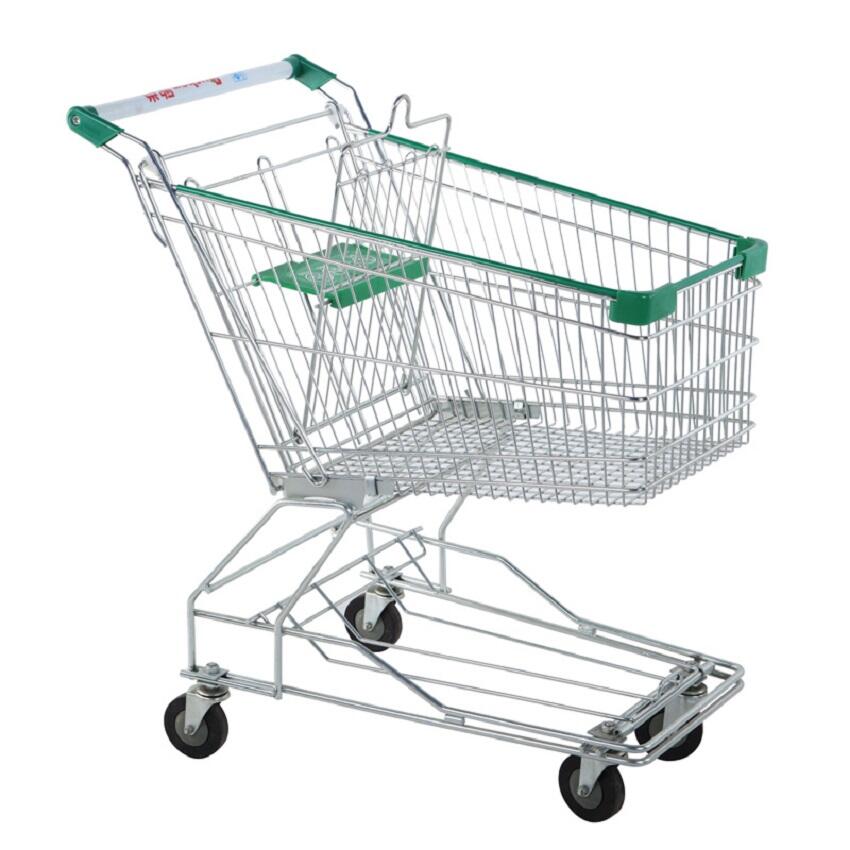
The durability advantages of an ergonomic shopping trolley extend far beyond simple construction quality. These carts incorporate advanced materials and design methodologies that ensure consistent performance throughout their operational lifespan. Understanding these benefits helps retailers make informed decisions about their equipment investments while considering long-term cost implications and customer experience enhancement.
Advanced Material Composition and Construction
High-Grade Steel Framework Integration
The foundation of any durable ergonomic shopping trolley begins with its steel framework composition. Premium models utilize high-tensile strength steel alloys that resist deformation under heavy loads while maintaining structural integrity over thousands of usage cycles. This advanced metallurgy ensures that the cart maintains its ergonomic profile even after extensive use, preventing the gradual deterioration that affects standard shopping carts.
The welding techniques employed in constructing these frameworks follow industrial standards that exceed typical retail equipment requirements. Precision welding creates seamless joints that distribute stress evenly throughout the structure, eliminating weak points that could lead to premature failure. This construction methodology directly contributes to the extended lifespan of an ergonomic shopping trolley while maintaining its user-friendly characteristics.
Corrosion-Resistant Surface Treatments
Surface protection plays a crucial role in the durability equation of an ergonomic shopping trolley. Advanced powder coating systems create a barrier that resists moisture, chemicals, and physical abrasion while maintaining an attractive appearance. These specialized coatings undergo rigorous testing to ensure adhesion and durability under various environmental conditions commonly found in retail settings.
The multi-layer protection system begins with thorough surface preparation, including chemical cleaning and phosphate treatment that promotes coating adhesion. Subsequently, the electrostatic powder application creates a uniform barrier that cures at high temperatures, forming a molecular bond with the underlying metal. This process results in a finish that maintains both aesthetic appeal and functional protection throughout the cart's operational life.
Ergonomic Design Features Enhancing Longevity
Optimized Handle Geometry and Positioning
The handle configuration of an ergonomic shopping trolley represents a critical intersection between user comfort and mechanical durability. Ergonomic handles are positioned at optimal heights and angles that reduce stress concentrations during normal operation. This design approach distributes forces more evenly across the cart structure, minimizing wear patterns that typically develop in conventional shopping carts.
Advanced handle designs incorporate multiple grip positions that accommodate users of varying heights and preferences. This versatility reduces the likelihood of excessive force application in any single direction, thereby extending the mechanical lifespan of the entire cart assembly. The handles themselves feature reinforced mounting points that resist loosening and maintain their ergonomic positioning throughout extended use cycles.
Weight Distribution and Balance Engineering
Proper weight distribution represents a fundamental aspect of ergonomic shopping trolley design that directly impacts durability. Engineers carefully calculate load paths and balance points to ensure that weight is distributed evenly across the cart's framework and wheel assemblies. This engineering approach prevents excessive stress concentration that could lead to premature component failure.
The basket design incorporates strategic reinforcement zones that correspond to typical loading patterns observed in retail environments. These reinforcements strengthen areas that experience higher stress while maintaining the overall ergonomic profile. The result is a cart that handles heavy loads efficiently while preserving its structural integrity over extended periods of operation.
Wheel Assembly and Mobility Systems
High-Performance Caster Technology
The mobility system of an ergonomic shopping trolley significantly influences both user experience and long-term durability. Advanced caster assemblies incorporate precision-engineered bearings that provide smooth operation while resisting contamination from debris commonly found in retail environments. These bearings are often sealed and lubricated for life, eliminating maintenance requirements while ensuring consistent performance.
Wheel materials undergo careful selection to balance durability with noise reduction and floor protection. High-quality polyurethane compounds provide excellent wear resistance while maintaining quiet operation across various flooring surfaces. The tread patterns are engineered to provide optimal traction while resisting the accumulation of debris that could impair mobility over time.
Swivel Mechanism Durability
The swivel mechanisms in an ergonomic shopping trolley must withstand thousands of directional changes while maintaining smooth operation. Premium designs incorporate sealed bearing assemblies that resist contamination and wear. These mechanisms are engineered with generous tolerances that accommodate normal wear while maintaining precise steering control throughout the cart's operational life.
Advanced swivel designs feature hardened steel races and precision-manufactured bearing surfaces that minimize friction and wear. Some models incorporate self-lubricating materials that ensure smooth operation without requiring periodic maintenance. This design philosophy extends the functional lifespan of the mobility system while preserving the ergonomic advantages that make these carts valuable in retail environments.
Maintenance Requirements and Cost Effectiveness
Simplified Maintenance Protocols
The durability benefits of an ergonomic shopping trolley extend to reduced maintenance requirements compared to conventional shopping carts. The superior materials and construction methods minimize the frequency of repairs and component replacements. Routine maintenance typically involves basic cleaning and periodic inspection rather than complex mechanical procedures or frequent part replacements.
Modular design approaches allow for easy replacement of wear components when necessary. This design philosophy enables retailers to maintain their cart fleets efficiently while minimizing downtime and labor costs. The availability of replacement parts and the simplicity of maintenance procedures contribute to the overall cost effectiveness of investing in quality ergonomic shopping trolley systems.
Long-Term Return on Investment
The initial investment in an ergonomic shopping trolley pays dividends through extended operational life and reduced replacement frequency. Quality carts often operate effectively for five to ten years or more, compared to conventional carts that may require replacement every two to three years. This extended lifespan translates to significant cost savings over time, particularly for high-volume retail operations.
Beyond direct cost savings, durable ergonomic shopping trolley systems contribute to enhanced customer satisfaction and reduced liability exposure. Customers appreciate the smooth operation and comfortable handling characteristics, while retailers benefit from reduced maintenance disruptions and improved operational efficiency. These factors combine to create substantial value that justifies the initial investment in quality equipment.
Environmental Considerations and Sustainability
Material Selection and Recyclability
Modern ergonomic shopping trolley designs prioritize environmental sustainability through careful material selection and end-of-life considerations. The steel components are typically manufactured from recycled content and remain fully recyclable when the cart eventually reaches the end of its operational life. This circular approach to material usage aligns with corporate sustainability initiatives while providing practical durability benefits.
Manufacturing processes increasingly incorporate environmentally responsible practices that minimize waste generation and energy consumption. The extended lifespan of an ergonomic shopping trolley reduces the overall environmental impact by decreasing replacement frequency and associated manufacturing demands. This sustainability aspect adds value beyond the immediate functional benefits of improved durability and user comfort.
Energy Efficiency in Production
The production methods used for manufacturing durable ergonomic shopping trolley systems often incorporate energy-efficient processes that reduce the overall environmental footprint. Advanced manufacturing techniques optimize material usage while minimizing waste generation. These production efficiencies contribute to cost competitiveness while supporting environmental stewardship objectives.
Quality control measures ensure that each ergonomic shopping trolley meets durability standards that justify the manufacturing investment. Rigorous testing protocols verify that the products will perform reliably throughout their intended operational life, reducing the likelihood of premature failure that would necessitate replacement manufacturing. This quality focus supports both economic and environmental objectives.
Implementation Considerations for Retail Operations
Fleet Management Strategies
Successful implementation of an ergonomic shopping trolley system requires careful consideration of fleet management strategies that maximize the durability benefits. Proper storage and handling procedures protect the carts from unnecessary wear while maintaining their ergonomic characteristics. Training staff on proper cart handling and maintenance procedures extends operational life while preserving customer experience quality.
Inventory management systems track cart utilization patterns and maintenance requirements, enabling proactive replacement of wear components before they affect performance. This approach maximizes the durability benefits of an ergonomic shopping trolley while maintaining consistent service quality for customers. Regular inspections identify potential issues early, preventing minor problems from developing into major failures.
Integration with Store Design
The durability characteristics of an ergonomic shopping trolley must be considered within the context of overall store design and customer flow patterns. Cart storage areas should be designed to protect the equipment from environmental factors that could accelerate wear or compromise the ergonomic features. Proper storage configurations maintain cart alignment and prevent damage from impacts or improper stacking.
Traffic flow considerations influence cart selection and deployment strategies that optimize both customer experience and equipment longevity. Understanding peak usage patterns and customer behavior helps retailers deploy their ergonomic shopping trolley fleets effectively while minimizing wear from excessive handling or improper use. This strategic approach maximizes the return on investment in quality equipment.
FAQ
How long does a typical ergonomic shopping trolley last in commercial use
A well-constructed ergonomic shopping trolley can operate effectively for five to ten years in typical retail environments, depending on usage patterns and maintenance practices. High-quality models with superior materials and construction may exceed this lifespan significantly, while factors such as proper storage, regular maintenance, and appropriate usage patterns can extend operational life. The investment in quality construction pays dividends through extended service life and reduced replacement costs.
What maintenance is required to preserve the durability of ergonomic shopping trolleys
Routine maintenance for an ergonomic shopping trolley typically involves regular cleaning, periodic wheel inspection, and occasional lubrication of moving parts if not permanently sealed. Visual inspections should check for loose fasteners, damaged components, or excessive wear patterns. Most quality carts require minimal maintenance due to their robust construction and quality materials, making them cost-effective for busy retail operations.
Are ergonomic shopping trolleys more durable than standard shopping carts
Yes, ergonomic shopping trolleys typically demonstrate superior durability compared to standard shopping carts due to their enhanced materials, construction methods, and engineering approaches. The ergonomic design philosophy often incorporates better stress distribution and quality components that resist wear and failure. While the initial investment may be higher, the extended operational life and reduced maintenance requirements provide better long-term value.
What factors most significantly impact the lifespan of an ergonomic shopping trolley
The primary factors affecting ergonomic shopping trolley lifespan include usage intensity, environmental conditions, maintenance practices, and initial build quality. Heavy usage in high-traffic retail environments naturally accelerates wear, while proper storage and handling extend operational life. Environmental factors such as moisture, temperature extremes, and exposure to corrosive substances can impact durability, making quality construction and protective finishes essential for long-term performance.
Table of Contents
- Advanced Material Composition and Construction
- Ergonomic Design Features Enhancing Longevity
- Wheel Assembly and Mobility Systems
- Maintenance Requirements and Cost Effectiveness
- Environmental Considerations and Sustainability
- Implementation Considerations for Retail Operations
-
FAQ
- How long does a typical ergonomic shopping trolley last in commercial use
- What maintenance is required to preserve the durability of ergonomic shopping trolleys
- Are ergonomic shopping trolleys more durable than standard shopping carts
- What factors most significantly impact the lifespan of an ergonomic shopping trolley