 EN
EN

In today's fast-paced retail environment, the checkout counter serves as the final touchpoint between businesses and their customers. This critical piece of retail furniture determines whether shoppers leave with a positive impression or experience frustration during their purchase journey. A well-designed checkout counter not only facilitates smooth transactions but also impacts customer satisfaction, employee efficiency, and overall store operations. Modern retail demands solutions that can handle high-volume traffic while maintaining professional aesthetics and functional reliability.
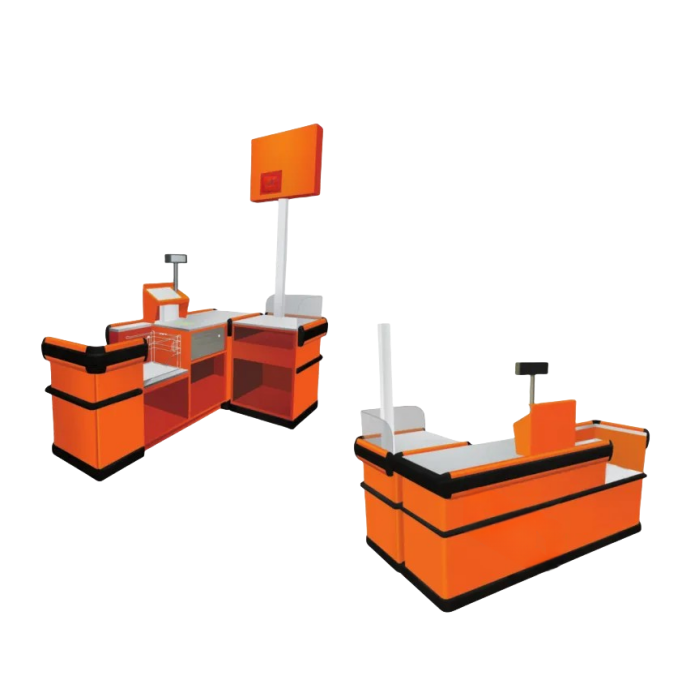
The evolution of retail checkout systems has transformed dramatically over the past decade. Traditional cash registers have given way to sophisticated point-of-sale terminals integrated into ergonomically designed checkout counters. These modern installations accommodate multiple payment methods, inventory management systems, and customer relationship tools all within a streamlined workspace. Retailers who invest in contemporary checkout counter solutions often report significant improvements in transaction speed and customer throughput.
Understanding the strategic importance of checkout infrastructure becomes essential when considering long-term business growth. Every aspect of the checkout counter design influences operational efficiency, from cable management systems to storage compartments for supplies. The integration of technology with furniture design creates an environment where staff can work confidently and customers feel valued throughout their shopping experience.
Design Elements That Enhance Transaction Speed
Ergonomic Workspace Configuration
The physical design of a checkout counter directly impacts how quickly cashiers can process transactions. Proper height adjustment ensures comfortable working positions that reduce fatigue during extended shifts. Counter surfaces positioned at optimal angles allow for natural arm movements when scanning items and handling payment devices. Modern checkout counter designs incorporate curved edges and smooth transitions that guide workflow patterns and minimize unnecessary reaching or stretching.
Storage accessibility plays a crucial role in maintaining transaction momentum. Built-in compartments for bags, receipt paper, and cleaning supplies keep essential items within arm's reach without cluttering the workspace. Well-planned storage solutions prevent cashiers from leaving their stations to retrieve supplies, maintaining consistent service speed even during busy periods. The strategic placement of these storage elements ensures that checkout counter operations remain fluid and uninterrupted.
Technology Integration Capabilities
Contemporary checkout counter designs must accommodate various technological components without compromising functionality. Cable management systems keep power cords, data cables, and network connections organized and protected from damage. These integrated solutions prevent tangling while maintaining clean sightlines that contribute to professional store aesthetics. Proper cable routing also reduces tripping hazards and simplifies maintenance procedures for IT support teams.
Monitor positioning and scanner placement require careful consideration to optimize cashier efficiency. Adjustable mounting systems allow retailers to customize screen angles and heights based on staff preferences and ergonomic requirements. The checkout counter framework must support these technological components while providing stability and vibration dampening that ensures accurate scanning and display visibility under all operating conditions.
Customer Experience Optimization Through Counter Design
Queue Management and Flow Dynamics
The physical layout surrounding a checkout counter influences customer movement patterns and perceived wait times. Strategic positioning creates natural queue formations that feel organized rather than chaotic. Counter design elements such as built-in dividers or rope guides help establish clear boundaries while maintaining an open, welcoming atmosphere. These features reduce customer confusion and prevent line jumping situations that can create tension during peak shopping periods.
Visibility factors significantly impact customer comfort levels while waiting in checkout lines. Open counter designs allow customers to observe transaction progress and estimate their wait times more accurately. This transparency reduces anxiety and creates realistic expectations about service speed. Additionally, clear sightlines enable customers to identify the shortest lines and make informed decisions about which checkout counter to approach.
Accessibility and Universal Design Principles
Modern retail environments must accommodate customers with varying physical abilities and mobility requirements. Checkout counter designs that incorporate adjustable height sections ensure comfortable interactions for wheelchair users and individuals of different statures. These adaptive features demonstrate inclusivity while complying with accessibility regulations that protect both businesses and customers.
Clear approach zones and maneuvering space around checkout counters facilitate smooth customer flow regardless of mobility aids or shopping cart sizes. Thoughtful planning prevents bottlenecks and ensures that all customers can complete their purchases with dignity and independence. Universal design principles benefit everyone by creating more spacious, organized, and user-friendly checkout environments.
Operational Efficiency and Staff Performance Benefits
Workflow Optimization Features
Efficient checkout counter design reduces the physical demands placed on retail staff during repetitive tasks. Strategic placement of scanning equipment, bagging areas, and payment terminals minimizes unnecessary movements that can lead to fatigue and repetitive strain injuries. Ergonomic considerations extend beyond basic comfort to impact long-term employee health and job satisfaction levels.
Multi-functional work surfaces accommodate various transaction types without requiring significant setup changes. Checkout counter configurations that support both traditional scanning and mobile payment processing enable staff to adapt quickly to customer preferences. This flexibility reduces training requirements while ensuring consistent service quality regardless of payment methods or transaction complexity.
Inventory and Supply Management Integration
Smart storage solutions built into checkout counter designs streamline supply replenishment and inventory tracking procedures. Designated compartments for different bag sizes, receipt rolls, and cleaning materials help staff maintain organized work environments. Quick-access features reduce time spent searching for supplies during customer interactions, maintaining transaction momentum even when restocking becomes necessary.
Security considerations for cash handling and valuable inventory items require integrated locking mechanisms and surveillance accommodations. Modern checkout counter designs incorporate these security features without creating obvious focal points that might make customers uncomfortable. Discrete but effective security measures protect both staff and business assets while maintaining the welcoming atmosphere essential for positive customer experiences.
Technology Compatibility and Future-Proofing
Point-of-Sale System Integration
The rapid evolution of retail technology requires checkout counter designs that can adapt to changing system requirements. Modular construction approaches allow retailers to upgrade individual components without replacing entire checkout installations. This adaptability protects technology investments while enabling businesses to incorporate new features as they become available in the marketplace.
Power and data infrastructure within checkout counter designs must support current systems while accommodating future expansion needs. Adequate electrical capacity and network connectivity options ensure that new payment processing methods, inventory systems, and customer engagement tools can be integrated seamlessly. Forward-thinking checkout counter installations reduce long-term upgrade costs and minimize business disruption during technology transitions.
Mobile and Contactless Payment Accommodation
Consumer preferences increasingly favor contactless payment methods that require specific technological accommodations within checkout counter designs. Near-field communication readers, QR code scanning capabilities, and mobile device charging stations must be positioned for easy customer access while remaining secure from theft or damage. These payment technologies demand checkout counter configurations that balance convenience with security considerations.
Integration of customer-facing displays and signature capture devices requires careful planning to ensure optimal positioning and functionality. Modern checkout counter designs accommodate these interactive elements while maintaining clean aesthetics and intuitive user interfaces. The physical placement of these components affects transaction speed and customer satisfaction levels throughout the purchase process.
Space Utilization and Store Layout Considerations
Footprint Optimization Strategies
Retail floor space represents valuable real estate that must be utilized efficiently to maximize profitability. Compact checkout counter designs that maintain full functionality allow retailers to accommodate more checkout lanes within limited square footage. Strategic space allocation balances customer convenience with operational requirements while preserving areas for merchandise display and customer circulation.
Vertical storage solutions within checkout counter designs maximize utility without increasing floor space requirements. Multi-level compartments and overhead storage options keep supplies organized and accessible while maintaining clean counter surfaces for transaction processing. These space-efficient features become particularly valuable in urban retail locations where square footage costs significantly impact profitability margins.
Traffic Flow and Store Navigation
Checkout counter placement influences overall store traffic patterns and shopping behavior. Strategic positioning near store exits facilitates natural customer flow while preventing congestion in merchandise areas. Well-planned checkout locations encourage impulse purchases through strategic product placement while maintaining efficient egress during peak shopping periods.
Sight lines from checkout counter positions enable staff to monitor store activities and provide customer assistance when needed. These visibility factors contribute to loss prevention efforts while creating opportunities for proactive customer service. Checkout counter designs that support these operational requirements help retailers maintain security and service standards simultaneously.
Material Selection and Durability Factors
High-Traffic Performance Requirements
Retail checkout counter installations must withstand constant use under demanding conditions. Material selection directly impacts longevity, maintenance requirements, and total cost of ownership over time. Commercial-grade surfaces resist scratching, staining, and wear patterns that develop through repeated customer interactions and daily cleaning procedures.
Structural integrity becomes critical when checkout counter designs support heavy equipment loads including registers, monitors, and scanner systems. Engineering specifications must account for dynamic loads, vibration dampening, and thermal expansion factors that affect long-term stability. Quality construction materials and assembly methods ensure reliable performance throughout extended service lifecycles.
Maintenance and Cleaning Considerations
Hygiene requirements in retail environments demand checkout counter surfaces that facilitate thorough cleaning and sanitization procedures. Non-porous materials resist bacterial growth while allowing for effective disinfection protocols. Smooth surfaces and rounded edges eliminate areas where dirt and debris can accumulate, simplifying maintenance routines and reducing labor costs associated with deep cleaning procedures.
Chemical resistance becomes important when considering cleaning products and sanitizers commonly used in retail environments. Checkout counter materials must maintain their appearance and structural properties despite regular exposure to various cleaning agents. Fade resistance and chemical stability ensure that checkout installations retain professional appearances throughout their operational lifecycles.
Return on Investment and Business Impact
Customer Throughput Improvements
Investing in modern checkout counter solutions typically results in measurable improvements to customer processing speed and overall throughput capacity. Reduced transaction times translate directly to increased sales opportunities during peak periods when customer traffic exceeds normal capacity. These efficiency gains compound over time to generate substantial revenue increases that justify initial equipment investments.
Customer satisfaction scores often improve when checkout processes become faster and more streamlined. Positive shopping experiences encourage repeat visits and word-of-mouth recommendations that drive long-term business growth. The checkout counter serves as a final impression point that significantly influences customer loyalty and brand perception factors.
Staff Productivity and Retention Benefits
Ergonomic checkout counter designs reduce employee fatigue and job-related stress that contribute to turnover rates in retail environments. Comfortable working conditions improve staff morale and productivity while reducing recruitment and training costs associated with frequent personnel changes. These human resource benefits often exceed direct operational savings generated through improved efficiency.
Training requirements decrease when checkout counter designs incorporate intuitive layouts and user-friendly features. New employees can become productive more quickly when workspace organization follows logical patterns and common-sense arrangements. Simplified training procedures reduce labor costs while ensuring consistent service quality across all checkout positions.
FAQ
What features should I look for in a modern checkout counter
Modern checkout counter designs should include ergonomic work surfaces, integrated cable management, ample storage compartments, and technology accommodation features. Look for adjustable height options, durable commercial-grade materials, and modular construction that allows for future upgrades. Security features, accessibility compliance, and easy maintenance access are also essential considerations for long-term success.
How does checkout counter design impact customer satisfaction
Well-designed checkout counters create smoother transaction flows that reduce wait times and eliminate frustration points during the purchase process. Clear sight lines, organized queuing areas, and professional aesthetics contribute to positive customer perceptions. Accessibility features ensure all customers can complete purchases comfortably, while efficient layouts minimize delays that might otherwise create negative experiences.
What is the typical lifespan of a commercial checkout counter
Quality commercial checkout counter installations typically provide 10-15 years of reliable service when properly maintained. Lifespan depends on material quality, usage intensity, and maintenance practices. Regular cleaning, proper equipment handling, and periodic component updates can extend operational life significantly. Investing in durable construction materials and professional installation maximizes long-term value and minimizes replacement frequency.
How do I calculate the ROI of upgrading checkout counter equipment
ROI calculations should include transaction speed improvements, customer throughput increases, staff productivity gains, and maintenance cost reductions. Factor in reduced training time, improved employee retention, and enhanced customer satisfaction scores that drive repeat business. Consider energy efficiency improvements and technology integration capabilities that provide ongoing operational benefits. Most retailers see positive returns within 2-3 years through improved efficiency and customer experience enhancements.
Table of Contents
- Design Elements That Enhance Transaction Speed
- Customer Experience Optimization Through Counter Design
- Operational Efficiency and Staff Performance Benefits
- Technology Compatibility and Future-Proofing
- Space Utilization and Store Layout Considerations
- Material Selection and Durability Factors
- Return on Investment and Business Impact
- FAQ