 EN
EN

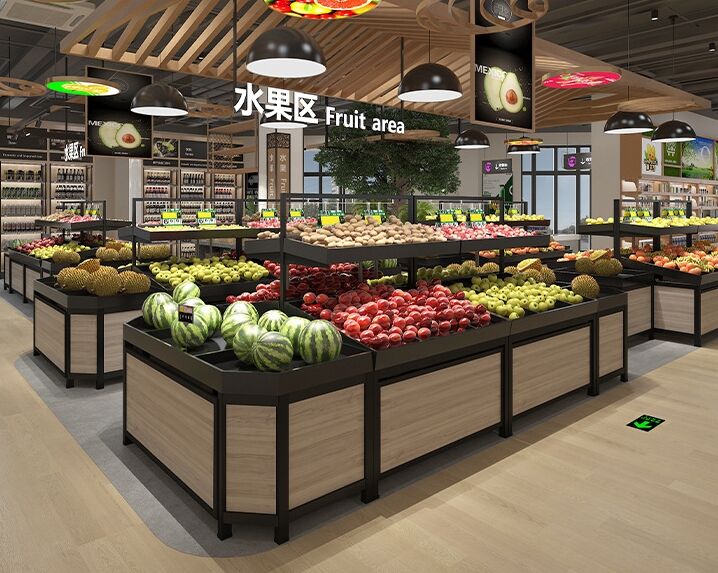
The strategic design and placement of retail fixtures can significantly impact customer purchasing decisions, with the supermarket shelf serving as a critical touchpoint between consumers and products. Modern retail environments rely heavily on visual merchandising techniques that guide shoppers through carefully orchestrated experiences. Understanding how well-designed shelving systems influence consumer behavior has become essential for retailers seeking to optimize their sales performance and enhance customer satisfaction.
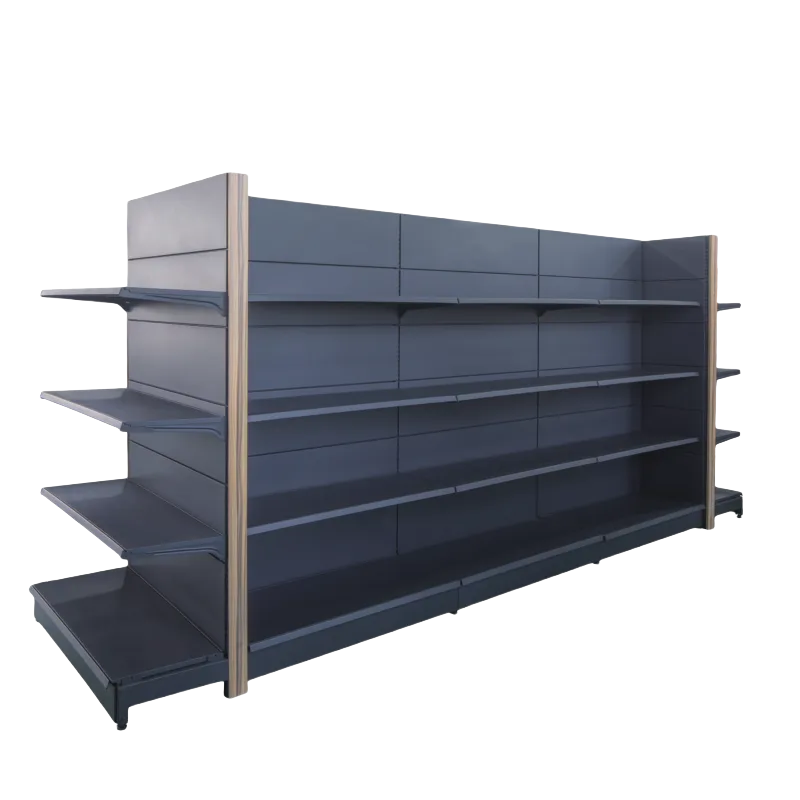
Psychology of Retail Shelf Design
Visual Impact and First Impressions
The visual appeal of a supermarket shelf creates an immediate psychological response in consumers, often determining whether they will engage with displayed products or continue walking. Research in environmental psychology demonstrates that clean, well-organized shelving systems reduce cognitive load and create a more pleasant shopping experience. When shoppers encounter an aesthetically pleasing supermarket shelf, their stress levels decrease, allowing for more thoughtful purchasing decisions rather than hurried selections.
Color coordination and lighting play crucial roles in how consumers perceive product quality and value on retail shelving units. Warm lighting tends to make food products appear fresher and more appetizing, while cooler lighting can enhance the perception of cleanliness and professionalism. The supermarket shelf design must balance these elements to create an environment that encourages exploration while maintaining clear product visibility throughout the store layout.
Cognitive Processing and Decision Making
Consumer behavior studies reveal that shoppers make approximately 70% of their purchasing decisions at the point of sale, making the supermarket shelf a critical influence zone. The human brain processes visual information within milliseconds, so the organization and presentation of products on shelving systems can either facilitate or hinder the decision-making process. Well-designed retail fixtures reduce the mental effort required to locate and evaluate products, leading to increased customer satisfaction and higher conversion rates.
The concept of choice architecture becomes particularly relevant when analyzing how supermarket shelf design affects consumer behavior. Strategic product placement at eye level, logical category groupings, and clear price displays all contribute to more efficient shopping experiences. When retailers invest in high-quality shelving solutions that prioritize user experience, they often observe measurable improvements in both sales velocity and customer retention metrics.
Strategic Product Placement Techniques
Eye-Level Merchandising Principles
The positioning of products on a supermarket shelf follows well-established merchandising principles that capitalize on natural human scanning patterns and visual preferences. Eye-level placement, often referred to as the bull's eye zone, represents the most valuable real estate on any retail shelving system. Products positioned at this height receive significantly more attention and generate higher sales volumes compared to items placed on lower or higher shelf levels.
Premium products and high-margin items benefit most from eye-level positioning on supermarket shelf units, as consumers tend to associate central placement with quality and popularity. This psychological phenomenon, known as the center-stage effect, demonstrates how physical positioning influences perceived value and desirability. Retailers who understand these principles can optimize their shelving layouts to maximize revenue while simultaneously improving customer satisfaction through easier product discovery.
Cross-Merchandising Opportunities
Effective supermarket shelf design facilitates cross-merchandising strategies that encourage customers to purchase complementary products during their shopping journey. By strategically grouping related items on adjacent shelving units, retailers can increase average transaction values while providing added convenience to shoppers. This approach requires careful consideration of product relationships and consumer usage patterns to create logical and appealing product combinations.
The implementation of cross-merchandising techniques through thoughtful supermarket shelf arrangements can significantly impact impulse purchasing behavior. When shoppers encounter logically grouped products that solve related needs, they are more likely to make unplanned purchases that enhance their overall shopping experience. Successful retailers invest in flexible shelving systems that allow for easy reconfiguration as seasonal trends and promotional strategies evolve throughout the year.
Technology Integration in Modern Shelving
Digital Price Display Systems
Contemporary supermarket shelf designs increasingly incorporate digital technologies that enhance both operational efficiency and customer experience. Electronic shelf labels and digital price displays eliminate the need for manual price updates while reducing pricing errors that can negatively impact consumer trust. These technological integrations allow retailers to implement dynamic pricing strategies and real-time promotional campaigns that respond quickly to market conditions and inventory levels.
Smart shelving systems equipped with sensors and connectivity features provide valuable data about customer interaction patterns and product performance. This information enables retailers to optimize their supermarket shelf layouts based on actual consumer behavior rather than assumptions or outdated merchandising practices. The data collected from these systems can reveal insights about dwell time, product handling frequency, and conversion rates that inform future design decisions.
Interactive Customer Engagement
Advanced supermarket shelf designs now incorporate interactive elements that provide customers with additional product information, reviews, and recommendations at the point of purchase. QR codes, NFC tags, and integrated displays can connect shoppers to digital content that enhances their understanding of products and builds confidence in their purchasing decisions. These technologies bridge the gap between online and offline shopping experiences, creating omnichannel touchpoints that modern consumers expect.
The integration of mobile technology with physical supermarket shelf displays creates opportunities for personalized shopping experiences that adapt to individual customer preferences and purchase history. Retailers can leverage these capabilities to provide targeted promotions, product suggestions, and educational content that adds value to the shopping experience while driving sales performance across their retail locations.
Design Elements That Drive Sales
Color Psychology and Visual Hierarchy
The color scheme and visual design of a supermarket shelf system can profoundly influence consumer emotions and purchasing behavior. Warm colors like red and orange tend to create feelings of urgency and excitement, making them effective for promotional displays and impulse purchase zones. Cool colors such as blue and green convey trust and reliability, making them suitable for everyday essentials and health-focused product categories on retail shelving units.
Visual hierarchy principles guide customers through product selections by using contrast, spacing, and typography to highlight important information and create clear navigation paths. A well-designed supermarket shelf incorporates these elements to reduce cognitive burden on shoppers while directing attention to key products and promotional messages that drive sales performance.
Lighting and Ambiance Considerations
Proper lighting design for supermarket shelf installations goes beyond basic visibility requirements to create atmospheric conditions that enhance product appeal and customer comfort. LED lighting systems offer precise color temperature control that can make fresh produce appear more vibrant, packaged goods look more premium, and create overall ambiance that encourages longer shopping sessions and increased purchase volumes.
The interplay between natural and artificial lighting sources requires careful consideration in supermarket shelf planning to maintain consistent product presentation throughout different times of day and seasons. Energy-efficient lighting solutions not only reduce operational costs but also contribute to sustainability goals while maintaining the high-quality illumination necessary for effective retail merchandising and positive customer experiences.
Measuring Consumer Response
Analytics and Performance Metrics
Retailers utilize sophisticated analytics tools to measure the effectiveness of their supermarket shelf designs and their impact on consumer behavior patterns. Key performance indicators include sales per linear foot, conversion rates, dwell time, and customer satisfaction scores that provide quantifiable insights into shelving performance. These metrics enable data-driven optimization of retail layouts and inform future investment decisions in shelving infrastructure and design modifications.
Heat mapping technology and customer tracking systems reveal how shoppers navigate around supermarket shelf displays, identifying high-traffic zones and areas that may require redesign or repositioning. This behavioral data helps retailers understand which design elements most effectively capture attention and drive engagement, leading to more informed decisions about shelving investments and layout modifications that maximize return on investment.
Customer Feedback Integration
Direct customer feedback collection through surveys, focus groups, and digital platforms provides qualitative insights that complement quantitative performance data from supermarket shelf analytics. Understanding customer preferences, pain points, and suggestions helps retailers refine their shelving strategies to better meet shopper expectations and improve overall satisfaction levels across their retail locations and product categories.
The continuous improvement process for supermarket shelf design relies on regular feedback cycles that incorporate both customer input and performance metrics to guide design evolution. Retailers who actively seek and respond to customer feedback about their shelving experiences often achieve higher levels of customer loyalty and sustained sales growth compared to those who rely solely on traditional merchandising approaches.
FAQ
How does shelf height affect product sales performance
Product placement height on a supermarket shelf significantly impacts sales performance, with eye-level positioning typically generating 35-40% higher sales compared to lower shelf positions. The optimal height range of 48-60 inches accommodates most adult shoppers' comfortable viewing angles and reduces physical effort required to examine products. Strategic height placement based on target demographics and product categories can maximize revenue while improving customer shopping experiences.
What role does shelf lighting play in consumer purchasing decisions
Proper lighting on supermarket shelf displays enhances product visibility, color accuracy, and perceived quality, directly influencing consumer purchasing decisions. Studies show that well-lit shelving areas experience up to 25% higher sales volumes compared to poorly illuminated sections. LED lighting systems with adjustable color temperatures allow retailers to optimize product presentation for different categories while maintaining energy efficiency and operational cost control.
Can shelf organization patterns influence shopping behavior
Logical organization patterns on supermarket shelf systems significantly reduce shopping stress and increase customer satisfaction, leading to higher conversion rates and larger average transaction values. Categorical groupings, alphabetical arrangements, and price-based organization all serve different strategic purposes depending on store format and customer demographics. Consistent organization patterns across multiple supermarket shelf sections help customers develop familiarity and confidence in their shopping experiences.
How often should supermarket shelf layouts be updated
Successful retailers typically refresh their supermarket shelf layouts every 3-6 months to maintain customer interest and accommodate seasonal product changes, promotional campaigns, and new product introductions. Minor adjustments based on sales performance data and customer feedback should occur more frequently, while major layout overhauls require careful planning and analysis to minimize disruption to established shopping patterns and customer navigation habits.