 EN
EN

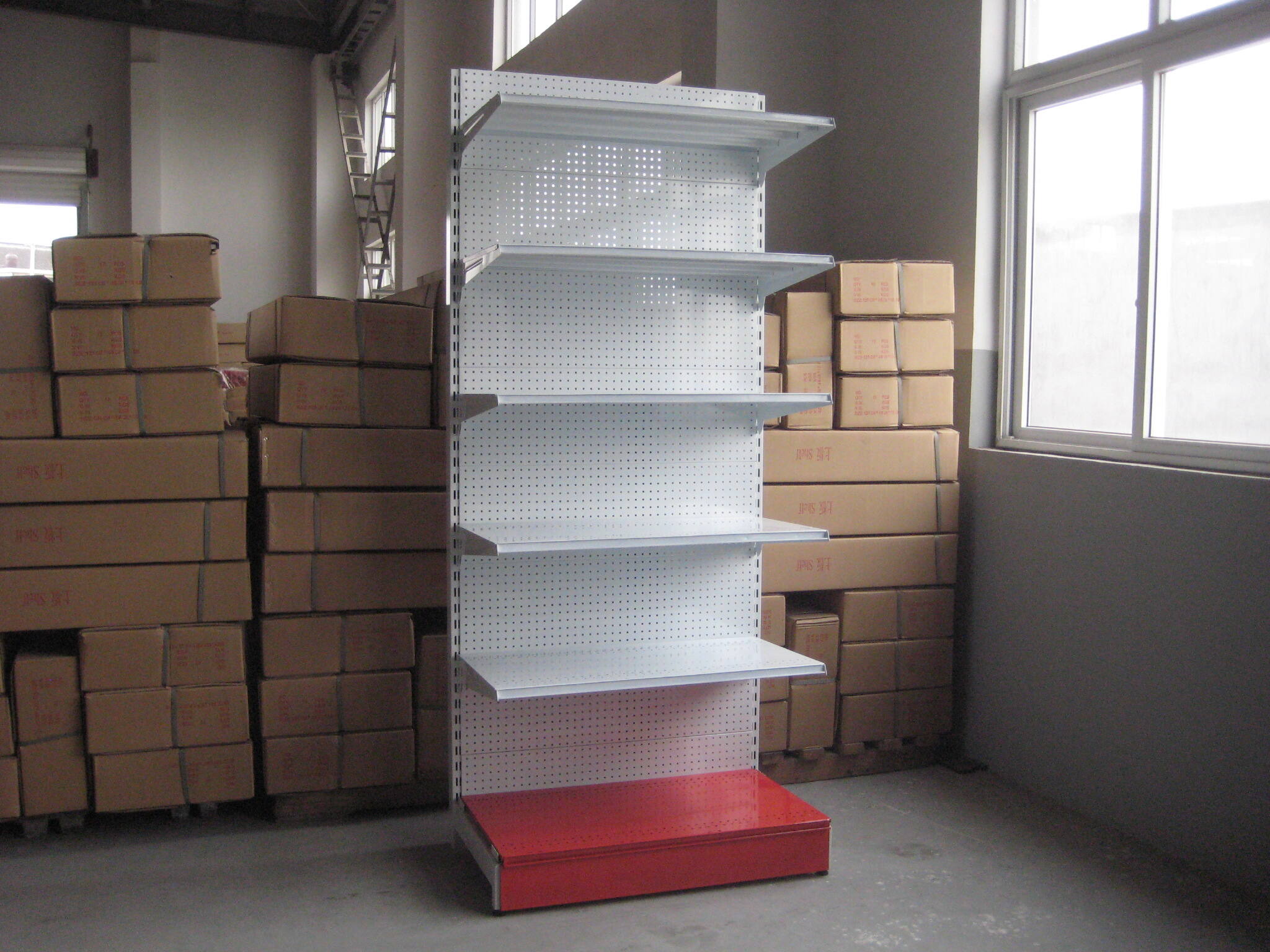
Large retailers face unprecedented challenges in managing inventory volumes that continue to grow exponentially with the rise of e-commerce and consumer demand. These businesses recognize that investing in robust storage infrastructure is not merely an operational choice but a strategic necessity that directly impacts their bottom line. The implementation of sophisticated warehouse storage systems has become a cornerstone of modern retail operations, enabling companies to optimize space utilization while maintaining rapid order fulfillment capabilities. When retailers evaluate their storage needs, they consistently prioritize solutions that offer maximum capacity, durability, and adaptability to changing inventory requirements.
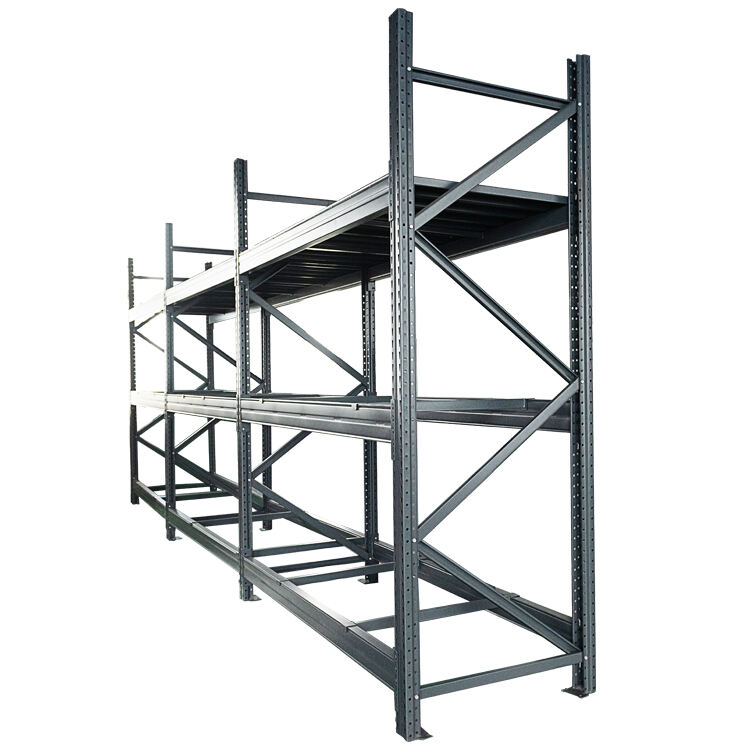
Economic Advantages of High-Capacity Storage Infrastructure
Return on Investment Optimization
The financial benefits of implementing a heavy-duty warehouse rack system extend far beyond initial installation costs. Large retailers typically experience significant reductions in operational expenses through improved space efficiency, with many facilities achieving up to 40% more storage capacity within existing footprints. This enhanced utilization translates directly into reduced real estate costs per unit stored, making warehouse operations substantially more cost-effective. The durability of professional-grade racking systems also ensures long-term value, with quality installations often lasting decades with minimal maintenance requirements.
Furthermore, the improved organization capabilities provided by structured storage systems reduce labor costs associated with inventory management. Workers can locate and retrieve products more efficiently, reducing the time required for picking operations and minimizing errors that lead to costly returns or customer dissatisfaction. The systematic approach to storage also enables better inventory tracking, reducing losses from misplaced or damaged goods that commonly occur in less organized storage environments.
Scalability and Future-Proofing Benefits
Modern heavy-duty warehouse rack configurations offer unparalleled flexibility for growing businesses, allowing retailers to adapt their storage capacity without requiring complete facility overhauls. The modular nature of professional racking systems enables incremental expansion as inventory volumes increase, providing a cost-effective solution for businesses experiencing rapid growth. This adaptability becomes particularly valuable during seasonal fluctuations when retailers need to accommodate varying inventory levels throughout the year.
The investment in high-capacity storage infrastructure also positions retailers to capitalize on emerging market opportunities without being constrained by storage limitations. Companies with robust warehouse capabilities can expand their product lines, enter new markets, or accommodate larger wholesale orders without the delays and costs associated with facility expansion or relocation. This operational flexibility provides a significant competitive advantage in rapidly evolving retail environments.
Operational Efficiency and Safety Considerations
Enhanced Workflow Optimization
The implementation of structured storage systems revolutionizes warehouse workflows by creating clearly defined pathways and storage zones that streamline operations. A well-designed heavy-duty warehouse rack system facilitates the development of efficient picking routes, reducing the distance workers must travel to fulfill orders and significantly improving productivity metrics. The vertical storage capabilities of professional racking systems also enable retailers to maintain larger inventories within accessible reach, reducing the frequency of restocking operations.
Advanced racking configurations support the integration of automated systems and technology solutions that further enhance operational efficiency. Many retailers leverage barcode scanning, RFID tracking, and warehouse management software that work seamlessly with organized storage structures to provide real-time inventory visibility and automated reorder capabilities. These technological integrations become significantly more effective when supported by properly designed storage infrastructure.
Safety Standards and Compliance
Professional-grade warehouse racking systems are engineered to meet stringent safety standards that protect both workers and inventory from potential hazards. The structural integrity of quality racking systems prevents catastrophic failures that could result in serious injuries or significant product losses, making safety compliance a critical factor in retailer investment decisions. Regular safety inspections and compliance with OSHA regulations become more manageable when facilities utilize properly installed and certified storage systems.
The organized nature of systematic storage also reduces common warehouse accidents by eliminating unstable stacking practices and creating clear traffic patterns for equipment operation. Workers operating forklifts and other material handling equipment can navigate more safely through well-planned storage areas, reducing the risk of collisions and product damage. This improved safety environment leads to lower insurance costs and reduced liability exposure for retail operations.
Technology Integration and Modern Warehouse Management
Automation Compatibility
Contemporary retail operations increasingly rely on automated systems to maintain competitive advantage, and heavy-duty warehouse rack infrastructure provides the foundation necessary for successful automation implementation. Robotic picking systems, automated storage and retrieval solutions, and conveyor networks all require precisely engineered storage structures that can support both the physical demands of automation equipment and the operational requirements of high-speed fulfillment processes.
The standardization provided by professional racking systems creates consistent dimensions and access points that enable automated equipment to operate reliably across entire facilities. This consistency becomes crucial for retailers implementing artificial intelligence and machine learning solutions that optimize warehouse operations through predictive analytics and dynamic inventory positioning strategies.
Data Management and Analytics Integration
Modern storage systems facilitate comprehensive data collection that enables retailers to make informed decisions about inventory management, space allocation, and operational efficiency improvements. The organized structure of a heavy-duty warehouse rack system supports the implementation of sensors, tracking devices, and monitoring equipment that provide valuable insights into warehouse performance metrics. This data-driven approach enables continuous optimization of storage strategies and workflow processes.
The integration capabilities of professional storage systems also support advanced analytics platforms that help retailers identify trends in product movement, optimize storage locations based on picking frequency, and predict maintenance requirements before equipment failures occur. These predictive capabilities significantly reduce operational disruptions and maintenance costs while improving overall facility performance.
Competitive Market Position and Customer Service Enhancement
Fulfillment Speed and Accuracy
The ability to process and ship orders quickly has become a fundamental requirement for retail success, particularly in the e-commerce environment where customers expect rapid delivery times. Heavy-duty warehouse rack systems enable retailers to organize inventory in ways that minimize picking times and reduce order fulfillment errors. The systematic approach to storage allows workers to develop familiarity with product locations, improving both speed and accuracy in order processing operations.
The enhanced organization capabilities also support batch picking strategies and zone picking methodologies that can dramatically improve throughput in high-volume operations. Retailers can process multiple orders simultaneously while maintaining accuracy levels that meet customer expectations and reduce costly return processing. This operational excellence directly translates into improved customer satisfaction and increased repeat business rates.
Inventory Management and Stock Availability
Effective inventory management requires visibility into stock levels, product locations, and movement patterns that are only possible with properly organized storage systems. A heavy-duty warehouse rack configuration enables retailers to implement sophisticated inventory tracking methods that provide real-time information about product availability and location within facilities. This visibility prevents stockouts, reduces overstock situations, and enables more accurate demand forecasting.
The improved inventory control capabilities also enable retailers to offer expanded product selections without proportionally increasing storage costs. By maximizing space efficiency and improving accessibility, professional storage systems allow businesses to carry broader inventories that meet diverse customer demands while maintaining efficient operations. This expanded capability often leads to increased sales opportunities and improved customer retention rates.
Long-Term Strategic Advantages
Market Adaptability and Growth Accommodation
Retail markets continue to evolve rapidly, requiring businesses to maintain operational flexibility that enables quick adaptation to changing consumer preferences and market conditions. Heavy-duty warehouse rack systems provide the structural foundation necessary for retailers to modify their operations without requiring complete facility redesigns. The modular nature of professional storage solutions enables businesses to reconfigure storage areas, adjust capacity allocations, and accommodate new product categories as market demands change.
This adaptability becomes particularly valuable for retailers pursuing omnichannel strategies that require different storage and fulfillment approaches for various sales channels. The same infrastructure that supports traditional retail operations can be optimized for e-commerce fulfillment, wholesale distribution, or specialized handling requirements as business models evolve. This versatility provides significant value for retailers navigating uncertain market conditions.
Sustainability and Environmental Impact
Modern retailers increasingly prioritize sustainability initiatives that reduce environmental impact while maintaining operational efficiency. Heavy-duty warehouse rack systems contribute to these goals by maximizing space utilization, reducing the need for facility expansion, and minimizing the environmental footprint of storage operations. The durability of quality racking systems also reduces waste associated with frequent equipment replacement and reduces the environmental costs associated with manufacturing new storage solutions.
The operational efficiencies provided by organized storage systems also contribute to reduced energy consumption through optimized lighting, heating, and cooling requirements. Efficient warehouse layouts reduce the time equipment operates, lowering fuel consumption and emissions associated with material handling operations. These environmental benefits align with corporate sustainability goals while providing operational cost savings.
FAQ
What factors determine the appropriate capacity for retail warehouse racking systems
The appropriate capacity for retail warehouse racking systems depends on several critical factors including current inventory volumes, projected growth rates, product characteristics, and available floor space. Retailers must also consider seasonal fluctuations, peak demand periods, and the specific weight and dimensional requirements of their product mix. Professional assessment typically involves analyzing current storage efficiency, identifying bottlenecks in existing operations, and projecting future needs based on business growth plans and market expansion strategies.
How do heavy-duty warehouse rack systems integrate with existing warehouse management software
Heavy-duty warehouse rack systems integrate seamlessly with existing warehouse management software through standardized location coding, barcode compatibility, and structured data organization capabilities. The systematic layout provided by professional racking enables accurate mapping within software platforms, supporting features like guided picking, inventory tracking, and automated reorder processes. Most modern warehouse management systems can be configured to work with various racking configurations, providing real-time visibility into inventory locations and movement patterns throughout facilities.
What maintenance requirements are associated with high-capacity warehouse storage systems
High-capacity warehouse storage systems require regular inspection schedules, typically including monthly visual checks for damage, annual professional inspections, and immediate attention to any structural concerns. Maintenance activities generally involve checking for bent components, loose connections, proper load distribution, and compliance with weight limits. Quality heavy-duty warehouse rack systems are designed for minimal maintenance requirements, but consistent inspection protocols help ensure safety compliance and extend system lifespan while maintaining optimal performance levels.
How quickly can retailers expect to see return on investment from warehouse racking upgrades
Retailers typically experience return on investment from warehouse racking upgrades within 12 to 24 months, depending on the scale of implementation and existing operational inefficiencies. The most immediate benefits include increased storage capacity, improved picking efficiency, and reduced labor costs, which often provide measurable improvements within the first few months of operation. Long-term benefits such as reduced facility expansion needs, improved safety compliance, and enhanced scalability contribute to continued value generation over the system's operational lifetime, which often exceeds 20 years for quality installations.
Table of Contents
- Economic Advantages of High-Capacity Storage Infrastructure
- Operational Efficiency and Safety Considerations
- Technology Integration and Modern Warehouse Management
- Competitive Market Position and Customer Service Enhancement
- Long-Term Strategic Advantages
-
FAQ
- What factors determine the appropriate capacity for retail warehouse racking systems
- How do heavy-duty warehouse rack systems integrate with existing warehouse management software
- What maintenance requirements are associated with high-capacity warehouse storage systems
- How quickly can retailers expect to see return on investment from warehouse racking upgrades