 EN
EN

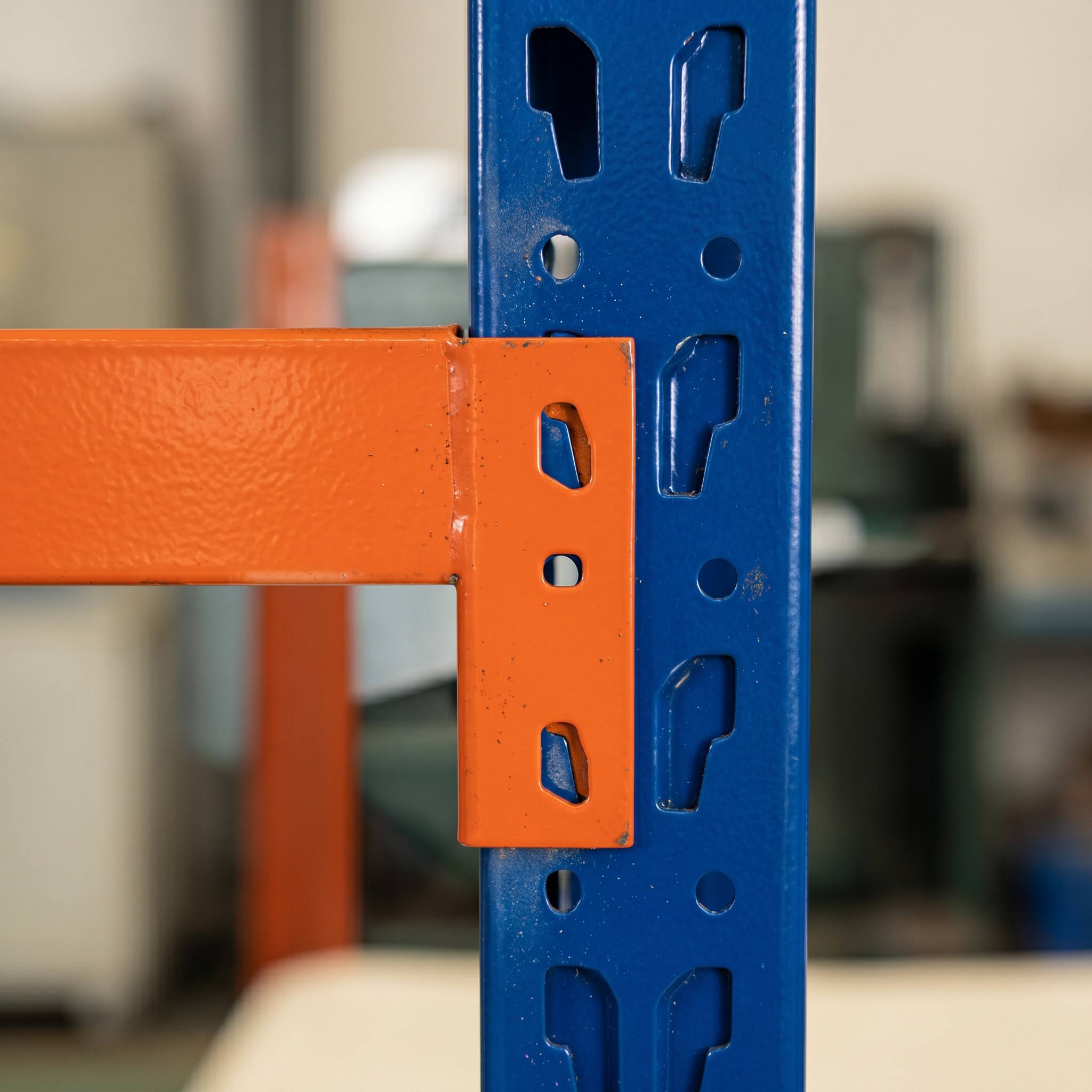
Effective warehouse organization depends on selecting the right storage infrastructure, and heavy-duty storage shelves stand as the foundation of modern logistics operations. These robust systems transform chaotic stockrooms into optimized facilities where every square foot serves a purpose. By implementing industrial shelving systems strategically, warehouses can dramatically improve inventory accessibility, reduce picking times, and increase overall operational efficiency. The right metal storage solutions provide not just space, but a framework for systematic growth and scalability.
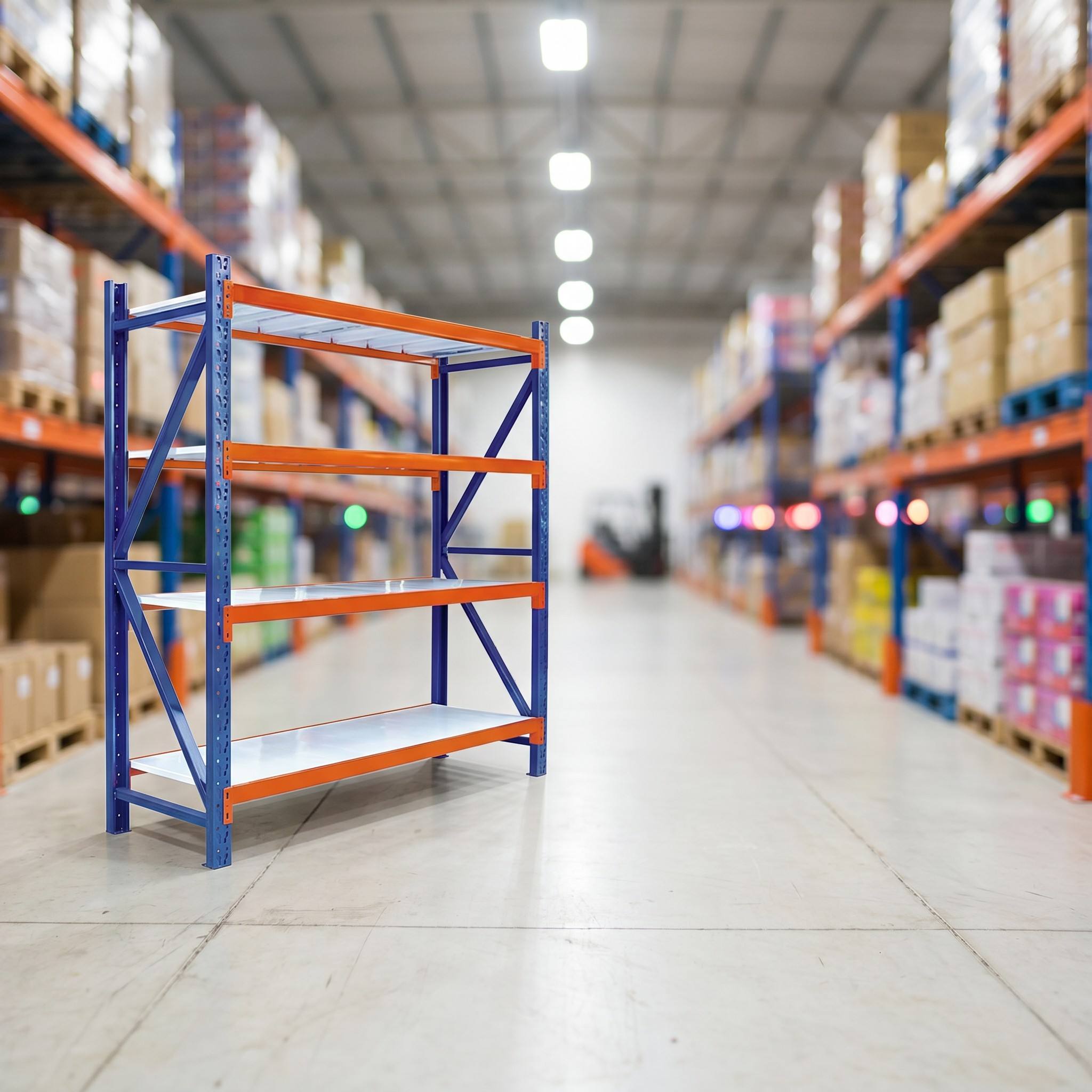
Understanding how to leverage warehouse rack capacity through intelligent design determines whether your facility operates at baseline efficiency or competitive advantage. Modern industrial shelving systems go beyond simple stacking; they incorporate load-bearing innovations, space utilization principles, and accessibility standards that align with actual warehouse workflows. Metal storage solutions today are engineered to handle demanding operational tempos while maintaining safety standards and worker productivity. Organizations that master this skill can reorganize entire warehouse floors in weeks rather than months.
Strategic Planning for Warehouse Organization
Assessing Your Current Storage Needs
Before implementing industrial shelving systems, conduct a comprehensive audit of your current inventory and workflow patterns. Calculate the total volume you need to store, the frequency items are accessed, and the dimensions of your most common products. Heavy-duty storage shelves work best when matched precisely to operational reality. Identify which items require frequent access, which are seasonal, and which need long-term archival storage. This assessment ensures that your metal storage solutions directly address actual warehouse challenges rather than generic industry assumptions.
Design Optimization Principles
Warehouse organization reaches its potential when design decisions align with human workflow and safety requirements. Industrial shelving systems should position high-velocity items at ergonomic heights to reduce picking time and worker fatigue. Heavy-duty storage shelves positioned at eye level and arm height dramatically improve efficiency compared to systems requiring constant bending or stretching. Calculate vertical storage using your ceiling height as a constraint; modern systems extend warehouse rack capacity upward when horizontal space is limited. Metal storage solutions that accommodate clear labeling, barcode scanning, and systematic rotation protocols become essential components of inventory management excellence.
Maximizing Warehouse Rack Capacity
Load Distribution and Safety Standards
Heavy-duty storage shelves achieve maximum capacity only when load limits are respected and weight distribution follows engineering specifications. Industrial shelving systems are rated for specific weight capacities per shelf, and exceeding these limits compromises structural integrity and creates safety hazards. Metal storage solutions incorporate cross-bracing, reinforced uprights, and base anchoring specifically to handle concentrated loads. Calculate your average item weight, consider worst-case scenarios, and ensure your system includes safety margins of 20 to 30 percent above anticipated loads. Proper anchoring to warehouse floors becomes non-negotiable for tall installations, particularly in facilities with vibration or seismic considerations.
Vertical and Horizontal Space Utilization
Maximizing warehouse rack capacity means using every inch of available space without creating accessibility or safety problems. Heavy-duty storage shelves should fill vertical space to approximately 85 percent of your ceiling height, leaving adequate clearance for lighting, sprinkler systems, and HVAC infrastructure. Industrial shelving systems arranged in strategic grid patterns create natural workflow corridors that improve picking efficiency and reduce congestion. Implement narrower aisles between metal storage solutions where appropriate, using specialized equipment like narrow-aisle forklifts to access high-density zones. This approach can increase usable storage capacity by 30 to 40 percent compared to randomly organized facilities.
Implementation and Long-Term Performance
Installation Best Practices
Proper installation of heavy-duty storage shelves sets the foundation for years of reliable warehouse organization. Industrial shelving systems require level flooring, careful assembly sequencing, and verification that uprights are plumb and cross-members are square before full loading. Metal storage solutions should be assembled by experienced installers who understand load paths and stress distribution principles. Document your warehouse rack capacity specifications for future reference and staff training. Schedule installation during periods of low warehouse activity to minimize operational disruption, and verify safety equipment is in place before workers begin loading shelves.
Maintenance and Optimization
Long-term warehouse organization depends on systematic maintenance of your heavy-duty storage shelves and surrounding infrastructure. Inspect metal storage solutions quarterly for signs of bending, rust, or damage that could compromise warehouse rack capacity. Industrial shelving systems benefit from regular decluttering cycles that remove obsolete inventory and redistribute remaining items more efficiently. Establish rotation protocols that move older stock forward and newer items to the back, reducing waste and improving inventory turnover. Monitor picking patterns and adjust your system layout based on emerging workflow data; static organization becomes stale within months as inventory composition and demand patterns shift.
FAQ
What is the primary advantage of heavy-duty storage shelves compared to basic shelving?
Heavy-duty storage shelves provide significantly higher load-bearing capacity, structural durability, and safety margins required in demanding warehouse environments. Industrial shelving systems are engineered for daily operational stress, temperature fluctuations, and weight concentrations that would damage lighter-duty alternatives. Metal storage solutions used in heavy-duty applications incorporate advanced features like reinforced cross-members, anchor points, and quality materials that extend service life beyond 20 years with proper maintenance.
How do industrial shelving systems improve warehouse rack capacity?
Industrial shelving systems maximize warehouse rack capacity through intelligent vertical stacking, optimized shelf depths, and strategic aisle planning that utilizes every available square foot. Heavy-duty storage shelves can support sufficient weight to enable true multi-tier storage, transforming floor space into cubic capacity. Metal storage solutions allow for adjustable shelf heights, accommodating products of varying dimensions and reducing wasted vertical space between shelves and products.
Can metal storage solutions adapt as warehouse needs change?
Modern metal storage solutions offer remarkable flexibility through adjustable shelf heights, reconfigurable aisle layouts, and expandable framework designs. Heavy-duty storage shelves can be reconfigured to accommodate new product lines or inventory volumes by simply adding additional units or adjusting existing components. Industrial shelving systems designed with modular principles allow warehouses to scale capacity upward without complete replacement, protecting initial capital investments.