 EN
EN

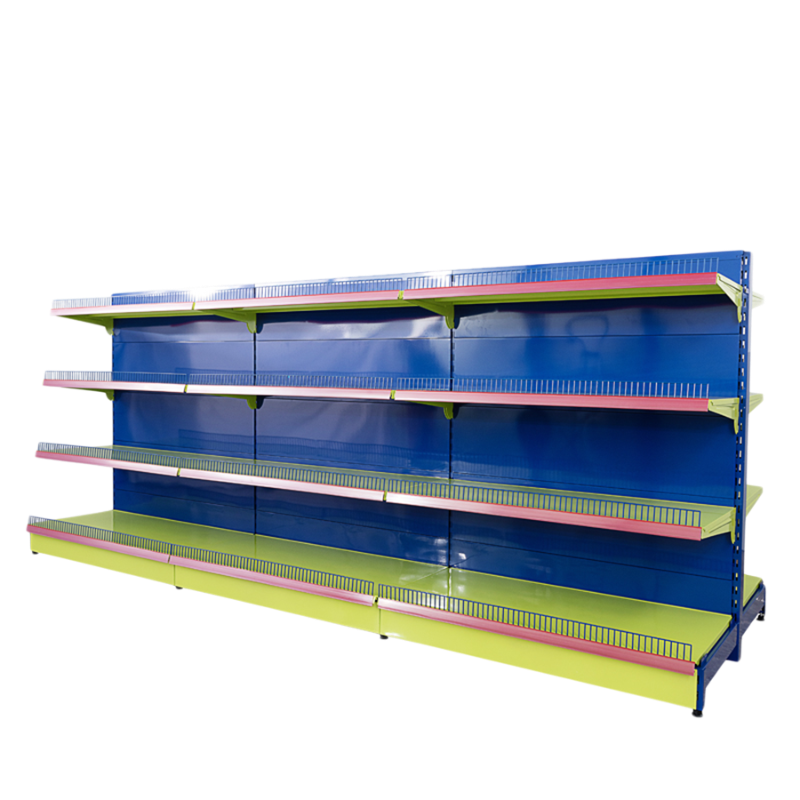
Selecting the right supermarket shelf supplier requires understanding how multiple factors influence both durability and cost. Retail store operators face constant pressure to balance upfront investment with long-term performance, making informed decisions about retail display shelving critical to profitability. The durability of your shelving directly impacts maintenance expenses, replacement cycles, and ultimately your bottom line.
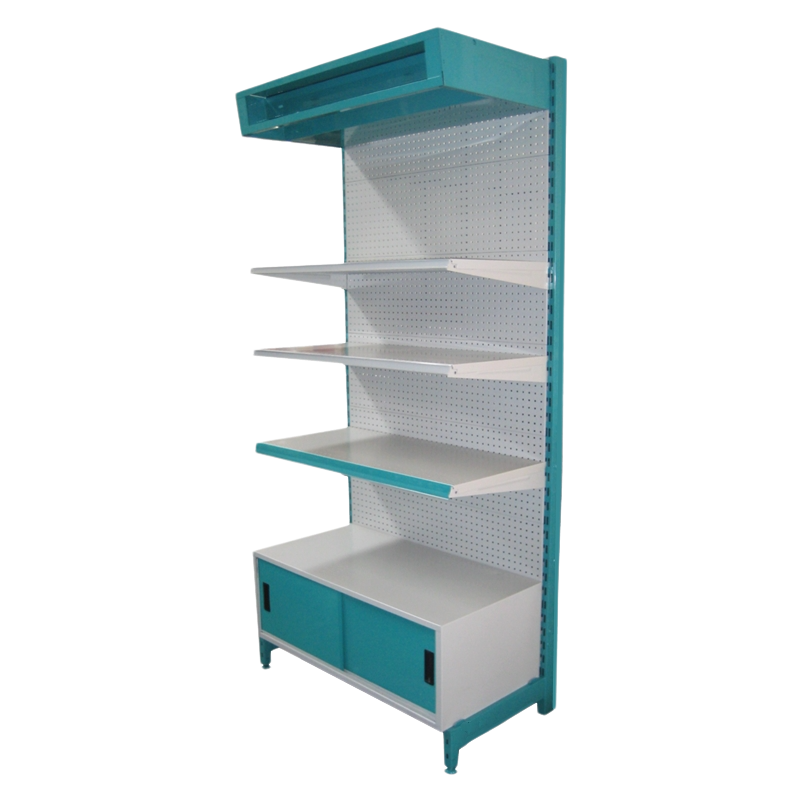
Commercial shelving systems vary significantly in construction quality, material composition, and engineering standards. Understanding these variables helps you evaluate store fixture solutions that align with your operational demands and financial constraints. This guide explores the primary factors influencing shelf durability and cost, enabling you to make strategic procurement decisions.
Material Composition and Construction Quality
Steel Grade and Coating Standards
The steel grade used in retail display shelving directly affects longevity and resistance to environmental stress. Higher-grade steel with superior coatings resists rust, corrosion, and wear from constant product placement and removal cycles. Commercial shelving systems manufactured from premium steel incur higher upfront costs but deliver extended service life, reducing replacement frequency and total cost of ownership.
Coating quality determines how well shelves withstand humidity, temperature fluctuations, and cleaning chemicals common in supermarket environments. A robust powder coat or epoxy finish protects against moisture infiltration and surface degradation. Selecting a supermarket shelf supplier who emphasizes coating durability ensures your store fixture solutions remain visually appealing and structurally sound for years.
Welding and Joint Integrity
Welding quality and joint construction are critical durability factors often overlooked during procurement. Poorly welded seams create stress points where shelves fail prematurely under product weight and vibration. Quality retail display shelving features reinforced joints, precision welding, and load-tested connections that prevent catastrophic failure and costly downtime.
Commercial shelving systems with superior joint design distribute weight evenly, reducing localized stress concentration. This engineering approach extends shelf life significantly. A reliable supermarket shelf supplier will provide technical specifications detailing welding standards and load ratings for their store fixture solutions.
Load Capacity and Design Engineering
Weight Rating and Structural Design
Load capacity directly influences both durability and appropriate application. Retail display shelving engineered for high-weight products must feature robust support beams, reinforced uprights, and precisely calculated weight distribution. Commercial shelving systems rated for heavier loads typically cost more initially but handle demanding applications without premature wear or failure.
Undersized shelving appears cost-effective until deflection, wobbling, and structural damage occur. Choosing store fixture solutions with adequate load ratings prevents product damage, safety hazards, and customer dissatisfaction. Your supermarket shelf supplier should clearly specify load capacities per shelf and demonstrate engineering calculations supporting these ratings.
Adjustability and Flexible Configuration
Adjustable retail display shelving accommodates changing product assortments without physical modification, extending useful life. Commercial shelving systems with flexible shelf heights reduce the need for replacement when product dimensions change. This adaptability adds to initial cost but delivers substantial long-term savings through reduced renovation cycles.
Store fixture solutions featuring quick-adjustment mechanisms allow rapid reconfiguration without tools or downtime. This operational flexibility prevents premature replacement and maximizes return on investment. A quality supermarket shelf supplier designs systems that prioritize both durability and adaptability.
Manufacturing Standards and Supplier Reliability
Quality Control and Certification
Manufacturing consistency directly impacts durability across entire retail display shelving installations. Suppliers implementing rigorous quality control processes ensure every unit meets specifications, while inconsistent manufacturing creates weak points. Commercial shelving systems from certified manufacturers undergo testing protocols that verify load ratings, coating thickness, and structural integrity.
Selecting a supermarket shelf supplier with industry certifications and third-party testing provides confidence in reliability. Store fixture solutions backed by performance guarantees and warranty coverage offer protection against premature failure. Quality certifications also indicate the supplier's commitment to continuous improvement and industry best practices.
Supplier Track Record and Support Services
Long-term durability depends partly on post-sale support and replacement component availability. Established retail display shelving suppliers maintain inventory of replacement parts, ensuring quick repairs and minimal operational disruption. Commercial shelving systems from suppliers with proven track records typically appreciate in value through reliable service and dependable performance.
Your supermarket shelf supplier should offer installation guidance, maintenance recommendations, and technical support. Quality store fixture solutions include comprehensive documentation and accessible customer service. This support infrastructure contributes meaningfully to overall durability and cost-effectiveness over the shelf lifecycle.
FAQ
What is the typical lifespan of commercial shelving systems in supermarket environments?
High-quality retail display shelving typically lasts 10 to 15 years with proper maintenance. The actual lifespan depends on product load, environmental conditions, cleaning frequency, and initial construction quality. Commercial shelving systems from reputable supermarket shelf suppliers with superior materials and engineering often exceed these timeframes, making them valuable long-term investments despite higher upfront costs.
How does shelf material choice affect maintenance costs?
Premium materials and coatings reduce maintenance requirements substantially. Retail display shelving with superior corrosion resistance requires less frequent repainting and cleaning. Store fixture solutions manufactured from quality materials minimize rust development, staining, and surface deterioration, lowering labor costs and replacement expenses. Choosing a supermarket shelf supplier who emphasizes durable materials directly reduces your operational maintenance budget.
Can adjustable shelving reduce replacement costs compared to fixed systems?
Yes, adjustable commercial shelving systems often reduce long-term replacement costs significantly. Retail display shelving that accommodates product size changes eliminates the need for complete system replacement during layout modifications. Store fixture solutions with flexible configurations adapt to evolving retail demands, extending useful life and maximizing return on investment. Quality adjustable systems from a reliable supermarket shelf supplier deliver superior cost-effectiveness over fixed alternatives.