 EN
EN

Selecting the right Heavy-duty storage shelves is one of the most critical decisions for any business managing inventory, equipment, or materials. Whether you operate a warehouse, manufacturing facility, retail distribution center, or industrial workshop, your storage infrastructure directly impacts operational efficiency, safety, and profitability. The wrong choice can lead to wasted space, structural failure, product damage, and costly downtime. The right choice optimizes your storage capacity while ensuring durability and compliance with safety standards.
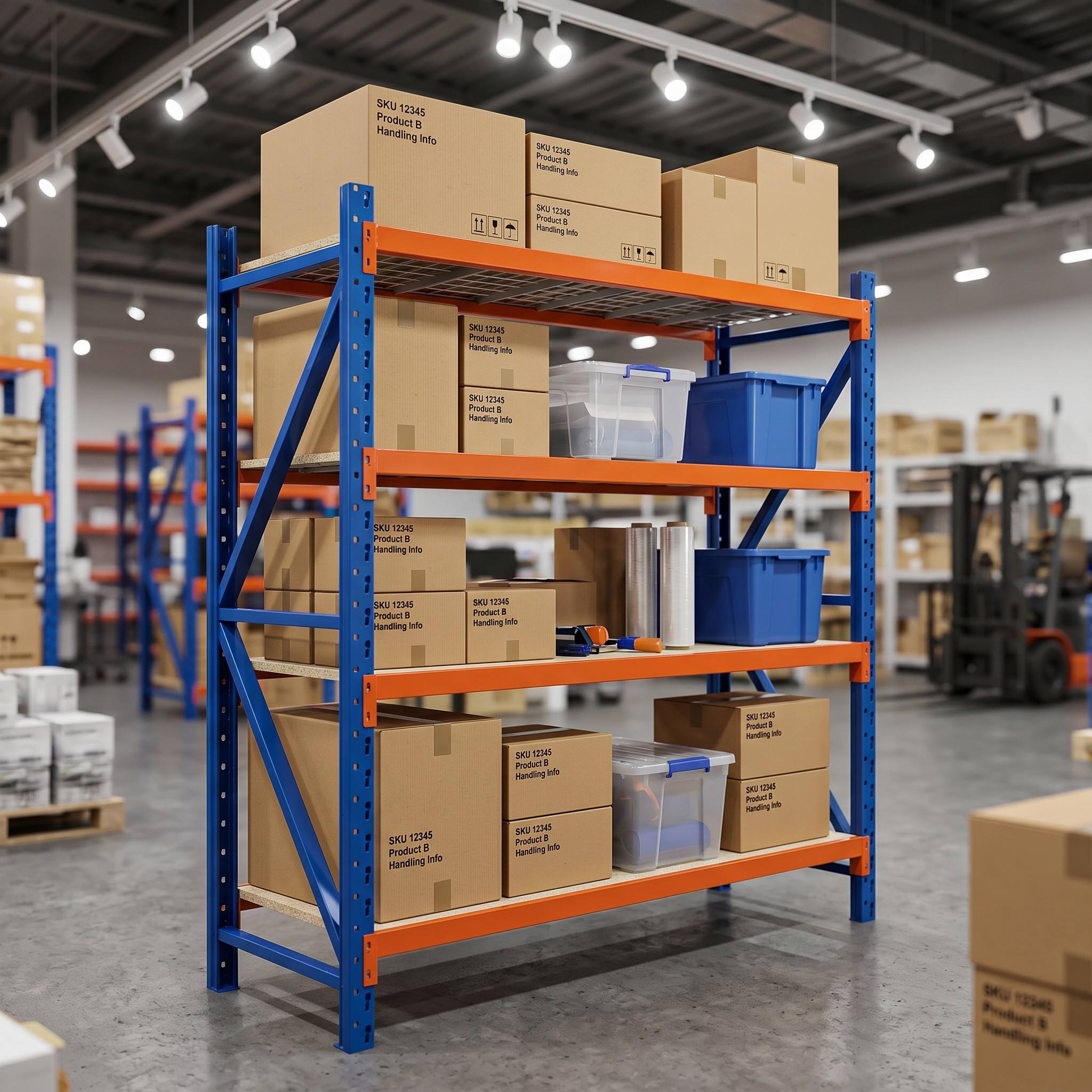
Industrial shelving systems come in many forms, each designed for specific load requirements, space constraints, and operational workflows. Understanding the key factors that distinguish one solution from another empowers you to make an informed decision aligned with your facility's unique needs. This guide walks you through the essential criteria for evaluating warehouse rack capacity, material specifications, configuration options, and installation considerations so you can confidently choose metal storage solutions that support your business growth.
Assess Your Load Requirements and Warehouse Rack Capacity
Calculate Total Weight and Per-Shelf Load Limits
The foundation of any heavy-duty storage shelves selection process begins with understanding your actual load demands. Document the weight of items you plan to store, calculate the total volume across all units, and determine peak load scenarios. Heavy-duty storage shelves are engineered with specific weight capacities, typically ranging from 500 pounds to several thousand pounds per shelf depending on the design and material. Knowing your warehouse rack capacity requirements prevents overloading, which can compromise structural integrity and create safety hazards. Industrial shelving systems manufacturers provide load rating charts that specify maximum weights at various depths and shelf spans, so gather these specifications before comparing products.
Consider Dynamic Load Distribution
Real-world storage rarely distributes weight perfectly evenly. Items stored on industrial shelving systems may concentrate weight in one corner or section, especially when using forklifts or pallet jacks. Effective metal storage solutions account for this uneven loading through robust frame designs and reinforced cross-bracing. Select heavy-duty storage shelves with capacity ratings that exceed your anticipated peak loads by at least 20 percent. This safety margin protects against dynamic forces, impact from loading equipment, and the inevitable wear over the shelf's operational life. Understanding the difference between static capacity ratings and realistic warehouse rack capacity under operational conditions is essential.
Evaluate Material Type and Durability
Steel vs. Alternatives in Metal Storage Solutions
Steel remains the industry standard for heavy-duty storage shelves because it offers superior strength-to-weight ratio, proven durability, and long-term cost effectiveness. Industrial shelving systems constructed from steel withstand heavy loads, resist corrosion when properly coated, and tolerate the physical demands of warehouse operations. Metal storage solutions may also incorporate aluminum or stainless steel in specialized environments where corrosion resistance is critical, such as food processing, chemical storage, or outdoor locations. Evaluate the coating system of steel heavy-duty storage shelves, such as powder coating, galvanizing, or epoxy paint, to ensure protection against your facility's environmental conditions. The material choice directly affects initial investment, maintenance requirements, and total cost of ownership.
Surface and Connection Quality
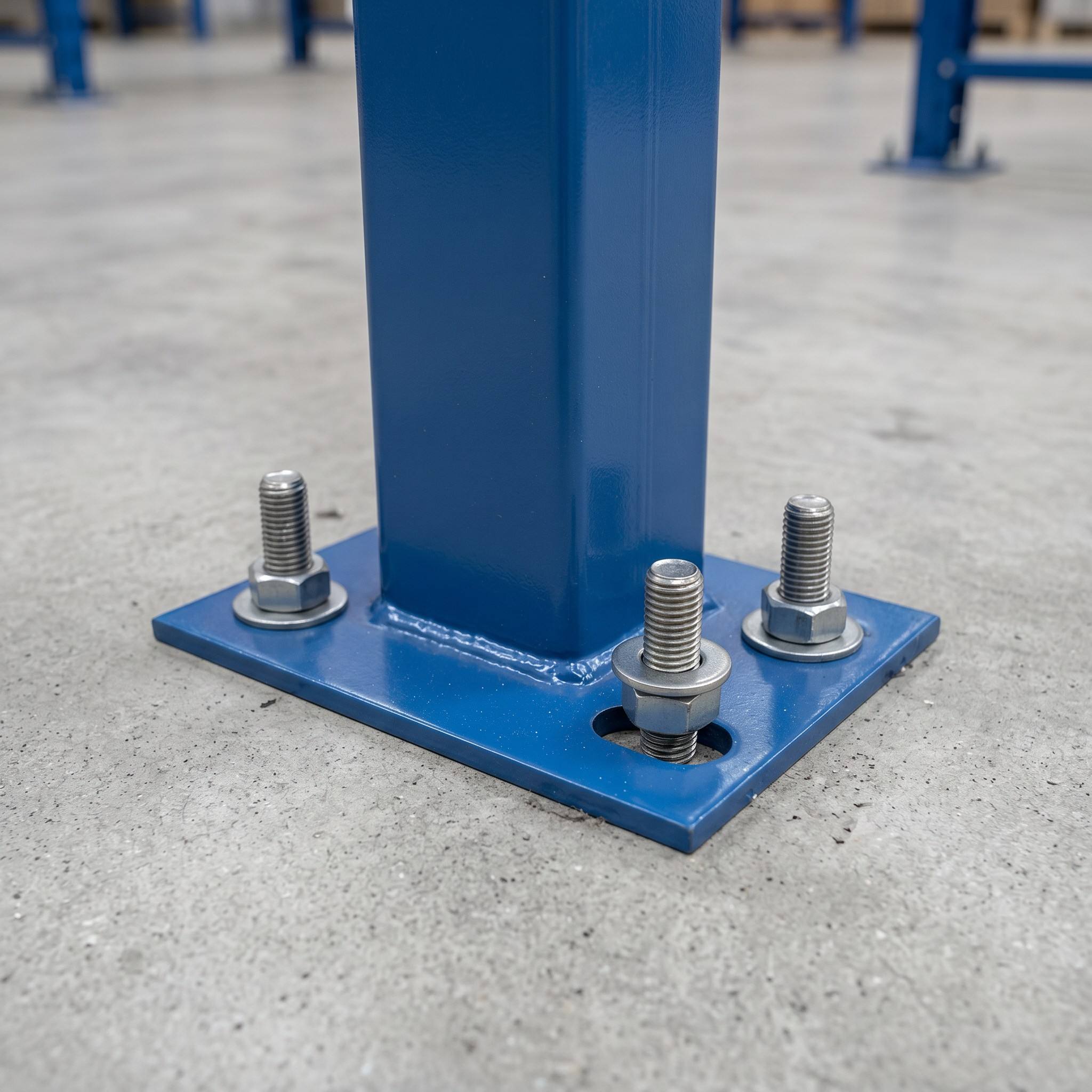
Examine how industrial shelving systems are manufactured and assembled. Welded connections typically provide superior strength and stability compared to bolted designs, particularly in high-vibration environments. The shelving deck itself—whether solid steel, wire mesh, or particle board—affects load distribution and maintenance. Metal storage solutions with high-quality decking prevent small items from falling through and distribute weight more uniformly. Inspect welds for consistency, check bolt threads for clean manufacturing, and verify that all connection points on your heavy-duty storage shelves meet industry standards. Poor manufacturing quality will undermine performance regardless of rated warehouse rack capacity.
Determine Configuration, Space Fit, and Scalability
Height, Width, and Depth Specifications
Heavy-duty storage shelves must fit your available space while providing practical access to stored items. Measure your ceiling height, floor dimensions, and any structural obstacles such as pillars, electrical boxes, or ventilation ducts. Industrial shelving systems are typically available in modular configurations with standard heights ranging from 60 inches to over 120 inches, adjustable shelf spacing, and multiple depth options. The depth of your metal storage solutions affects warehouse rack capacity, accessibility, and aisle width requirements. Deeper shelves maximize storage density but may reduce access convenience. Narrower aisles created by wide shelving increase storage efficiency but require precise maneuvering of material handling equipment. Balance these competing priorities based on your operational workflow and equipment capabilities.
Future Growth and Reconfiguration
Select heavy-duty storage shelves with modular, expandable designs that accommodate future growth without complete replacement. Industrial shelving systems that support vertical expansion, wider bays, or additional runs provide flexibility as your business evolves. Metal storage solutions built on standardized component sizes simplify reconfiguration, relocation, and capacity adjustments. This scalability reduces long-term capital expenditure and minimizes operational disruption when your storage needs change. Verify that your chosen system allows straightforward shelf height adjustment, beam relocation, and frame extension so you can adapt your warehouse rack capacity to changing inventory profiles.
Evaluate Safety, Compliance, and Installation
Safety Standards and Structural Integrity
Heavy-duty storage shelves must comply with applicable safety standards and building codes. In North America, ANSI MH16.1 and RMI standards govern industrial shelving systems design, testing, and load rating protocols. International facilities follow ISO, EN, or local equivalents. Ensure your metal storage solutions are certified by recognized testing bodies and documented with load rating labels and installation manuals. Verify that the design accounts for earthquake resistance if you operate in seismic zones, and that the system incorporates anti-tip bracing and anchor points for compliance. Poor compliance with safety standards exposes your facility to liability, workplace injuries, and regulatory fines. Consult with your facility manager or safety officer to confirm that any heavy-duty storage shelves meet your jurisdiction's specific requirements and your organization's internal safety protocols.
Installation, Maintenance, and Support
Consider the practical aspects of installation, ongoing maintenance, and vendor support. Some industrial shelving systems require professional installation, while others support in-house assembly. Evaluate whether the manufacturer provides installation guidance, training, spare parts availability, and responsive customer support. Heavy-duty storage shelves may require periodic inspection, cleaning, and touch-up paint to maintain performance and appearance over their operational life. Metal storage solutions from reputable manufacturers include documentation detailing maintenance intervals and procedures. Factor installation labor costs, timeline disruptions, and support accessibility into your vendor selection. Strong post-sale support ensures your warehouse rack capacity investment delivers reliable performance throughout its useful life.
FAQ
What warehouse rack capacity should I choose for a mixed-use facility?
For mixed-use facilities storing varied items with different weights, select industrial shelving systems with capacity ratings matching your heaviest anticipated load per shelf. Heavy-duty storage shelves should support your peak scenario rather than average conditions. If you store both light office supplies and heavy machinery parts, design the metal storage solutions around the machinery weight requirements, then use lighter shelves or auxiliary racks for lighter items. This approach ensures safety and prevents future bottlenecks when inventory changes. Consult load rating charts from your manufacturer to identify appropriate heavy-duty storage shelves configurations.
How do I know if metal storage solutions are properly installed?
Properly installed industrial shelving systems show no visible misalignment, loose bolts, or gaps between beams and frames. Check that all heavy-duty storage shelves sit level using a spirit level at multiple points. Verify that warehouse rack capacity labels are clearly visible and that all connection points are securely fastened. The installation should include diagonal bracing, proper anchoring to floor or wall, and clearance from electrical and mechanical systems. Request a final inspection report from your installer and retain documentation of the installation process. If you notice shifting, creaking, or alignment issues after installation, contact the manufacturer immediately.
Can I retrofit existing industrial shelving systems with higher capacity?
Retrofitting heavy-duty storage shelves to increase warehouse rack capacity depends on the original design and material specifications. Some industrial shelving systems support upgrading to heavier decking or adding additional cross-bracing, while others do not. Installing metal storage solutions with greater capacity than the original design can compromise structural integrity and void safety certifications. Consult the original manufacturer or a qualified structural engineer before attempting modifications to your heavy-duty storage shelves. In many cases, adding a separate system designed for higher loads is safer and more cost-effective than retrofitting inadequate infrastructure.