 EN
EN
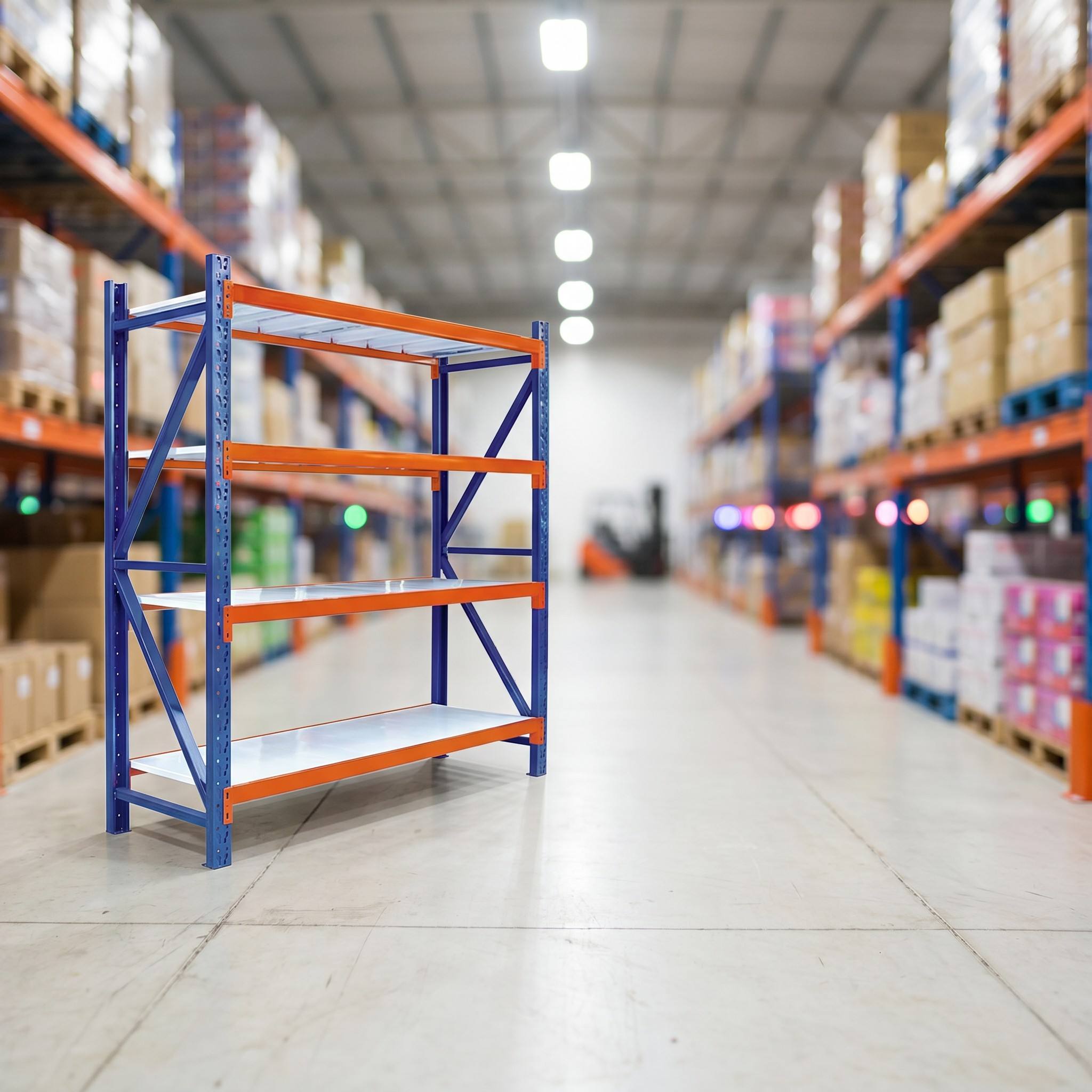
Heavy-duty storage shelves form the backbone of modern industrial operations, enabling businesses to organize inventory efficiently while maintaining safety and accessibility. These robust systems transform warehouse spaces into organized, productive environments where materials flow seamlessly through supply chains. Understanding how heavy-duty storage shelves support daily operations reveals why they remain essential investments across manufacturing, logistics, and distribution sectors.
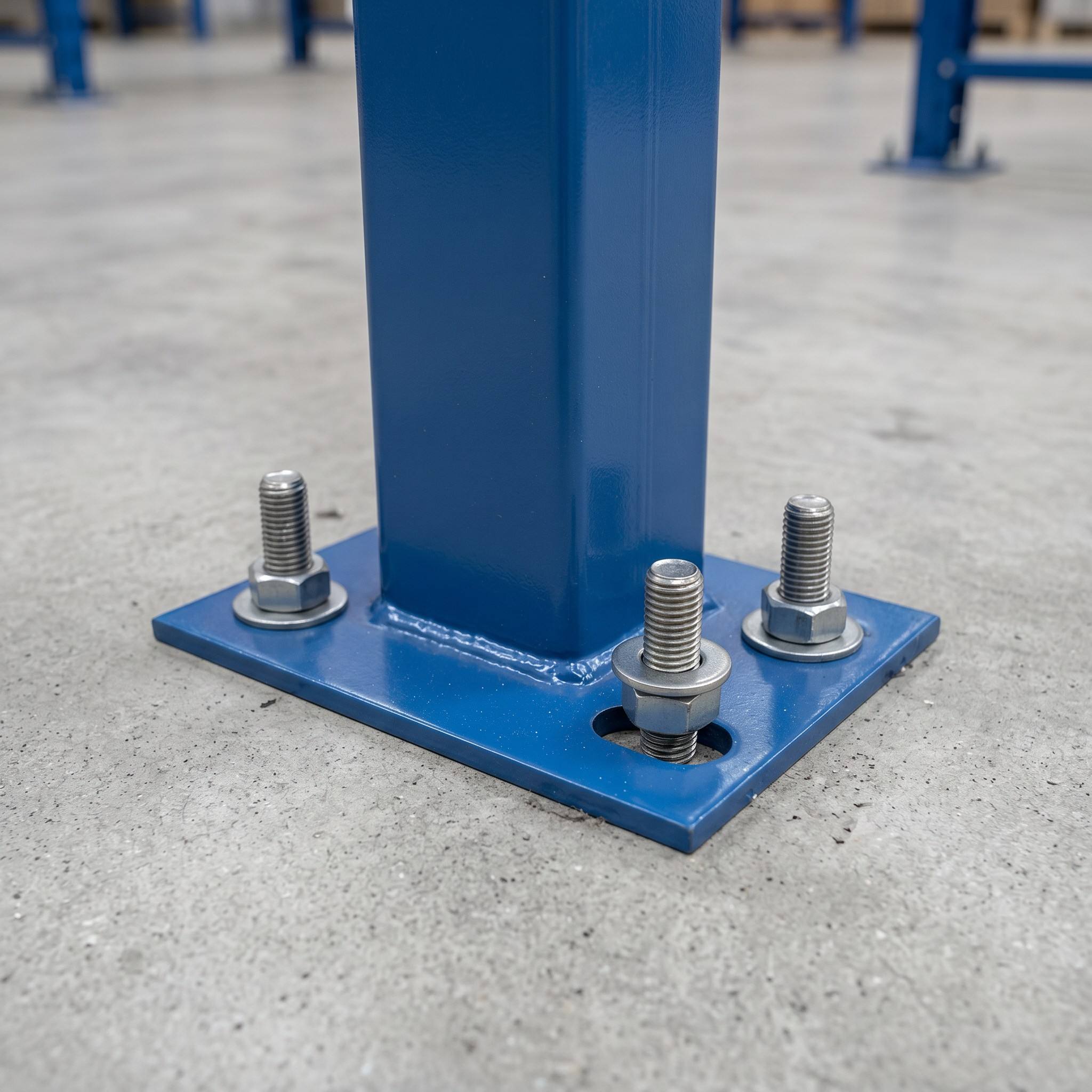
Industrial shelving systems have evolved significantly to meet demanding operational requirements. Modern metal storage solutions incorporate engineering precision, load capacity verification, and modular flexibility to address evolving business needs. The relationship between warehouse rack capacity, operational efficiency, and workplace safety cannot be overstated, making proper shelf selection a critical strategic decision for facility managers.
Optimizing Space Utilization and Inventory Management
Vertical Storage Efficiency
Heavy-duty storage shelves maximize vertical space, a fundamental principle in warehouse design. By extending storage upward rather than expanding horizontally, facilities reduce their footprint while increasing total inventory capacity. This vertical approach proves particularly valuable in urban locations where square footage commands premium pricing. Industrial shelving systems allow operations to triple or quadruple storage capacity within existing facility boundaries without major construction expenses.
Warehouse rack capacity determines how effectively a facility meets seasonal demand fluctuations and growth trajectories. Well-designed metal storage solutions accommodate peak inventory volumes without requiring costly facility expansion. Businesses can stage inventory at multiple heights, improving picking efficiency and reducing travel time for warehouse personnel. This spatial optimization directly translates to faster order fulfillment, reduced labor costs, and improved customer satisfaction metrics.
Inventory Organization and Accessibility
Organized inventory environments support faster product location and retrieval. Heavy-duty storage shelves enable clear categorization by product type, size, or destination. When items occupy predictable locations across multiple shelf levels, staff find products quickly, reducing fulfillment times and minimizing picking errors. Industrial shelving systems transform chaotic storage spaces into logical, navigable environments where any team member can locate inventory efficiently.
This organizational benefit extends beyond speed; it improves inventory accuracy and reduces shrinkage. Warehouse rack capacity planning prevents overcrowding, which typically creates confusion and increases loss rates. Metal storage solutions with clearly defined sections support cycle counting, stocktaking, and reconciliation processes. When inventory management becomes systematic, businesses operate with greater visibility and control over their most expensive current assets.
Enhancing Safety and Compliance Standards
Load Distribution and Structural Integrity
Heavy-duty storage shelves engineered for industrial environments incorporate robust materials, reinforced joints, and calculated load ratings that prevent catastrophic failures. Each shelf level distributes weight across multiple support points, maintaining structural integrity under maximum load conditions. Industrial shelving systems undergo rigorous testing to ensure they meet or exceed industry safety standards and regulatory requirements established by occupational safety agencies.
Metal storage solutions designed with proper weight distribution prevent shelf collapse, falling inventory, and workplace injuries. When warehouse rack capacity specifications remain transparent and workers understand load limits, facilities maintain safer operating environments. Proper shelf construction prevents lateral movement, uneven settling, and premature deterioration that could compromise worker safety. This structural reliability proves essential in high-vibration environments where machinery and vehicle traffic stress storage infrastructure.
Workplace Safety Culture and Risk Reduction
Heavy-duty storage shelves contribute to comprehensive workplace safety programs by providing secure, stable storage that eliminates hazards. When materials remain properly secured on industrial shelving systems, they cannot topple onto workers or create trip hazards on walkways. Well-organized metal storage solutions improve sightlines, enabling workers to navigate warehouse spaces safely and observe potential hazards proactively.
Facilities that invest in quality warehouse rack capacity infrastructure demonstrate commitment to worker protection, which improves retention and morale. Safety investments reduce workers' compensation claims, regulatory penalties, and reputational damage associated with workplace incidents. Heavy-duty storage shelves represent preventive infrastructure that protects the most valuable asset any business possesses: its workforce. When employees trust their work environment, productivity increases and turnover decreases.
Supporting Operational Flexibility and Growth
Adaptable Storage Architecture
Industrial shelving systems offer modular design that accommodates changing operational demands. Shelf heights adjust to fit different product dimensions, while additional units expand capacity as inventory needs evolve. This flexibility proves invaluable in industries where product mix changes seasonally or demand patterns shift unpredictably. Businesses can reconfigure heavy-duty storage shelves without complete replacement, protecting capital investments while adapting to new requirements.
Metal storage solutions provide standardized components that integrate seamlessly across multiple storage zones. Warehouse rack capacity can be enhanced by adding shelves to existing frames or installing new units alongside current infrastructure. This scalability enables businesses to grow inventory management capabilities incrementally rather than requiring massive upfront capital expenditures. Growth becomes manageable and aligned with actual operational demand rather than forced into rigid, expensive cycles.
Integration with Supply Chain Operations
Heavy-duty storage shelves designed for industrial operations integrate effectively with material handling equipment, order fulfillment processes, and inventory management systems. When shelf configurations accommodate pallet jacks, forklifts, and other equipment, movement becomes efficient and damage decreases. Industrial shelving systems that allow easy access support just-in-time inventory practices, enabling businesses to maintain minimal stock while ensuring product availability.
Warehouse rack capacity planning considers traffic flow patterns, staging areas, and product rotation requirements. Well-designed metal storage solutions enable first-in-first-out inventory rotation and batch management. When storage infrastructure supports operational workflows rather than impeding them, supply chain efficiency improves dramatically. This alignment between physical storage and logistics operations creates competitive advantages in speed, accuracy, and customer responsiveness.
FAQ
What determines appropriate warehouse rack capacity for a specific facility?
Warehouse rack capacity requirements depend on inventory volume, product dimensions, and growth projections. Calculate total cubic footage of inventory, accounting for seasonal peaks and future expansion plans. Consider equipment access requirements, aisle widths, and safety clearances. Industrial shelving systems should accommodate current needs plus fifteen to twenty-five percent buffer capacity. Consulting with material handling specialists ensures capacity calculations account for your specific product characteristics and operational workflows.
How do heavy-duty storage shelves contribute to reducing operational costs?
Heavy-duty storage shelves reduce costs through multiple mechanisms: optimized space utilization eliminates facility expansion expenses, efficient organization decreases labor hours spent locating inventory, safety improvements reduce insurance premiums and workers' compensation claims, and metal storage solutions typically last fifteen to twenty years, spreading capital costs across extended periods. When industrial shelving systems prevent inventory damage and shrinkage, material costs decrease. The combined effect of these advantages typically generates return on investment within two to three years.
Can existing warehouse layouts accommodate industrial shelving systems, or do facilities require renovation?
Most existing warehouse spaces can integrate heavy-duty storage shelves without substantial renovation. Modular industrial shelving systems install on existing concrete floors and require only standard utilities. Metal storage solutions adapt to irregular floor layouts, sloped surfaces, and varying ceiling heights. However, facilities should verify adequate floor strength, ceiling clearance, and aisle widths before purchasing. Professional assessment of your specific space ensures warehouse rack capacity planning matches your facility's structural capabilities and operational constraints.