 EN
EN

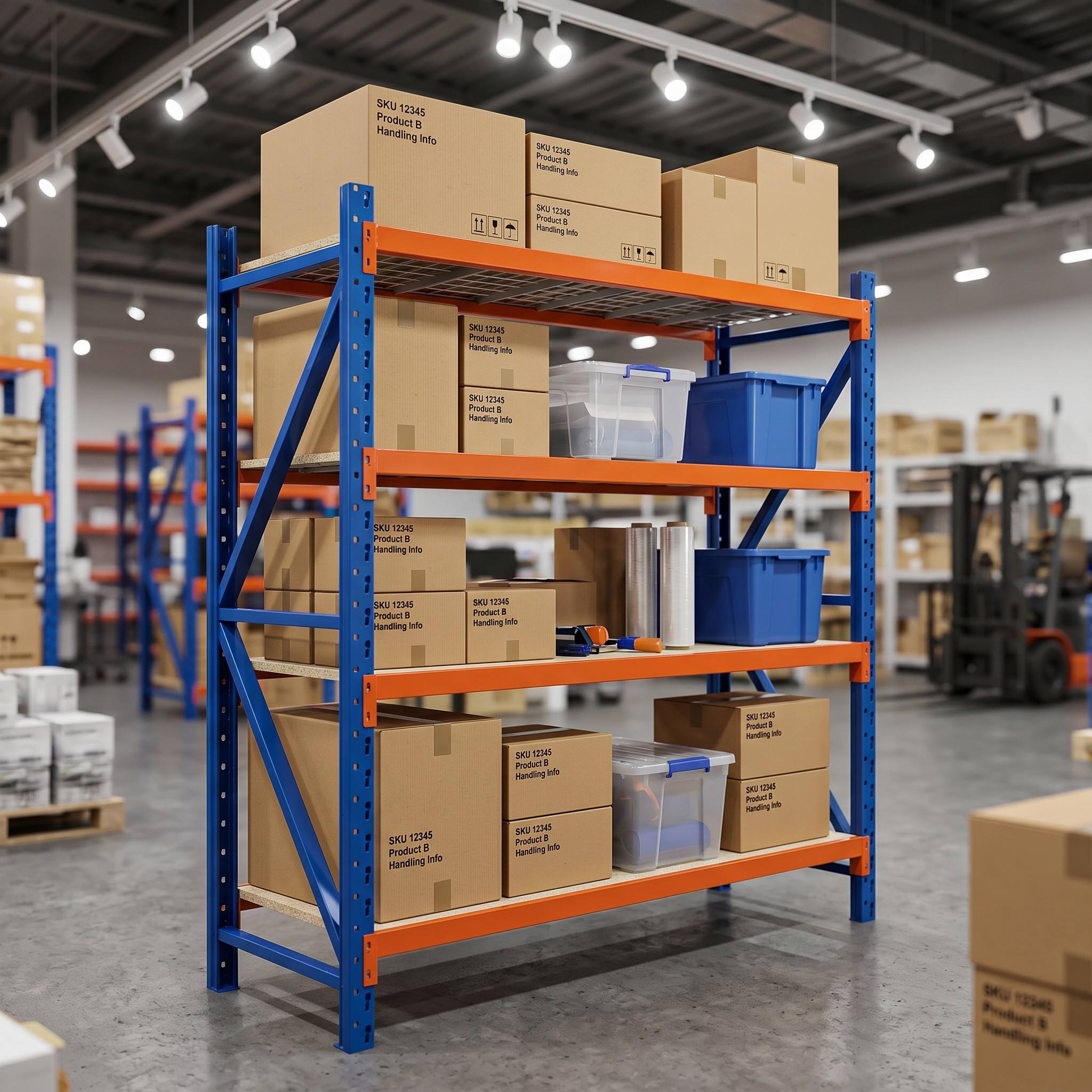
Warehouses operate under demanding conditions that require robust infrastructure capable of supporting massive loads and frequent access cycles. Heavy-duty storage shelves form the backbone of efficient warehouse operations, providing the structural integrity and capacity necessary to store materials safely while maximizing vertical space. Understanding why these specialized systems are suitable for warehouses helps facility managers make informed decisions about storage infrastructure investments that directly impact operational efficiency, safety, and long-term profitability.

The selection of appropriate storage solutions defines warehouse productivity and safety standards. Industrial shelving systems engineered for heavy-duty applications deliver exceptional performance characteristics that distinguish them from standard storage options. Metal storage solutions specifically designed for warehouse environments provide the load-bearing capacity, durability, and configurability that modern distribution centers demand, ensuring that facilities can handle peak inventory levels without compromising structural integrity or worker safety.
Load-Bearing Capacity and Structural Integrity
Understanding Warehouse Rack Capacity Requirements
Warehouse rack capacity represents a critical specification that determines how much weight each shelf level can safely support. Heavy-duty storage shelves are engineered to accommodate distributed loads that often exceed several thousand pounds per shelf, depending on design specifications and construction materials. Industrial shelving systems must account for dynamic loading conditions, including the impact forces generated during product placement and retrieval operations, ensuring that capacity ratings reflect real-world warehouse demands rather than theoretical limits under ideal conditions.
The engineering behind warehouse rack capacity involves sophisticated calculations that factor in shelf depth, support column spacing, decking material thickness, and anchor point specifications. Metal storage solutions incorporate high-grade steel construction that provides consistent performance across temperature variations and humidity levels common in warehouse environments. These systems undergo rigorous testing protocols to verify that rated capacities remain reliable throughout extended service periods, protecting inventory and personnel from catastrophic failure risks that could result from inadequate structural design.
Material Selection and Durability Standards
Heavy-duty storage shelves utilize premium metal alloys selected specifically for their strength-to-weight ratios and corrosion resistance properties. Industrial shelving systems employ welded joint construction and precision-engineered connection points that distribute stress evenly across the entire structure, preventing localized failure points that could compromise shelf integrity. The durability characteristics of metal storage solutions ensure that facilities can maintain consistent performance standards across decades of operation, providing excellent return on investment even when accounting for initial acquisition costs associated with premium engineering and manufacturing standards.
Space Optimization and Configuration Flexibility
Maximizing Vertical Warehouse Storage
Warehouse facilities operate within fixed footprint constraints that make vertical storage utilization essential for competitive advantage. Heavy-duty storage shelves enable facilities to implement multi-level storage configurations that can extend ten or more levels high, transforming limited floor space into comprehensive storage capacity that handles dramatically increased inventory volumes. Industrial shelving systems support modular design approaches that allow warehouse managers to adjust shelf heights, add or remove levels, and reconfigure layouts as operational requirements evolve, ensuring that storage infrastructure adapts to changing business needs without requiring complete replacement.
The adjustable nature of metal storage solutions provides exceptional flexibility in accommodating products with varying dimensions and weights. Warehouse rack capacity specifications remain consistent across different height configurations, meaning that facilities can customize shelf spacing to match the profile of specific inventory items while maintaining safety and performance standards. This configurability extends the useful lifespan of storage systems and reduces the capital expenditure required when product lines change or warehouse operations shift to new inventory categories.
Accessibility and Operational Efficiency
Heavy-duty storage shelves must facilitate rapid product retrieval and placement to support warehouse throughput targets. Industrial shelving systems incorporate design features that enable easy access from multiple angles, reduce picking time, and accommodate material handling equipment including forklifts, pallet jacks, and automated retrieval systems. The open-frame construction typical of metal storage solutions allows clear sightlines throughout warehouse aisles, improving inventory visibility and enabling efficient stock rotation based on FIFO or other inventory management methodologies that minimize product obsolescence and spoilage risks.
Safety Compliance and Operational Reliability
Meeting Industry Standards and Regulations
Warehouse operations fall under comprehensive regulatory frameworks that establish minimum safety requirements for storage infrastructure. Heavy-duty storage shelves must comply with standards established by organizations including ANSI, OSHA, and industry-specific bodies that define acceptable load ratings, stability criteria, and failure prevention measures. Industrial shelving systems undergo certification testing that validates compliance with these regulatory requirements, protecting warehouse operators from liability exposure and ensuring that facilities meet inspection standards required for insurance coverage and legal operational authorization.
Metal storage solutions manufactured to regulatory standards include safety features such as load-limiting devices, anti-sway bracing, and protective barriers that prevent accidental product displacement or structural failure. Warehouse rack capacity documentation includes detailed load ratings and usage guidelines that enable facility managers to optimize storage while maintaining safety margins that account for equipment variability and human error. These safety considerations translate directly into reduced injury risk, lower insurance costs, and improved employee confidence in warehouse infrastructure reliability.
Maintenance Requirements and Long-Term Performance
Heavy-duty storage shelves require minimal maintenance when manufactured from quality materials and properly installed in suitable warehouse environments. Industrial shelving systems benefit from corrosion-resistant coatings and finishes that extend service life even in humid or chemically challenging storage environments. Regular inspections of metal storage solutions identify potential maintenance needs before they escalate into serious problems, ensuring that warehouse rack capacity ratings remain valid and that facilities maintain consistent operational standards throughout extended service periods.
FAQ
Why should warehouses invest in industrial shelving systems rather than standard storage options?
Industrial shelving systems are purpose-engineered for demanding warehouse environments with substantially higher load capacity, better durability, and greater reliability than standard storage solutions. These specialized systems accommodate the intense operational demands of distribution centers while providing safety margins that protect inventory and personnel. The higher initial investment in heavy-duty storage shelves delivers superior long-term value through extended service life, reduced maintenance requirements, and improved operational efficiency that compounds over years of warehouse operations.
How does warehouse rack capacity affect storage planning decisions?
Warehouse rack capacity directly determines how many units can be stored at each shelf level and influences the maximum acceptable stack height for different product categories. Understanding metal storage solutions capacity ratings enables managers to calculate total storage volume available within existing floor space, optimize inventory levels, and plan facility expansion requirements more accurately. Capacity considerations also guide decisions about which products to store in different locations, ensuring that heavy items remain at lower levels where access and safety monitoring are more manageable.
What factors make heavy-duty storage shelves particularly suitable for high-volume distribution centers?
High-volume distribution centers require storage infrastructure that handles rapid throughput cycles, supports maximum inventory density, and maintains safety standards under intense operational stress. Heavy-duty storage shelves provide the structural reliability needed for continuous product movement, accommodate automated handling systems, and support the vertical storage configurations necessary for space-constrained facilities. Metal storage solutions designed specifically for distribution environments offer the combination of capacity, durability, and flexibility that enables facilities to scale operations in response to growing customer demand without compromising safety or operational efficiency.