 EN
EN

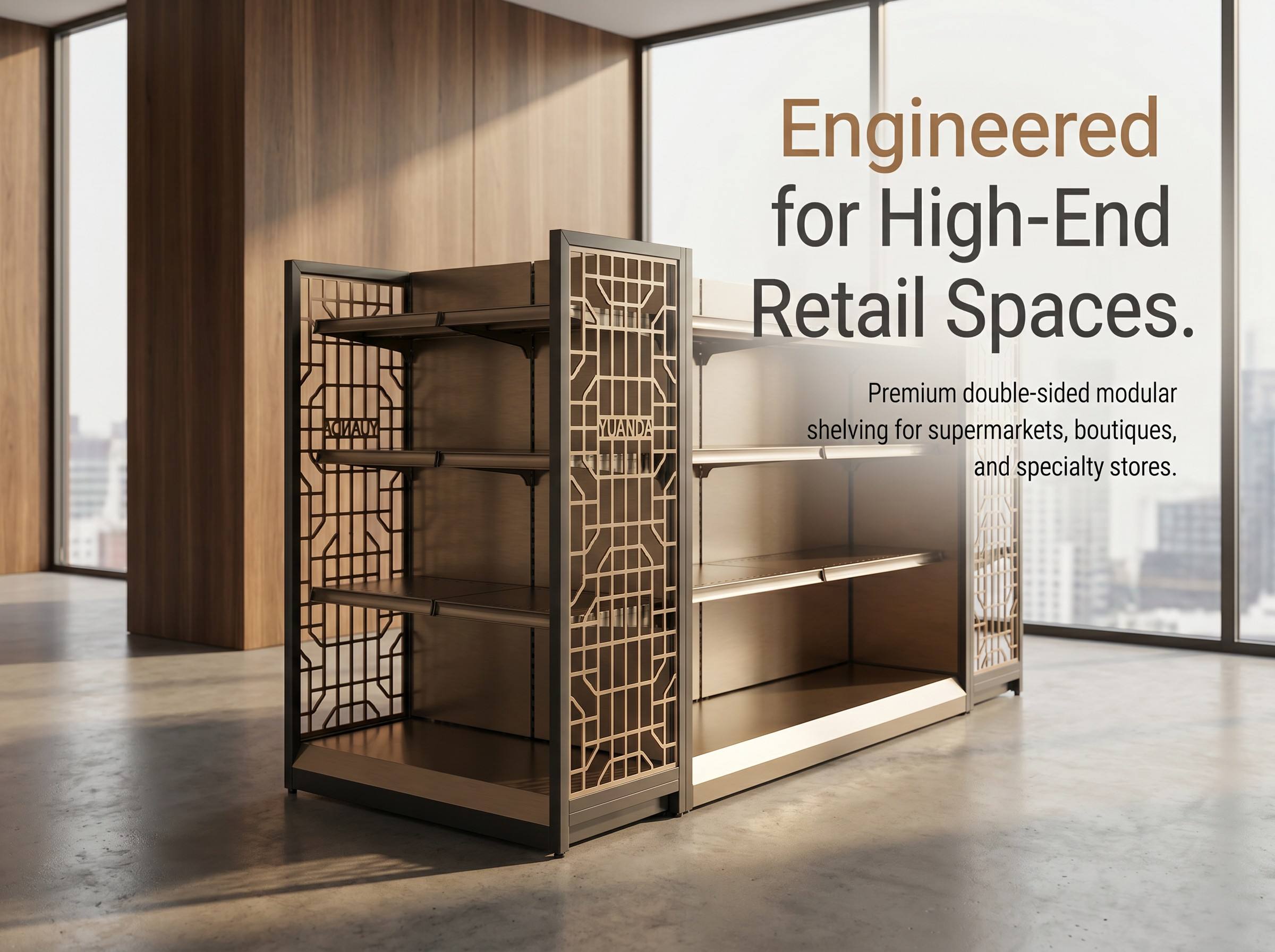
Selecting the right shelving for your retail store is one of the most critical decisions you'll make as a business owner. The shelving you choose directly impacts how customers experience your products, how efficiently your staff can restock inventory, and ultimately how much revenue you generate per square foot. Whether you operate a small convenience store, a large grocery chain, or a specialty retailer, finding the ideal supermarket shelf supplier and understanding the key criteria for selection can transform your store layout and profitability.
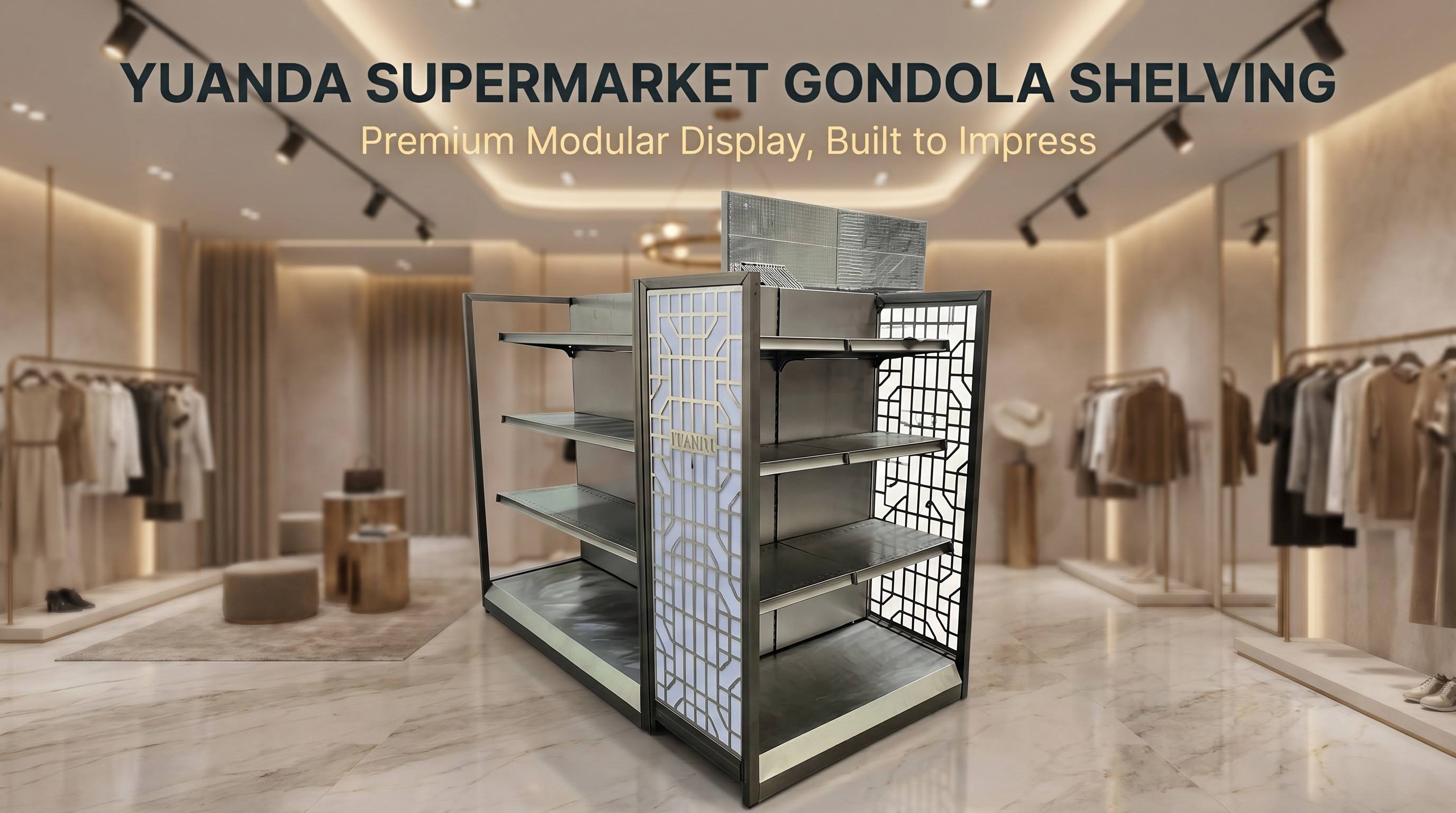
The process of choosing store fixture solutions requires careful consideration of multiple factors. Your decision should balance aesthetics, functionality, durability, and cost. Many retailers make the mistake of focusing solely on price when selecting their retail display shelving, only to discover later that cheaper units deteriorate quickly, require frequent repairs, and ultimately cost more over time. A strategic approach to evaluating commercial shelving systems ensures your investment delivers long-term value and supports your store's growth.
Assessing Your Store Layout and Space Constraints
Evaluating Floor Space and Traffic Patterns
Before you contact a supermarket shelf supplier, measure your available floor space and map out your store's traffic flow. Understanding how customers move through your store helps determine optimal shelf placement and configuration. Consider whether you need free-standing display units, wall-mounted shelving, or a combination of both. The layout of your retail display shelving directly influences how easily customers find products and how naturally their purchasing journey flows through different departments.
Traffic patterns also affect your shelving height and accessibility decisions. High-traffic areas benefit from lower shelves that showcase featured products and encourage impulse purchases. Low-traffic zones can use taller commercial shelving systems to maximize vertical storage while minimizing floor space consumption. A knowledgeable supermarket shelf supplier can help you analyze your space and recommend configurations that maximize visibility and sales potential.
Determining Vertical Space Utilization
Your ceiling height and structural support capacity are fundamental constraints. Store fixture solutions must fit within your physical space while accommodating the products you plan to display. Consider the average shelf life and turnover rates of your inventory. Products that require frequent restocking benefit from middle-height shelves that reduce employee strain and improve efficiency. Heavier items like beverages and canned goods need robust commercial shelving systems with adequate weight capacity, while lighter products can use upper shelves to maximize vertical coverage.
Evaluating Performance Requirements and Product Compatibility
Weight Capacity and Material Considerations
Different retail display shelving options accommodate different product weights and types. Your supermarket shelf supplier should provide detailed specifications about load limits per shelf and total unit capacity. Grocery stores carrying heavy items like bottled water, paint, or pet food require industrial-grade commercial shelving systems with reinforced frames and thick shelving decks. Conversely, apparel stores or specialty shops may prioritize aesthetic appeal and adjustability over maximum weight capacity.
Material composition significantly impacts durability and maintenance requirements. Steel shelving resists warping and handles heavy loads but may rust in humid environments without proper coating. Wire shelving allows visibility and airflow but requires more careful product placement and frequent cleaning. A reputable supermarket shelf supplier offers materials suited to your specific store environment, product types, and maintenance capabilities.
Adjustability and Flexibility for Inventory Changes
Store fixture solutions should accommodate your evolving product mix and seasonal variations. Shelves with adjustable heights and interchangeable components provide flexibility as your inventory needs change. Many retailers underestimate this requirement, then struggle when seasonal products or new suppliers arrive. Quality commercial shelving systems include features like clip-on shelves, movable dividers, and modular components that allow quick reconfiguration without tools or downtime.
Balancing Aesthetics, Functionality, and Long-Term Cost
Visual Design and Brand Alignment
Your retail display shelving communicates your brand identity and store positioning to customers. Premium retailers require polished finishes, clean lines, and professional aesthetics that reinforce their market position. Budget-conscious retailers may prioritize function over appearance but shouldn't sacrifice cleanliness or basic visual appeal. Your supermarket shelf supplier should offer finishes and designs that match your store's overall aesthetic while remaining practical and easy to maintain.
Lighting compatibility is another aesthetic consideration often overlooked. Some store fixture solutions integrate LED lighting or provide mounting points for accent lights that highlight featured products and improve product visibility. These design choices boost the shopping experience and can increase sales without requiring structural modifications.
Total Cost of Ownership and Durability
Comparing upfront prices between suppliers is straightforward, but evaluating true cost of ownership requires deeper analysis. Commercial shelving systems that seem expensive initially often cost less over five to ten years because they resist damage, require minimal maintenance, and maintain their structural integrity under constant use. Budget shelving may generate service calls, frequent repairs, and eventual replacement expenses that exceed the original savings. A trustworthy supermarket shelf supplier provides transparent information about expected lifespan, warranty coverage, and maintenance requirements.
Consider also the labor costs associated with installation, reconfiguration, and maintenance. Modular retail display shelving that your staff can adjust without special tools reduces ongoing labor expenses. Some suppliers offer installation services and training that maximize your shelving investment's performance immediately.
FAQ
What shelf materials work best for grocery stores?
Steel and heavy-duty metal alloys are standard for grocery stores because they handle heavy, dense products and withstand moisture and frequent cleaning. A reliable supermarket shelf supplier typically recommends epoxy-coated steel for humidity resistance and wire shelving for open-air visibility in produce sections. The choice depends on your specific product mix, storage environment, and budget preferences. Most grocery chains use a combination, with commercial shelving systems in back-of-house storage areas and attractive display units in customer-facing sections.
How do I know the weight capacity I need?
Calculate the heaviest products you'll stock and determine how many units fit per shelf, then add the shelf weight itself. For example, if you display beverages with 24 bottles per shelf at 2 pounds each, plus the shelf weight, you need at least 60 pounds capacity per shelf. Your supermarket shelf supplier can help you perform these calculations and recommend retail display shelving with appropriate load ratings. Always allow a safety margin beyond your calculated maximum to account for future inventory changes and uneven weight distribution.
Can commercial shelving systems be reconfigured if my store changes?
Quality store fixture solutions feature modular designs that allow adjustment without permanent modification. Adjustable shelves, removable dividers, and interchangeable components let you adapt your retail display shelving as your product mix evolves. A knowledgeable supermarket shelf supplier can advise on which systems offer maximum flexibility for future changes. Many retailers specifically choose modular commercial shelving systems because they can transition product categories, expand into new sections, or downsize without total replacement investment.