 EN
EN

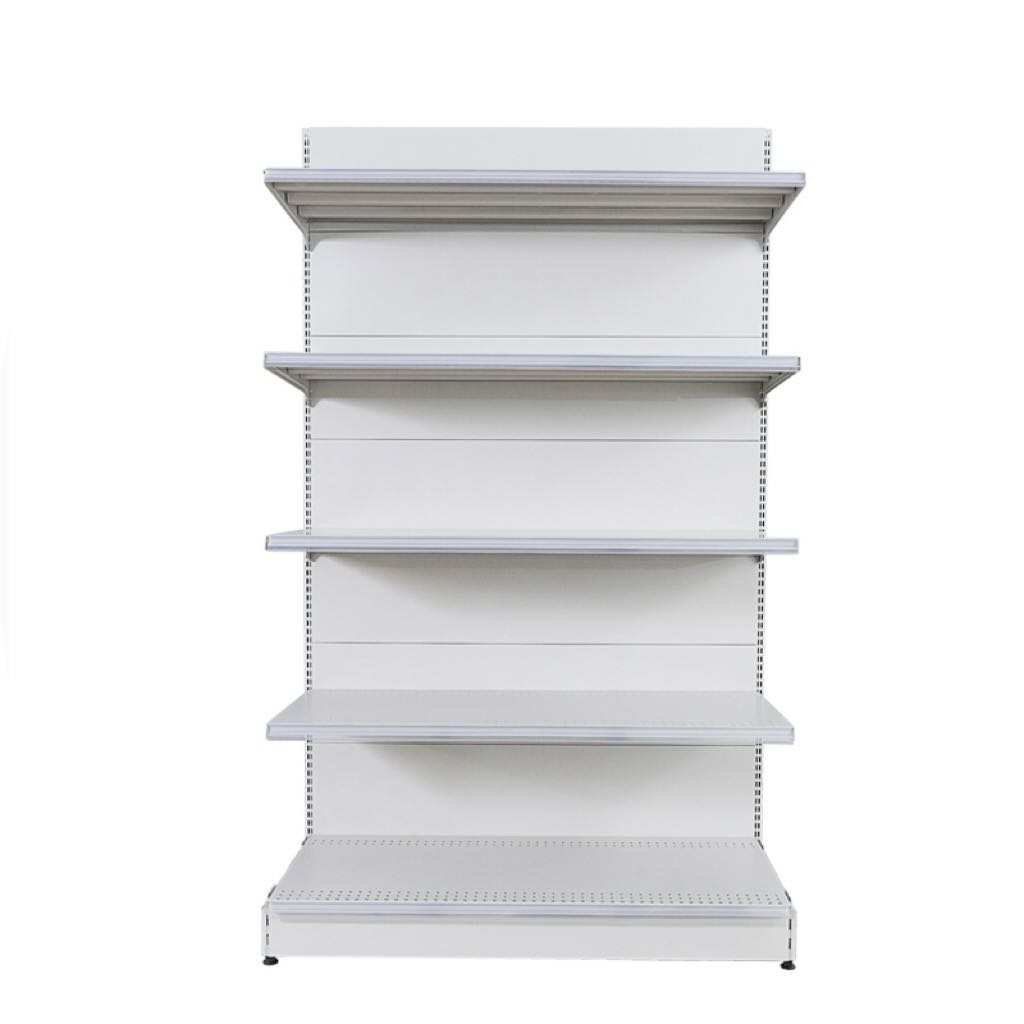
Selecting the appropriate gondola shelf design can transform your retail space from an ordinary store into a strategic merchandising powerhouse. These versatile display systems serve as the backbone of modern retail environments, offering both functionality and visual appeal that directly impacts customer behavior and sales performance. Whether you're launching a new store or renovating an existing space, understanding the nuances of gondola shelf selection will help you maximize your retail investment and create an optimal shopping experience for your customers.
Understanding Gondola Shelf Fundamentals
Basic Structure and Components
The foundation of any effective gondola shelf system lies in understanding its core components and structural elements. These retail fixtures typically consist of a sturdy base, vertical uprights, adjustable shelves, and various accessories that enhance their functionality. The modular design allows retailers to customize configurations based on specific product requirements and store layouts. Most systems feature powder-coated steel construction that provides durability while maintaining an attractive appearance throughout years of heavy commercial use.
Modern gondola shelf systems incorporate sophisticated engineering principles that ensure stability even when fully loaded with merchandise. The base units typically measure between 36 to 48 inches in width, though custom sizes are available for specialized applications. Height options generally range from 54 to 84 inches, allowing retailers to optimize vertical space utilization while maintaining comfortable shopping accessibility. The shelving components feature precise adjustment mechanisms that enable quick reconfiguration as product lines change or seasonal displays require modification.
Material Quality and Construction Standards
The material composition of gondola shelf units directly impacts their longevity, appearance, and overall performance in retail environments. High-grade steel construction with appropriate gauge thickness ensures these fixtures can withstand the demanding conditions of busy retail operations. Premium powder coating processes provide superior corrosion resistance while offering a wide range of color options to complement store aesthetics. Quality manufacturers implement rigorous testing protocols to verify that their products meet or exceed industry standards for weight capacity and structural integrity.
Construction standards vary significantly among manufacturers, making it essential to evaluate specifications carefully before making purchasing decisions. Look for systems that feature welded joints rather than mechanical fasteners in critical stress points, as this construction method provides superior long-term reliability. The shelf brackets should incorporate positive locking mechanisms that prevent accidental displacement during normal use. Additionally, quality units include protective end caps and corner guards that minimize damage from shopping carts and customer contact while maintaining a professional appearance.
Store Layout and Space Optimization
Traffic Flow Considerations
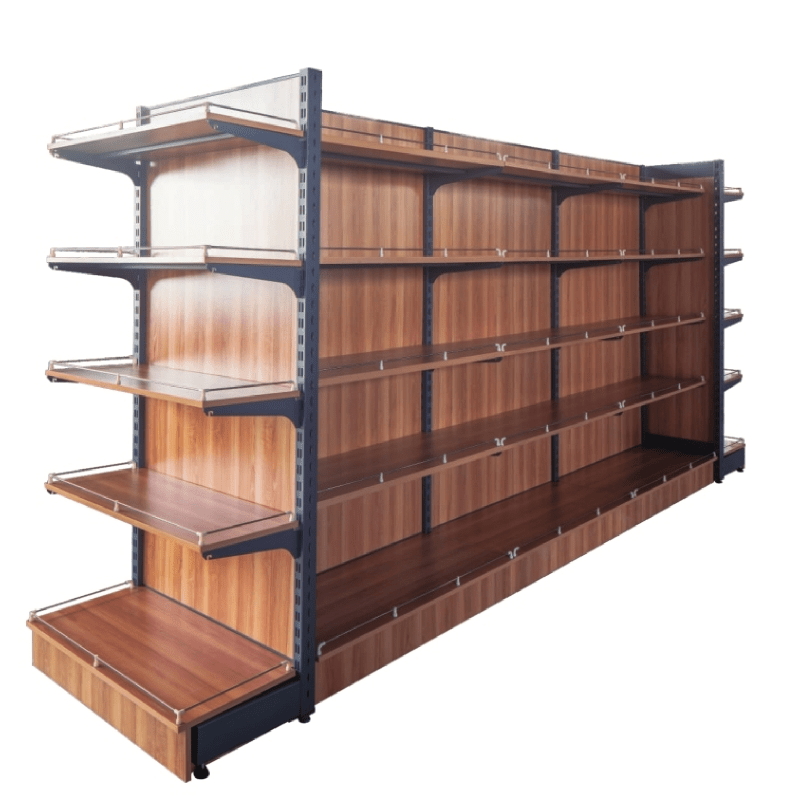
Effective gondola shelf placement requires careful analysis of customer traffic patterns and shopping behaviors within your retail space. Strategic positioning creates natural pathways that guide shoppers through your store while maximizing exposure to key merchandise categories. Consider the relationship between entrance points, checkout areas, and high-traffic zones when developing your layout plan. Proper spacing between gondola shelf units ensures comfortable navigation while preventing the cramped feeling that can discourage browsing and exploration.
The science of retail space planning demonstrates that customers naturally move in predictable patterns influenced by store geometry and fixture placement. Right-handed shoppers typically prefer counterclockwise movement through retail spaces, making this knowledge valuable for optimizing gondola shelf positioning. Create clear sight lines that allow customers to view merchandise from multiple angles while maintaining adequate aisle widths for comfortable shopping experiences. Emergency egress requirements and accessibility compliance must also factor into your planning process to ensure safety and legal compliance.
Ceiling Height and Vertical Space Utilization
Maximizing vertical merchandising space requires careful consideration of ceiling height limitations and customer accessibility requirements. Standard gondola shelf heights work well in most retail environments, but stores with exceptional ceiling clearance can benefit from taller units that increase display capacity without expanding floor footprint. However, merchandise placed above eye level typically experiences reduced sales velocity, making strategic product placement crucial for optimizing revenue per square foot.
Vertical space utilization strategies should balance maximum storage capacity with practical accessibility for both customers and staff. Products requiring frequent restocking benefit from placement at comfortable reaching heights, while slower-moving items can occupy higher shelf positions. Consider implementing step platforms or rolling ladders in areas where tall gondola shelf units necessitate access to upper shelving levels. Proper lighting becomes increasingly important with taller fixtures to ensure adequate illumination of merchandise at all levels.
Merchandise Categories and Display Requirements
Product Weight and Size Specifications
Different merchandise categories impose varying demands on gondola shelf systems, requiring careful matching of fixture capabilities with product specifications. Heavy items such as automotive supplies, tools, or bulk foods require robust shelving with higher weight ratings and potentially shorter spans between support brackets. Conversely, lightweight products like clothing accessories or packaged snacks allow for more flexible configuration options and potentially reduced structural requirements.
Understanding the relationship between product dimensions and shelf spacing helps optimize space utilization while maintaining attractive presentations. Standard shelf depths of 12, 16, or 24 inches accommodate most retail products, but specialized items may require custom solutions. Consider future product line expansions when selecting gondola shelf systems, as modular designs allow for cost-effective modifications rather than complete replacement. Weight distribution across shelving systems should be carefully planned to prevent overloading individual components while maintaining system stability.
Visual Merchandising and Brand Presentation
The aesthetic integration of gondola shelf systems with your overall store design significantly impacts customer perception and brand image. Color coordination between fixtures and existing store elements creates visual harmony that enhances the shopping experience. Consider how different gondola shelf finishes interact with lighting systems, flooring materials, and wall colors to achieve cohesive visual presentation. Premium retailers often specify custom colors or finishes that align precisely with established brand guidelines and corporate identity standards.
Effective visual merchandising requires gondola shelf systems that support various display accessories and signage options. Look for units with integrated sign holders, price tag strips, and accessory mounting points that facilitate professional product presentations. The ability to incorporate dividers, product stops, and specialized display hooks expands merchandising flexibility while maintaining organized appearances. Consider how seasonal decoration requirements might influence accessory needs and ensure your chosen system accommodates these periodic modifications.
Budget Planning and Return on Investment
Initial Investment Considerations
Developing a realistic budget for gondola shelf systems requires comprehensive evaluation of both immediate costs and long-term value propositions. Initial investment calculations should include not only the fixture purchase price but also installation expenses, potential site preparation requirements, and any necessary modifications to existing infrastructure. Quality systems represent significant upfront investments but typically provide superior durability and lower lifetime costs compared to economy alternatives.
Consider the relationship between fixture quality and ongoing maintenance requirements when evaluating budget options. Premium gondola shelf systems often feature enhanced finishes and construction methods that reduce cleaning time and repair frequency. Factor in the potential costs of early replacement or frequent repairs when comparing different price points. Additionally, evaluate whether your chosen supplier offers installation services, training programs, or ongoing support that adds value beyond the basic product cost.
Long-term Value and Adaptability
The most successful gondola shelf investments provide flexibility for future business evolution and changing merchandise requirements. Modular systems that accommodate easy reconfiguration offer superior long-term value by adapting to new product lines, seasonal changes, or store layout modifications without requiring complete replacement. Consider how your business might evolve over the next five to ten years and select systems that can grow with your changing needs.
Resale value becomes an important consideration for retailers who frequently relocate or expand their operations. High-quality gondola shelf systems from reputable manufacturers typically retain significant value and can be successfully relocated to new facilities or sold to other retailers. This residual value effectively reduces the true cost of ownership and should factor into your financial analysis. Documentation of purchase specifications and maintenance records helps preserve value and facilitates future transactions.
Installation and Maintenance Requirements
Professional Installation vs. Self-Assembly
The complexity of gondola shelf installation varies significantly depending on system design, store layout requirements, and local building codes. Professional installation services ensure proper assembly, appropriate anchoring, and compliance with safety regulations while potentially providing warranty coverage for both products and workmanship. However, some retailers prefer self-installation to reduce costs and maintain greater control over project timelines.
Evaluate your internal capabilities and available resources when deciding between professional and self-installation options. Consider factors such as staff availability, technical expertise, and access to appropriate tools and equipment. Professional installers bring specialized knowledge of local building codes, safety requirements, and optimal assembly techniques that can prevent costly mistakes or safety issues. Additionally, many manufacturers require professional installation to maintain warranty coverage, making this an important factor in your decision process.
Ongoing Maintenance and Care
Establishing proper maintenance procedures extends the lifespan of gondola shelf systems while preserving their appearance and functionality throughout years of commercial use. Regular cleaning schedules should address both routine dust and debris removal as well as periodic deep cleaning to maintain professional appearances. Different finish types require specific cleaning products and techniques to prevent damage or premature wear.
Preventive maintenance programs should include regular inspection of mechanical components, adjustment mechanisms, and structural connections. Early identification of wear patterns or potential problems allows for proactive repairs that prevent more serious issues and extended downtime. Maintain relationships with qualified service technicians who understand your specific gondola shelf systems and can provide efficient repair services when needed. Proper maintenance documentation helps track system performance and can be valuable for warranty claims or future planning purposes.
FAQ
What is the typical lifespan of a quality gondola shelf system?
A well-constructed gondola shelf system from a reputable manufacturer typically provides 15 to 20 years of reliable service in normal retail environments. The actual lifespan depends on factors such as usage intensity, maintenance quality, and environmental conditions. Premium systems with superior materials and construction may exceed these expectations, while budget alternatives might require replacement sooner. Regular maintenance and proper use significantly extend system longevity regardless of initial quality level.
How do I determine the appropriate weight capacity for my merchandise?
Calculate the total weight of products you plan to display on each shelf level, then add a safety margin of at least 25% to account for temporary overloading during restocking or seasonal peaks. Most standard gondola shelf systems support 150 to 200 pounds per shelf level when properly distributed. Heavy items require systems with higher weight ratings and potentially closer bracket spacing. Consult manufacturer specifications and consider professional consultation for unusual weight requirements or specialized applications.
Can gondola shelf systems be reconfigured after initial installation?
Quality modular gondola shelf systems are specifically designed for easy reconfiguration to accommodate changing business needs. Shelf heights can typically be adjusted without tools, while adding or removing sections requires basic assembly procedures. However, significant layout changes may require additional components or professional assistance to ensure proper stability and safety. Document your original configuration to facilitate future modifications and maintain manufacturer contact information for technical support.
What accessories are essential for maximizing gondola shelf functionality?
Essential accessories include dividers for product organization, price tag strips for clear pricing display, and end caps to maximize merchandising space at aisle ends. Sign holders enable effective product promotion and wayfinding, while specialized hooks and displays accommodate hanging merchandise. Consider your specific product mix when selecting accessories, as different retail categories benefit from different display solutions. Quality accessory systems integrate seamlessly with the main fixture while providing flexibility for future changes.