 EN
EN

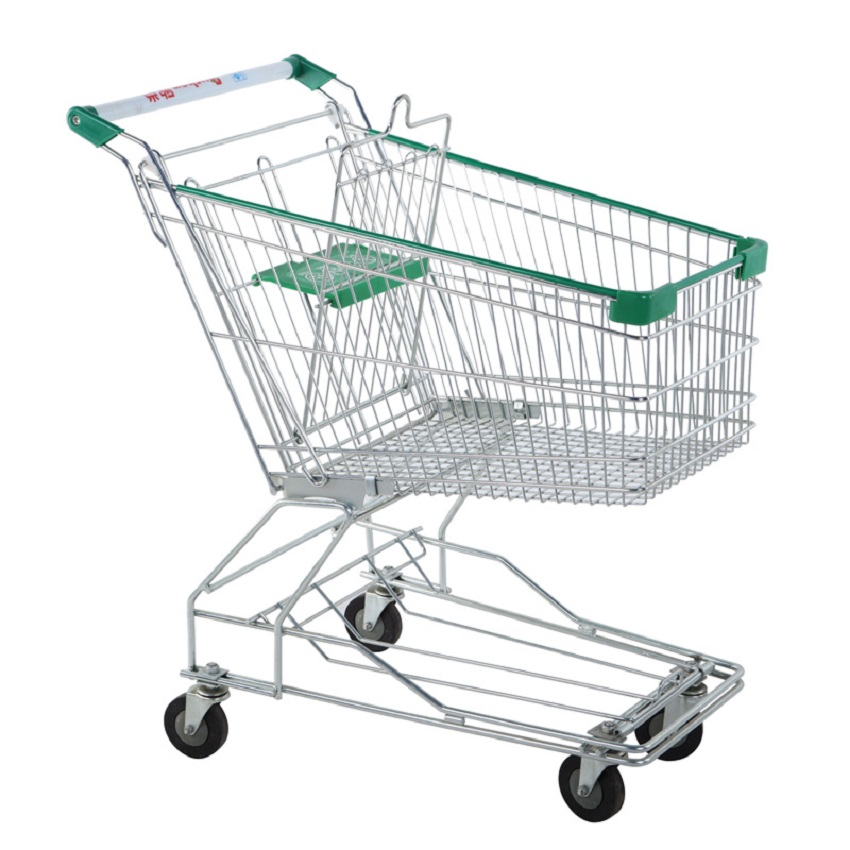
Retail environments present unique challenges when it comes to maintaining customer and employee safety, with shopping trolley safety emerging as a critical concern for modern retailers. The proper management of shopping trolleys extends far beyond simple customer convenience, encompassing liability protection, accident prevention, and operational efficiency. Understanding the comprehensive aspects of shopping trolley safety helps retailers create secure environments that protect both customers and staff while maintaining smooth business operations.
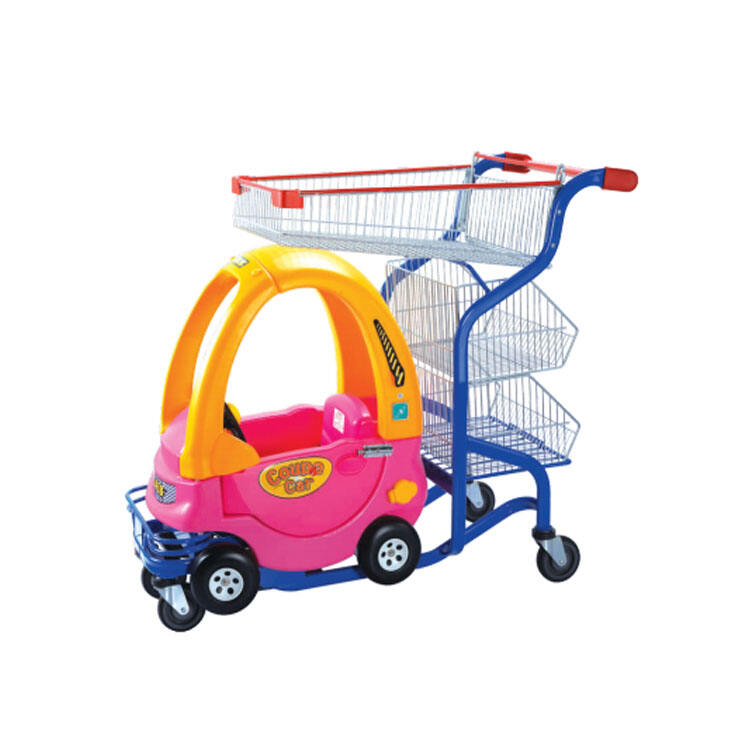
Modern retail establishments must navigate complex safety regulations while ensuring customer satisfaction and operational productivity. Shopping trolley safety encompasses mechanical integrity, proper maintenance protocols, staff training requirements, and customer education initiatives. Retailers who prioritize comprehensive safety measures create competitive advantages through reduced insurance costs, improved customer loyalty, and enhanced brand reputation in increasingly safety-conscious markets.
Essential Components of Shopping Trolley Safety Programs
Mechanical Integrity and Regular Inspections
Maintaining optimal shopping trolley safety requires systematic inspection protocols that identify potential hazards before they compromise customer or employee wellbeing. Professional maintenance teams should conduct weekly assessments examining wheel functionality, handle stability, basket integrity, and locking mechanisms. These inspections reveal wear patterns, structural weaknesses, and component failures that could lead to accidents or injuries during normal usage.
Documentation of inspection results creates valuable maintenance histories that inform replacement schedules and identify recurring issues across trolley fleets. Retailers implementing comprehensive inspection programs typically experience significant reductions in accident-related insurance claims and customer complaints. Regular mechanical assessments also extend trolley lifespan, reducing long-term replacement costs while maintaining consistent shopping trolley safety standards throughout retail operations.
Staff Training and Safety Protocols
Effective shopping trolley safety depends heavily on properly trained staff who understand proper handling procedures, maintenance requirements, and customer assistance protocols. Training programs should cover trolley collection techniques, storage procedures, customer interaction guidelines, and emergency response protocols. Well-trained employees recognize potential safety hazards quickly and take appropriate action to prevent accidents before they occur.
Ongoing training reinforcement ensures staff maintain high safety standards despite personnel changes and operational pressures. Regular safety meetings, refresher courses, and practical demonstrations help employees stay current with best practices and regulatory requirements. Investment in comprehensive staff training typically yields measurable improvements in shopping trolley safety performance and overall workplace safety metrics.
Customer Safety Education and Communication
Clear Signage and Usage Guidelines
Effective customer communication regarding shopping trolley safety begins with strategically placed signage that clearly explains proper usage guidelines and safety precautions. Visual communications should address weight limits, proper loading techniques, child supervision requirements, and parking procedures. Well-designed signage reduces customer confusion while promoting safe trolley handling practices throughout retail environments.
Multi-language signage accommodates diverse customer populations and ensures safety information reaches all shoppers effectively. Regular updates to signage content reflect changing safety requirements and emerging best practices in shopping trolley safety management. Clear communication strategies typically correlate with reduced accident rates and improved customer compliance with safety protocols.
Child Safety Considerations
Shopping trolley safety requires special attention to child-related hazards, including proper seating arrangements, supervision guidelines, and age-appropriate usage recommendations. Retailers must clearly communicate weight restrictions for child seating areas and provide guidance on appropriate supervision levels. Safety belts, secure latching mechanisms, and rounded edges represent essential design features that enhance child protection during shopping activities.
Educational materials should emphasize parental responsibility for child supervision while using shopping trolleys. Clear guidelines regarding child seating, standing restrictions, and trolley pushing limitations help prevent accidents and injuries. Proactive child safety measures demonstrate retailer commitment to family-friendly environments while reducing liability exposure and insurance claims related to shopping trolley safety incidents.
Maintenance Protocols and Equipment Management
Preventive Maintenance Schedules
Systematic preventive maintenance forms the foundation of effective shopping trolley safety programs, requiring scheduled interventions that address wear patterns before they compromise operational safety. Monthly lubrication schedules, quarterly deep cleaning protocols, and annual component replacement programs maintain trolley fleets in optimal condition. Preventive approaches typically cost significantly less than reactive repairs while maintaining consistent safety standards.
Digital maintenance tracking systems enable retailers to monitor individual trolley performance, schedule interventions, and optimize replacement cycles. Data-driven maintenance decisions improve resource allocation while ensuring shopping trolley safety requirements remain satisfied across entire retail operations. Consistent preventive maintenance also enhances customer experience through reliable trolley availability and smooth operation.
Storage and Environmental Considerations
Proper storage protocols significantly impact shopping trolley safety by protecting equipment from weather damage, theft, and vandalism while maintaining accessibility for customers and staff. Covered storage areas prevent moisture accumulation that leads to rust, corrosion, and mechanical failures. Well-organized storage systems also facilitate efficient inspection procedures and maintenance activities.
Environmental factors such as temperature fluctuations, precipitation, and UV exposure affect trolley longevity and safety performance. Retailers operating in harsh climates require enhanced protection measures and modified maintenance schedules to maintain shopping trolley safety standards. Strategic storage planning reduces long-term replacement costs while ensuring consistent equipment availability during peak shopping periods.
Regulatory Compliance and Legal Considerations
Industry Standards and Certification Requirements
Shopping trolley safety compliance involves understanding complex regulatory frameworks that vary by jurisdiction and retail sector. Industry standards address construction materials, weight capacities, safety features, and performance specifications that ensure customer protection. Retailers must maintain current knowledge of applicable regulations and ensure their trolley fleets meet or exceed minimum safety requirements.
Third-party certification programs provide independent verification of shopping trolley safety compliance while demonstrating retailer commitment to customer protection. Certification processes typically involve rigorous testing, documentation review, and ongoing monitoring requirements. Investment in certified equipment often reduces insurance premiums while providing legal protection in case of accidents or liability claims.
Documentation and Record Keeping
Comprehensive documentation supports shopping trolley safety programs by creating audit trails, maintenance histories, and compliance evidence that protect retailers during legal proceedings or insurance investigations. Detailed records should include inspection reports, maintenance activities, staff training completion, and incident documentation. Digital record-keeping systems facilitate easy retrieval and analysis of safety-related information.
Regular documentation reviews identify trends, patterns, and improvement opportunities within shopping trolley safety programs. Well-maintained records demonstrate due diligence and professional management practices that support legal defense strategies. Consistent documentation also facilitates regulatory inspections and insurance audits while supporting continuous improvement initiatives.
Technology Integration and Modern Solutions
Smart Trolley Systems and Monitoring
Advanced technology integration enhances shopping trolley safety through real-time monitoring, automated maintenance alerts, and usage tracking capabilities. Smart trolley systems provide valuable data regarding customer behavior, equipment performance, and maintenance requirements. GPS tracking prevents theft while enabling efficient collection and distribution management across retail properties.
Sensor-based monitoring systems detect mechanical issues before they compromise shopping trolley safety, enabling proactive maintenance interventions. Digital solutions also support customer communication through mobile applications that provide usage guidelines, safety reminders, and assistance requests. Technology integration typically improves operational efficiency while enhancing overall safety performance and customer satisfaction.
Data Analytics and Performance Optimization
Data analytics capabilities enable retailers to optimize shopping trolley safety programs through evidence-based decision making and predictive maintenance strategies. Performance metrics including accident rates, maintenance costs, and customer satisfaction scores provide objective measures of program effectiveness. Analytics platforms identify improvement opportunities and support resource allocation decisions that maximize safety outcomes.
Predictive analytics help retailers anticipate maintenance requirements, optimize replacement schedules, and prevent safety incidents through proactive interventions. Data-driven approaches typically reduce operational costs while improving shopping trolley safety performance across retail operations. Regular performance analysis also supports continuous improvement initiatives and regulatory compliance efforts.
FAQ
How often should retail stores inspect their shopping trolleys for safety issues
Retail stores should conduct visual safety inspections of shopping trolleys daily, with more comprehensive mechanical inspections performed weekly. Monthly deep inspections should examine all moving parts, structural components, and safety features. The frequency may need to increase based on usage volume, environmental conditions, and manufacturer recommendations to maintain optimal shopping trolley safety standards.
What are the most common shopping trolley safety hazards that retailers should address
The most frequent shopping trolley safety hazards include faulty wheels causing sudden stops, loose handles leading to loss of control, damaged baskets with sharp edges, and malfunctioning child safety restraints. Other significant risks involve improper weight distribution, inadequate braking systems, and structural wear that compromises stability during normal use.
Are retailers legally liable for accidents involving shopping trolleys on their property
Retailers can be held legally liable for shopping trolley accidents if negligence in maintenance, inspection, or safety protocols contributed to the incident. Liability often depends on whether the retailer followed industry standards, maintained proper documentation, and provided adequate safety warnings. Comprehensive shopping trolley safety programs and proper insurance coverage help protect against legal exposure.
What safety features should retailers look for when purchasing new shopping trolleys
Essential safety features for new shopping trolleys include reliable wheel systems with smooth operation, ergonomic handles with secure grip surfaces, child safety restraints that meet current standards, and robust construction materials that withstand regular use. Additional features such as automatic braking systems, rounded edges, and anti-tip designs enhance shopping trolley safety performance in busy retail environments.
Table of Contents
- Essential Components of Shopping Trolley Safety Programs
- Customer Safety Education and Communication
- Maintenance Protocols and Equipment Management
- Regulatory Compliance and Legal Considerations
- Technology Integration and Modern Solutions
-
FAQ
- How often should retail stores inspect their shopping trolleys for safety issues
- What are the most common shopping trolley safety hazards that retailers should address
- Are retailers legally liable for accidents involving shopping trolleys on their property
- What safety features should retailers look for when purchasing new shopping trolleys