 EN
EN

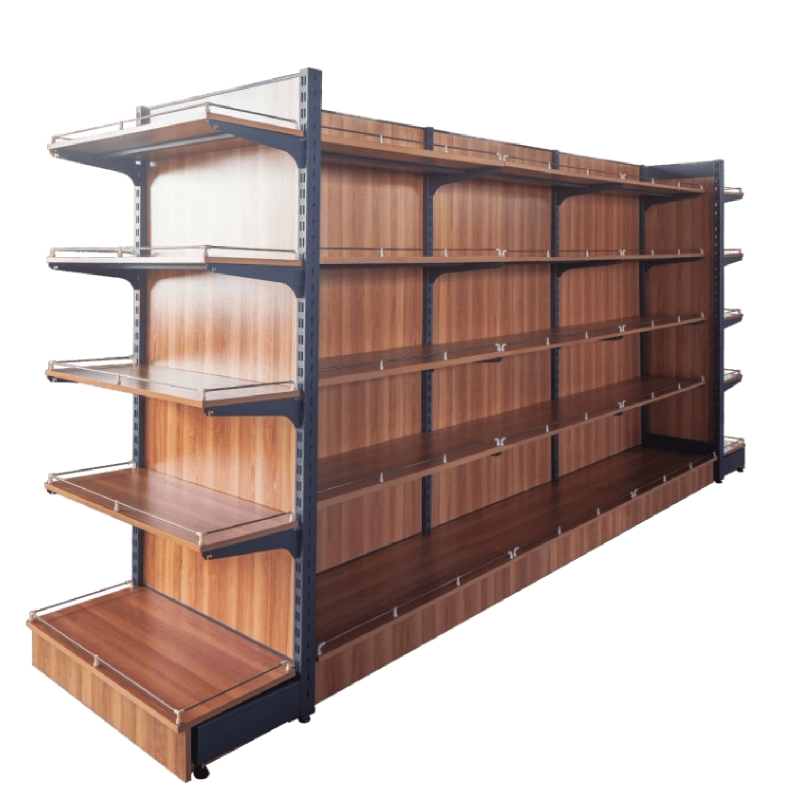
Retail space optimization remains one of the most critical challenges facing supermarket owners and managers today. With rising real estate costs and increasing competition, maximizing every square foot of available space has become essential for maintaining profitability. Effective supermarket shelving strategies can transform underutilized areas into revenue-generating zones while improving customer experience and operational efficiency.
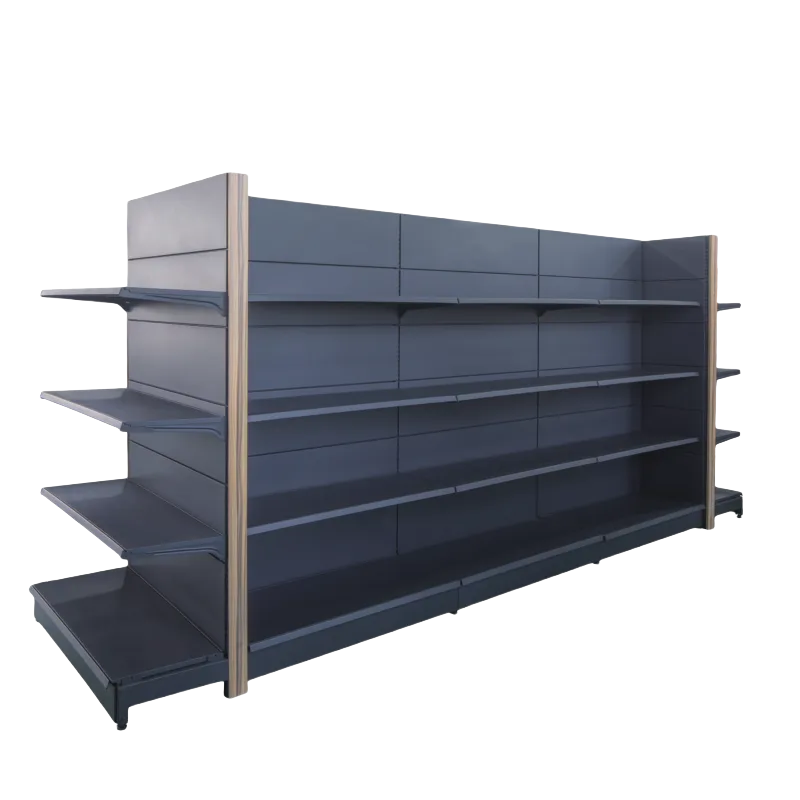
Modern supermarket shelving systems offer unprecedented flexibility and functionality compared to traditional fixed installations. Store owners can now implement dynamic layouts that adapt to seasonal changes, promotional campaigns, and evolving customer preferences. Understanding the principles of space maximization through strategic shelving placement enables retailers to increase product capacity while maintaining clear sightlines and comfortable navigation paths for shoppers.
Strategic Layout Planning for Maximum Efficiency
Understanding Traffic Flow Patterns
Customer movement patterns significantly influence how supermarket shelving should be positioned throughout the store. Analyzing heat maps and observing shopper behavior reveals optimal placement zones for different product categories. High-traffic areas near entrances and checkout zones require carefully planned supermarket shelving configurations that avoid bottlenecks while encouraging impulse purchases.
Strategic placement of promotional displays and seasonal merchandise creates natural flow channels that guide customers through the entire store. Wide aisles between supermarket shelving units accommodate shopping carts and wheelchairs while preventing congestion during peak hours. This thoughtful approach to traffic management increases customer satisfaction and extends average shopping duration.
Vertical Space Utilization Techniques
Many retailers overlook the potential of vertical space when planning their supermarket shelving layouts. Utilizing ceiling height effectively can increase display capacity by thirty to fifty percent without expanding floor area. Adjustable shelving systems allow for customized height configurations that accommodate products of varying dimensions while maintaining visual appeal.
Premium positioning on upper shelves works effectively for lightweight, high-margin items that customers seek specifically. Lower shelves remain ideal for heavy products and children's merchandise. This strategic vertical distribution through proper supermarket shelving design maximizes revenue per square foot while ensuring product accessibility for all customer demographics.
Modern Shelving Systems and Configuration Options
Adjustable and Modular Solutions
Contemporary supermarket shelving systems prioritize adaptability and ease of reconfiguration. Modular components enable rapid layout changes without requiring specialized tools or extensive downtime. This flexibility proves invaluable during seasonal transitions, promotional events, and category resets that demand quick shelf adjustments.
Investment in quality adjustable supermarket shelving pays dividends through reduced labor costs and improved merchandising capabilities. Staff can modify shelf heights, depths, and configurations in minutes rather than hours. This efficiency allows for more frequent planogram updates and responsive inventory management that keeps pace with changing consumer demands.
Double-Sided Display Advantages
Double-sided supermarket shelving units maximize product exposure while creating efficient aisle configurations throughout the store. These systems display merchandise on both faces, effectively doubling the available shelf space without requiring additional floor area. Strategic placement of double-sided units creates natural department boundaries while maintaining open sightlines across the store.
The versatility of double-sided supermarket shelving extends beyond basic product display. End caps and promotional areas benefit from bidirectional visibility that captures customer attention from multiple angles. This enhanced exposure increases product visibility and can significantly boost sales for featured merchandise and impulse purchase items.
Category-Specific Space Optimization Strategies
Fresh Produce and Refrigerated Sections
Fresh merchandise requires specialized supermarket shelving solutions that balance accessibility with temperature control and visual appeal. Refrigerated display cases demand careful spacing to ensure proper air circulation while maximizing product capacity. Open-front refrigeration units integrated with appropriate shelving create seamless cold chain management without sacrificing display effectiveness.
Produce sections benefit from tiered supermarket shelving that creates attractive abundance displays while facilitating easy restocking and rotation procedures. Slanted shelves improve product visibility and encourage customer interaction with fresh items. Proper drainage and ventilation considerations ensure product quality while optimizing available display space for maximum revenue generation.
Dry Goods and Packaged Products
Packaged goods represent the largest category in most supermarkets and offer the greatest opportunities for space optimization through strategic supermarket shelving deployment. Standard shelf heights and depths can accommodate multiple product facings while maintaining clean, organized appearances that appeal to customers and simplify inventory management procedures.
Weight distribution becomes critical when planning supermarket shelving for heavy items like canned goods and beverages. Reinforced shelving systems prevent sagging and structural damage while maintaining long-term stability. Proper weight placement on lower shelves enhances safety while freeing upper levels for lighter, higher-margin products that benefit from elevated positioning.
Technology Integration and Smart Solutions
Digital Price Tags and Information Systems
Modern supermarket shelving incorporates mounting points and cable management systems that support electronic shelf labels and digital displays. These technological integrations eliminate manual price changes while providing real-time inventory information and promotional messaging capabilities. Integrated technology reduces labor costs while improving pricing accuracy and customer information access.
Smart supermarket shelving systems can incorporate sensors that monitor inventory levels and automatically trigger restocking alerts. This technology prevents stockouts while optimizing shelf space utilization through data-driven replenishment scheduling. Advanced systems provide detailed analytics about product performance and customer interaction patterns that inform future layout decisions.
Lighting and Visual Merchandising
Integrated lighting solutions enhance product visibility while creating attractive displays that draw customer attention to specific areas. LED strip lighting mounted within supermarket shelving structures provides even illumination without generating excessive heat or consuming significant energy. This lighting improvement increases perceived product quality while reducing overall store lighting requirements.
Color-coordinated supermarket shelving and signage create cohesive visual themes that guide customers through different departments while reinforcing brand identity. Consistent color schemes and materials throughout the shelving system create professional appearances that enhance customer confidence and encourage longer shopping sessions.
Maintenance and Long-Term Considerations
Durability and Material Selection
High-quality supermarket shelving materials resist wear from constant use while maintaining attractive appearances over extended periods. Powder-coated steel and aluminum components provide corrosion resistance essential in food retail environments where cleaning chemicals and moisture exposure occur regularly. Investment in durable materials reduces replacement costs while ensuring consistent store appearances.
Regular maintenance schedules preserve supermarket shelving functionality and appearance while identifying potential issues before they impact operations. Routine inspections of mounting hardware, shelf surfaces, and structural components prevent accidents while extending equipment lifespan. Preventive maintenance programs reduce emergency repair costs while maintaining optimal space utilization efficiency.
Cleaning and Sanitation Requirements
Food safety regulations mandate specific cleaning protocols for supermarket shelving in contact with food products. Smooth, non-porous surfaces facilitate thorough cleaning while preventing bacterial growth and contamination. Removable shelf components simplify deep cleaning procedures while allowing for thorough sanitization of all surfaces and connection points.
Design features that minimize dust accumulation and simplify cleaning procedures reduce labor requirements while maintaining compliance with health department standards. Rounded corners and seamless construction eliminate difficult-to-clean crevices where contaminants might accumulate. These design considerations support food safety while reducing maintenance costs and improving operational efficiency.
FAQ
What spacing should be maintained between supermarket shelving units
Standard aisle widths between supermarket shelving units should measure at least 44 inches to accommodate shopping carts and comply with accessibility requirements. Main traffic aisles require wider spacing of 60 inches or more to handle peak customer volumes safely. These measurements ensure comfortable navigation while maximizing product display capacity within available floor space.
How often should supermarket shelving layouts be reconfigured
Most successful retailers reconfigure their supermarket shelving layouts seasonally or quarterly to accommodate changing product mixes and promotional requirements. Major layout changes typically occur twice yearly, while minor adjustments happen monthly based on sales data and inventory requirements. Flexibility in shelving systems allows for responsive layout modifications without significant downtime or labor costs.
What weight capacity should supermarket shelving support
Commercial supermarket shelving should support distributed loads of 75-100 pounds per linear foot on standard shelves. Heavy-duty applications like canned goods require reinforced systems capable of supporting 150 pounds per linear foot or more. Weight capacity specifications must account for maximum loading scenarios while maintaining structural integrity and safety margins throughout the shelving system's operational life.
How can supermarket shelving improve inventory management
Well-designed supermarket shelving systems facilitate first-in-first-out rotation through strategic product placement and access points. Clear labeling systems and consistent shelf positioning reduce restocking time while minimizing inventory errors. Adjustable shelving accommodates varying package sizes efficiently, reducing waste space while improving inventory turnover rates and product freshness management.