 EN
EN

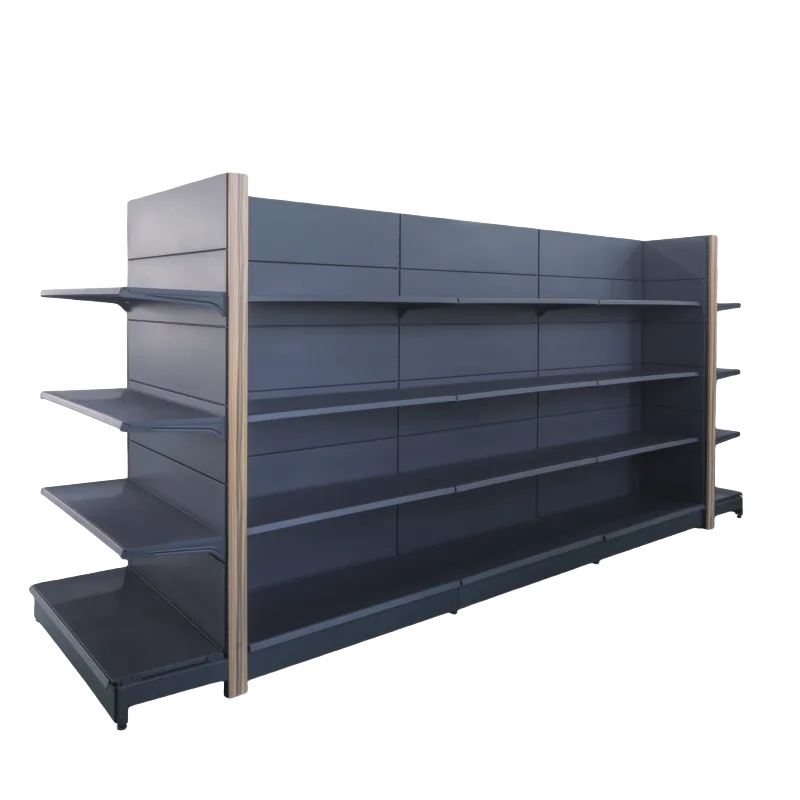
Modern retail success hinges on strategic shelf layout strategies that maximize product visibility, enhance customer flow, and ultimately drive sales performance. Retailers across various industries understand that effective merchandising goes beyond simply placing products on shelves – it requires careful consideration of consumer behavior, product positioning, and visual appeal. The implementation of proven shelf layout strategies can transform underperforming retail spaces into high-converting sales environments that engage customers and encourage purchases.
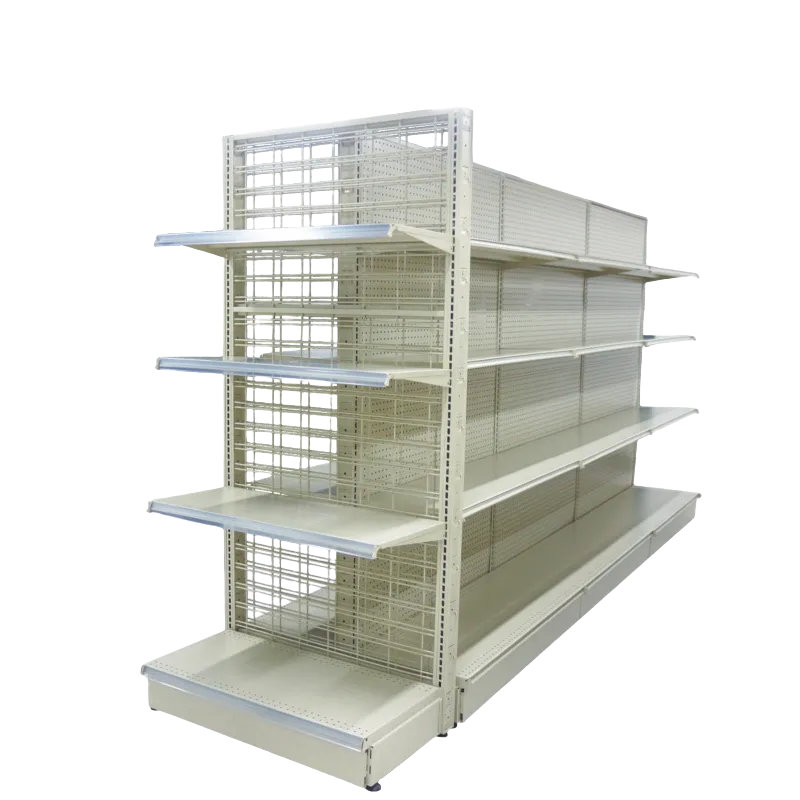
Understanding Consumer Psychology in Retail Environments
Eye-Level Positioning and Visual Impact
Research consistently demonstrates that products positioned at eye level generate significantly higher sales than those placed at other heights. This fundamental principle of shelf layout strategies acknowledges that customers naturally gravitate toward items within their immediate line of sight. Retailers leverage this behavior by placing high-margin products at optimal viewing heights, typically between 5 and 6 feet from the floor for adult consumers.
The visual impact of eye-level positioning extends beyond simple product placement. Colors, packaging design, and brand recognition all play crucial roles in capturing customer attention. Successful shelf layout strategies incorporate these visual elements to create compelling product displays that stand out in crowded retail environments. Strategic use of contrasting colors and organized product groupings can guide customer attention toward specific items or product categories.
Traffic Flow and Customer Movement Patterns
Understanding how customers move through retail spaces forms the foundation of effective shelf layout strategies. Most shoppers follow predictable patterns when navigating stores, typically moving from right to left and following the perimeter before exploring central aisles. This knowledge enables retailers to position high-priority products along natural traffic paths and create strategic pause points that encourage browsing and purchasing decisions.
Heat mapping technology and customer behavior studies reveal that certain areas of retail spaces receive more attention than others. These high-traffic zones represent prime real estate for implementing targeted shelf layout strategies. By analyzing customer movement data, retailers can optimize product placement to maximize exposure and increase the likelihood of impulse purchases throughout the shopping journey.
Strategic Product Categorization and Grouping
Category Management Principles
Effective shelf layout strategies rely heavily on logical product categorization that aligns with customer expectations and shopping habits. Category management involves grouping related items together while maintaining clear boundaries between different product types. This approach simplifies the shopping experience and helps customers locate desired items quickly, reducing frustration and increasing satisfaction levels.
Professional retailers implement sophisticated category management systems that consider factors such as purchase frequency, seasonal variations, and complementary product relationships. These comprehensive shelf layout strategies ensure that product placement decisions support overall business objectives while maintaining customer-friendly organization schemes. Regular category performance analysis enables continuous optimization of product groupings and positioning strategies.
Cross-Merchandising Opportunities
Smart cross-merchandising represents one of the most powerful shelf layout strategies for increasing average transaction values and introducing customers to new products. This approach involves strategically placing complementary items near each other to encourage additional purchases. For example, positioning cooking ingredients near kitchen utensils or placing accessories adjacent to main products creates natural purchasing combinations.
Successful cross-merchandising requires deep understanding of customer purchase patterns and product relationships. Data-driven shelf layout strategies use sales analytics to identify high-performing product combinations and replicate these arrangements across multiple locations. This scientific approach to cross-merchandising maximizes revenue opportunities while providing genuine value to customers through convenient product pairings.
Maximizing Space Efficiency and Product Visibility
Vertical Space Utilization
Modern retail environments demand efficient use of every available inch of display space. Vertical shelf layout strategies focus on creating multiple product exposure levels while maintaining accessibility and visual appeal. The implementation of adjustable shelving systems allows retailers to accommodate products of varying sizes while optimizing space utilization throughout different seasons and promotional periods.
Height-based product placement requires careful consideration of target demographics and product characteristics. Heavy or frequently purchased items typically perform better on lower shelves, while lightweight specialty products can succeed at higher levels. These nuanced shelf layout strategies balance accessibility concerns with space efficiency requirements to create optimal product arrangements for diverse customer bases.
Depth and Facing Optimization
The number of product facings and the depth of product placement significantly impact sales performance and inventory management. Strategic shelf layout strategies determine optimal facing quantities based on factors such as product velocity, profit margins, and supplier relationships. High-performing products may warrant additional facings to prevent stockouts, while slower-moving items might require fewer facings to allocate space for better-performing alternatives.
Depth optimization involves balancing visual impact with practical stocking considerations. Products with strong visual appeal benefit from deeper displays that create impressive walls of merchandise, while items with lower turnover rates may require shallower displays to prevent excessive inventory buildup. These calculated shelf layout strategies ensure optimal inventory turnover while maintaining attractive product presentations.
Technology Integration and Modern Solutions
Digital Price Tags and Smart Shelving
Contemporary shelf layout strategies increasingly incorporate digital technologies that enhance operational efficiency and customer experience. Electronic shelf labels eliminate manual price change processes while providing real-time pricing accuracy across entire retail operations. These systems support dynamic pricing strategies and promotional campaigns that can be implemented instantly across multiple store locations.
Smart shelving solutions equipped with weight sensors and RFID technology provide valuable data about product movement and customer interaction patterns. This information enables retailers to refine their shelf layout strategies based on actual customer behavior rather than assumptions. The integration of IoT devices creates opportunities for automated inventory management and predictive restocking systems that maintain optimal product availability.
Planogram Software and Layout Optimization Tools
Professional planogram software has revolutionized the development and implementation of shelf layout strategies across retail organizations. These sophisticated tools enable retailers to create detailed visual representations of product arrangements while calculating space utilization, profitability metrics, and compliance rates. Advanced planogram systems integrate with point-of-sale data to recommend optimal product placements based on sales performance and customer preferences.
Modern shelf layout strategies benefit from machine learning algorithms that analyze vast amounts of retail data to identify patterns and opportunities for improvement. These AI-powered systems can suggest product placement modifications, identify underperforming shelf locations, and recommend category adjustments that align with seasonal trends and customer behavior patterns.
Seasonal Adaptations and Promotional Strategies
Holiday and Seasonal Adjustments
Successful retailers understand that effective shelf layout strategies must adapt to seasonal shopping patterns and holiday demand fluctuations. These adaptations involve temporary product repositioning, expanded category allocations, and strategic promotional displays that capitalize on seasonal customer behavior. Planning these seasonal transitions well in advance ensures smooth implementation and maximizes sales opportunities during peak periods.
Seasonal shelf layout strategies require careful coordination between merchandising teams, suppliers, and operations staff. The process involves analyzing historical sales data, predicting demand patterns, and preparing flexible display solutions that can accommodate changing inventory levels. Successful seasonal transitions maintain overall store organization while highlighting relevant products and creating excitement around seasonal offerings.
Promotional Display Integration
Promotional campaigns require specialized shelf layout strategies that balance attention-grabbing displays with regular merchandising needs. End-cap displays, special promotional sections, and featured product areas must be integrated seamlessly into existing store layouts without disrupting customer flow or creating confusion. These promotional elements should enhance rather than compete with established shelf layout strategies.
Effective promotional integration considers factors such as campaign duration, product availability, and customer response patterns. Temporary promotional displays need clear entry and exit strategies that allow for smooth transitions back to standard shelf layout strategies. This planning ensures that promotional campaigns enhance overall sales performance without creating long-term operational challenges.
Performance Measurement and Continuous Improvement
Key Performance Indicators for Shelf Layouts
Measuring the effectiveness of shelf layout strategies requires comprehensive tracking of relevant performance indicators. Sales per linear foot, inventory turnover rates, and customer dwell time provide quantitative measures of layout success. These metrics enable retailers to identify high-performing shelf configurations and replicate successful strategies across multiple locations or product categories.
Advanced analytics platforms can track customer interaction with specific shelf locations, providing insights into the effectiveness of different shelf layout strategies. Heat mapping technology, video analytics, and mobile app usage patterns contribute valuable data for optimizing product placement decisions. Regular analysis of these performance indicators enables continuous refinement of shelf layout strategies to maximize sales performance and customer satisfaction.
Feedback Integration and Layout Refinement
Customer feedback plays a crucial role in validating and improving shelf layout strategies. Direct customer surveys, online reviews, and staff observations provide qualitative insights that complement quantitative performance data. This feedback helps retailers understand customer perspectives on store navigation, product accessibility, and overall shopping experience quality.
Successful shelf layout strategies incorporate regular review cycles that evaluate both performance metrics and customer feedback. These reviews identify opportunities for improvement and guide strategic adjustments that enhance shopping experiences while maintaining operational efficiency. The integration of feedback mechanisms ensures that shelf layout strategies evolve with changing customer preferences and market conditions.
FAQ
How often should shelf layout strategies be reviewed and updated?
Shelf layout strategies should be reviewed quarterly for major assessments and monthly for minor adjustments. Seasonal changes, new product introductions, and promotional campaigns may require more frequent updates. Regular performance monitoring helps identify when modifications are needed to maintain optimal sales performance and customer satisfaction levels.
What factors determine the most effective shelf height for different products?
Product weight, purchase frequency, target demographics, and profit margins are primary factors in determining optimal shelf heights. Heavy items typically belong on lower shelves for safety and accessibility, while high-margin impulse purchases perform well at eye level. Children's products require lower placement, while specialty items can succeed at higher levels with proper signage.
How can small retailers implement professional shelf layout strategies on limited budgets?
Small retailers can implement effective shelf layout strategies through careful planning, customer observation, and gradual improvements. Focus on eye-level placement for high-margin items, logical product groupings, and clean, organized displays. Free planogram software, customer feedback, and sales data analysis provide valuable insights without significant investment costs.
What role does lighting play in successful shelf layout strategies?
Proper lighting is essential for highlighting products and creating attractive displays within shelf layout strategies. LED lighting systems provide energy-efficient solutions that enhance product visibility and color accuracy. Strategic lighting placement can direct customer attention to specific products or sections while creating an inviting shopping atmosphere that encourages longer store visits and increased purchases.
Table of Contents
- Understanding Consumer Psychology in Retail Environments
- Strategic Product Categorization and Grouping
- Maximizing Space Efficiency and Product Visibility
- Technology Integration and Modern Solutions
- Seasonal Adaptations and Promotional Strategies
- Performance Measurement and Continuous Improvement
-
FAQ
- How often should shelf layout strategies be reviewed and updated?
- What factors determine the most effective shelf height for different products?
- How can small retailers implement professional shelf layout strategies on limited budgets?
- What role does lighting play in successful shelf layout strategies?