 EN
EN

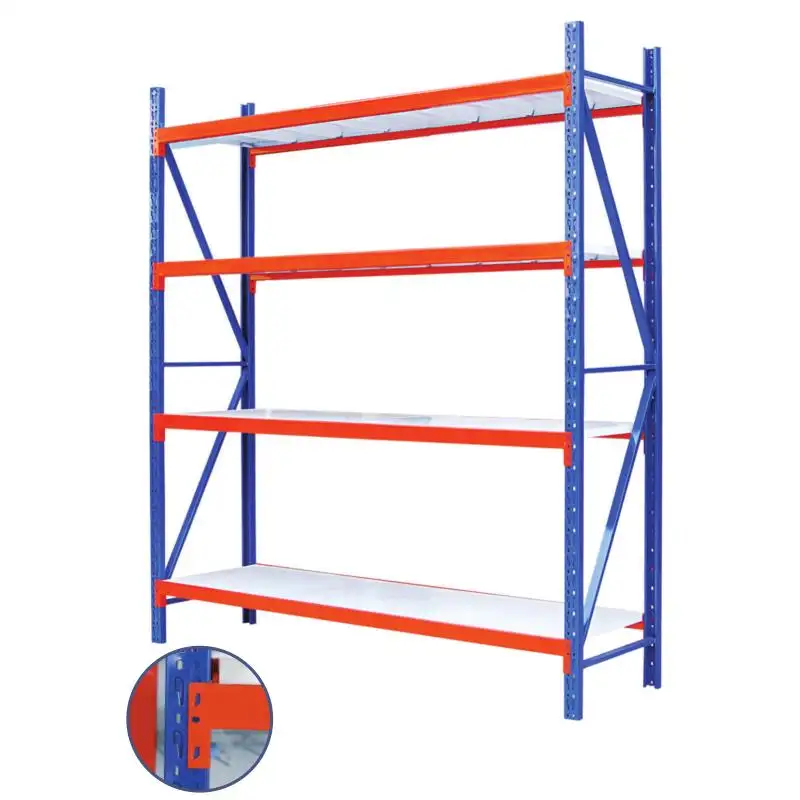
Selecting the optimal warehouse rack setup represents one of the most critical decisions facing modern businesses in their quest to maximize storage efficiency and operational productivity. The complexity of today's supply chain demands requires careful evaluation of multiple factors that directly impact inventory management, worker safety, and long-term profitability. A well-designed warehouse rack setup serves as the backbone of efficient logistics operations, determining how effectively products move through the facility and how quickly orders can be fulfilled. Understanding the fundamental considerations that drive successful racking decisions enables businesses to create storage solutions that adapt to evolving market demands while maintaining operational excellence.
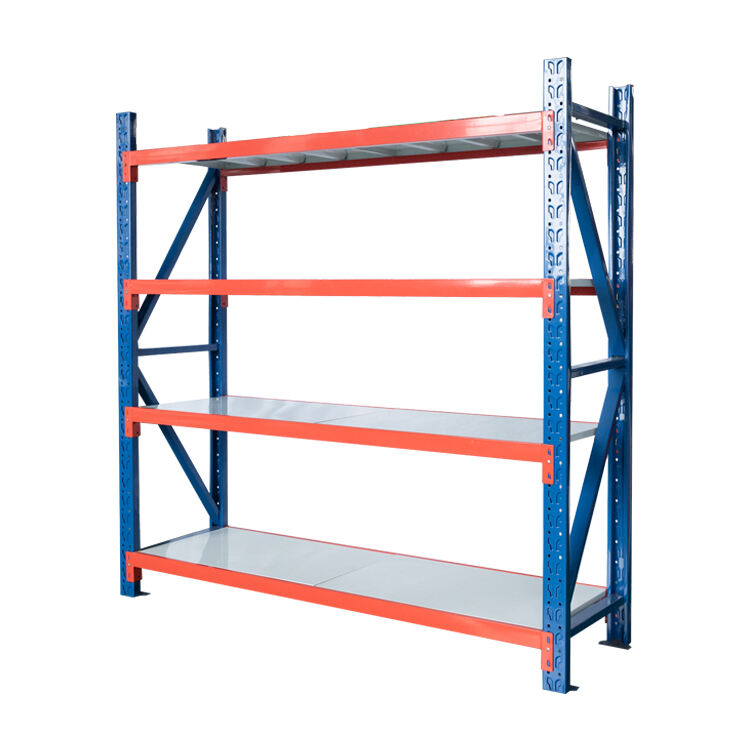
Understanding Warehouse Space Requirements and Layout Planning
Analyzing Available Floor Space and Ceiling Height
The physical dimensions of your warehouse facility establish the foundational parameters for any warehouse rack setup design. Accurate measurement of available floor space includes identifying structural columns, loading docks, fire exits, and utility installations that may restrict racking placement. Ceiling height directly influences the vertical storage potential, with higher ceilings allowing for multi-level storage systems that dramatically increase capacity without expanding the building footprint. Professional space analysis should account for required clearances between rack systems, forklift operating aisles, and safety zones mandated by local building codes.
Modern warehouse facilities often feature irregular layouts that require creative solutions to maximize storage density while maintaining operational efficiency. The warehouse rack setup must accommodate varying ceiling heights across different areas, particularly in older buildings where structural modifications have occurred over time. Strategic placement of taller rack systems in areas with maximum ceiling clearance optimizes vertical space utilization, while lower-profile storage solutions work effectively in constrained areas near building services or HVAC systems.
Traffic Flow Patterns and Operational Efficiency
Effective traffic flow design prevents bottlenecks and reduces the risk of accidents in busy warehouse environments where multiple pieces of equipment operate simultaneously. The warehouse rack setup should create logical pathways that separate incoming and outgoing inventory flows, minimizing cross-traffic between receiving and shipping operations. Wide main aisles facilitate efficient movement of larger equipment, while narrower picking aisles optimize storage density in areas where hand-picking operations predominate.
Strategic placement of fast-moving inventory near shipping areas reduces travel time and improves order fulfillment speed, directly impacting customer satisfaction metrics. The most effective warehouse rack setup designs incorporate multiple access points that prevent single-point-of-failure scenarios where blocked aisles could shut down entire operational zones. Emergency evacuation routes must remain clear and easily accessible, requiring careful coordination between safety requirements and storage optimization objectives.
Product Characteristics and Storage Requirements
Weight Capacity and Load Distribution
Product weight characteristics directly determine the structural requirements and safety factors necessary for reliable warehouse rack setup performance. Heavy items require robust beam construction and appropriate load distribution across multiple support points to prevent rack failure and potential injury to workers. Understanding the difference between evenly distributed loads and point loads helps determine whether standard selective racking or specialized heavy-duty systems provide the most appropriate solution for specific inventory types.
Load capacity calculations must account for dynamic forces created by forklift operations, seismic activity, and thermal expansion that can stress racking systems beyond static weight limits. Professional engineering analysis ensures that the warehouse rack setup meets or exceeds safety standards while providing adequate safety margins for unexpected load conditions. Regular load testing and inspection protocols maintain system integrity over time as inventory characteristics evolve and storage patterns change.
Inventory Turnover Rates and Accessibility
High-velocity products require immediate accessibility in warehouse rack setup configurations that prioritize speed over maximum storage density. Fast-moving inventory benefits from selective pallet racking systems that provide direct access to every storage location without requiring movement of other pallets. Slower-moving items can utilize drive-in or push-back systems that achieve higher storage density at the expense of individual pallet accessibility.
Seasonal fluctuations in product demand require flexible warehouse rack setup configurations that can accommodate varying inventory levels throughout the year. Modular racking systems allow for periodic reconfiguration as business needs change, providing long-term adaptability that justifies higher initial investment costs. Proper planning includes provisions for temporary storage expansion during peak seasons without compromising safety or operational efficiency.
Equipment Compatibility and Operational Integration
Forklift Specifications and Operating Requirements
The existing fleet of material handling equipment establishes critical design parameters that influence aisle width, lifting height, and load capacity requirements for warehouse rack setup systems. Standard counterbalance forklifts require wider operating aisles compared to reach trucks or narrow-aisle equipment, directly impacting the balance between storage density and equipment accessibility. Lift truck turning radius specifications determine minimum aisle width requirements that ensure safe and efficient operation without risking damage to racking structures or stored inventory.
Advanced warehouse operations increasingly rely on automated guided vehicles and robotic systems that require precise dimensional tolerances and standardized rack configurations. The warehouse rack setup must accommodate current equipment capabilities while providing flexibility for future automation investments that may require different operational parameters. Integration planning includes provisions for charging stations, navigation systems, and maintenance access that support evolving material handling technologies.
Integration with Warehouse Management Systems
Modern warehouse operations depend on sophisticated software systems that track inventory location, monitor stock levels, and optimize picking sequences for maximum efficiency. The warehouse rack setup should support barcode scanning, RFID tracking, and other identification technologies that enable real-time inventory visibility throughout the facility. Strategic placement of scanning equipment and communication infrastructure ensures reliable data capture without interfering with normal warehouse operations.
Location numbering systems and rack identification protocols must integrate seamlessly with existing warehouse management software to prevent confusion and picking errors. Standardized rack configurations simplify system programming and reduce training requirements for warehouse staff who must navigate complex storage environments efficiently. The most effective warehouse rack setup designs incorporate visual management elements that support both automated systems and human operators in maintaining accuracy and productivity.
Safety Standards and Regulatory Compliance
Building Codes and Fire Safety Requirements
Local building codes establish minimum safety requirements for warehouse rack setup installations, including structural anchoring, seismic bracing, and emergency access provisions that protect both workers and stored inventory. Fire safety regulations often mandate specific clearances between rack systems and sprinkler heads, influencing maximum storage height and requiring careful coordination between racking design and fire protection systems. Professional installation ensures compliance with applicable codes while maximizing storage capacity within regulatory constraints.
Insurance companies frequently require adherence to industry standards that exceed minimum code requirements, particularly for facilities storing high-value or hazardous materials. The warehouse rack setup design process should include consultation with insurance providers to identify specific requirements that may influence system selection and configuration. Regular safety inspections and maintenance programs demonstrate ongoing compliance and may qualify facilities for reduced insurance premiums.
Worker Safety and Ergonomic Considerations
Employee safety represents the highest priority in warehouse rack setup design, requiring careful attention to ergonomic factors that reduce injury risk and improve long-term worker health. Proper shelf height selection minimizes reaching and lifting injuries, while adequate lighting and clear sight lines prevent accidents caused by reduced visibility. Safety barriers, column protectors, and rack guards provide additional protection against equipment damage and worker injury in high-traffic areas.
Training programs ensure that warehouse staff understand proper procedures for loading, unloading, and inspecting racking systems to maintain safe operating conditions. The warehouse rack setup should include clear load capacity markings, inspection schedules, and damage reporting procedures that enable proactive maintenance and prevent accidents. Regular safety audits identify potential hazards and opportunities for improvement in ongoing warehouse operations.
Cost Analysis and Return on Investment
Initial Investment and Installation Costs
The total cost of implementing a warehouse rack setup extends beyond the purchase price of racking components to include engineering, permits, installation labor, and facility modifications required for proper system integration. Professional installation ensures compliance with safety standards and manufacturer warranties while minimizing the risk of costly mistakes that could compromise system performance or worker safety. Budget planning should account for potential site preparation work, concrete reinforcement, and utility relocations that may be necessary for optimal rack placement.
Financing options and equipment leasing programs provide alternatives to large upfront capital investments, particularly for businesses experiencing rapid growth or seasonal fluctuations in storage requirements. The warehouse rack setup investment should be evaluated as part of a comprehensive facility improvement plan that considers future expansion needs and potential changes in operational requirements. Phased installation approaches allow businesses to spread costs over time while immediately benefiting from improved storage efficiency in completed areas.
Long-term Operational Benefits
Properly designed warehouse rack setup systems deliver measurable returns through improved storage density, reduced labor costs, and enhanced inventory accuracy that directly impact profitability. Increased storage capacity within existing facilities eliminates or delays the need for expensive building expansion or additional warehouse space. Improved organization and accessibility reduce the time required for inventory transactions, increasing worker productivity and order fulfillment speed.
Enhanced inventory control capabilities minimize losses from damage, theft, and obsolescence while improving customer service through more accurate stock information and faster order processing. The warehouse rack setup investment often pays for itself within two to three years through operational improvements and cost savings. Regular performance monitoring and adjustment ensure that the racking system continues to deliver optimal returns as business conditions evolve.
Future Scalability and Flexibility
Modular Design and Expansion Capabilities
Business growth and changing market conditions require warehouse rack setup solutions that can adapt to evolving storage requirements without major system overhauls. Modular racking systems provide the flexibility to reconfigure storage layouts, adjust capacity levels, and accommodate different product types as business needs change over time. Standardized components and connections simplify expansion projects and reduce costs associated with system modifications.
Strategic planning includes provisions for vertical expansion, additional levels, and integration of new storage technologies that may become available as the warehouse industry continues to evolve. The warehouse rack setup should accommodate potential automation investments, advanced inventory management systems, and new material handling equipment that could enhance operational efficiency. Flexible design approaches ensure that initial investments continue to provide value as businesses grow and operational requirements become more sophisticated.
Technology Integration and Smart Storage Solutions
Emerging technologies such as Internet of Things sensors, artificial intelligence, and machine learning algorithms are transforming warehouse operations through real-time monitoring, predictive maintenance, and automated decision-making capabilities. The warehouse rack setup should support integration of these technologies through adequate power distribution, communication infrastructure, and standardized mounting points for sensors and monitoring equipment. Smart storage solutions provide unprecedented visibility into inventory conditions, space utilization, and operational performance metrics.
Future-oriented warehouse rack setup designs incorporate provisions for automated storage and retrieval systems, robotic picking solutions, and other advanced technologies that may become standard in warehouse operations. Investment in adaptable infrastructure today positions businesses to take advantage of technological advances without requiring complete system replacement. The most successful warehouse facilities balance current operational needs with long-term flexibility that supports continuous improvement and innovation.
FAQ
What factors determine the optimal aisle width for warehouse rack setup?
Aisle width requirements depend primarily on the type of material handling equipment used in your facility, with standard counterbalance forklifts requiring 10-12 feet, reach trucks needing 8-10 feet, and narrow-aisle equipment operating in spaces as tight as 5-6 feet. The warehouse rack setup must also consider turning radius requirements, load dimensions, and safety clearances mandated by local codes to ensure safe and efficient operations.
How do I calculate the weight capacity needed for my warehouse rack setup?
Weight capacity calculations should account for the heaviest individual pallets or products you plan to store, plus a safety factor of at least 25% to accommodate dynamic loads and unexpected weight variations. Consider both the weight per shelf level and the total column load to ensure your warehouse rack setup meets all structural requirements while providing adequate safety margins for long-term reliable operation.
What maintenance is required to keep warehouse rack setup systems safe and functional?
Regular inspection schedules should include monthly visual checks for damage, annual professional inspections by qualified engineers, and immediate repair of any structural damage or loose connections. Proper warehouse rack setup maintenance includes keeping load capacity signs visible and accurate, training staff on damage reporting procedures, and maintaining clear documentation of all inspections and repairs to ensure ongoing safety compliance.
How can I maximize storage density while maintaining operational efficiency in my warehouse rack setup?
Maximizing storage density requires careful analysis of inventory turnover rates, with high-velocity products in selective racking for immediate access and slower-moving items in higher-density systems like drive-in or push-back racks. The optimal warehouse rack setup balances storage capacity with accessibility requirements, incorporating vertical space utilization and narrow-aisle equipment where appropriate to achieve maximum efficiency without compromising safety or productivity.
Table of Contents
- Understanding Warehouse Space Requirements and Layout Planning
- Product Characteristics and Storage Requirements
- Equipment Compatibility and Operational Integration
- Safety Standards and Regulatory Compliance
- Cost Analysis and Return on Investment
- Future Scalability and Flexibility
-
FAQ
- What factors determine the optimal aisle width for warehouse rack setup?
- How do I calculate the weight capacity needed for my warehouse rack setup?
- What maintenance is required to keep warehouse rack setup systems safe and functional?
- How can I maximize storage density while maintaining operational efficiency in my warehouse rack setup?