 EN
EN

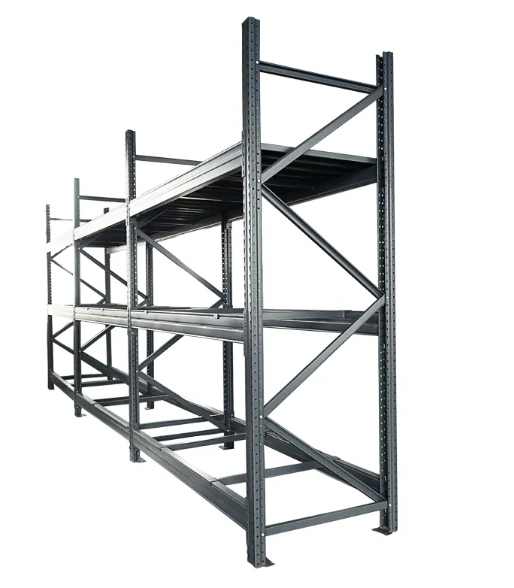
Industrial operations across manufacturing, distribution, and logistics sectors face mounting pressure to maximize storage efficiency while maintaining operational safety standards. Modern warehouses require robust storage solutions that can withstand the demands of high-volume inventory management, heavy equipment interaction, and continuous operational cycles. The implementation of strategic storage infrastructure directly impacts productivity, cost management, and workplace safety protocols in industrial environments.
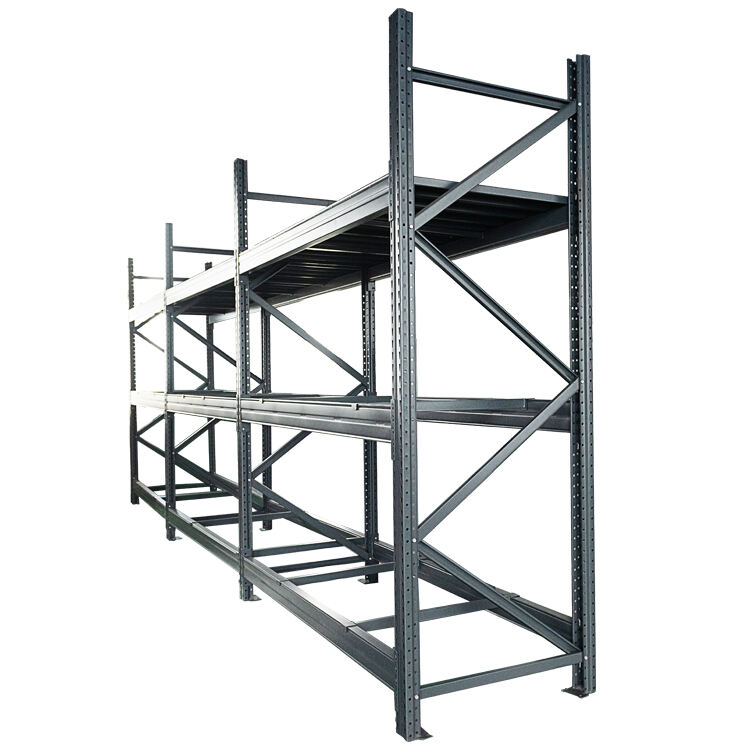
Storage optimization represents a critical component of industrial facility management, where every square foot of warehouse space translates directly to operational capacity and revenue potential. Industrial facilities must accommodate diverse inventory types, from raw materials and finished goods to specialized equipment and components requiring specific storage configurations. The selection of appropriate racking systems fundamentally determines warehouse throughput, inventory accessibility, and long-term operational sustainability.
Foundation of Industrial Storage Infrastructure
Structural Engineering Requirements
Industrial storage systems must meet stringent engineering specifications to support substantial weight loads while maintaining structural integrity under continuous operational stress. A heavy-duty warehouse rack undergoes rigorous testing to ensure compliance with industry safety standards and load-bearing requirements. These systems incorporate advanced steel fabrication techniques, precision welding, and quality control measures that guarantee performance reliability in demanding industrial environments.
The engineering specifications for heavy-duty warehouse rack systems encompass multiple factors including vertical load capacity, horizontal stability, seismic resistance, and material durability. Industrial facilities operating with high-density storage requirements depend on racking systems capable of supporting loads ranging from several hundred to thousands of pounds per shelf level. Advanced engineering calculations determine optimal beam spacing, column dimensions, and bracing configurations to achieve maximum load capacity while maintaining safety margins.
Material selection plays a crucial role in heavy-duty warehouse rack performance, with high-grade steel alloys providing superior strength-to-weight ratios and corrosion resistance. Manufacturing processes incorporate hot-rolled steel construction, powder coating applications, and precision drilling techniques that ensure consistent quality and dimensional accuracy. These engineering standards enable industrial facilities to maximize vertical storage space while maintaining operational safety and equipment longevity.
Safety and Compliance Standards
Industrial safety regulations mandate specific requirements for warehouse storage systems, including load capacity marking, installation procedures, and ongoing inspection protocols. Heavy-duty warehouse rack installations must comply with Occupational Safety and Health Administration guidelines, industry-specific standards, and local building codes that govern structural requirements for industrial facilities. Compliance verification involves professional engineering assessments, load testing procedures, and documentation requirements that ensure operational safety.
Professional installation procedures for heavy-duty warehouse rack systems require certified technicians with expertise in industrial storage applications and safety protocols. Installation teams must verify floor conditions, anchor specifications, and structural alignment to ensure optimal performance and regulatory compliance. Regular inspection schedules identify potential issues before they compromise system integrity, including beam deflection, connection wear, and load distribution irregularities.
Safety training programs educate warehouse personnel on proper loading techniques, weight distribution principles, and hazard recognition procedures specific to heavy-duty warehouse rack operations. These training initiatives reduce workplace accidents, prevent equipment damage, and maintain consistent operational standards across industrial facilities. Comprehensive safety protocols encompass forklift operation guidelines, personal protective equipment requirements, and emergency response procedures tailored to industrial storage environments.
Operational Efficiency Enhancement
Space Utilization Optimization
Vertical storage expansion represents the most cost-effective approach to increasing warehouse capacity without expanding facility footprint or relocating operations. Heavy-duty warehouse rack systems enable industrial facilities to utilize available ceiling height, often doubling or tripling storage capacity within existing space constraints. This vertical optimization strategy reduces real estate costs, minimizes facility expansion requirements, and improves inventory accessibility through systematic organization.
Strategic rack configuration design accommodates specific inventory characteristics, including product dimensions, weight distributions, and access frequency requirements. Industrial facilities benefit from customized heavy-duty warehouse rack layouts that optimize aisle widths, picking routes, and equipment maneuvering clearances. Advanced planning software assists facility managers in designing optimal storage configurations that maximize capacity while maintaining operational efficiency and safety standards.
Inventory density improvements through heavy-duty warehouse rack implementation directly impact operational costs by reducing facility overhead, utilities consumption, and material handling expenses. Higher storage density enables industrial facilities to maintain larger inventory quantities within existing space allocations, improving order fulfillment capabilities and reducing stockout incidents. These efficiency gains translate to improved customer service levels and competitive advantages in industrial markets.
Workflow Streamlining
Systematic organization through heavy-duty warehouse rack implementation enables industrial facilities to establish efficient picking patterns, reduce travel distances, and minimize handling time for inventory retrieval operations. Organized storage layouts facilitate faster inventory location, accurate order picking, and reduced errors in fulfillment processes. These workflow improvements directly impact productivity metrics and operational cost structures in industrial environments.
Material handling equipment integration with heavy-duty warehouse rack systems optimizes forklift operations, reduces fuel consumption, and minimizes equipment wear through improved operational efficiency. Standardized rack dimensions accommodate various forklift types, including reach trucks, order pickers, and counterbalance forklifts commonly used in industrial applications. Equipment compatibility ensures smooth operations and reduces maintenance requirements for material handling fleets.
Inventory management systems integrate seamlessly with organized heavy-duty warehouse rack configurations to provide real-time visibility, accurate stock levels, and automated replenishment triggers. Digital inventory tracking systems rely on consistent storage locations and organized rack layouts to maintain data accuracy and operational reliability. These technological integrations enhance decision-making capabilities and improve overall supply chain performance for industrial operations.
Cost-Effectiveness and Return on Investment
Long-Term Financial Benefits
Investment analysis for heavy-duty warehouse rack systems demonstrates substantial return on investment through reduced facility costs, improved operational efficiency, and enhanced inventory management capabilities. Industrial facilities typically recover installation costs within 12 to 24 months through space utilization improvements, reduced labor costs, and increased throughput capacity. Long-term financial benefits include deferred facility expansion costs, reduced real estate expenses, and improved asset utilization rates.
Operational cost reductions achieved through heavy-duty warehouse rack implementation encompass multiple areas including reduced labor hours for inventory handling, decreased product damage from improved organization, and lower insurance premiums through enhanced safety compliance. These cost savings accumulate over time, providing substantial financial benefits that justify initial capital investment. Industrial facilities often experience 15-25% improvements in operational efficiency following heavy-duty warehouse rack installation.
Asset depreciation schedules for heavy-duty warehouse rack systems typically span 10-20 years, providing long-term value retention and tax advantages for industrial facilities. Quality racking systems maintain structural integrity and operational functionality throughout their service life, minimizing replacement costs and maximizing return on investment. Regular maintenance programs extend system lifespan and preserve asset value over extended operational periods.
Productivity Improvements
Labor productivity enhancements through organized heavy-duty warehouse rack systems reduce picking times, minimize travel distances, and improve order accuracy in industrial operations. Studies indicate 20-30% improvements in picking productivity following implementation of systematic racking solutions in industrial warehouses. These productivity gains translate directly to reduced labor costs and improved operational capacity without additional staffing requirements.
Inventory accuracy improvements through organized heavy-duty warehouse rack storage reduce stockout incidents, minimize excess inventory carrying costs, and improve customer service levels. Accurate inventory management enables industrial facilities to optimize procurement schedules, reduce safety stock requirements, and improve cash flow management. These operational improvements contribute significantly to overall profitability and competitive positioning.
Throughput capacity increases through heavy-duty warehouse rack implementation enable industrial facilities to handle larger order volumes without proportional increases in operational costs or facility requirements. Improved capacity utilization supports business growth, accommodates seasonal demand fluctuations, and provides operational flexibility for changing market conditions. These capacity improvements position industrial facilities for sustainable growth and market expansion opportunities.
Industry-Specific Applications
Manufacturing Sector Requirements
Manufacturing facilities require specialized heavy-duty warehouse rack configurations to accommodate raw materials, work-in-process inventory, and finished goods with varying dimensions, weights, and handling requirements. Automotive manufacturing operations utilize heavy-duty warehouse rack systems for parts storage, sub-assembly organization, and finished vehicle preparation areas. These applications demand high load capacities, precise dimensional specifications, and integration with automated material handling systems.
Chemical and pharmaceutical manufacturing facilities implement heavy-duty warehouse rack systems with specialized coatings, ventilation considerations, and containment features to safely store industrial chemicals, pharmaceutical ingredients, and finished products. Compliance with industry-specific regulations requires specialized rack designs, material certifications, and safety features tailored to hazardous material handling requirements. These specialized applications demonstrate the versatility and customization capabilities of modern heavy-duty warehouse rack systems.
Electronics manufacturing operations rely on heavy-duty warehouse rack systems to organize components, protect sensitive equipment, and maintain electrostatic discharge control in storage areas. Climate-controlled storage environments require rack systems compatible with environmental control systems while maintaining structural performance and operational accessibility. These specialized requirements highlight the importance of customized heavy-duty warehouse rack solutions for specific industry applications.
Distribution and Logistics Operations
Distribution centers processing high-volume orders require heavy-duty warehouse rack systems capable of supporting intensive picking operations, rapid inventory turnover, and integration with automated sorting systems. E-commerce fulfillment operations demand flexible rack configurations accommodating diverse product sizes, seasonal inventory fluctuations, and rapid order processing requirements. These applications emphasize the importance of scalable and adaptable heavy-duty warehouse rack solutions.
Third-party logistics providers utilize heavy-duty warehouse rack systems to accommodate multiple customer inventories, varying storage requirements, and diverse handling procedures within shared facility environments. Flexible rack configurations enable efficient space allocation, clear inventory segregation, and optimized picking routes for multiple customer operations. These multi-tenant applications require versatile heavy-duty warehouse rack systems with modular design capabilities.
Cold storage and temperature-controlled distribution facilities implement specialized heavy-duty warehouse rack systems designed to withstand extreme temperature conditions while maintaining structural integrity and operational functionality. These environments require materials resistant to thermal cycling, condensation, and temperature-related expansion effects. Specialized coatings, materials, and design features ensure reliable performance in challenging environmental conditions.
Technology Integration and Automation
Automated Storage and Retrieval Systems
Modern heavy-duty warehouse rack systems integrate seamlessly with automated storage and retrieval systems to create highly efficient, computer-controlled inventory management solutions for industrial applications. These integrated systems combine robust storage infrastructure with advanced robotics, conveyor systems, and inventory management software to achieve unprecedented levels of operational efficiency and accuracy in industrial warehouses.
Precision engineering requirements for automated heavy-duty warehouse rack systems include strict dimensional tolerances, alignment specifications, and integration interfaces compatible with robotic handling equipment. Automated systems require consistent rack positioning, standardized shelf dimensions, and reliable structural performance to ensure smooth operation of computer-controlled inventory management processes. These technical requirements demand specialized design expertise and manufacturing precision.
Return on investment for automated heavy-duty warehouse rack systems typically exceeds traditional manual systems through reduced labor costs, improved inventory accuracy, and increased operational capacity. Industrial facilities implementing automated storage solutions often experience 40-60% reductions in labor requirements while achieving 99.9% inventory accuracy rates. These performance improvements justify the additional investment in automation technology and specialized rack systems.
Digital Inventory Management Integration
Radio frequency identification technology integration with heavy-duty warehouse rack systems enables real-time inventory tracking, automated stock level monitoring, and instant location verification for industrial inventory management applications. RFID-enabled rack systems provide continuous visibility into inventory movements, storage utilization, and operational performance metrics that support data-driven decision making in industrial facilities.
Warehouse management system integration with heavy-duty warehouse rack configurations optimizes inventory placement, picking routes, and replenishment schedules based on product characteristics, demand patterns, and operational constraints. Advanced algorithms analyze storage requirements, access frequency, and handling characteristics to optimize inventory placement within rack systems for maximum operational efficiency.
Predictive maintenance programs utilize sensor technology integrated with heavy-duty warehouse rack systems to monitor structural performance, identify potential issues, and schedule preventive maintenance activities before problems impact operations. Smart rack systems provide continuous monitoring of load conditions, structural stress, and environmental factors that affect system performance and longevity in industrial applications.
FAQ
What load capacity should I expect from heavy-duty warehouse rack systems
Heavy-duty warehouse rack systems typically support load capacities ranging from 2,000 to 10,000 pounds per shelf level, with total rack capacities often exceeding 50,000 pounds depending on configuration and structural specifications. Load capacity varies based on beam length, steel gauge, column spacing, and overall rack height. Professional engineering assessments determine optimal load ratings based on specific application requirements, safety factors, and compliance standards for industrial environments.
How do I determine the right heavy-duty warehouse rack configuration for my facility
Optimal heavy-duty warehouse rack configuration depends on inventory characteristics, facility dimensions, material handling equipment, and operational requirements specific to your industrial application. Professional facility assessments evaluate product dimensions, weight distributions, access patterns, and throughput requirements to design customized storage solutions. Considerations include aisle widths, ceiling height utilization, seismic requirements, and integration with existing material handling systems to maximize efficiency and safety.
What maintenance requirements apply to heavy-duty warehouse rack systems
Regular maintenance for heavy-duty warehouse rack systems includes monthly visual inspections, annual professional assessments, and immediate repair of any structural damage or component wear. Maintenance protocols focus on beam deflection monitoring, connection integrity verification, anchor point inspection, and overall structural alignment assessment. Preventive maintenance programs extend system lifespan, maintain safety compliance, and preserve load capacity ratings throughout operational service life.
Can heavy-duty warehouse rack systems be reconfigured or expanded after installation
Most heavy-duty warehouse rack systems feature modular designs enabling reconfiguration, expansion, and modification to accommodate changing operational requirements without complete system replacement. Modular components allow height adjustments, shelf level additions, and layout modifications while maintaining structural integrity and load capacity ratings. Professional reconfiguration services ensure compliance with safety standards and optimal performance following any system modifications or expansions.
Table of Contents
- Foundation of Industrial Storage Infrastructure
- Operational Efficiency Enhancement
- Cost-Effectiveness and Return on Investment
- Industry-Specific Applications
- Technology Integration and Automation
-
FAQ
- What load capacity should I expect from heavy-duty warehouse rack systems
- How do I determine the right heavy-duty warehouse rack configuration for my facility
- What maintenance requirements apply to heavy-duty warehouse rack systems
- Can heavy-duty warehouse rack systems be reconfigured or expanded after installation