 EN
EN

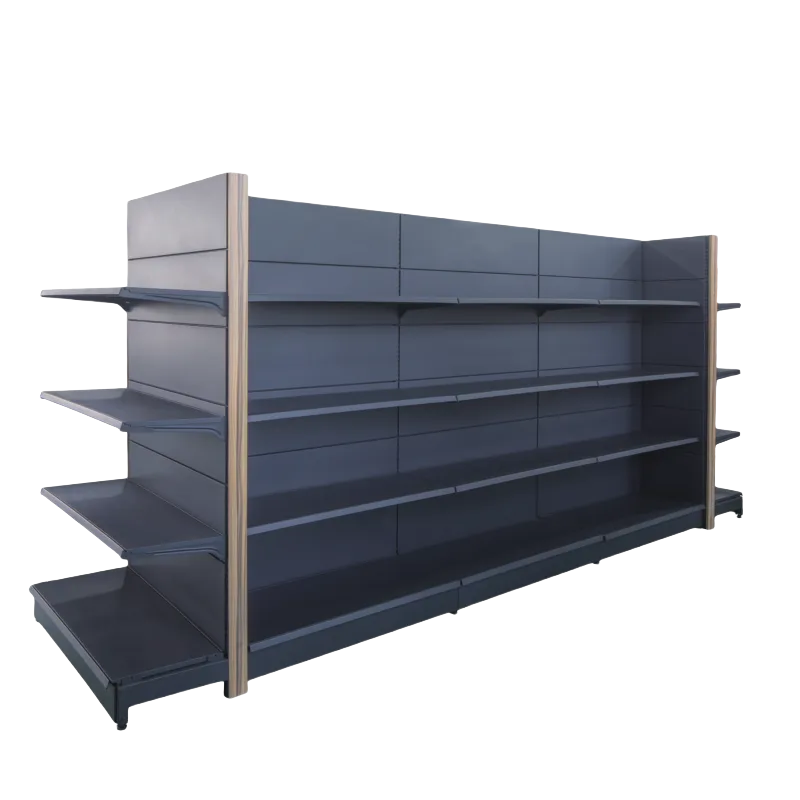
Retail floor visibility directly impacts customer purchasing decisions and store profitability, making the selection of an optimal supermarket shelf system crucial for modern retailers. The right shelving solution can transform product presentation, enhance shopping experiences, and drive significant revenue increases through strategic merchandise placement. Understanding the fundamental principles of effective retail display systems enables store owners to make informed decisions that maximize both visual appeal and operational efficiency.
Understanding Retail Floor Visibility Fundamentals
Product Sight Line Optimization
Effective supermarket shelf system design prioritizes customer sight lines throughout the retail environment. Eye-level placement generates the highest conversion rates, while strategic height variations create visual interest that guides shoppers through different product categories. Modern retailers recognize that shelf positioning directly correlates with sales performance, making systematic approach to visibility planning essential for competitive advantage.
Research indicates that products positioned between 32 and 53 inches from floor level achieve optimal visibility and accessibility for average-height consumers. This golden zone principle influences how retailers configure their supermarket shelf system layouts to maximize exposure for high-margin items. Strategic placement considers demographic factors, traffic flow patterns, and seasonal purchasing behaviors to optimize product positioning effectiveness.
Traffic Flow and Customer Movement Patterns
Understanding customer movement patterns enables retailers to position their supermarket shelf system configurations for maximum impact. Most shoppers enter stores and naturally move counterclockwise, creating predictable traffic patterns that influence purchasing decisions. Strategic shelf placement along these natural pathways increases product exposure and encourages impulse purchases through carefully planned visual merchandising.
Analytics from retail behavior studies demonstrate that customers spend more time in areas with well-organized, visually appealing shelf displays. The supermarket shelf system design should accommodate these movement patterns while creating natural stopping points that encourage product examination. Wide aisles, clear sight lines, and accessible product placement work together to enhance the overall shopping experience.
Key Selection Criteria for Maximum Impact
Height and Accessibility Considerations
Selecting the appropriate height for your supermarket shelf system requires careful consideration of target demographics and product types. Standard configurations typically range from 54 to 72 inches in total height, with adjustable shelving that accommodates various product sizes and seasonal inventory changes. Accessibility compliance ensures all customers can comfortably reach displayed merchandise while maintaining visual appeal throughout the retail space.
Modern supermarket shelf system designs incorporate universal accessibility principles without compromising display effectiveness. Lower shelves accommodate mobility-impaired customers while upper levels showcase promotional materials and seasonal items. This multi-level approach maximizes vertical space utilization while ensuring compliance with accessibility regulations.
Material Quality and Durability Standards
Commercial-grade materials ensure your supermarket shelf system withstands daily wear while maintaining professional appearance over extended periods. Steel construction with powder-coated finishes provides superior durability compared to alternatives, resisting scratches, dents, and corrosion that compromise visual appeal. Quality materials also support heavier product loads without sagging or structural compromise that affects product presentation.
Investment in premium supermarket shelf system materials reduces long-term maintenance costs while preserving consistent brand image. High-quality finishes resist fading, chipping, and discoloration that detract from professional appearance. Durable construction minimizes replacement frequency, providing better return on investment through extended operational lifespan and reduced maintenance requirements.
Design Features That Enhance Product Visibility
Adjustable Shelving Configurations
Flexibility in shelf positioning allows retailers to optimize their supermarket shelf system for diverse product categories and seasonal inventory changes. Adjustable brackets enable quick reconfiguration without tools, supporting dynamic merchandising strategies that respond to market demands and promotional campaigns. This adaptability maximizes revenue potential by accommodating various product sizes and display requirements throughout the retail calendar.
Modern adjustable mechanisms in supermarket shelf system designs support frequent reconfiguration without compromising structural integrity. Quality adjustment systems maintain secure positioning under full product loads while enabling quick modifications for promotional displays. This flexibility supports category management strategies that optimize product placement based on sales data and seasonal trends.
Lighting Integration and Visual Enhancement
Integrated lighting systems transform standard supermarket shelf system installations into compelling visual displays that attract customer attention. LED strip lighting mounted along shelf edges illuminates products effectively while reducing energy consumption compared to traditional fluorescent alternatives. Proper lighting eliminates shadows that obscure product details and creates inviting retail environments that encourage extended shopping visits.
Strategic lighting placement within the supermarket shelf system design highlights product features and creates visual hierarchy that guides customer attention. Warm lighting tones enhance food product appeal while cool lighting suits electronics and health products. Consistent lighting throughout the retail space maintains professional appearance while supporting effective product merchandising strategies.
Space Planning and Layout Optimization
Aisle Width and Navigation
Optimal aisle width between supermarket shelf system installations balances space efficiency with customer comfort and accessibility requirements. Standard retail aisles measure 36 to 44 inches wide, accommodating shopping carts while enabling comfortable passage for multiple customers. Wider aisles in high-traffic areas reduce congestion and create more pleasant shopping experiences that encourage longer store visits.
Strategic spacing of supermarket shelf system units considers emergency egress requirements while maximizing retail floor utilization. Clear pathways support efficient restocking operations while maintaining customer safety standards. Proper spacing also enables effective cleaning and maintenance procedures that preserve professional appearance throughout daily operations.
Category Management Integration
Effective category management principles guide supermarket shelf system placement to maximize cross-selling opportunities and customer convenience. Related products positioned adjacently increase basket size while logical category progression creates intuitive shopping experiences. Strategic placement of complementary items encourages impulse purchases while maintaining organized retail environments that support efficient shopping patterns.
Modern supermarket shelf system designs accommodate category management software recommendations for optimal product placement. Planogram compliance ensures consistent brand presentation while supporting vendor partnership requirements. This systematic approach to product positioning maximizes revenue potential while maintaining operational efficiency throughout the retail environment.
Technology Integration and Modern Features
Digital Display Compatibility
Contemporary supermarket shelf system designs accommodate digital price tags, promotional displays, and interactive technology that enhance customer engagement. Built-in mounting systems support electronic shelf labels that provide real-time pricing updates and promotional messaging. This technology integration reduces labor costs while improving pricing accuracy and promotional effectiveness throughout the retail environment.
Advanced supermarket shelf system configurations include power distribution systems that support digital components without compromising aesthetic appeal. Concealed wiring maintains clean appearance while providing necessary electrical infrastructure for modern retail technology. This forward-thinking approach ensures long-term compatibility with evolving retail technology trends.
Security and Loss Prevention Features
Integrated security features in modern supermarket shelf system designs support loss prevention strategies while maintaining open, accessible retail environments. Anti-theft systems, secure product locks, and surveillance camera mounting points provide comprehensive security coverage. These features protect merchandise value while preserving customer shopping comfort and accessibility.
Strategic security integration within supermarket shelf system installations deters theft without creating fortress-like retail environments that discourage customer engagement. Subtle security measures maintain inviting store atmospheres while protecting high-value merchandise effectively. This balanced approach supports both security objectives and positive customer experiences.
Installation and Maintenance Considerations
Professional Installation Requirements
Proper supermarket shelf system installation requires professional expertise to ensure structural integrity, safety compliance, and optimal performance. Certified installers understand load distribution requirements, anchoring specifications, and local building codes that govern retail shelving installations. Professional installation prevents safety hazards while ensuring warranty compliance and long-term operational reliability.
Quality installation of supermarket shelf system components includes precise leveling, secure anchoring, and proper load distribution that supports full product capacity. Professional installers verify compliance with local regulations while optimizing configuration for specific retail requirements. This expertise ensures safe, efficient operation throughout the system's operational lifespan.
Ongoing Maintenance and Support
Regular maintenance preserves supermarket shelf system appearance and functionality while preventing costly repairs and safety issues. Scheduled cleaning, hardware inspection, and adjustment verification maintain optimal performance throughout daily operations. Preventive maintenance programs extend system lifespan while ensuring consistent professional appearance that supports brand image.
Comprehensive maintenance programs for supermarket shelf system installations include component replacement, finish touch-ups, and structural inspections that identify potential issues before they affect operations. Professional maintenance services provide expertise and specialized tools that ensure thorough care while minimizing operational disruption. This proactive approach protects investment value while maintaining optimal retail presentation.
FAQ
What factors determine the ideal height for a supermarket shelf system?
The ideal height for a supermarket shelf system depends on your target customer demographics, ceiling height, product types, and accessibility requirements. Standard installations range from 54 to 72 inches, with eye-level positioning (32-53 inches) generating the highest sales conversion rates. Consider your specific customer base, product categories, and local accessibility regulations when determining optimal height configurations.
How does lighting affect supermarket shelf system performance?
Proper lighting dramatically improves supermarket shelf system effectiveness by eliminating shadows, highlighting product features, and creating inviting retail environments. LED strip lighting integrated along shelf edges provides energy-efficient illumination that enhances product visibility while reducing operational costs. Consistent lighting throughout the retail space maintains professional appearance and supports effective merchandising strategies.
What maintenance requirements should be expected for commercial shelving systems?
Regular maintenance for supermarket shelf system installations includes weekly cleaning, monthly hardware inspections, and quarterly adjustment verifications to maintain optimal performance. Professional maintenance services provide specialized expertise for component replacement, finish restoration, and structural assessments that prevent costly repairs. Preventive maintenance programs extend system lifespan while preserving professional appearance that supports your retail brand image.
How do modern supermarket shelf systems accommodate changing retail technology?
Contemporary supermarket shelf system designs include integrated power distribution, digital display mounting systems, and concealed wiring that support electronic shelf labels, promotional screens, and interactive technology. This infrastructure enables real-time pricing updates, promotional messaging, and enhanced customer engagement while maintaining clean aesthetic appearance. Forward-thinking designs ensure compatibility with evolving retail technology trends without requiring major system modifications.