 EN
EN
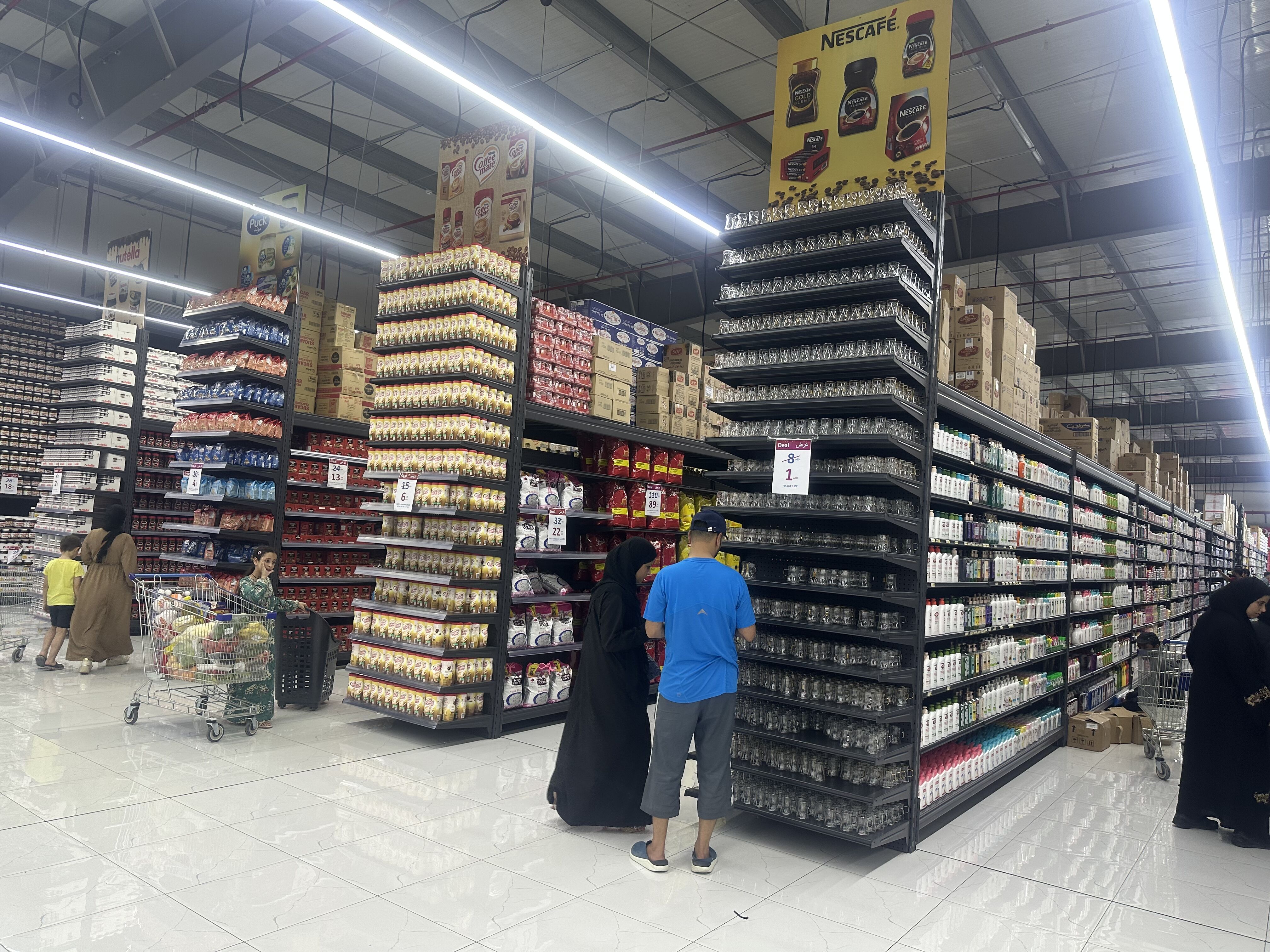
Selecting the right supermarket shelves is a critical decision that directly impacts your store's functionality, customer experience, and profitability. Modern retail environments demand shelving solutions that balance durability, aesthetics, and operational efficiency. Whether you're launching a new grocery store or upgrading an existing space, understanding the key factors in shelf selection will help you create an optimized retail environment that drives sales and enhances customer satisfaction.
Material Quality and Durability Considerations
Steel Construction and Load-Bearing Capacity
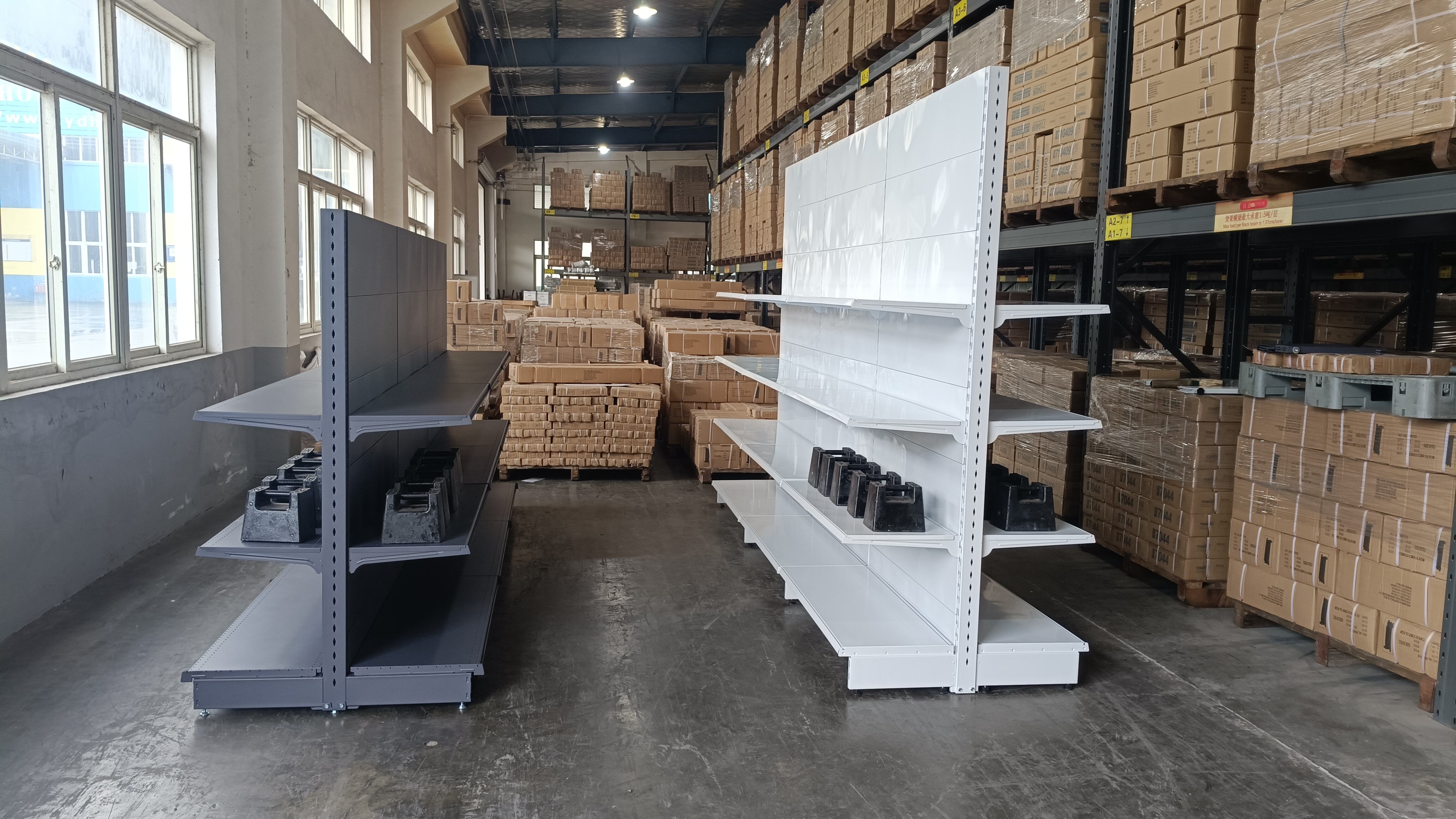
The foundation of reliable supermarket shelves lies in robust steel construction that can withstand the daily demands of commercial retail environments. High-quality steel frameworks provide the structural integrity necessary to support heavy product loads while maintaining stability throughout years of continuous use. When evaluating shelving options, consider the gauge of steel used in construction, as thicker gauges offer superior strength and longevity. Professional-grade shelving systems typically utilize cold-rolled steel that has been properly treated to resist wear and maintain its structural properties under constant loading and unloading cycles.
Load-bearing specifications are equally crucial, as different product categories require varying weight capacities. Heavy items like canned goods, beverages, and bulk products demand shelving with higher weight ratings, while lighter merchandise may be accommodated with standard-capacity units. Proper weight distribution across shelf levels prevents sagging, reduces maintenance requirements, and ensures customer safety throughout the store's operational life.
Surface Treatments and Corrosion Resistance
Surface treatments significantly impact the longevity and appearance of retail shelving systems. Powder coating applications provide excellent protection against corrosion while offering a professional finish that maintains its appearance over time. This treatment creates a barrier against moisture, cleaning chemicals, and environmental factors that could otherwise compromise the shelf's structural integrity. Quality powder coating also resists chipping and scratching, maintaining a clean, professional appearance that reflects positively on your store's brand image.
Consider shelving options that incorporate multi-layer protective coatings, particularly in high-humidity environments or areas prone to temperature fluctuations. These advanced treatments extend the operational life of your investment while reducing long-term replacement and maintenance costs.
Design Flexibility and Merchandising Optimization
Adjustable Shelf Configurations
Modern supermarket shelves must accommodate diverse product ranges and changing inventory requirements throughout different seasons and promotional periods. Adjustable shelf systems provide the flexibility to modify spacing and configurations without requiring complete shelving replacement. This adaptability allows retailers to optimize product presentation for items of varying heights and sizes, from tall bottles to flat packages, ensuring efficient use of vertical space while maintaining attractive displays.
Tool-free adjustment mechanisms streamline the reconfiguration process, enabling staff to quickly modify shelf layouts during store resets or seasonal transitions. This operational flexibility reduces labor costs and minimizes disruption to daily operations while allowing for rapid response to changing merchandising needs.
Product Visibility and Customer Accessibility
Effective shelf design enhances product visibility from multiple angles while ensuring comfortable customer access to merchandise. Consider shelving systems that incorporate angled shelves or product-forward mechanisms that maintain neat, well-stocked appearances throughout the day. These features reduce the labor required for frequent restocking while presenting products in their most appealing orientation to shoppers.
Shelf depth and height configurations should align with your target demographic and product mix. Standard depths accommodate most packaged goods, while deeper shelves may be necessary for bulk items or promotional displays. Proper height placement ensures that frequently purchased items remain within comfortable reach zones for your customer base.
Space Efficiency and Store Layout Integration
Aisle Optimization and Traffic Flow
Strategic shelving selection directly influences customer movement patterns and overall store efficiency. Double-sided shelving units maximize product display capacity while creating natural traffic corridors that guide shoppers through different departments. Consider the relationship between shelf height and aisle width to ensure comfortable navigation while maximizing product exposure and cross-merchandising opportunities.
End cap configurations and corner units should integrate seamlessly with your primary shelving system to create cohesive merchandising zones. These high-visibility areas often generate disproportionate sales volume, making their proper design and integration crucial for overall store performance.
Modular Systems and Future Expansion
Modular shelving systems offer significant advantages for growing businesses or stores that frequently update their layouts. These systems allow for easy expansion, reconfiguration, and integration of additional components as business needs evolve. Standardized connections and component sizing ensure compatibility when adding new sections or upgrading existing installations.
Consider shelving systems that support various accessories and add-on components, such as product dividers, pricing strips, and promotional signage brackets. This expandability protects your initial investment while providing options for enhanced functionality as your merchandising strategies develop.
Installation Requirements and Maintenance Considerations
Assembly Complexity and Professional Installation
The installation process significantly impacts both initial costs and long-term system performance. Evaluate whether your chosen shelving system requires professional installation or can be assembled by your team. While some basic units offer straightforward assembly, complex configurations or high-capacity systems often benefit from professional installation to ensure proper alignment, stability, and safety compliance.
Consider the tools and expertise required for proper assembly, including any specialized equipment needed for larger installations. Professional installation often includes system optimization, ensuring that load distribution and component alignment meet manufacturer specifications for optimal performance and longevity.
Ongoing Maintenance and Component Replacement
Long-term maintenance requirements vary significantly among different shelving systems and materials. High-quality units typically require minimal maintenance beyond regular cleaning and periodic inspections. However, understanding the availability and cost of replacement components helps inform your selection decision and budget planning for future maintenance needs.
Consider shelving systems with readily available replacement parts and clear maintenance guidelines. This accessibility reduces downtime when repairs are needed and helps maintain consistent system performance throughout the operational life of your store.
Cost Analysis and Return on Investment
Initial Investment vs Long-Term Value
While initial cost often influences purchasing decisions, evaluating the total cost of ownership provides a more accurate assessment of shelving value. Higher-quality systems may require larger upfront investments but often deliver superior performance, reduced maintenance costs, and extended operational life that justify the additional expense over time.
Factor in potential productivity gains from efficient shelving design, including reduced restocking time, improved product organization, and enhanced customer satisfaction. These operational benefits contribute to overall profitability and should be considered alongside the direct costs of shelving acquisition and installation.
Scalability and Business Growth Planning
Successful retailers plan shelving investments with future growth and expansion in mind. Systems that accommodate easy expansion or reconfiguration provide flexibility for changing business needs without requiring complete replacement. This scalability protects your investment while supporting business growth and adaptation to market changes.
Consider the potential for relocating or repurposing shelving systems if your business expands to multiple locations or undergoes significant layout changes. Modular designs with standardized components often provide the greatest flexibility for future business evolution.
FAQ
What weight capacity should I look for in commercial supermarket shelving
Commercial supermarket shelving should typically support 150-300 pounds per shelf level, depending on your product mix. Heavy items like canned goods and beverages require higher capacity ratings, while lighter products can use standard-capacity shelving. Always verify that your chosen system exceeds your heaviest anticipated loads with appropriate safety margins.
How do I determine the right shelf spacing for different products
Shelf spacing should accommodate your tallest products with 2-3 inches of clearance for easy placement and removal. Adjustable shelving systems provide the flexibility to modify spacing as your product mix changes. Consider grouping similar-sized items together to maximize space efficiency while maintaining attractive product presentation.
What maintenance schedule should I follow for commercial shelving systems
Establish a monthly inspection routine checking for loose connections, damaged components, and proper load distribution. Clean shelving surfaces weekly with appropriate commercial cleaners, and address any issues immediately to prevent larger problems. Annual professional inspections help ensure continued safe operation and identify potential maintenance needs before they become costly repairs.
Are modular shelving systems worth the additional investment
Modular systems typically provide excellent long-term value through their flexibility and expandability. While initial costs may be higher, the ability to reconfigure layouts, add components, and adapt to changing business needs often justifies the investment. These systems also tend to have better resale value and easier expansion options compared to fixed installations.