 EN
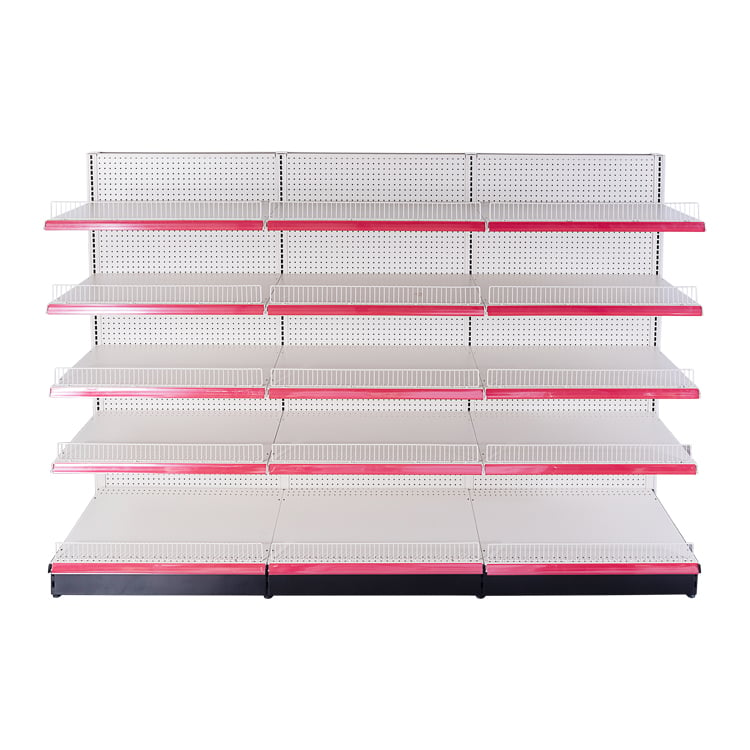
Choosing the right gondola shelf system requires careful evaluation of multiple factors that directly impact your retail operations, inventory management, and customer experience. Whether you operate a grocery store, boutique, pharmacy, or convenience shop, your shelving infrastructure forms the backbone of product visibility and sales performance. The decision involves balancing durability, capacity, flexibility, aesthetics, and total cost of ownership rather than simply selecting the lowest-priced option.
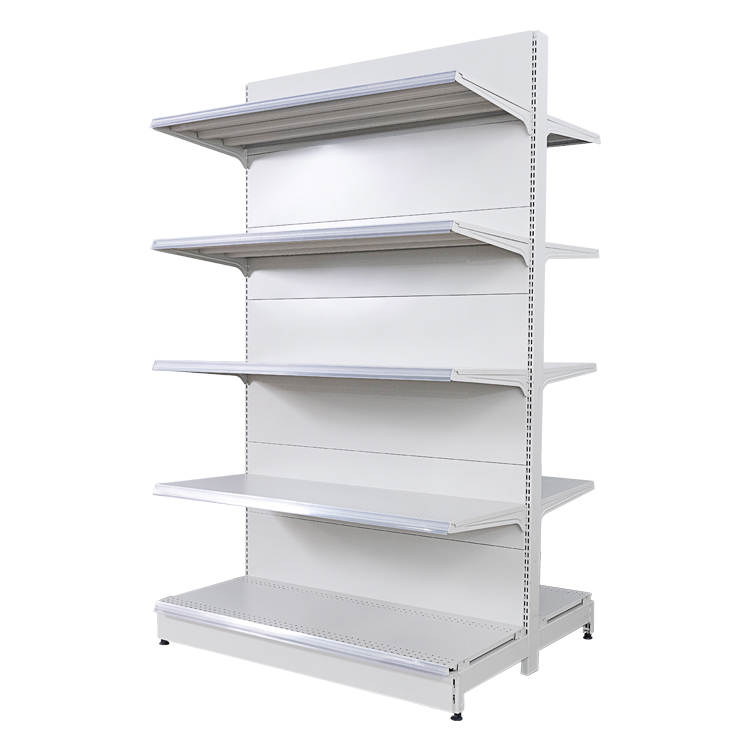
Retail display shelving decisions shape how your store layout functions, from traffic flow to product accessibility to brand perception. Metal store fixtures represent a significant capital investment that typically lasts five to ten years or more, making the initial selection critical to long-term profitability. Understanding which factors matter most will help you avoid costly mistakes and ensure your grocery store shelving systems support both current operations and future growth.
Understanding Your Capacity and Load Requirements
Weight Distribution and Structural Integrity
The first critical factor is determining how much weight your retail display shelving must support. Different product categories demand dramatically different load capacities. Heavy items like canned goods, beverages, or bulk products require robust metal store fixtures engineered for higher weight distribution than light merchandise such as cosmetics or paper products. Each shelf has a maximum load rating, typically measured per linear foot or per shelf span.
When evaluating gondola shelf systems, verify the manufacturer's load specifications under actual retail conditions. Static weight limits differ from dynamic load scenarios where customers regularly access and move products. A grocery store shelving system rated for 200 pounds per shelf might safely hold far less when accounting for customer interaction, temperature fluctuations affecting material properties, and long-term fatigue. Overloading shelves risks product damage, customer injury liability, and potential regulatory violations in food retail environments.
Adjustability and Future Flexibility
Your retail display shelving investment should adapt to changing inventory mixes and seasonal product rotations. Shelves with adjustable height settings provide flexibility to accommodate varying product dimensions without requiring infrastructure replacement. Metal store fixtures featuring fine-increment adjustment mechanisms allow you to optimize shelf spacing for maximum units per linear foot.
Consider whether your gondola shelf system uses clip-style, bolt-style, or hook-style shelf supports. Clip mechanisms enable faster repositioning but may drift slightly over time. Bolted systems provide permanence but require tools for adjustment. This flexibility becomes increasingly valuable as product assortments evolve, particularly in grocery store shelving systems serving dynamic markets.
Evaluating Durability and Material Quality
Steel Grade and Surface Coating Specifications
The durability of your retail display shelving depends significantly on the steel grade and protective coatings applied to metal store fixtures. Cold-rolled steel offers adequate strength for most retail applications and resists rust when properly finished. Stainless steel provides superior corrosion resistance, making it ideal for environments with high humidity or refrigerated sections in grocery store shelving systems. Powder coating thickness and quality directly influence how long your gondola shelf system resists scratches, moisture damage, and daily wear.
Environmental factors in your retail space influence coating selection. Stores with frequent cleaning protocols, temperature fluctuations, or moisture exposure require more robust finish specifications. A poorly coated gondola shelf system may develop rust spots within eighteen months, while properly finished metal store fixtures maintain appearance for years with basic maintenance. Budget for quality coatings as cost-effective insurance against premature deterioration.
Weld Quality and Structural Tolerances
Examine how your retail display shelving components are joined. Welded construction provides permanent structural integrity superior to riveted or bolted joints for load-bearing components. Inspect sample units or request documentation showing weld specifications and quality control procedures. High-quality metal store fixtures undergo stress testing and dimensional verification ensuring consistent performance across the entire gondola shelf system.
Manufacturing tolerances matter when installing multiple units in succession. Slight variations in dimension specifications can accumulate, creating uneven shelf lines or poor alignment in grocery store shelving systems. Consistent tolerances within 1/8 inch allow professional appearance and customer confidence. Ask suppliers about quality assurance standards and whether units are individually inspected before shipment.
Assessing Aesthetic Fit and Customer Experience
Design Alignment with Brand Identity
Your retail display shelving communicates brand positioning and store professionalism to customers. Sleek, minimalist metal store fixtures suggest modern retail efficiency, while ornate designs convey specialty or premium positioning. A gondola shelf system that clashes with overall store aesthetics undermines merchandising efforts regardless of functional capability. Grocery store shelving systems must balance utilitarian strength with visual appeal that doesn't distract from product presentation.
Consider finish colors, signage compatibility, and how your metal store fixtures integrate with lighting, flooring, and wall treatments. Matte black, steel gray, and white represent neutral choices accommodating diverse product categories. Evaluate samples in your actual retail environment under operational lighting. A gondola shelf appearing attractive in a showroom may clash with your store's existing atmosphere, diminishing customer perception of value.
Product Visibility and Accessibility Optimization
Effective retail display shelving maximizes product visibility across all price points and eye levels. Metal store fixtures should feature open-frame design allowing unobstructed sightlines and natural light penetration. Back panels, if included, should support signage without blocking shelf viewing. Grocery store shelving systems benefit from slight shelf angles or lip designs preventing product roll-off while maintaining visibility from customer approach angles.
Accessibility directly impacts sales performance. A gondola shelf system with shelves too close together restricts customer reach and complicates product selection. Standard shelf spacing of 12 to 14 inches accommodates most retail products while remaining accessible to customers of varying heights. Metal store fixtures with adjustable height capabilities optimize accessibility for different product categories within your retail display shelving layout.
Analyzing Installation, Maintenance, and Cost Factors
Assembly Complexity and Professional Installation Requirements
Installation timelines and labor costs significantly impact total cost of ownership for your gondola shelf system. Some metal store fixtures arrive pre-assembled, requiring only placement and leveling, while others demand extensive on-site assembly. Flat-pack designs reduce shipping costs but increase labor requirements. Evaluate whether your retail display shelving supplier offers professional installation services and what fees apply for complex layouts requiring custom configurations.
For grocery store shelving systems, improper installation creates safety hazards and reduces longevity. Unlevel gondola shelf units cause product creep, customer frustration, and potential liability exposure. Consider whether assembly time can be absorbed during store renovations or requires closing during operating hours. Metal store fixtures installed by experienced technicians achieve better alignment and stability than amateur assembly, potentially justifying professional service costs.
Maintenance Requirements and Long-Term Value
Your retail display shelving will require periodic maintenance to maintain appearance and functionality. Regular cleaning with appropriate solutions preserves finish quality and customer perception. Inspect joints, welds, and connections quarterly for loose components that could create safety hazards. A well-designed gondola shelf system facilitates maintenance without requiring disassembly or specialized tools.
Compare total cost of ownership rather than initial purchase price alone. Durable metal store fixtures from reputable manufacturers may cost 15 to 30 percent more initially but provide superior durability, warranty coverage, and resale value. Grocery store shelving systems engineered for longevity reduce replacement frequency and disruption to retail operations. When evaluating supplier proposals for your retail display shelving needs, request warranty terms, maintenance guidelines, and availability of replacement parts over a multi-year period.
FAQ
What weight capacity should I choose for my gondola shelf system?
Select weight capacity based on your heaviest product categories with a 20 to 30 percent safety margin beyond anticipated loads. For grocery store shelving systems handling beverages and canned goods, choose metal store fixtures rated for 200 to 300 pounds per shelf. Specialty retail display shelving for lightweight products may require only 100 to 150 pounds per shelf. Consult with your gondola shelf supplier about recommended specifications matching your product assortment.
How do I choose between single-sided and double-sided metal store fixtures?
Single-sided gondola shelf systems work best for wall placement, maximizing visual appeal in limited space while reducing traffic patterns. Double-sided metal store fixtures serve as freestanding units accommodating customer access from both sides, ideal for grocery store shelving systems creating perimeter loops or island displays. Evaluate your retail layout, available floor space, and traffic patterns when deciding between retail display shelving options.
What finish options protect metal store fixtures in refrigerated grocery store shelving systems?
Stainless steel gondola shelf systems provide superior corrosion resistance in cold, humid environments found in refrigerated sections. Powder-coated steel with enhanced moisture barriers offers good protection at lower cost for moderate humidity exposure. Ensure your retail display shelving supplier specifies coatings rated for your storage environment's temperature range and moisture levels to maximize metal store fixtures longevity.