 EN

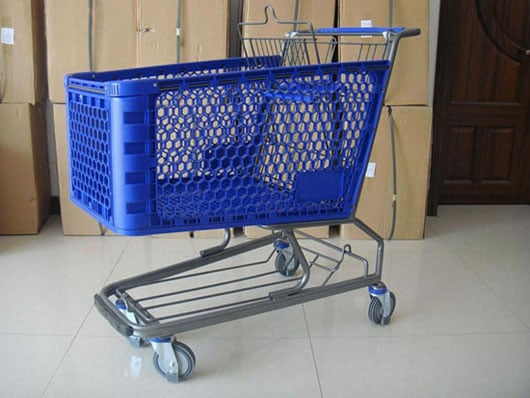
A well-designed shopping trolley is far more than just a container on wheels. It directly impacts customer satisfaction, operational efficiency, and retail profitability. Retailers often overlook the critical role that trolley specifications play in shaping the shopping experience and determining long-term store performance. Understanding which features truly matter helps retailers make informed purchasing decisions that align with their customer base and operational demands.
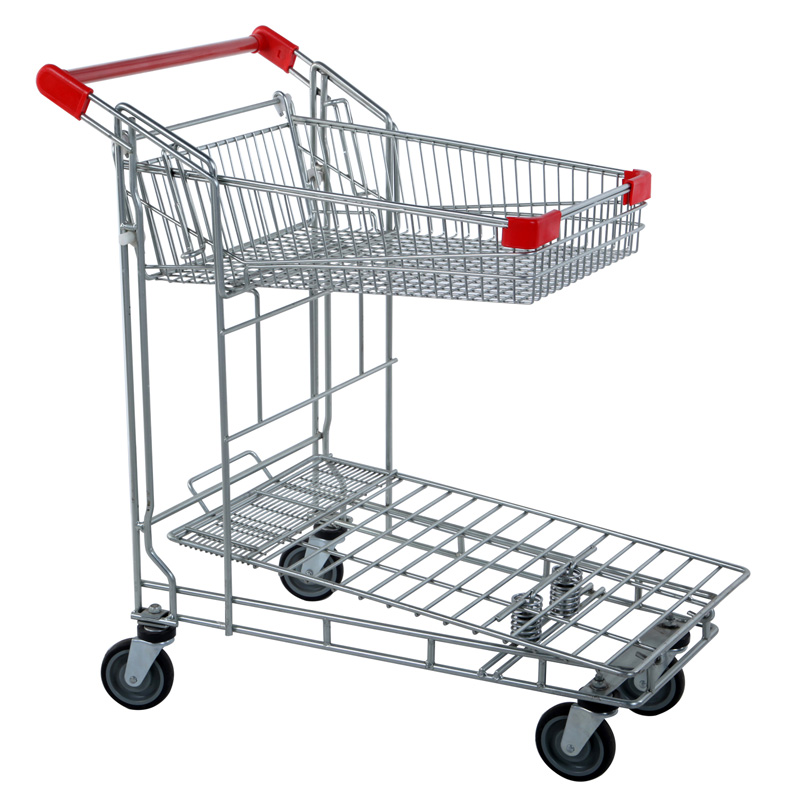
Retailers across grocery stores, supermarkets, and retail environments face mounting pressure to deliver seamless shopping experiences. The physical quality of a shopping trolley influences customer comfort, brand perception, and repeat visits. Whether managing a small convenience store or a large supermarket chain, selecting trolleys with the right combination of features ensures customers can shop comfortably while minimizing damage and maintenance costs for the retailer.
Wheel Performance and Maneuverability
The Role of Grocery Cart Wheels
Grocery cart wheels represent one of the most important yet underestimated components of any shopping trolley. Quality wheels directly affect the ease with which customers navigate aisles, load products, and complete their shopping journey. Wheels engineered from durable polyurethane or rubber compounds provide smooth rolling, reduced noise, and extended product lifespan. Poor-quality wheels create friction, steering difficulty, and customer frustration.
Modern grocery cart wheels come in various sizes and load-bearing capacities. Larger wheels navigate floor transitions and minor obstacles more effectively, while smaller wheels offer tighter turning radius for compact spaces. The swivel mechanism and ball-bearing construction determine whether the trolley glides effortlessly or requires excessive customer effort. Wheel noise also matters significantly in retail environments; squeaky trolleys distract shoppers and create negative brand impressions. Retailers should prioritize wheels with low-noise engineering and maintenance-free bearing systems to reduce operational headaches.
Steering and Floor Compatibility
A shopping trolley must perform consistently across various floor surfaces commonly found in retail spaces, including ceramic tile, concrete, polished wood, and textured flooring. Wheel compound selection directly impacts traction and rolling resistance on each surface type. Wheels that perform well on tile may create excessive friction on concrete, reducing customer ease and increasing fatigue. Specialized wheel compounds designed for mixed-surface environments eliminate this tradeoff.
The front steering wheels and rear fixed wheels must work in harmony to deliver predictable handling. Four-wheel swivel designs offer maximum maneuverability but may feel unstable at high speeds, while fixed rear wheels provide stability but reduce agility. Retailers must evaluate their store layout, customer demographics, and traffic patterns when selecting wheel configurations. High-traffic zones with tight aisles benefit from greater maneuverability, while wider spaces with long straights favor stability.
Handle Design and Customer Comfort
Shopping Cart Handles and Ergonomic Considerations
Shopping cart handles directly influence customer comfort during extended shopping sessions and load-carrying capacity perception. Ergonomic shopping cart handles reduce strain on wrists, arms, and shoulders, particularly for elderly customers, parents with young children, and individuals with mobility considerations. Handle height, grip diameter, and material composition collectively determine whether customers view the trolley as a helpful tool or a source of discomfort.
Optimal handle design incorporates multiple grip zones, anti-slip surfaces, and positioning that accommodates diverse customer heights. Padded or rubberized handles reduce hand fatigue during prolonged pushing, while smooth finishes prevent blistering. Handles angled slightly forward encourage efficient pushing biomechanics rather than shoulder strain. Fixed handles work well for standard shopping, while dual-height or adjustable handles serve broader customer demographics. Retailers serving mixed-age communities benefit significantly from flexible handle solutions.
Structural Integrity and Safety Features
Shopping cart handles must withstand dynamic forces including sudden stops, direction changes, and laden weight shifts. Structural integrity directly impacts customer safety and retailer liability. Welded handles embedded into the basket frame provide superior strength compared to bolted attachments, which gradually loosen over time. Material selection between steel and aluminum affects weight, corrosion resistance, and long-term durability in humid or outdoor environments.
Child safety features including locking handles and seatbelt attachments have become industry standards in family-oriented retail environments. These features reduce injury risk while improving parental confidence and store reputation. Handles with integrated cup holders, phone storage, or digital interfaces appeal to modern shoppers and differentiate retailers in competitive markets. Advanced retailers incorporate touchless sanitization features into handle designs, addressing customer health concerns in post-pandemic retail environments.
Weight Capacity and Basket Construction
Understanding Trolley Weight Capacity
Trolley weight capacity determines how much merchandise customers can carry, directly affecting shopping frequency, basket size, and average transaction value. A shopping trolley with insufficient weight capacity frustrates customers who must make multiple trips or abandon purchases. Standard retail trolleys typically support 75 to 150 kilograms, but specific capacity must align with customer expectations and product mix.
Weight capacity involves complex engineering considerations including wheel load ratings, frame stress distribution, and handle structural limits. Retailers selling heavy items like beverages, construction materials, or bulk products require trolleys with exceptional weight capacity. Conversely, specialty retailers in fashion or cosmetics may prioritize lower weight capacity trolleys that remain agile in confined spaces. Exceeding stated weight capacity voids warranties, creates liability risks, and accelerates component failure. Clear capacity labeling helps customers load responsibly and protects retailer interests.
Basket Material and Design Features
Basket construction materials range from powder-coated steel to welded aluminum or advanced polymers. Steel baskets offer superior durability and aesthetic appeal in premium retail environments but require corrosion protection. Aluminum alternatives reduce weight, simplify maintenance, and appeal to environmentally conscious retailers. Polymer baskets excel in specialty retail applications where lightweight maneuverability matters more than load capacity.
Basket design incorporates multiple compartments, child seats, or specialized sections for produce, bottles, or fragile items. Open-grid patterns allow customer visibility of contents while reducing weight, while solid panels provide visual stability and merchandise containment. Proper drainage design prevents water accumulation during cleaning or outdoor transport. Retailers must balance aesthetic preferences, maintenance requirements, and functional performance when selecting basket designs. Modular basket systems offering interchangeable components reduce replacement costs and extend trolley service life.
FAQ
What is the ideal trolley weight capacity for most retail environments?
Most retail environments benefit from shopping trolleys with weight capacities between 100 and 150 kilograms. This range accommodates typical customer shopping patterns, heavy product categories, and diverse demographic needs. Grocery stores and supermarkets should lean toward higher capacity limits, while specialty retailers can opt for lower capacity if space and maneuverability take priority. Always consult customer purchasing data and product assortments to determine the optimal weight capacity for your specific retail format.
How often should grocery cart wheels be maintained or replaced?
Grocery cart wheels should be inspected monthly and cleaned regularly to remove debris and buildup. Depending on store traffic volume and cleaning methods, wheels typically require replacement every 12 to 24 months. High-traffic supermarkets may need quarterly replacements, while smaller retailers might extend this interval. Quality wheel compounds and bearing systems significantly extend maintenance intervals. Establish a preventive maintenance schedule to identify worn wheels early, reduce noise complaints, and ensure consistent customer experience.
Can shopping cart handles accommodate customers with varying heights?
Standard fixed handles work well for average-height customers but may cause discomfort for very tall or short shoppers. Many modern retailers address this through adjustable-height handles or multiple grip zones at different heights within the same shopping trolley. Ergonomic research shows that handles positioned at waist height offer optimal comfort for most demographics. Retailers serving diverse communities should consider dual-height designs or partner with accessibility consultants to ensure inclusive shopping experiences for all customer groups.