 EN

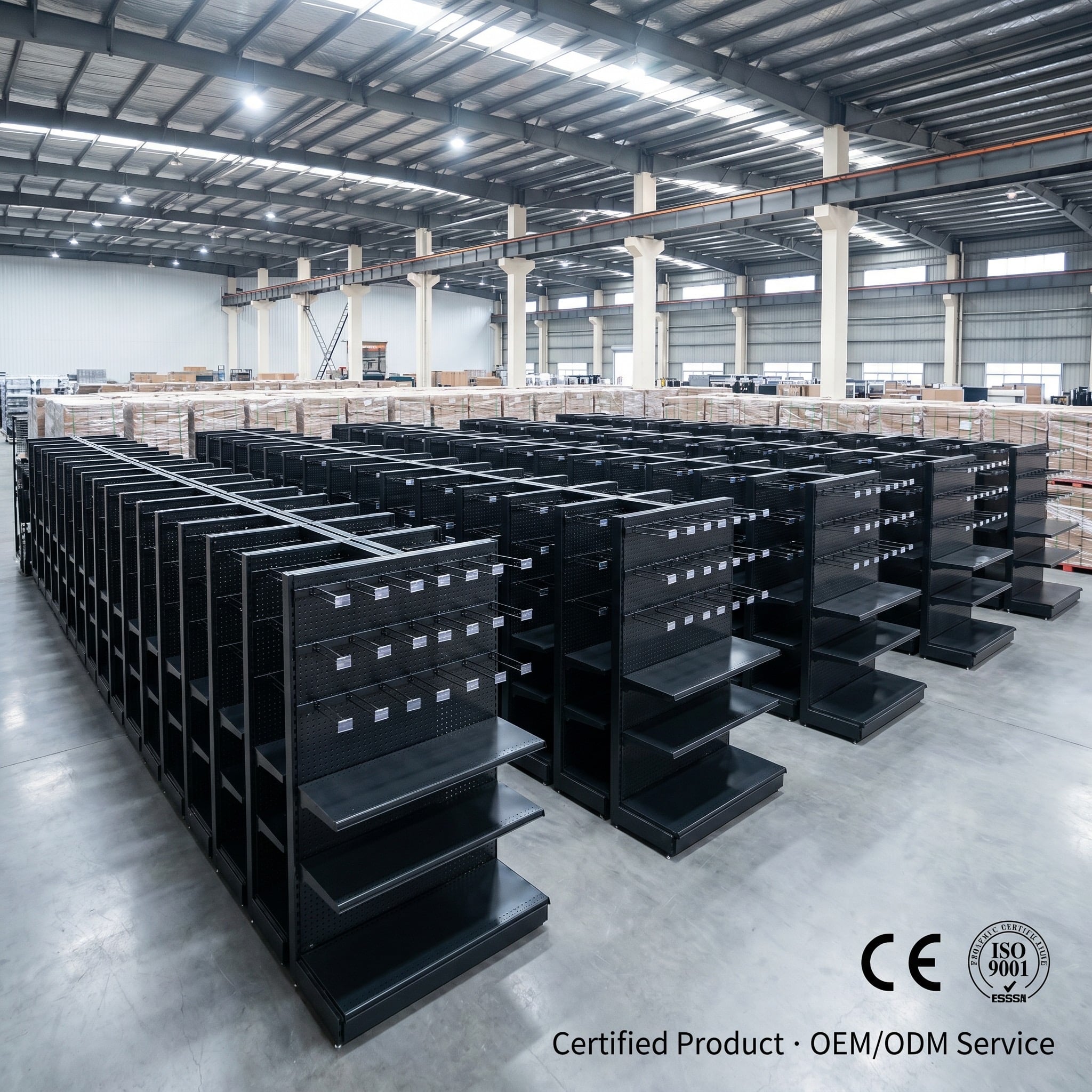
Understanding weight capacity is critical when selecting shelves for retail store operations. Every retail environment demands reliable storage infrastructure that can safely support merchandise without risk of failure or damage. Weight capacity directly impacts product placement decisions, store safety, and operational efficiency. Retailers must know precisely how much weight their shelving systems can handle to prevent accidents, maintain compliance, and optimize floor space effectively.
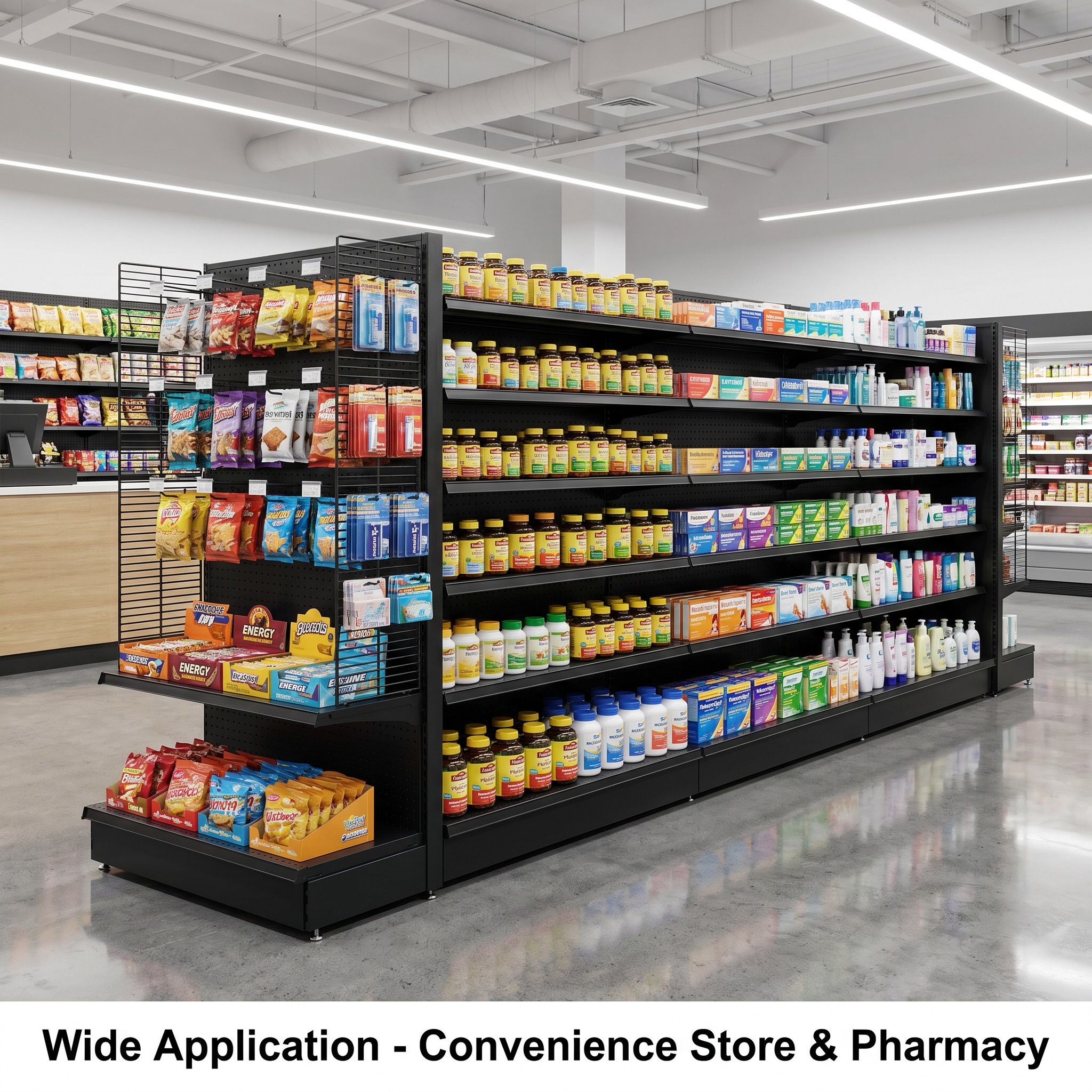
Commercial display shelves come in varying weight ratings depending on materials, frame design, and construction quality. The distinction between standard retail shelving systems and heavy-duty options affects both capacity and cost considerations. Understanding these differences helps retailers make informed investments that balance budget constraints with operational safety requirements and long-term durability.
Understanding Retail Shelf Weight Capacity Standards
Industry Weight Ratings and Specifications
Retail shelving systems are engineered with specific weight ratings determined by structural analysis and material properties. Standard commercial display shelves typically support between 50 to 300 pounds per shelf, depending on shelf width and span length. Industrial-grade store shelving solutions can exceed 500 pounds per shelf or more. These ratings account for distributed loads across the entire shelf surface rather than concentrated point loads at single locations.
Weight capacity varies significantly based on shelf depth, material composition, and frame construction. Shallow shelves with narrower spans generally support heavier loads than deep, wide configurations. Metal materials like steel provide superior load-bearing compared to wood or particleboard alternatives. The shelves for retail store you choose should match your specific merchandise weight requirements and operational demands.
Dynamic Load Considerations in Retail Environments
Dynamic loads from merchandise placement, customer interaction, and restocking activities differ from static weight ratings. Retail shelving systems must accommodate repeated loading cycles, vibration from foot traffic, and occasional impact stress. Commercial display shelves designed for retail use include safety margins that reduce published maximum capacity by 20 to 30 percent during actual operation. Store shelving solutions engineered for high-traffic environments incorporate reinforced frames and cross-bracing to handle these dynamic pressures.
Temperature fluctuations and humidity variations in retail spaces can affect material integrity over time. Metal shelving experiences minimal changes, while wooden or composite materials may shift and affect load distribution. Retailers operating in climate-controlled environments face fewer structural concerns than those in fluctuating conditions. Proper maintenance and periodic inspection ensure retail shelving systems maintain their rated capacity throughout their operational lifespan.
Factors That Influence Shelf Load Capacity
Structural Design and Material Selection
Material choice fundamentally determines how much weight commercial display shelves can safely support. Steel shelving provides maximum weight capacity with minimal deflection, making it ideal for heavy merchandise categories. Welded construction creates stronger joints than bolted assemblies, improving overall stability and load distribution. Wire deck shelving in retail environments allows better air circulation while maintaining substantial weight ratings suitable for diverse product types.
The gauge and grade of steel used in retail shelving systems directly correlate with structural strength. Thicker gauge materials handle greater loads but increase cost and weight of the overall system. Manufacturers typically specify materials based on intended store shelving solutions applications and expected product categories. Hybrid designs combining metal frames with wood or composite shelving surfaces offer balanced solutions for moderate weight demands in commercial display settings.
Shelf Span and Support Distribution
Span length between vertical supports dramatically affects load capacity in retail shelving systems. Shorter spans support proportionally greater weights because load distribution improves. A shelf with 24-inch span supports significantly more weight than an identical shelf with 48-inch span. Store shelving solutions typically employ support posts at 36 to 48-inch intervals as an industry standard balancing capacity with accessibility needs.
Support configuration influences how commercial display shelves distribute merchandise weight. Single-sided shelving units transfer loads through cantilever design, requiring robust frame construction. Double-sided gondola shelving with center support posts achieves better weight distribution and capacity. Back-to-back arrangements in retail environments create structural efficiency that allows heavier product placement compared to wall-mounted applications. Understanding these design variations helps retailers select appropriate shelving systems for specific merchandise categories and weight requirements.
Practical Application and Safety Considerations
Calculating and Distributing Merchandise Weight
Effective merchandise placement requires calculating total weight and distributing it appropriately across available shelving. Retail shelving systems should never exceed manufacturer capacity ratings, even temporarily. Heavy items belong on lower shelves where structural support is strongest and accessibility for customers and staff improves. Commercial display shelves benefit from organizing products by weight category, placing heavier merchandise on bottom tiers and lighter items on upper levels.
Weight limits should account for anticipated restocking patterns and customer handling. Store shelving solutions designed for high-turnover products require more conservative load calculations than slow-moving inventory. Retailers must train staff on proper loading techniques to prevent shelf overload and maintain safety standards. Documentation of shelf capacity ratings should remain accessible to all personnel responsible for merchandise placement and inventory management.
Maintenance and Safety Compliance
Regular inspection of retail shelving systems ensures load capacity remains reliable throughout operational years. Visual checks for bending, rust, or structural damage should occur monthly in high-traffic commercial display shelf areas. Commercial shelving systems exposed to moisture require preventive coating applications to maintain material integrity and load-bearing capacity. Store shelving solutions in food retail environments need particular attention to cleanliness and material compatibility standards.
Safety signage displaying weight limits helps prevent overloading and reduces liability exposure. Retailers should document inspection procedures and maintenance records for each shelving installation. Compliance with OSHA guidelines and industry standards protects both customers and employees. Regular staff training on safe loading practices and weight capacity awareness creates a culture of operational safety within the retail environment.
FAQ
What determines the maximum weight capacity of commercial display shelves?
Maximum weight capacity depends on material type, shelf span length, frame construction quality, and support post configuration. Steel shelving systems with shorter spans and closer support posts achieve higher capacity ratings. Manufacturer testing and engineering specifications provide specific load ratings for each commercial display shelf model. Installation conditions, including wall mounting versus freestanding placement, also influence practical capacity in retail environments.
Can retail shelving systems handle concentrated versus distributed loads differently?
Yes, retail shelving systems perform differently under concentrated and distributed loads. Shelves designed for distributed loads across the entire surface may experience deflection or failure under concentrated point loads. Store shelving solutions require merchandise distributed relatively evenly rather than stacked in single locations. Manufacturers typically rate capacity assuming reasonable load distribution; concentrated heavy items should be avoided on commercial display shelves.
How often should retail store shelves be inspected for safety and capacity compliance?
Retail shelving systems should undergo visual inspection at least monthly, with comprehensive safety audits quarterly. High-traffic retail environments with heavy merchandise require more frequent checks. Store shelving solutions in demanding applications benefit from professional structural assessments annually. Documentation of inspections helps identify deterioration patterns and determines when replacement becomes necessary for maintaining operational safety and weight capacity standards.