 EN

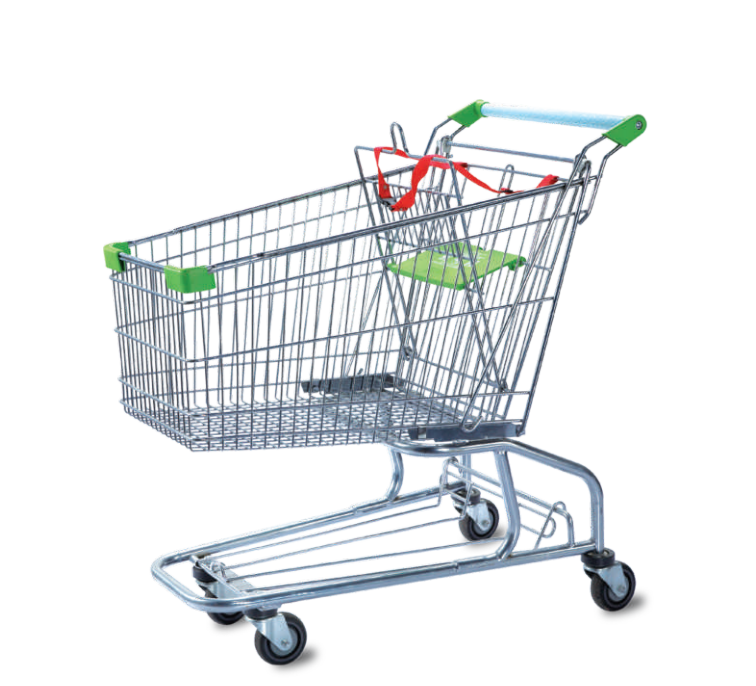
Selecting the right shopping trolley is a crucial decision for retailers, warehouses, and commercial facilities. A well-chosen trolley enhances operational efficiency, reduces labor costs, and improves customer satisfaction. Whether you operate a supermarket, distribution center, or small retail store, understanding the key factors that define a quality shopping trolley will help you make an informed investment that aligns with your business needs and budget constraints.
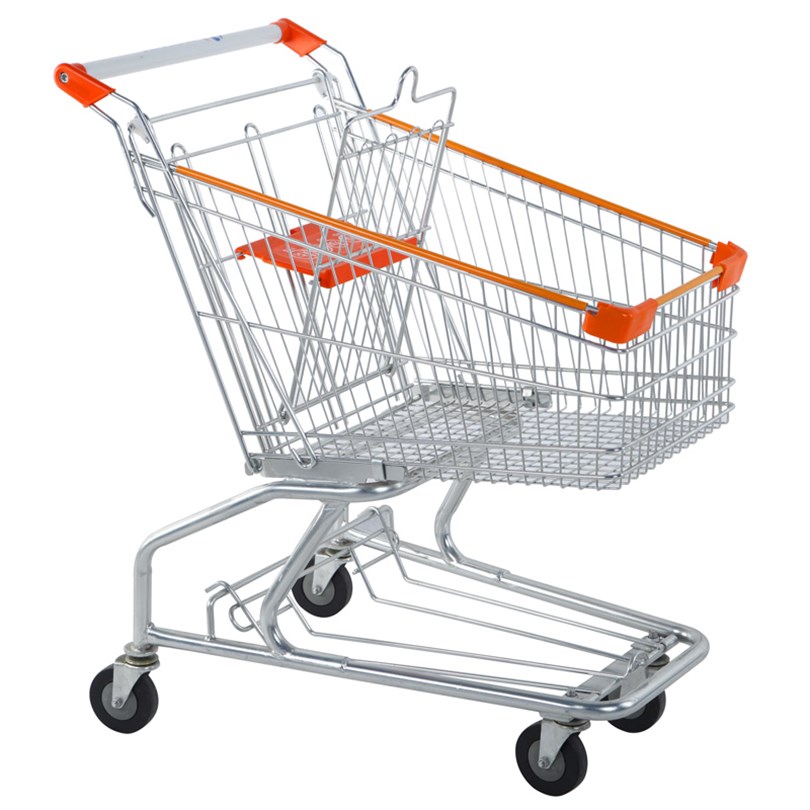
The market offers numerous trolley designs, each engineered for specific environments and load requirements. Understanding these variations ensures you invest in equipment that delivers reliable performance over years of daily use. A shopping trolley that suits your operation today will reduce maintenance expenses, minimize downtime, and maintain consistent service quality for your customers.
Understanding Trolley Weight Capacity and Load Handling
Assessing Your Daily Load Requirements
The trolley weight capacity is the foundational factor in your selection process. Different retail environments generate vastly different load demands throughout the day. A busy supermarket requires trolleys that handle consistent heavy loads, while specialty retailers may prioritize maneuverability over maximum capacity. Your trolley weight capacity must exceed your peak daily requirements by at least twenty percent to ensure safe operation and equipment longevity.
Calculate your typical load by analyzing product weight patterns during peak shopping hours. Consider seasonal variations where holiday shopping periods generate heavier basket loads than typical days. Premium shopping trolleys accommodate loads ranging from one hundred fifty to three hundred kilograms, providing flexibility as your business grows. Understanding your actual needs prevents both over-investment in excessive capacity and operational failures from under-capacity equipment.
Material Quality and Durability Standards
Construction materials directly impact how long your trolley maintains its rated trolley weight capacity without deformation or structural failure. Commercial-grade steel frames resist bending under sustained pressure, while plastic components must withstand repeated temperature changes and cleaning chemicals. High-quality shopping trolleys feature powder-coated frames that resist rust and scratches, maintaining appearance and structural integrity through years of intensive use.
Evaluate weld quality and joint reinforcement in any trolley you consider purchasing. Poor welds create stress points that fail prematurely under heavy loads, resulting in unexpected downtime and replacement costs. Select manufacturers who provide detailed specifications about material grades and construction methods, indicating confidence in their products' durability and adherence to commercial standards.
Evaluating Wheels and Mobility Features
Grocery Cart Wheels Performance and Specifications
Grocery cart wheels represent one of the most critical components determining overall trolley performance and user satisfaction. High-quality wheels rotate smoothly, reduce operational fatigue for staff, and create a quieter shopping environment that enhances customer experience. Superior grocery cart wheels feature sealed ball bearings that resist dust and moisture, maintaining smooth operation even in challenging retail environments where floors may be wet or soiled.
The wheel diameter and material composition significantly affect maneuverability and floor compatibility. Larger wheels navigate transitions between different floor surfaces more gracefully, reducing strain on both the trolley and the operator. Polyurethane and rubber compounds used in grocery cart wheels provide superior grip and noise reduction compared to harder plastic alternatives. When evaluating trolleys, test wheels by pushing them across various floor types to confirm they roll smoothly without excessive resistance or noise that might disturb customers.
Swivel and Fixed Wheel Configuration
Professional shopping trolleys typically combine swivel front wheels with fixed rear wheels, optimizing both maneuverability and stability. Swivel wheels enable tight turning in narrow aisles and congested retail spaces, while fixed wheels maintain directional control when traversing long shopping routes. This configuration balances operational requirements, allowing staff to navigate efficiently while preventing tipping during high-load transport scenarios.
The quality of swivel mechanisms determines how smoothly wheels respond to directional changes. Industrial-grade swivel fittings reduce friction and maintain responsiveness even when supporting maximum trolley weight capacity loads. Test the swivel action by pushing the trolley in circular patterns at various speeds to ensure smooth, responsive movement without hesitation or grinding sounds that indicate worn components.
Assessing Handle Design and Ergonomic Features
Shopping Cart Handles and User Comfort
Shopping cart handles significantly impact staff comfort and customer satisfaction during shopping experiences. Well-designed shopping cart handles feature ergonomic curves that align naturally with hand and wrist positions, reducing fatigue during extended use. The handle height should accommodate users of varying heights, typically ranging from eighty to one hundred centimeters, allowing most customers to maintain neutral wrist positions throughout their shopping journey.
Material selection for shopping cart handles affects both comfort and durability. Coated or rubberized grips provide better traction than bare metal, preventing slipping when hands are wet or cold. Handles should be smooth and free from sharp edges that might catch clothing or cause discomfort. Consider trolleys with dual-handle designs that accommodate both seated shoppers and standing users, broadening accessibility and market appeal for your retail operation.
Additional Control and Safety Features
Beyond basic handle functionality, premium shopping trolleys incorporate brake mechanisms and stabilization features that enhance safety and control. Child-safety designs prevent unauthorized deployment of wheels while parked, protecting young customers. Some trolleys include basket attachment points that accommodate accessory bags or expansion modules, extending functionality without requiring additional equipment purchases.
Evaluate how readily staff can clean shopping cart handles during shift changes or between heavy-use periods. Removable handle covers simplify sanitization processes, particularly important in post-pandemic retail environments where cleanliness directly impacts customer confidence. Testing handle strength by applying downward pressure confirms the handle remains rigid under stress, ensuring safety when customers lean heavily during transitions between shopping aisles.
Considering Maintenance and Total Cost of Ownership
Long-Term Performance and Replacement Parts
Quality shopping trolley selection requires evaluating long-term maintenance implications and parts availability. Manufacturers who maintain extensive spare-parts inventories and offer reasonable pricing enable extended equipment lifespans compared to proprietary designs where obsolescence occurs rapidly. Verify that grocery cart wheels, handles, and frame components are readily available through the manufacturer or authorized distributors, preventing extended downtime when routine maintenance becomes necessary.
Request information about typical service intervals and maintenance costs from manufacturers. Professional shopping trolleys designed for commercial applications include documented maintenance schedules and predictable failure points that informed operators can address proactively. Compare these figures across candidate trolleys to calculate realistic total cost of ownership over five to ten-year operational periods, revealing which seemingly expensive options actually deliver superior value.
Environmental and Regulatory Compliance
Modern retail operations must consider environmental impact alongside operational performance when selecting shopping trolleys. Manufacturers increasingly offer sustainable alternatives using recycled materials and designing components for easy disassembly and recycling at end-of-life. Verify that candidate trolleys comply with relevant safety standards and regulations in your jurisdiction, ensuring liability protection and regulatory compliance for your operation.
Request certifications and compliance documentation from manufacturers before finalizing purchases. Professional shopping trolleys should meet international safety standards and undergo rigorous testing for structural integrity, wheel performance, and handle strength. This documentation protects your business legally and demonstrates due diligence to insurance providers and regulatory authorities overseeing commercial operations.
FAQ
What trolley weight capacity should my supermarket choose?
Most supermarkets benefit from trolleys rated between one hundred fifty and two hundred kilograms, accommodating typical shopping baskets while maintaining maneuverability in crowded aisles. Analyze your peak-hour load patterns and select capacity that exceeds average requirements by thirty percent, providing safety margins and operational flexibility.
How do grocery cart wheels affect overall trolley performance?
Grocery cart wheels directly impact ease of movement, noise levels, and customer satisfaction. High-quality wheels with sealed bearings reduce resistance, minimize noise, and maintain smooth operation across various floor surfaces. Test wheel performance during evaluation to ensure they meet your facility's specific operational requirements.
Why are shopping cart handles crucial for retail operations?
Shopping cart handles affect user comfort, safety, and accessibility for all customer demographics. Well-designed handles reduce fatigue, prevent injury from improper grip positions, and accommodate diverse user needs. Ergonomic shopping cart handles improve customer satisfaction and encourage repeat patronage by enhancing overall shopping experiences.