 EN

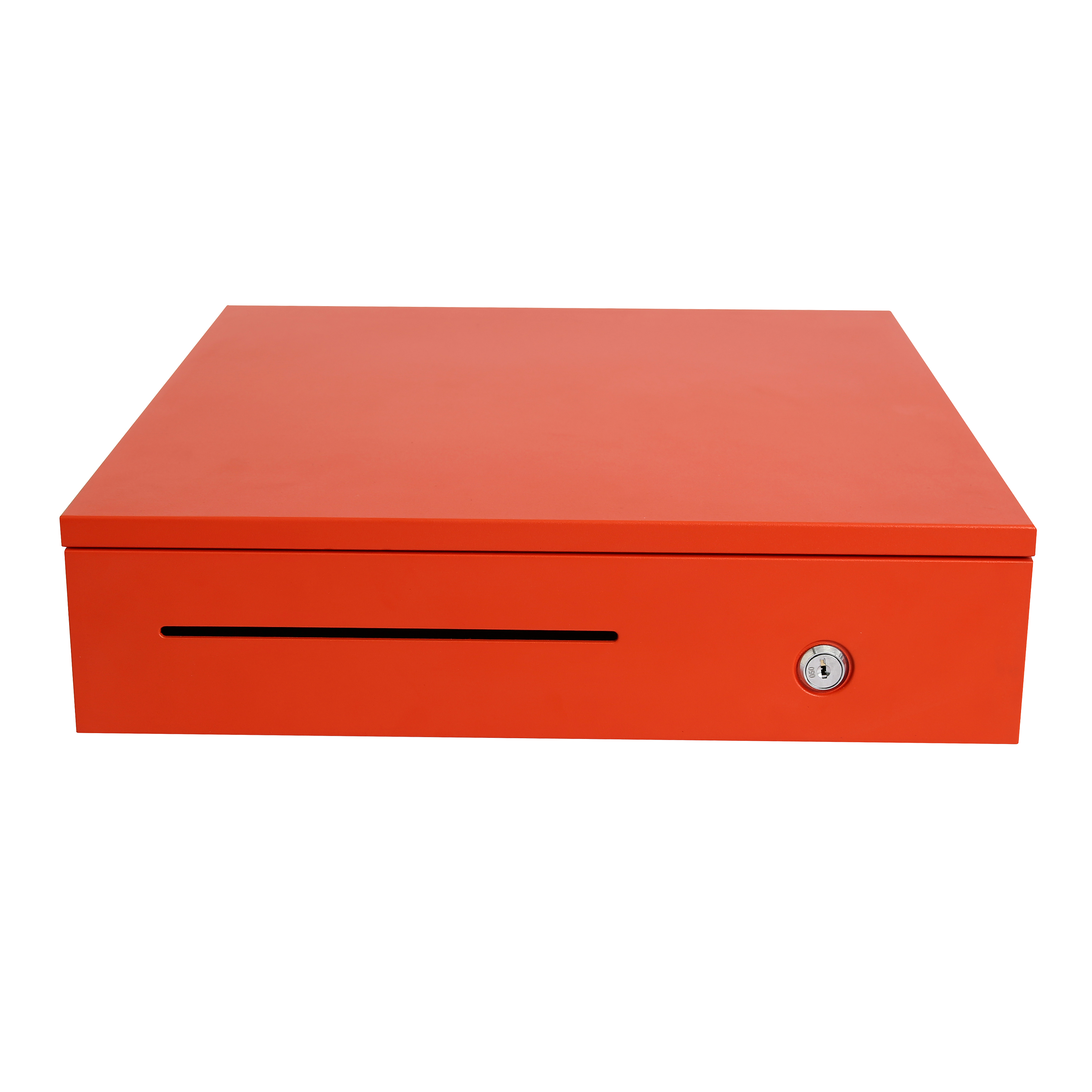
A cash drawer is a secure mechanical or electronic storage unit that holds currency, coins, and payment-related documents in retail, hospitality, and service environments. It represents one of the most essential components of a modern point-of-sale system, functioning as the physical repository where daily transactions culminate. Understanding how a cash drawer operates is crucial for retailers seeking to optimize their payment processing workflow, enhance security protocols, and maintain accurate till management systems. The cash drawer sits at the intersection of customer-facing transactions and backend financial controls, making it a critical element of any retail operation.

Modern retail environments depend on sophisticated POS cash register integration to streamline transactions and reduce human error. A cash drawer connects directly to point-of-sale terminals, opening automatically when transactions complete and signaling employees to process payment methods securely. This integration between the cash drawer and POS cash register eliminates manual cash handling steps, reduces theft risk, and creates an auditable transaction trail. Retailers implementing effective till management systems recognize that cash box security and operational efficiency go hand in hand, particularly in high-volume retail settings where multiple employees handle payment processing throughout each shift.
Core Components and Design of a Cash Drawer
Physical Structure and Materials
A typical cash drawer features a robust metal frame constructed from steel or heavy-duty materials designed to resist tampering and withstand daily use in demanding retail environments. The drawer contains multiple compartments and coin slots, each designed to organize different denominations of currency and maintain an orderly structure during high-transaction periods. Cash box security benefits significantly from reinforced construction, as a sturdy cash drawer physically deters unauthorized access attempts and provides reliable protection for valuable assets. The locking mechanism represents a critical security feature, typically incorporating a key lock or electronic solenoid system that prevents unauthorized opening outside designated business hours.
Mechanical and Electronic Components
The mechanical operation of a cash drawer relies on a spring-loaded base and pneumatic or electric solenoid activation system that opens the drawer when the POS cash register processes a transaction. Electronic cash drawers communicate directly with point-of-sale terminals through serial connections or network protocols, enabling seamless integration into till management systems. When a transaction completes, the POS system sends an electronic signal to the cash drawer, triggering immediate opening and alerting the cashier to complete payment processing. This automation reduces the risk of cash drawer errors, improves transaction speed, and ensures consistent operational protocols across multiple checkout stations in larger retail operations.
Integration with POS Systems and Till Management
How Cash Drawer Connects to POS Cash Register
Integration between a cash drawer and POS cash register creates a unified payment processing ecosystem that enhances both security and efficiency. The connection allows the cash drawer to open automatically at the precise moment a transaction completes, eliminating the need for manual cash drawer activation and ensuring consistent procedures across all checkout locations. Modern till management systems track every cash drawer opening, logging timestamps, transaction amounts, and employee identifiers to create comprehensive audit trails. This level of transparency significantly strengthens cash box security by creating accountability and making unauthorized access attempts immediately visible in system records. POS cash register integration also enables real-time cash drawer status monitoring, alerting managers if a drawer remains open too long or if unusual access patterns occur.
Till Management System Features
Effective till management systems incorporate multiple features that enhance operational control over cash drawer procedures and cash box security protocols. Cashiers typically begin their shifts by performing a cash drawer opening balance, counting the initial float and recording the amount in the POS system. Throughout the day, the cash drawer accumulates currency and coins from customer transactions, with the POS cash register maintaining a running balance of expected cash amounts. At shift end, cashiers perform a cash drawer reconciliation process, comparing physical cash totals with the POS system records to identify discrepancies. Advanced till management systems can flag imbalances immediately, investigate unusual patterns, and generate detailed reports that support financial accountability and fraud detection efforts.
Security Considerations and Best Practices
Cash Box Security Measures
Cash box security represents a primary concern for retail managers implementing effective loss prevention strategies. A well-designed cash drawer incorporates multiple physical and procedural security layers that collectively protect against theft and unauthorized access. Electronic locking systems tied directly to the POS cash register prevent unauthorized opening during business hours, ensuring that only authorized transactions trigger cash drawer opening. Many modern cash drawers include alarm systems that alert management if the drawer is forcibly opened or tampered with during non-business hours. Additionally, security features such as reinforced hinges, drill-resistant materials, and internal cable locks provide extra protection against physical theft attempts.
Operational Security Protocols
Beyond physical security features, operational procedures significantly impact overall cash box security and till management effectiveness. Restricting cash drawer access to authorized personnel only, implementing regular balance reconciliations, and rotating cashier responsibilities strengthens security protocols substantially. Many retailers establish mandatory cash drawer procedures where employees must never leave a drawer open or unattended, and every drawer opening must correspond to a legitimate POS transaction. Supervisory oversight of cash drawer access logs helps identify unusual patterns, such as excessive openings during low-transaction periods or access outside normal operating hours. Regular management reviews of till management system reports support early detection of discrepancies that might indicate theft, error, or security breaches.
FAQ
Why is cash drawer integration important for retail operations?
Cash drawer integration with POS systems creates automated, auditable payment processing that reduces human error and strengthens security. When a cash drawer connects directly to your POS cash register, transactions complete more efficiently, accountability increases through automatic transaction logging, and cash box security improves through controlled access. Till management systems built on this integration provide real-time visibility into cash handling procedures, helping managers identify and address discrepancies immediately rather than discovering problems during end-of-day reconciliation.
How does a cash drawer prevent theft and unauthorized access?
A cash drawer prevents theft through multiple interconnected security layers including physical reinforcement, electronic locking mechanisms, and procedural controls. The cash box security design incorporates reinforced construction that resists prying, tamper-evident features that alert management to attempted breaches, and locking systems that prevent opening outside authorized transaction contexts. POS cash register integration ensures that only legitimate transactions trigger drawer opening, electronic logs create accountability records, and alarm systems alert staff to suspicious access attempts. Combined with operational protocols like restricted drawer access and regular reconciliation procedures, these features create comprehensive protection against both internal and external theft threats.
What maintenance does a cash drawer require?
Regular maintenance of a cash drawer ensures reliable operation and preserves cash box security features over time. Retailers should periodically clean the drawer interior to remove debris, dust, and accumulated dirt that can affect smooth operation or interfere with coin slot functionality. Mechanical components like hinges, springs, and locking mechanisms should be inspected regularly and lubricated with appropriate materials to maintain smooth operation. Electronic components require verification that solenoid activation remains responsive and that connections to the POS cash register remain secure. Implementing preventative maintenance schedules significantly extends cash drawer lifespan and reduces unexpected failures that might disrupt till management operations during critical business hours.