 EN

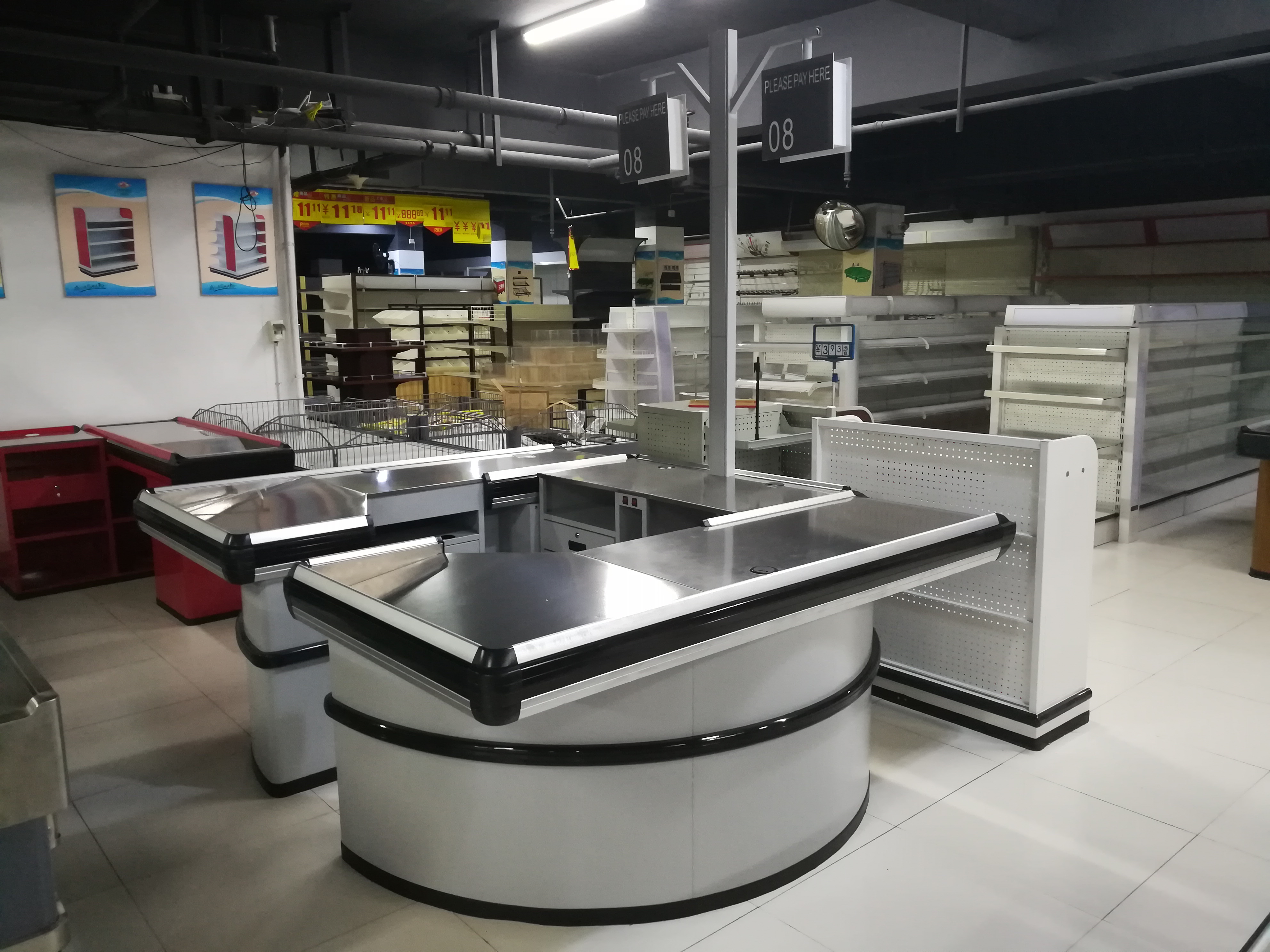
Selecting the right checkout counter is one of the most critical decisions you'll make when setting up or renovating your retail store. Your checkout area directly impacts customer satisfaction, operational efficiency, and ultimately your bottom line. A poorly chosen point of sale counter can lead to bottlenecks during peak hours, customer frustration, and lost sales opportunities. Conversely, the right retail checkout station enhances workflow, reduces transaction times, and creates a professional shopping experience that encourages repeat visits.
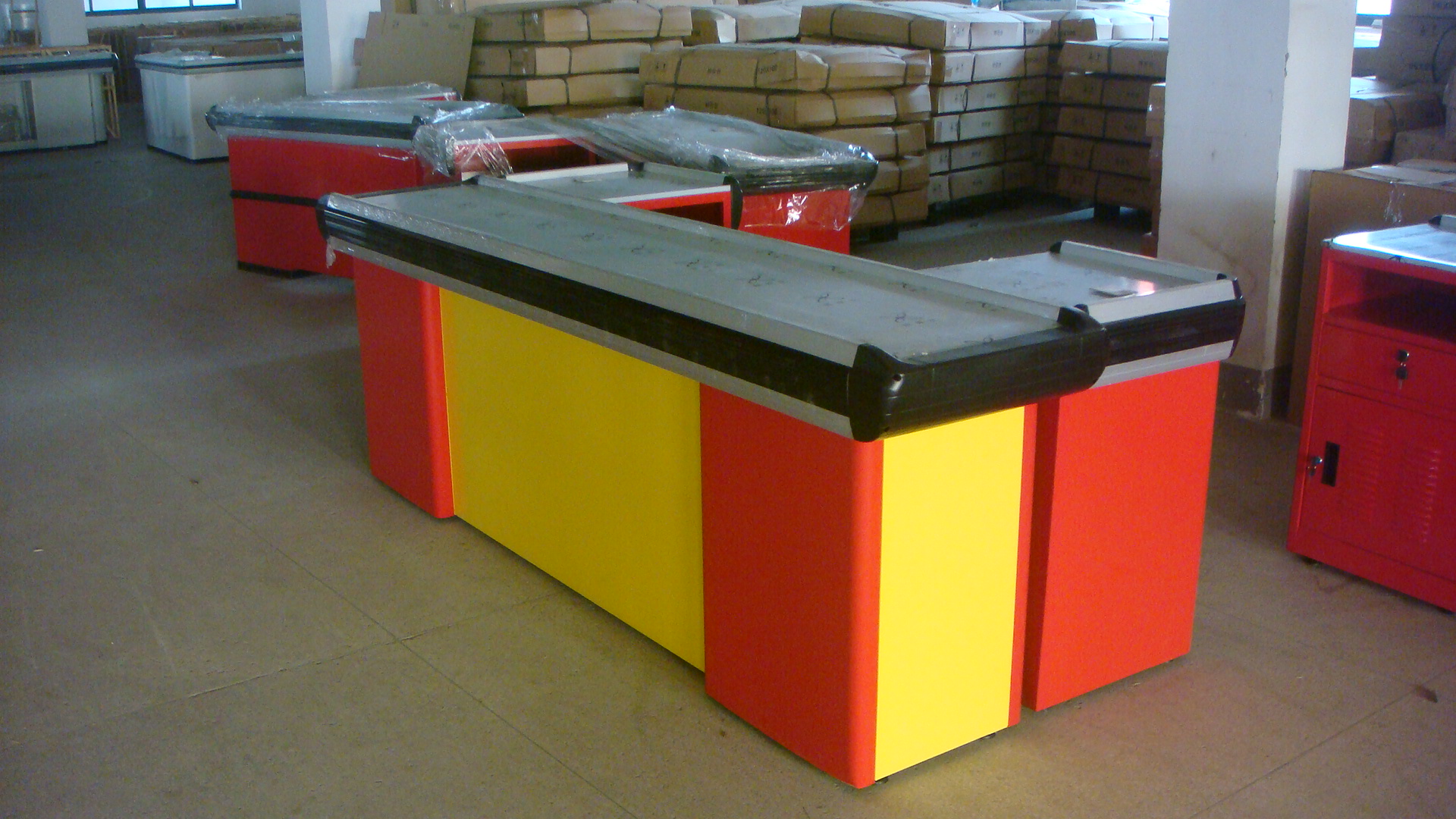
The checkout counter represents far more than a simple counter surface. It's the final touchpoint in the customer journey, a hub for your staff operations, and a reflection of your retail brand's professionalism. Whether you operate a small boutique, a grocery store, or a mid-sized retail operation, understanding the different types of point of sale counter solutions available and how to match them to your specific business needs will help you make an informed investment decision that pays dividends for years to come.
Understanding Your Checkout Counter Needs
Assessing Store Layout and Customer Flow
Before selecting a checkout counter for your retail space, you must evaluate your store's physical layout and anticipated customer traffic patterns. Consider how many checkout lanes you need and where they should be positioned to minimize customer congestion. A small boutique might need only one point of sale counter near the entrance, while a supermarket requires multiple retail checkout stations strategically placed throughout the store. Analyze peak traffic hours to determine whether your checkout counter configuration can handle customer volume without creating bottlenecks that frustrate shoppers and reduce transaction efficiency.
Defining Your Business Requirements
Your specific business model directly influences which type of point of sale counter is most suitable. A clothing retailer's checkout counter requirements differ significantly from those of a pharmacy or bookstore. Consider whether your retail checkout station needs to accommodate cash handling, card payments, inventory scanning, or all three simultaneously. Some retailers benefit from traditional cashier-operated counters, while others explore self-checkout system options to reduce labor costs and empower customers. Document all functional requirements your checkout counter must support before comparing specific solutions.
Exploring Point of Sale Counter and Retail Checkout Station Options
Traditional Full-Service Checkout Counters
A traditional point of sale counter remains the backbone of retail operations in most stores. This checkout counter configuration typically features a counter surface for scanning items, a drawer for cash management, and space for payment terminals and receipt printers. Full-service retail checkout stations allow cashiers to interact personally with customers, answer questions, and process various payment methods. A well-designed checkout counter in this category includes ergonomic features that reduce staff fatigue during long shifts, storage compartments for bags and promotional materials, and adequate workspace for efficient transaction processing. Many retailers continue choosing this checkout counter style because it offers reliability, customer engagement, and operational flexibility that self-checkout alternatives haven't entirely replaced.
Hybrid and Self-Checkout System Solutions
Self-checkout system technology has evolved significantly, and many retailers now implement hybrid checkout counter approaches that combine traditional cashier lanes with automated options. A self-checkout system allows customers to scan and pay for items independently, which can dramatically reduce wait times during peak periods. However, self-checkout system implementation requires careful consideration of your customer demographics, product mix, and staffing availability. Some retail checkout stations integrate self-checkout systems with attendant-monitored areas, creating a retail checkout station that offers flexibility. This hybrid point of sale counter approach leverages the efficiency of automation while maintaining human oversight to prevent errors and shrinkage.
Key Features and Specifications for Selection
Durability and Material Quality
Your checkout counter will endure constant use, so material quality directly affects longevity and maintenance costs. Commercial-grade materials in a point of sale counter, such as reinforced surfaces, durable laminate, or stainless steel components, withstand daily wear better than consumer-grade alternatives. The retail checkout station you select should have a surface that resists scratches, stains, and damage from items being placed and moved across it throughout each day. Consider moisture resistance if your retail checkout station will be exposed to spills or humid environments. A properly constructed checkout counter with quality materials requires fewer repairs and replacements, reducing total cost of ownership over the system's lifespan.
Functionality and Technology Integration
Modern checkout counter systems must integrate seamlessly with your point of sale software, inventory management, and payment processing platforms. Evaluate whether the point of sale counter can accommodate various payment methods including cash, cards, mobile payments, and emerging technologies. A retail checkout station should provide adequate electrical outlets and data connections for connecting payment terminals, barcode scanners, receipt printers, and customer displays. If you're considering a self-checkout system, verify compatibility with your existing systems and that the retail checkout station can perform all necessary functions reliably. Technical integration issues with your checkout counter can create customer friction and operational delays.
Ergonomics and Staff Comfort
Staff working behind a point of sale counter spend hours standing and performing repetitive motions, making ergonomic design critical for employee satisfaction and productivity. A properly designed checkout counter includes appropriate height to minimize back strain, adequate legroom, and organized storage that allows staff to access frequently needed items without excessive reaching or bending. A well-planned retail checkout station reduces fatigue, improves employee retention, and enables cashiers to maintain focus on customer service rather than physical discomfort. Consider adjustable components within your checkout counter that accommodate staff of different heights, promoting comfort and preventing workplace injuries that could disrupt operations.
Implementation and Installation Considerations
Space Optimization and Aesthetic Integration
Your checkout counter must fit within your retail space while maintaining aesthetic consistency with your store's design and brand identity. Measure available space carefully to ensure your point of sale counter placement doesn't obstruct customer flow or create safety hazards. The retail checkout station should reflect your brand's visual identity through color, materials, and design elements that complement your overall store environment. A well-integrated checkout counter enhances the shopping experience rather than appearing as an afterthought. Consider how your checkout counter will appear during off-hours and whether the point of sale counter's design contributes to or detracts from your store's overall visual appeal.
Training and Operational Setup
Successfully implementing your checkout counter requires comprehensive staff training and clear operational procedures. Your team must understand how to use all point of sale counter functions, troubleshoot common issues, and maintain the retail checkout station properly. If you're implementing a self-checkout system, develop clear protocols for customer assistance and error resolution. The point of sale counter setup should include organized storage systems that your staff can navigate quickly during busy periods. Proper training ensures your checkout counter operates efficiently from day one and that your team can maximize its capabilities and address problems promptly.
FAQ
How many checkout counters do I need for my retail store?
The number of point of sale counter lanes depends on your average transaction time, expected customer volume, and peak traffic patterns. A general rule is one checkout counter for every 2,000 to 3,000 square feet of retail space, though high-traffic stores may need more. Analyze your busiest hours to determine how many retail checkout stations are necessary to maintain acceptable wait times. Under-provisioning checkout counter capacity creates customer frustration and lost sales, while over-investing ties up capital inefficiently. Consider implementing a flexible approach where you can quickly activate additional point of sale counter capacity during peak seasons.
What is the difference between a traditional checkout counter and a self-checkout system?
A traditional point of sale counter employs cashiers who scan items and process payments face-to-face with customers, providing personal service and interaction. A self-checkout system allows customers to scan items independently and pay without cashier assistance, reducing labor costs but requiring customer acceptance and shrinkage monitoring. Many retailers implement both options, using retail checkout stations that offer customers choice. The ideal retail checkout station approach depends on your customer preferences, product types, staff availability, and operational priorities.
What should I budget for a quality checkout counter system?
Point of sale counter costs vary widely based on complexity, materials, technology integration, and whether you include self-checkout system components. A basic retail checkout station may cost $2,000 to $5,000, while a comprehensive checkout counter setup with advanced features and multiple lanes can exceed $15,000 or more. Consider the total cost of ownership including installation, training, maintenance, and potential upgrades to your checkout counter over its lifespan. Investing in a quality checkout counter reduces operational problems, improves customer experience, and typically delivers better long-term value than cheaper alternatives.