 EN

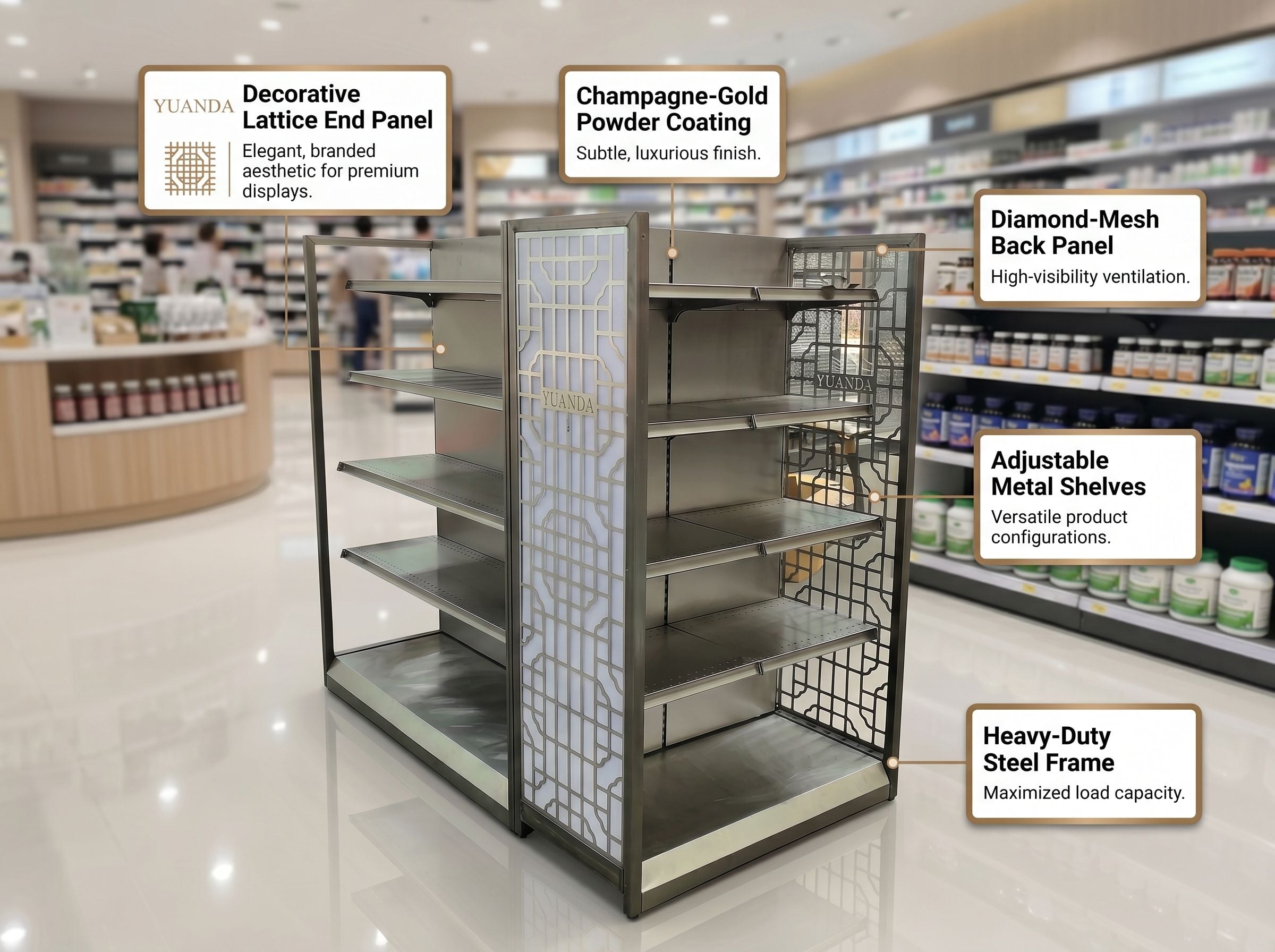
Selecting the right shop shelves is one of the most critical decisions a retail business can make. The shelving you choose directly impacts how customers navigate your store, how efficiently you use floor space, and ultimately how much merchandise you can display and sell. Shop shelves serve as both functional storage and visual marketing tools, making the selection process far more complex than simply choosing the cheapest option available. Understanding your store's unique requirements, customer behavior, and product characteristics will help you invest in shelving solutions that drive profitability and enhance the shopping experience.
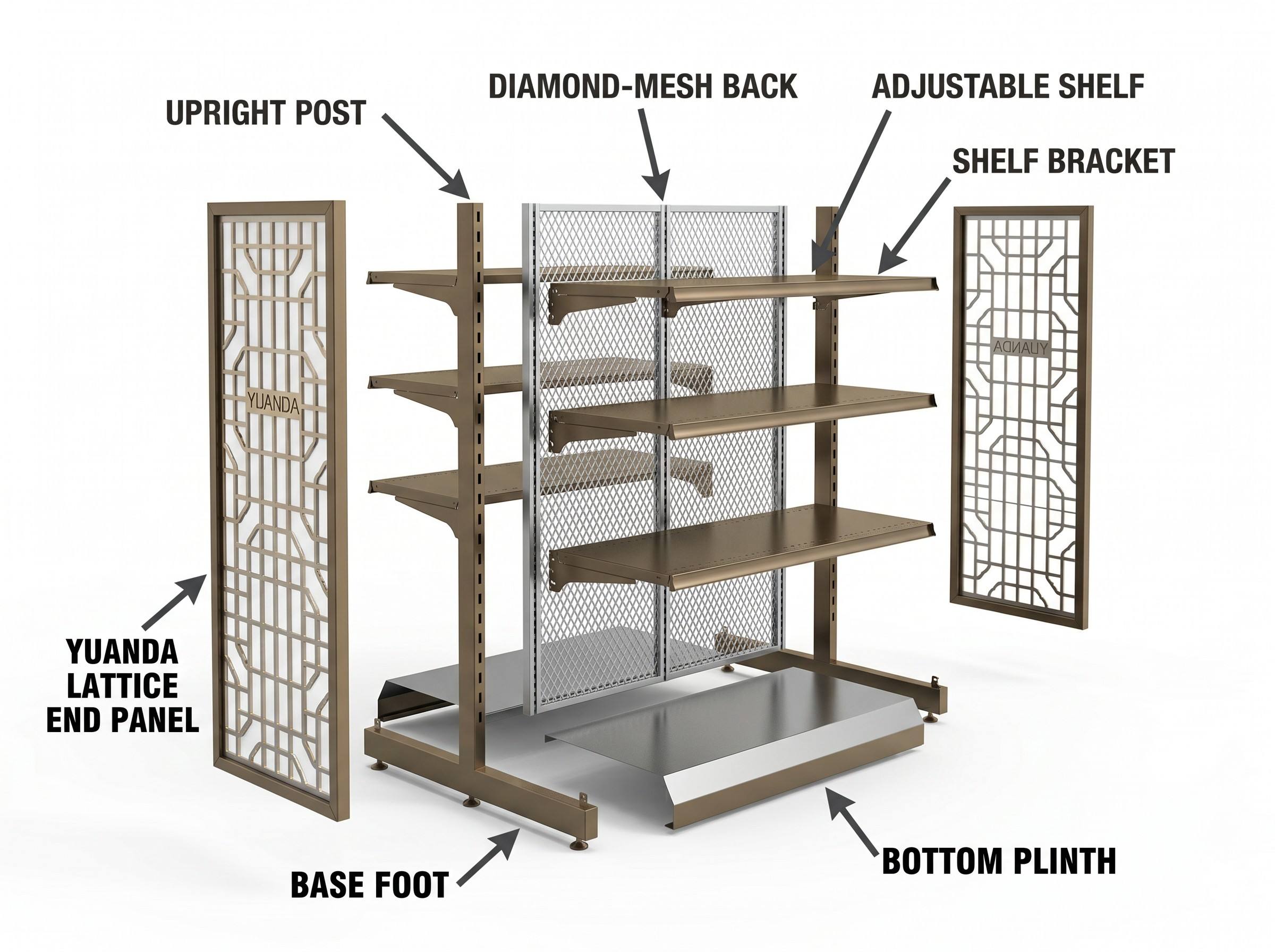
Retail display shelving systems come in various configurations, each designed for different store types and merchandise categories. Whether you operate a grocery store, clothing boutique, electronics shop, or general merchandise retailer, the right commercial storage racks can maximize your selling space and improve inventory visibility. This guide walks you through the key factors to consider when evaluating merchandise shelving systems, helping you make an informed decision that aligns with your business goals and operational constraints.
Understanding Your Store Layout and Space Requirements
Assessing Available Floor and Wall Space
Before selecting specific shop shelves, conduct a thorough audit of your retail space. Measure your floor dimensions, wall lengths, ceiling height, and identify any structural obstacles like pillars, electrical outlets, or HVAC systems that might affect placement. Consider traffic flow patterns and ensure shelving placement doesn't create bottlenecks or obstruct customer movement. Your retail display shelving should enhance accessibility, not impede it. For smaller retail environments, wall-mounted solutions or tall shelving units maximize vertical space, while larger stores might benefit from island displays and multiple shelf configurations positioned throughout the sales floor.
Planning for Customer Accessibility and Visibility
The optimal height for commercial storage racks depends on your target customer base and product type. Eye-level shelving typically generates the highest sales, so position premium and high-margin items at heights between 45 and 60 inches from the floor. Lower shelves work well for heavier items and products requiring closer inspection, while upper shelves suit lightweight impulse purchases or decorative displays. Merchandise shelving systems should never feel cramped or cluttered; adequate spacing between shelves allows customers to view products clearly and removes items without difficulty. Proper organization of your shop shelves encourages customers to spend more time browsing and increases basket size.
Evaluating Material, Weight Capacity, and Durability
Choosing Between Material Types
Shop shelves are manufactured from steel, wood, plastic, or hybrid materials, each offering distinct advantages. Steel commercial storage racks provide superior durability and weight capacity, ideal for heavy merchandise like tools, hardware, or canned goods. Wooden retail display shelving delivers an upscale aesthetic, working well in boutiques, bookstores, and specialty shops where ambiance matters. Plastic or laminate solutions offer lightweight convenience and lower initial cost, though they may not withstand heavy merchandise or frequent adjustments. Consider your product weight, shelf life expectations, maintenance requirements, and brand positioning when selecting materials. Metal shelving often requires occasional rust prevention, while wooden systems may need refinishing over time.
Weight Capacity and Load Distribution
Each merchandise shelving system has specific weight limits per shelf and overall unit capacity. Calculate the average weight of products you'll display, accounting for peak loading scenarios during promotional periods. Overloading commercial storage racks beyond manufacturer specifications risks structural failure, product damage, and potential liability. Verify that your chosen shop shelves accommodate both average and maximum anticipated loads. Distributing weight evenly across multiple shelves prevents stress concentration and extends system longevity. Consult manufacturer documentation and consider consulting with a retail design specialist if you plan to display exceptionally heavy items.
Matching Shelving Features to Your Product Categories
Adjustability and Flexibility for Mixed Merchandise
Modern retail display shelving offers adjustable shelf heights, enabling you to customize spacing as product assortments change seasonally. This flexibility is particularly valuable if your store carries multiple product categories with varying depths and dimensions. Commercial storage racks with tool-free or quick-adjustment mechanisms allow staff to reconfigure shelving without disrupting sales floor operations. If your product mix remains relatively static, fixed-height shop shelves may suffice and provide cost savings. Businesses with evolving inventory or frequent promotional displays benefit significantly from adjustable merchandise shelving systems.
Specialized Features for Specific Retail Needs
Different retail environments benefit from specialized shelving features. Bakeries and delis require open shelving for visibility and easy access to fresh products, while apparel retailers might prefer shop shelves with hanging rods and display arms. Electronics stores often employ commercial storage racks with security features and locked display cases. Sloped shelves prevent product sliding, particularly important for smaller or rounded items. Back-support panels reduce product toppling and create a cohesive visual presentation. Choose retail display shelving features that complement your merchandise characteristics and loss-prevention requirements, rather than purchasing generic systems that inadequately serve your specific needs.
Budget Considerations and Cost-Benefit Analysis
Initial Investment Versus Long-Term Value
Shelving prices vary dramatically based on materials, construction quality, adjustability, and brand reputation. Entry-level shop shelves might cost significantly less upfront but often require replacement within five to seven years due to rust, warping, or structural degradation. Premium merchandise shelving systems command higher initial investment but typically last 15–20 years with minimal maintenance, resulting in lower cost-per-year calculations. Calculate the total cost of ownership rather than focusing solely on purchase price. A durable commercial storage racks investment pays dividends through reduced replacement cycles, lower maintenance expenses, and consistent product presentation quality.
Additional Costs and Implementation Factors
Budget for installation, delivery, and any modifications required to your retail space. Assembly labor, wall reinforcement for heavy systems, and floor preparation all impact total project costs. Consider whether existing flooring can support the additional weight of fully loaded shop shelves or if reinforcement is necessary. Factor in training staff to maintain and safely adjust retail display shelving, particularly if systems feature complex mechanisms. Some retailers overlook these ancillary costs, resulting in budget overruns and unexpected delays. Request comprehensive quotes from suppliers that include all services, materials, and contingencies.
FAQ
What is the ideal shelf height for retail displays?
The optimal shelf height depends on your customer demographics and product type. Premium items and high-margin products should occupy eye-level positioning between 45 and 60 inches from the floor, where customer visibility is greatest. Lower shelves work well for heavier merchandise or items requiring hands-on inspection, while upper merchandise shelving systems suit lightweight, impulse-purchase items. Adjustable commercial storage racks allow you to adapt shelf heights as your assortment or promotional focus changes, maximizing sales opportunities throughout different seasons.
How do I determine the correct weight capacity for shop shelves?
Calculate your average product weight and multiply by the number of units you plan to display per shelf. Account for seasonal peaks when you may increase inventory on display. Consult manufacturer specifications for each retail display shelving system and add a safety margin of at least 20 percent above your calculated needs. This precaution protects against structural failure and accommodates unexpected loading increases. Never assume that commercial storage racks can handle loads beyond their rated capacity, as overloading creates safety hazards and voids most manufacturer warranties.
Can I mix different shelving materials in my store?
Yes, many successful retailers combine different materials and styles of shop shelves to create visual interest and match specific merchandise needs. For example, combining steel commercial storage racks for heavy inventory with wooden retail display shelving in featured product areas creates differentiation and ambiance. However, ensure all merchandise shelving systems maintain consistent branding, color schemes, and professional appearance. Mismatched or poorly coordinated shop shelves can appear disorganized and reduce customer confidence in your store's quality standards.