 EN

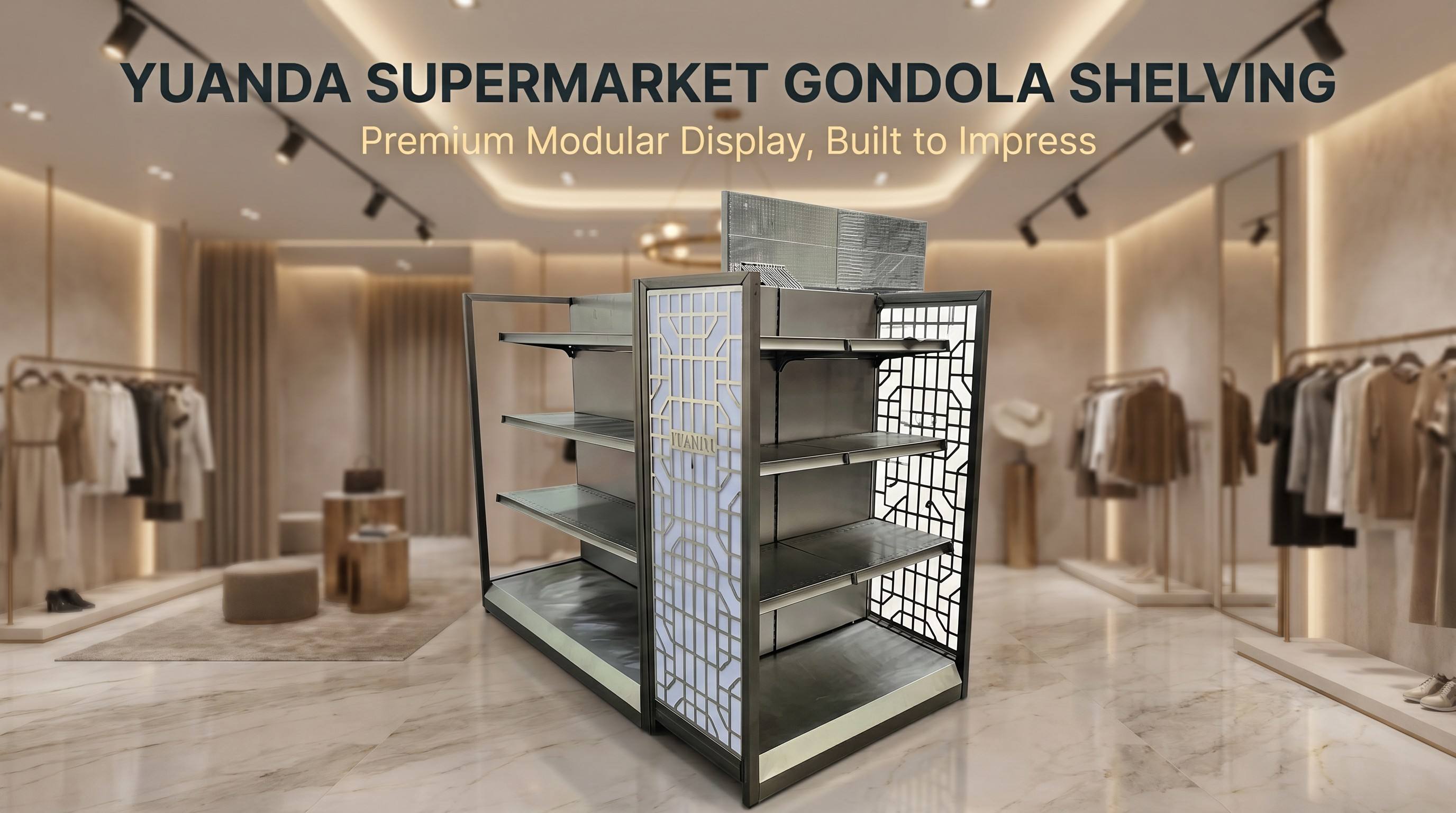
Choosing the right materials for shop shelves directly impacts your retail operation's efficiency, safety, and longevity. Whether you run a grocery store, hardware shop, or boutique, the durability of your shelving determines how well your merchandise displays hold up under constant use, weight fluctuations, and daily handling. Understanding material options helps you make informed decisions that balance cost, performance, and aesthetic fit for your retail environment.
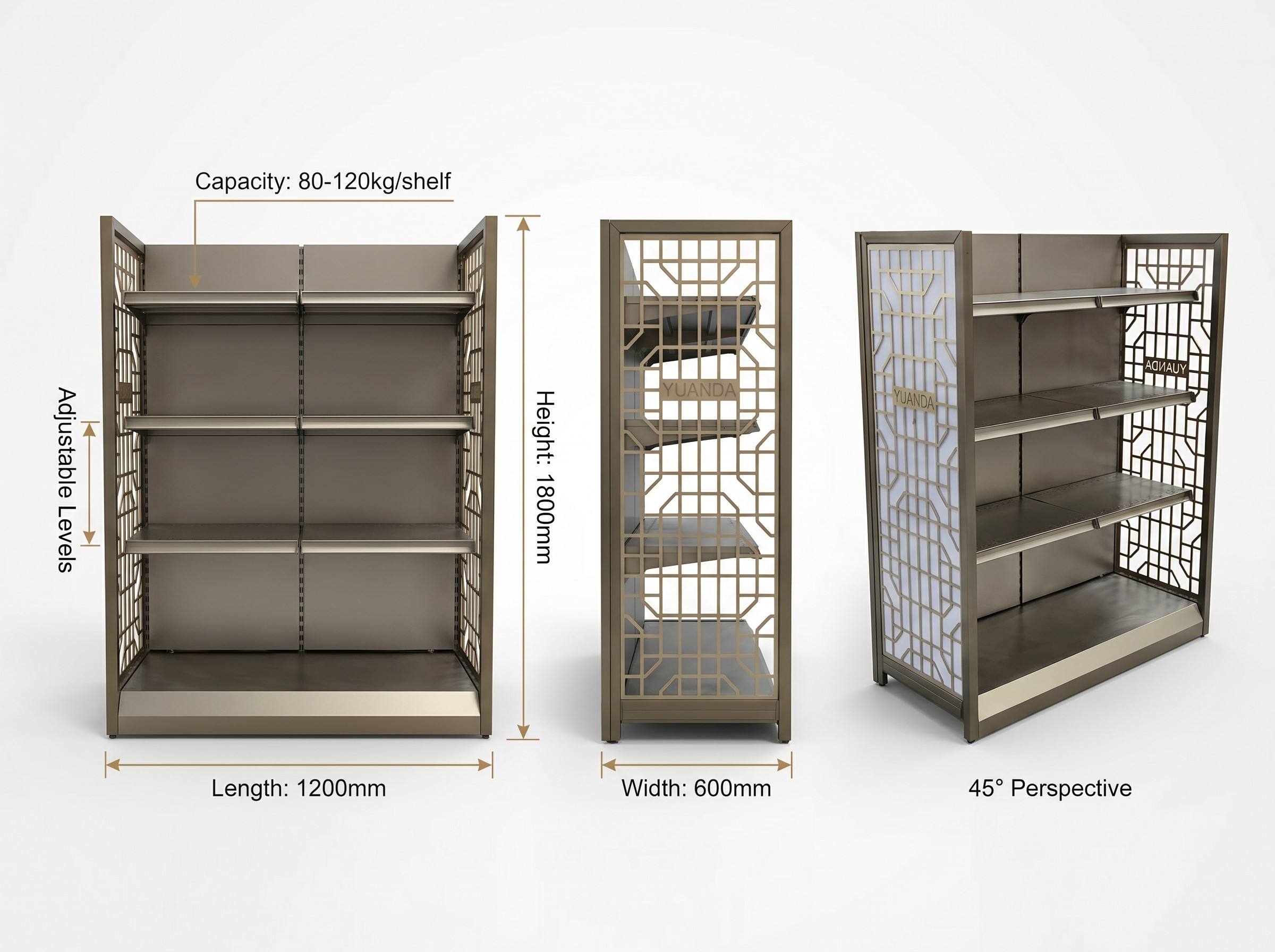
Retail environments demand shelving systems that withstand weight loads, temperature changes, humidity, and frequent restocking. Different materials offer distinct advantages depending on your store layout, product types, and budget constraints. This guide explores the most reliable materials for retail display shelving and commercial storage racks, helping you select solutions that deliver durability without compromising on functionality or visual appeal.
Steel and Metal-Based Shelving Systems
Why Steel Dominates Commercial Storage Racks
Steel remains the gold standard for commercial storage racks and merchandise shelving systems because of its exceptional strength-to-weight ratio and load capacity. Galvanized steel, in particular, resists corrosion and rust, making it ideal for environments with humidity or temperature fluctuations. The material can support significantly heavier merchandise than alternatives while maintaining structural integrity over decades of use.
Stainless steel offers premium durability for retail display shelving in specialized environments such as pharmacies, food markets, or stores with frequent cleaning protocols. Although stainless steel costs more upfront, its resistance to staining and ease of cleaning justify the investment for hygiene-sensitive applications. Powder-coated steel provides aesthetic flexibility, allowing retailers to match brand colors while maintaining corrosion protection.
Load Capacity and Longevity Factors
Commercial storage racks constructed from steel can typically support 300 to 1,000 pounds per shelf, depending on design and thickness. The gauge of the steel (measured in thickness) directly influences durability—thicker gauges resist bending and sagging under sustained loads. Welded joints rather than bolted connections provide enhanced stability, especially in high-traffic retail environments where vibration from activity can loosen fasteners over time.
Steel shelving systems maintain their performance across temperature ranges without warping or degradation, making them suitable for diverse retail spaces from climate-controlled boutiques to fluctuating warehouse-style shops. Regular maintenance, including occasional rust inspections and protective coating touch-ups, extends the lifespan beyond 20 years for most commercial installations.
Wood and Engineered Wood Solutions
Aesthetic Appeal and Moderate Durability
Solid wood shelving offers aesthetic warmth that appeals to upscale retail environments, specialty boutiques, and home décor stores. Hardwoods like oak, maple, and walnut provide natural beauty while supporting reasonable load weights—typically 50 to 150 pounds per shelf depending on wood species and shelf thickness. However, wood requires more careful environmental management, as fluctuating humidity levels cause swelling, shrinking, and potential warping.
Engineered wood products, including medium-density fiberboard (MDF) and plywood, offer cost-effective solutions for retail display shelving with moderate durability expectations. These materials work well for lighter merchandise such as books, apparel, or decorative items. MDF accepts paint and stain finishes beautifully, allowing retailers to customize merchandise shelving systems to match store branding.
Maintenance and Practical Limitations
Wood-based shop shelves require regular maintenance to prevent moisture damage, pest issues, and surface deterioration. Exposure to spills, high humidity, or temperature extremes significantly reduces lifespan compared to metal alternatives. Engineered wood degrades faster than solid wood when exposed to moisture, making these materials unsuitable for food retail or environments with frequent cleaning.
For retailers seeking longevity approaching or exceeding 10 years, wood solutions work best in climate-controlled indoor spaces with lighter product loads. Protective coatings and proper ventilation extend durability, but these materials ultimately suit applications where aesthetic value takes priority over extreme durability demands.
Plastic and Composite Materials
Corrosion Resistance and Low Maintenance
High-density polyethylene (HDPE) and polypropylene shelving provide excellent corrosion resistance, making them ideal for food retail, pharmacies, and wet environments. Commercial storage racks constructed from food-grade plastic resist staining, bacterial growth, and chemical damage, simplifying cleaning protocols in hygiene-critical settings. These materials weigh significantly less than steel, reducing installation labor and enabling easier repositioning of retail display shelving units.
Composite materials combining plastic with reinforcement fibers create durable merchandise shelving systems that resist moisture, temperature fluctuations, and impact damage. These solutions suit outdoor retail displays, covered market stalls, and environments where traditional metal shelving might suffer rust or wood might warp. The material's inherent stability reduces maintenance burdens compared to wood-based alternatives.
Load Capacity Considerations
Plastic and composite shop shelves typically support 100 to 400 pounds per shelf, depending on material composition and design thickness. While adequate for many retail applications, these materials cannot match the load capacity of commercial storage racks built from steel. Prolonged exposure to direct sunlight causes some plastics to degrade or discolor, limiting their suitability for window displays or outdoor settings without UV protection.
Plastic shelving excels in specialized environments where moisture resistance and ease of sanitization matter most. Retailers in food service, healthcare supply, or chemical retail sectors gain significant operational benefits from composite material choices. However, applications requiring heavy merchandise loads or high visual appeal typically favor steel or wood solutions.
Material Selection Guide for Retail Environments
Matching Materials to Store Type and Product Load
Hardware stores, automotive suppliers, and warehouses benefit from robust commercial storage racks built from galvanized or stainless steel, supporting heavy tools, supplies, and equipment. Grocery and food retailers require food-safe materials that withstand frequent cleaning—steel with food-grade finishes or plastic composite systems provide optimal solutions. Apparel boutiques and specialty shops often prioritize aesthetic retail display shelving through wood or powder-coated steel combinations.
Budget considerations intersect with durability needs when selecting merchandise shelving systems. Initial cost for steel exceeds wood or plastic alternatives, but superior longevity and minimal maintenance deliver better total cost of ownership over 15 to 20 years. Retailers planning to occupy fixed locations benefit from investing in premium materials, while pop-up shops or temporary displays favor lightweight, reusable solutions.
Environmental and Operational Factors
Climate control, humidity levels, temperature fluctuations, and cleaning frequency all influence material suitability for shop shelves. Spaces with stable indoor climates support wood-based solutions more effectively than highly variable environments. Retail locations subject to moisture exposure, frequent washdowns, or chemical contact demand corrosion-resistant materials like stainless steel or plastic composites.
Future expansion plans should factor into material selection decisions. Modular steel commercial storage racks adapt more readily to changing layouts than permanent wood installations. Retailers expecting merchandise volume growth benefit from scalable systems that accommodate additional shelves or height extensions without complete replacement.
FAQ
Which material offers the longest lifespan for retail display shelving?
Steel, particularly galvanized or stainless steel, provides the longest lifespan for commercial storage racks, often exceeding 20 years with proper maintenance. The material resists corrosion, maintains structural integrity under heavy loads, and withstands environmental fluctuations that compromise wood or lower-grade plastics. While initial costs exceed alternatives, longevity and minimal maintenance make steel the most economical choice for permanent retail installations.
Can plastic or composite materials replace steel for merchandise shelving systems?
Plastic and composite materials work well for specific retail applications, particularly in hygiene-sensitive environments like food or pharmaceutical retail. However, they cannot fully replace steel for heavy merchandise loads or long-term durability needs. These materials suit situations where moisture resistance and easy cleaning take priority over maximum load capacity, making them complementary rather than direct substitutes for commercial storage racks.
How do environmental conditions affect shop shelves material selection?
High humidity, temperature fluctuations, moisture exposure, and frequent cleaning all impact material durability. Steel provides consistent performance across varying conditions, while wood warps and plastic may degrade under extreme temperature shifts. Retail environments with stable indoor climates support broader material options, whereas exposed or variable-climate locations demand corrosion-resistant solutions like stainless steel or durable composites for retail display shelving.