 EN

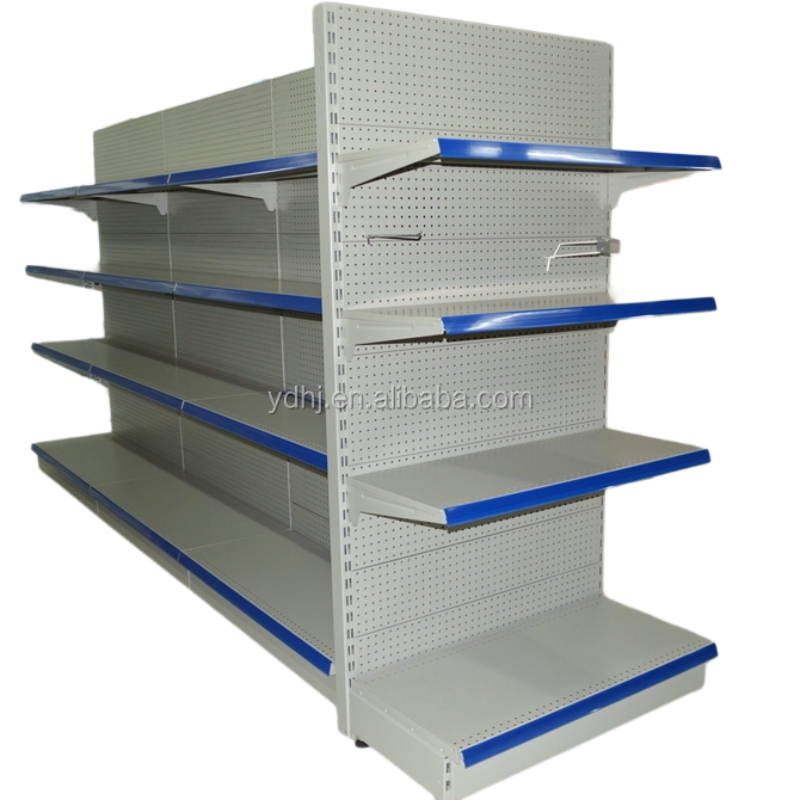
A gondola rack is a freestanding, double-sided retail display shelving unit that forms the backbone of modern store layouts. These supermarket shelving systems have become ubiquitous in retail environments, from grocery stores to pharmacies to convenience shops, because they maximize floor space while providing flexible product presentation. Understanding what a gondola rack is and how it functions is essential for retail managers, store planners, and business owners looking to optimize their merchandising strategy and create efficient shopping experiences.
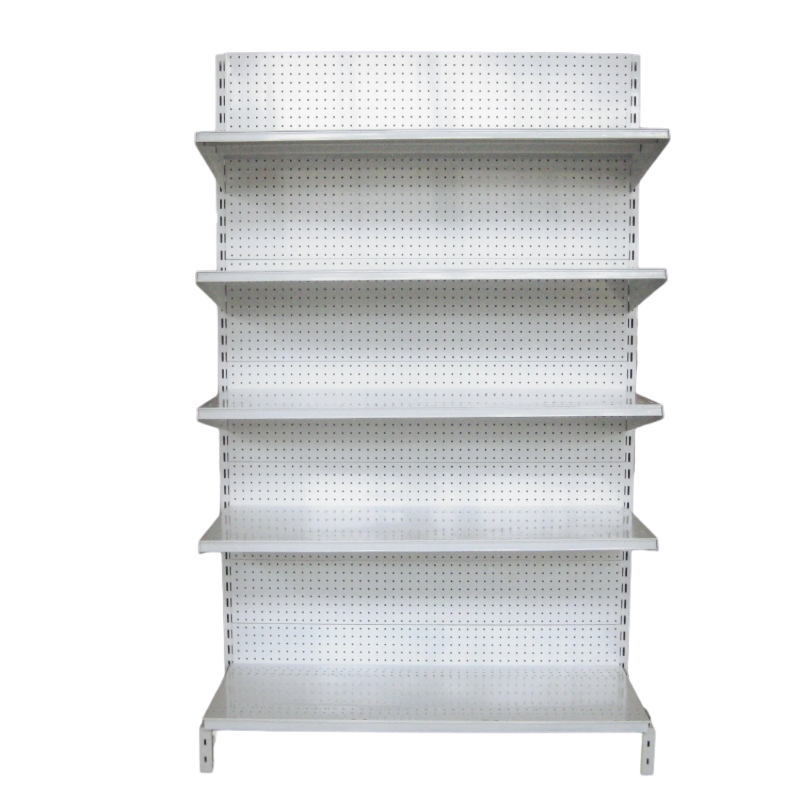
The versatility of adjustable metal racking lies in its adaptability to different store types, product categories, and spatial constraints. Retailers choose gondola rack systems because they can be reconfigured in minutes, allowing stores to respond to seasonal demand shifts, promotional campaigns, and inventory changes without expensive renovations or downtime. This flexibility makes retail display shelving an investment that grows with your business rather than limiting it.
Core Components and Design of Retail Display Shelving
Frame Structure and Materials
The structural integrity of a gondola rack depends on its frame design. Most supermarket shelving systems feature welded steel or aluminum frames that provide stability and durability. The vertical supports, called uprights, anchor to a base that sits flush on the floor, creating a self-supporting unit that requires no attachment to walls or ceilings. This design means retailers can position adjustable metal racking anywhere on the sales floor without construction or installation barriers.
Quality gondola racks use reinforced corners and bracing to distribute weight evenly across the frame. The base typically features adjustable leveling feet that accommodate uneven flooring, a common issue in older retail spaces. Modern retail display shelving often includes toe-kicks at the base to protect the frame from damage caused by shopping carts and cleaning equipment.
Shelves and Adjustment Mechanisms
The shelves on a gondola rack are typically made from steel, wood, or engineered composite materials, each offering different load capacities and aesthetics. Adjustable metal racking allows shelf height to be modified using hook-and-peg systems, slotted uprights, or clip-based mechanisms. This flexibility in supermarket shelving systems means you can accommodate products of varying heights without waste or redesign.
Most retail display shelving features shelves spaced between one and four inches apart, depending on product requirements. The adjustment capability enables store associates to reconfigure the unit in minutes when inventory needs change, without calling for maintenance support or purchasing new equipment.
How Gondola Racks Function in Retail Environments
Double-Sided Display Capability
The defining characteristic of a gondola rack is its double-sided design. Unlike wall-mounted retail display shelving, adjustable metal racking allows customers to shop from both sides simultaneously. This dual-facing capability maximizes the selling surface area, making gondola racks the most space-efficient supermarket shelving systems for central floor placement. Store planners value this feature because it generates sales density without occupying proportionally more floor space.
Retailers typically arrange multiple gondola rack units in parallel rows to create aisles. The back-to-back positioning creates natural traffic flow while displaying complementary or cross-category products on opposite sides. This merchandising strategy, enabled by the gondola rack design, drives impulse purchases and increases average transaction value.
Weight Distribution and Load Capacity
A properly engineered gondola rack distributes product weight across the frame to the base and floor. Each shelf has a maximum load capacity, typically ranging from 300 to 500 pounds depending on the unit size and material quality. Supermarket shelving systems must maintain balance and stability even when unevenly loaded, so understanding weight limits prevents safety hazards and product damage.
The retail display shelving industry emphasizes dynamic load capacity—the safe weight limit during normal store operations—versus static load capacity measured in controlled laboratory conditions. When calculating how much inventory your adjustable metal racking can hold, always reference the dynamic load specification provided by the manufacturer, which accounts for real-world handling, cart impacts, and vibration.
Practical Applications and Business Benefits
Inventory Presentation and Customer Experience
Gondola racks excel at presenting products in organized, visually appealing arrays that guide customer decisions. The retail display shelving system's flexibility supports planogramming—the strategic arrangement of products by size, color, brand, and category. Supermarket shelving systems arranged according to planograms reduce customer search time, decrease decision paralysis, and increase basket size through strategic product adjacency.
The customer-facing design of adjustable metal racking encourages product interaction. Eye-level placement on a gondola rack significantly boosts sales velocity, so retailers use shelf positioning strategically, placing high-margin or promotional items at heights between 42 and 60 inches where most customers naturally focus attention.
Store Reconfiguration and Seasonal Flexibility
Retail environments demand seasonal responsiveness. Gondola racks support rapid reconfiguration for holiday merchandise, seasonal products, and promotional displays. Because adjustable metal racking requires no tools or structural modifications to relocate or reconfigure, stores can refresh their layout monthly, weekly, or even daily to highlight new inventory or capitalize on trending categories.
This operational flexibility provides competitive advantage. Retailers using modern supermarket shelving systems can respond to supplier deliveries, market demand shifts, and competitive pressures faster than stores with fixed wall-mounted retail display shelving. The ability to transform store layout quickly reduces markdowns, minimizes stockouts, and keeps the shopping experience fresh.
FAQ
What differentiates a gondola rack from wall-mounted retail display shelving?
The primary difference is the double-sided design of a gondola rack versus the single-sided nature of wall-mounted retail display shelving. Gondola racks occupy central floor space and generate selling surface on both sides, maximizing inventory visibility and shopper access. Wall-mounted systems conserve floor space but offer only single-sided product presentation. For stores prioritizing high-velocity categories and impulse purchases, adjustable metal racking in gondola format typically outperforms wall-mounted supermarket shelving systems.
Can gondola racks accommodate different product categories simultaneously?
Yes. The adjustable metal racking on a gondola rack supports shelf configurations tailored to products of different heights, weights, and dimensions. A single unit can display food items on one level, heavier goods on lower shelves, and lightweight products higher up. This flexibility makes retail display shelving ideal for supermarket shelving systems serving diverse inventory, from beverages to health supplements to home goods. Retailers often use a single gondola rack to cross-merchandise categories and drive add-on sales.
How do I determine the right size gondola rack for my retail space?
Select a gondola rack size based on available floor space, inventory volume, and customer traffic patterns. Standard supermarket shelving systems come in widths from 36 to 60 inches and heights from 48 to 72 inches. Consider your store's total footage, the number of categories you need to display, and your target product density per linear foot. Many retailers begin with adjustable metal racking in smaller footprints, measure sales performance, and expand successful layouts. Consulting with a retail design specialist helps ensure your gondola rack configuration maximizes both space utilization and sales potential.