 EN
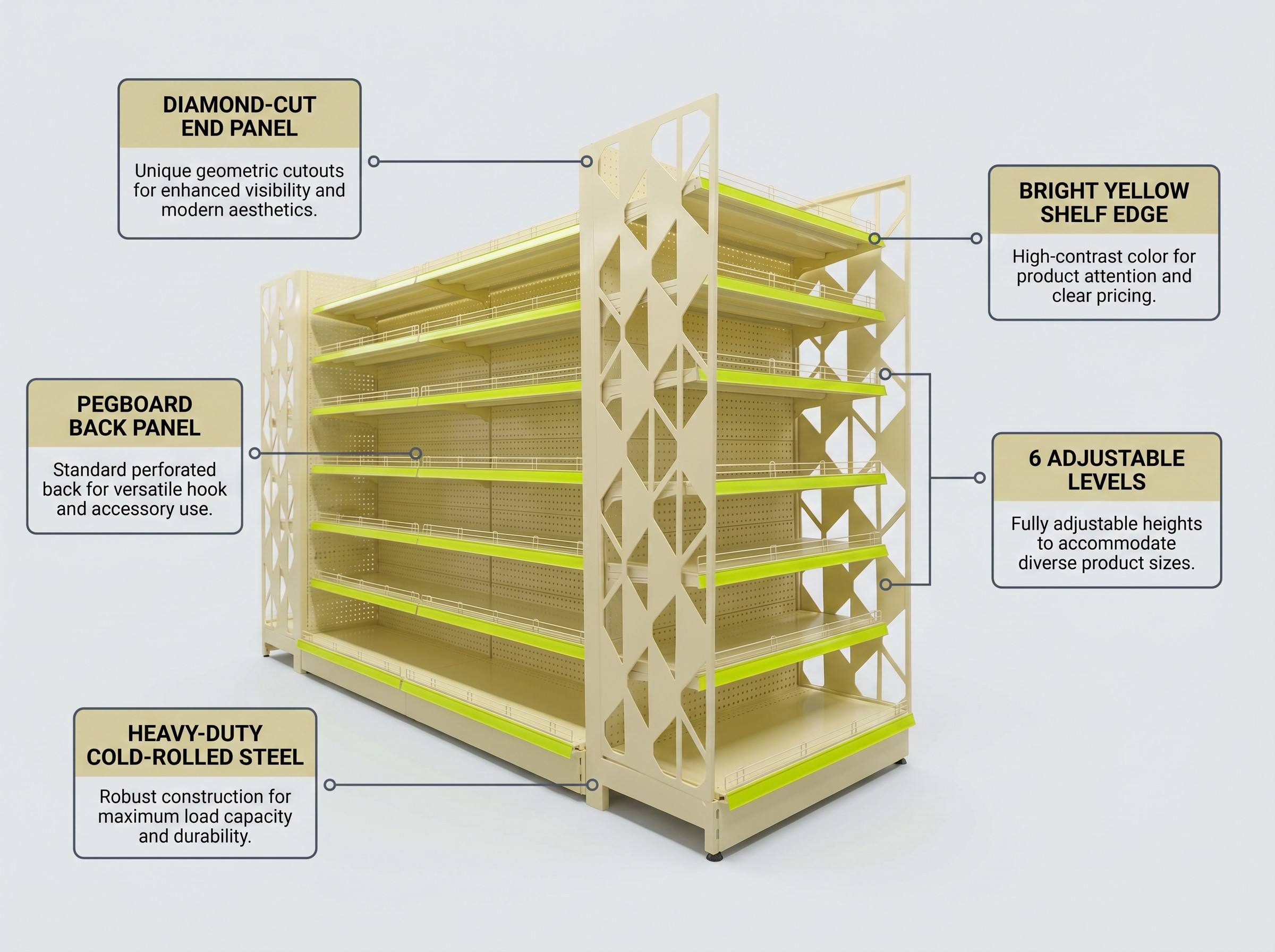
A gondola shelf is a freestanding retail display shelving unit that forms the backbone of modern store layouts. These self-contained structures stand independently on the sales floor, requiring no wall attachment or support infrastructure. Retailers worldwide rely on gondola shelf systems to maximize product visibility, organize merchandise by category, and create flexible shopping environments that adapt to changing inventory and seasonal demands.
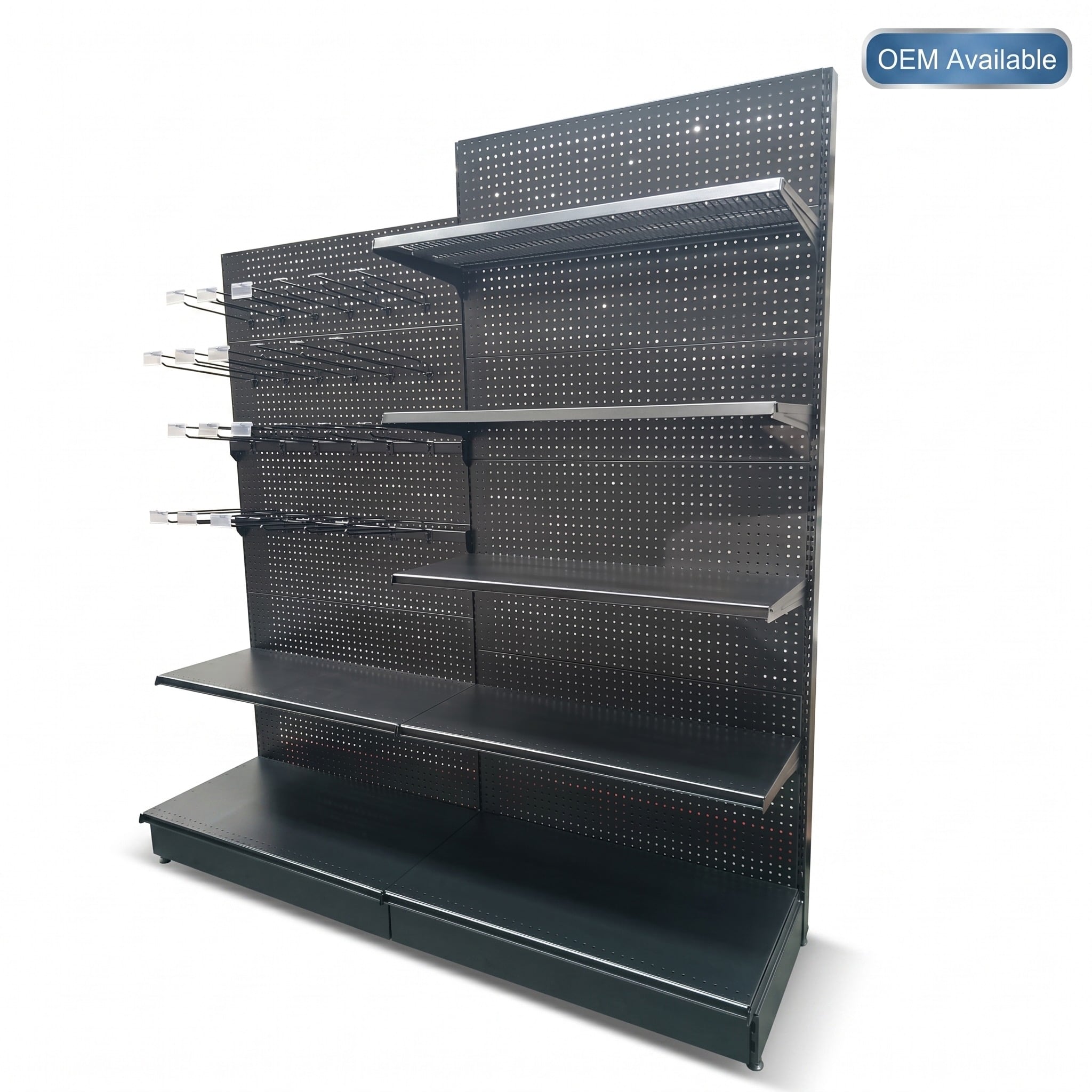
The name 'gondola' originates from the multi-sided design that resembles a traditional Venetian boat. Modern grocery store shelving systems and metal store fixtures have evolved into sophisticated storage solutions that combine durability, accessibility, and aesthetic appeal. Whether you operate a supermarket, convenience store, or specialty retail environment, understanding how a gondola shelf functions is essential for optimizing floor space and enhancing customer shopping experience.
Understanding the Basic Structure of Gondola Shelf Systems
Core Components of Retail Display Shelving
A typical gondola shelf consists of vertical support posts, horizontal shelves, and a base framework. The vertical posts anchor the entire unit and provide structural integrity, while metal store fixtures connect shelves at regular intervals. The base, often weighted or bolted to the floor, ensures stability even when fully loaded with merchandise. Most grocery store shelving systems feature shelves that adjust vertically to accommodate products of varying heights and dimensions.
The shelves themselves are typically constructed from steel or composite materials, chosen for their ability to withstand constant use and weight distribution. Retail display shelving units can reach heights of 5 to 8 feet, depending on store ceiling constraints and product strategy. Some units feature double-sided configurations, maximizing product presentation on both front and back surfaces, while single-sided versions optimize space in corner locations or against walls.
Design Variations in Modern Retail Display Shelving
Gondola shelf designs vary significantly based on retailer needs and merchandising strategies. Metal store fixtures come in different widths, depths, and shelf counts, allowing customization for specific product categories. Some grocery store shelving systems incorporate slanted shelves or tilted displays to improve product visibility and reduce shrinkage. Others feature end-caps or promotional sections designed to highlight featured items and seasonal merchandise.
Modern retail display shelving increasingly integrates digital signage, lighting systems, and promotional platforms. These enhancements transform traditional gondola shelf units into interactive selling environments that engage shoppers and communicate product information, pricing, and special offers directly at the point of purchase.
How Gondola Shelf Systems Operate in Retail Environments
Merchandising and Product Organization
A gondola shelf operates as a dynamic merchandising platform where retailers implement strategic product placement decisions. Grocery store shelving systems organize inventory by category, brand, price point, and consumer preference patterns. The modular nature of these metal store fixtures enables rapid reconfiguration when introducing new products, responding to seasonal changes, or executing promotional campaigns without replacing the entire unit.
Retailers utilize retail display shelving to apply proven merchandising principles such as 'eye-level is buy-level,' where premium or highest-margin products occupy the most visible shelf positions. Lower shelves attract bulk purchases and family-size packages, while upper shelves display lighter or specialty items. This strategic arrangement within a gondola shelf system directly influences purchase behavior and sales performance across product categories.
Accessibility and Customer Interaction
The open design of a gondola shelf encourages customer self-service shopping while maintaining product security and organization. Unlike enclosed display cases, these metal store fixtures invite browsing and comparison shopping. Customers can easily reach products at various heights, examine packaging, and make informed purchasing decisions. Grocery store shelving systems reduce pressure on store staff by enabling customers to locate and select items independently.
Accessibility extends to store operations as well. Staff members can rapidly restock merchandise, rotate inventory for freshness, and maintain cleanliness without complicated removal processes. The simple yet effective design of retail display shelving allows retailers to train employees quickly and execute inventory management tasks efficiently, reducing operational costs and improving overall store productivity.
Practical Applications and Installation Considerations
Space Optimization Through Gondola Shelf Deployment
A gondola shelf maximizes limited retail floor space by providing vertical storage density. Where wall space is unavailable or insufficient, these freestanding units create product zones throughout the store. Grocery store shelving systems can be arranged in parallel rows to create shopping aisles, clustered in islands for promotional displays, or positioned strategically to guide customer traffic flow. Metal store fixtures offer flexibility that fixed wall systems cannot match.
Retailers deploy retail display shelving to respond to market demands and sales velocity. High-performing product categories receive expanded shelf space through additional units or taller configurations, while slower-moving inventory occupies less premium locations. This dynamic approach to space allocation within gondola shelf systems ensures that floor area generates maximum revenue per square foot.
Installation and Maintenance Requirements
Installing a gondola shelf requires careful site assessment and floor preparation. Most metal store fixtures need level flooring to ensure stability and prevent product rollover incidents. Professional installation typically involves anchoring base units to the floor and ensuring vertical alignment across shelf rows. Grocery store shelving systems should comply with local building codes and safety regulations regarding weight capacity and structural integrity.
Maintaining retail display shelving involves regular inspection of shelf surfaces, post alignments, and safety mechanisms. Retailers should periodically check that a gondola shelf remains level, shelves remain properly secured, and no damage compromises structural reliability. Proper maintenance extends the lifespan of metal store fixtures, ensures customer safety, and protects merchandise from damage during daily operations.
FAQ
Why are gondola shelves called gondolas?
The term 'gondola' refers to the resemblance between the shelving unit's profile and a traditional Venetian gondola boat. Early retail display shelving designers adopted this descriptive name because the curved or boat-like appearance of these metal store fixtures, particularly when viewed end-on, resembled the iconic watercraft. The name stuck within the retail industry and remains the standard terminology for describing these freestanding grocery store shelving systems across global markets.
Can a gondola shelf be customized for specific product types?
Yes, retail display shelving systems offer extensive customization options. Manufacturers design metal store fixtures with adjustable shelf heights, removable dividers, and specialized accessories to accommodate diverse product categories. Whether displaying wine bottles, cosmetics, hardware, or grocery items, a gondola shelf can be configured with appropriate shelf spacing, load capacity, and presentation features. This adaptability makes grocery store shelving systems suitable for virtually any retail environment.
What is the typical weight capacity of a gondola shelf?
Standard retail display shelving units typically support 150 to 300 pounds per shelf, depending on the specific metal store fixtures design and materials used. High-capacity versions designed for heavy merchandise may support up to 500 pounds per shelf. Retailers must consult manufacturer specifications for their particular gondola shelf model to ensure safe product loading. Exceeding weight limits compromises structural integrity and creates safety hazards for customers and employees.