 EN

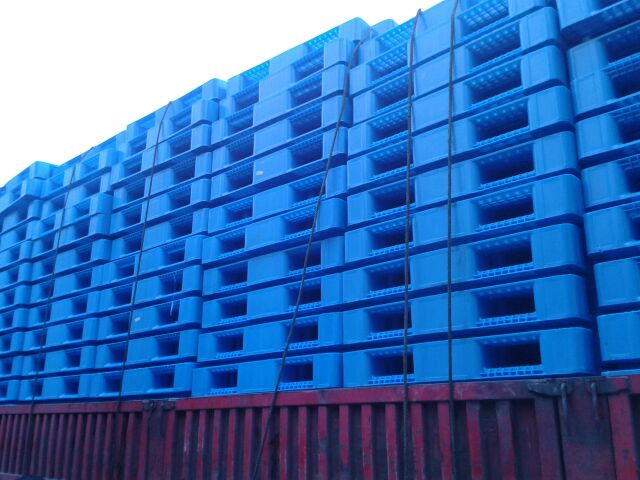
A pallet is a flat, portable platform used to consolidate and transport goods efficiently throughout supply chains, warehouses, and distribution centers. These fundamental logistics tools have become essential infrastructure in modern commerce, enabling businesses to move products safely, quickly, and cost-effectively. Understanding what a pallet is and how it functions provides valuable insight into warehouse operations, inventory management, and material handling strategies.

The basic design of a pallet consists of a wooden or plastic deck supported by legs, runners, or stringers that create space underneath for forklift insertion and movement. This simple yet ingenious design enables forklifts and pallet jacks to lift and transport heavy loads without direct contact with products themselves. The standardized dimensions and weight capacity of pallets make them interchangeable across industries, facilitating seamless logistics operations and reducing handling costs significantly.
Core Components and Pallet Design
Structure of a Wooden Pallet
A wooden pallet typically comprises several key structural elements working together to support and protect cargo. The deck boards form the top surface where products rest, while the stringers or runners provide the foundation and create the lift channels beneath. These components distribute weight evenly and prevent products from shifting during transport. The most common wooden pallet configuration uses either two or four stringers, with two-way pallets featuring wings on one or both sides for added stability.
Standard wooden pallet dimensions in North America measure 48 inches by 40 inches, though variations exist for specific applications and international markets. The weight capacity of a wooden pallet typically ranges from 1,500 to 4,600 pounds depending on construction quality, wood type, and intended use. Manufacturers design wooden pallets to withstand repeated handling, environmental exposure, and dynamic loads during storage and transportation.
Pallet Materials and Variations
While wooden pallets dominate industrial settings due to their cost-effectiveness and strength, alternative materials serve specific purposes. Plastic pallets offer advantages in food processing and pharmaceutical environments where sanitation and chemical resistance matter most. Metal pallets provide superior durability for heavy-duty applications and harsh industrial conditions. Some businesses use nestable or collapsible pallet designs to optimize return logistics and reduce empty shipping space.
The choice between wooden pallet types depends on industry requirements, cargo compatibility, and environmental conditions. Food-grade pallets must meet specific sanitation standards and resist moisture absorption. Nestable pallets save space when returning to distribution centers, reducing transportation costs for empty pallets on the return journey.
How Pallets Function in Logistics Operations
Material Handling and Movement
Pallets enable efficient material handling through standardized lift points designed for forklift operation and pallet jack use. When a forklift operator inserts tines into the channels beneath a pallet, the equipment distributes the load across multiple stringers, preventing structural failure and product damage. This mechanism allows operators to lift, move, and stack pallets quickly without requiring manual handling of individual items. The pallet jack, a simpler manual alternative, provides flexibility in spaces where large equipment cannot operate.
Pallet racking systems in warehouses maximize vertical storage space by providing multiple levels for pallet placement. Standard pallet racking configurations allow businesses to increase storage density significantly compared to floor-only storage. Selective pallet racking provides easy access to all stored pallets, while drive-in or push-back systems optimize space for high-volume inventory of similar products. Understanding the relationship between pallet dimensions and racking systems helps warehouse managers design efficient storage layouts.
Supply Chain Integration
Pallets function as standardized units throughout entire supply chains, from manufacturing facilities to retail distribution centers. This standardization eliminates the need for product repacking at each transfer point, reducing labor costs and minimizing damage risk. Palletized shipments move seamlessly between trucks, warehouses, and retail locations using universal handling equipment. The ability to track pallets through radio frequency identification tags has enhanced visibility and accountability in modern logistics networks.
The return logistics network depends equally on efficient pallet systems. Used pallets circulate back through distribution channels for reuse, reducing overall costs. Some companies manage their own pallet pools internally, while others participate in shared pallet exchange networks. This circular flow keeps pallets moving continuously and maximizes return on investment for logistics operations.
Pallet Selection and Warehouse Implementation
Choosing the Right Pallet Type
Selecting appropriate pallets requires evaluating multiple factors including product weight, environmental conditions, storage duration, and handling equipment available. A wooden pallet works well for general manufacturing and retail operations where cost efficiency matters most. Plastic pallets suit pharmaceutical, food service, and regulated industries where sanitation and trackability are mandatory. Heavy-duty applications require reinforced wooden pallets or metal alternatives capable of supporting extreme loads.
Compatibility with existing pallet jacks, forklifts, and pallet racking systems must guide selection decisions. Inconsistent pallet dimensions create operational inefficiencies and increase handling time. Many organizations standardize on single pallet types to streamline warehouse management, reduce training requirements, and simplify spare parts inventory.
Optimizing Warehouse Performance
Warehouse efficiency depends directly on proper pallet utilization and storage methodology. Implementing organized pallet racking systems allows staff to locate products quickly and move inventory with minimal handling steps. Regular pallet maintenance prevents deterioration and extends service life, reducing replacement costs. Some businesses treat pallets as capital equipment, conducting inspections and repairs to maintain functionality.
Training warehouse staff on proper pallet handling procedures prevents accidents and protects valuable inventory. Operators must understand weight distribution, load stability, and safe pallet stacking practices. Clear labeling systems on pallets help identify contents quickly and reduce picking errors. When pallets are properly managed, warehouses achieve higher throughput rates and lower operating costs.
FAQ
What is the standard size of a pallet?
The standard pallet in North America measures 48 inches by 40 inches and typically weighs between 35 and 50 pounds depending on construction. This dimension became industry standard because it fits efficiently in shipping containers and truck trailers. International markets use alternative dimensions such as the European pallet standard of 47.2 by 39.4 inches. Regardless of exact measurements, standardized dimensions enable seamless movement through global supply chains.
How does a pallet jack differ from a forklift?
A pallet jack is a manually operated device used to lift and transport pallets over short distances, requiring human effort to pump the hydraulic lever. Forklifts are powered equipment capable of lifting loads to greater heights and moving them over longer distances with less operator fatigue. Pallet jacks work well in confined spaces like retail stockrooms, while forklifts suit large warehouse environments with heavy-duty material handling demands. Both tools insert into pallet racking systems through identical lift channels beneath pallets.
Why are wooden pallets commonly used in warehouses?
Wooden pallets dominate warehouse operations because they offer excellent strength-to-cost ratio, simple repair procedures, and universal compatibility with handling equipment. Wood naturally withstands repeated impacts and load cycling better than many alternative materials. Used wooden pallets can be recycled or repurposed, supporting sustainability goals while reducing disposal costs. Their affordability allows businesses to maintain large pallet pools without excessive capital investment, making them ideal for high-volume logistics environments.