 EN

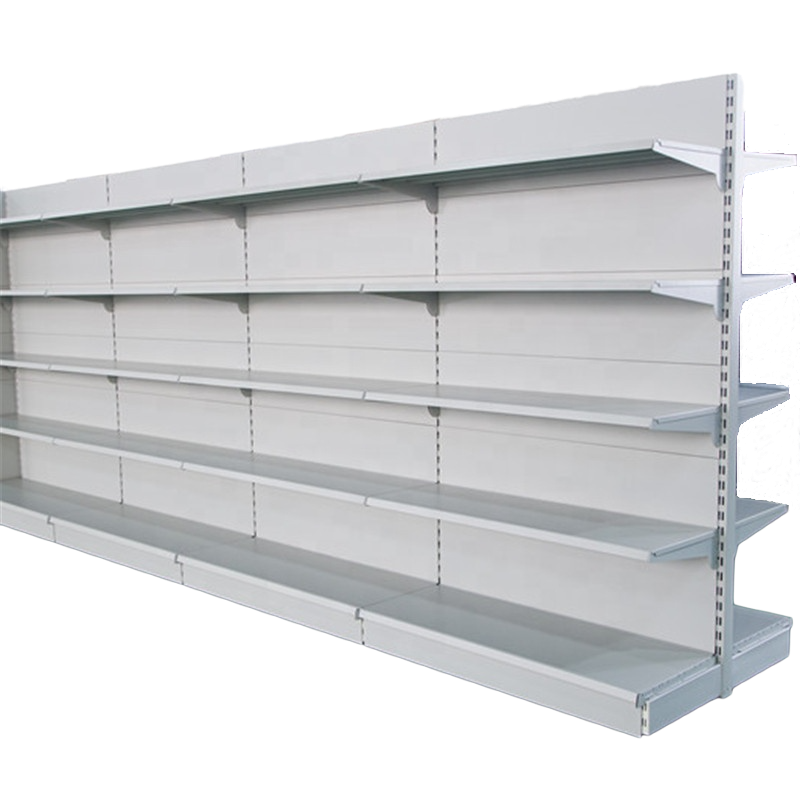
Selecting the right retail shelving is one of the most critical decisions a store owner can make. The choice directly impacts how customers navigate your space, how efficiently you use floor area, and ultimately how much revenue your store generates. Whether you operate a grocery store, convenience shop, pharmacy, or general retail environment, the shelving system you choose must balance aesthetics, functionality, durability, and cost-effectiveness. Poor shelving choices lead to wasted space, customer frustration, inventory management problems, and lost sales opportunities.
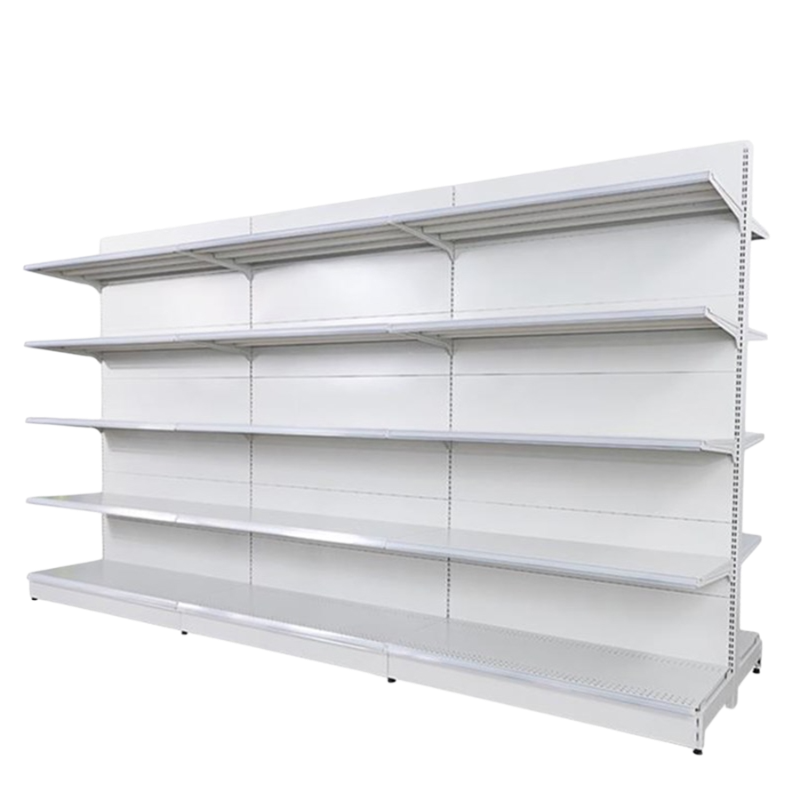
This guide walks you through the essential factors to evaluate when choosing store shelving systems and commercial display shelves for your retail operation. By understanding your space constraints, product categories, traffic patterns, and budget, you can make an informed decision that serves your business for years to come. The right shelving investment enhances customer experience, improves product visibility, and streamlines daily operations.
Understanding Your Space and Product Requirements
Assessing Store Layout and Available Space
Before selecting any store shelving systems, measure your retail space precisely. Know your ceiling height, floor dimensions, and any structural limitations like support columns or electrical outlets. Different warehouse racking solutions and commercial display shelves require varying floor footprints and vertical clearance. A cramped space may require tall, narrow shelving units, while an open floor allows for broader configurations that encourage customer browsing and product discovery.
Consider traffic flow patterns within your store. High-traffic areas benefit from retail shelving that doesn't obstruct sightlines and allows customers to move comfortably. End-cap displays and strategic shelf placement guide customers through departments and highlight featured products. Your store layout should encourage natural movement while maximizing retail shelving coverage and product exposure.
Evaluating Product Categories and Weight Distribution
Different products place different demands on store shelving systems. Heavy items like beverages, canned goods, or tools require robust commercial display shelves with strong weight capacity and sturdy support frames. Lighter merchandise like packaged snacks or cosmetics can use standard retail shelving with lighter gauge materials. Calculate the total weight load per shelf and ensure your chosen warehouse racking solutions exceed those requirements by a safety margin of at least twenty to thirty percent.
Mixing product types on a single retail shelving unit requires adjustable shelf heights and flexible configurations. Modern store shelving systems accommodate varied merchandise sizes without excessive wasted vertical space. This flexibility directly improves your ability to maximize inventory capacity and respond quickly to seasonal product changes or promotional needs.
Evaluating Material, Durability, and Maintenance
Material Options for Retail Shelving
Retail shelving comes in three primary material categories: metal, wood, and hybrid combinations. Metal warehouse racking solutions, typically steel, offer superior strength, longevity, and load capacity. Steel commercial display shelves resist damage from moisture and heavy traffic, making them ideal for grocery stores and high-volume retail environments. Metal shelving is also recyclable and maintains its integrity over decades with minimal maintenance.
Wooden store shelving systems provide aesthetic warmth and visual appeal, particularly in boutique retail or specialty shops. However, wood requires protective finishes, resists moisture less effectively, and may not support the heavy loads that metal warehouse racking solutions handle. Hybrid systems combining metal frames with wooden shelves offer a compromise, delivering both durability and visual softness when appropriate for your brand.
Long-Term Durability and Cost of Ownership
While premium retail shelving carries a higher upfront cost, durability directly affects total cost of ownership. Commercial display shelves that withstand years of daily use, weight fluctuations, and environmental stress cost less per year than cheaper units requiring frequent replacement. Quality store shelving systems resist rust, warping, and structural degradation. Invest in finishes and protective coatings that extend shelf life in humid or temperature-variable environments.
Maintenance requirements vary significantly. Metal warehouse racking solutions need occasional cleaning and touch-up paint if scratched, while wooden retail shelving may require refinishing every few years. Consider your staffing capacity and maintenance budget when evaluating this factor. Some commercial display shelves feature powder-coated finishes that reduce upkeep and preserve appearance over extended periods.
Balancing Aesthetics, Functionality, and Cost
Visual Impact and Brand Alignment
Your retail shelving choice contributes significantly to store ambiance and brand perception. Sleek metal store shelving systems project efficiency and modernity, while rustic wood commercial display shelves create warmth and tradition. The visual presentation of your retail shelving influences how customers perceive product quality and store professionalism. Colors, finishes, and overall design language should complement your brand identity and target customer expectations.
Consider how your chosen warehouse racking solutions interact with lighting, signage, and promotional materials. Well-designed retail shelving creates clear product sightlines and allows effective signage placement. The right store shelving systems draw customer attention to high-margin items, seasonal products, and featured selections without feeling cluttered or chaotic.
Balancing Features with Budget Constraints
Premium commercial display shelves with advanced features like electronic pricing labels, integrated lighting, or specialized product holders cost significantly more than basic units. Identify which features directly impact your business goals. Digital pricing justifies investment if you frequently adjust prices or run promotions. Integrated lighting enhances product appeal for beauty or food retail, making it worth the expense. Basic features on warehouse racking solutions may suffice for storage-focused inventory areas.
Calculate your budget per square foot of retail shelving and compare options within that range. Modular store shelving systems offer value because you can expand or reconfigure them as your business evolves without complete replacement. This flexibility amortizes initial investment over longer periods and accommodates growth or format changes. Sometimes paying moderately more for adaptability delivers superior long-term value than choosing the absolute cheapest commercial display shelves.
FAQ
What weight capacity should I look for in retail shelving?
Weight capacity depends on your specific merchandise. Heavy grocery items require commercial display shelves rated for 1000+ pounds per shelf, while lighter apparel might use 300–500 pound capacity units. Calculate your heaviest product load and multiply by anticipated shelf density, then add a 25–30 percent safety margin. Consult with your supplier about specific warehouse racking solutions matching your product mix, and always verify load ratings match your inventory needs.
How often should retail shelving be replaced?
Quality metal store shelving systems last 15–20 years with proper maintenance. Commercial display shelves show earlier wear in high-moisture environments or with extreme temperature fluctuations. Inspect your retail shelving annually for rust, bent frames, or weakened welds. Replace units showing structural damage immediately to prevent inventory loss or safety hazards. Well-maintained warehouse racking solutions often outlast original business expectations, providing decades of service.
Can existing retail shelving be modified or upgraded?
Many store shelving systems support modifications like adding dividers, specialized holders, or additional shelf levels. Metal commercial display shelves often accommodate retrofit accessories without replacement. However, extensive modifications may exceed the cost of new units offering better-integrated solutions. Assess whether warehouse racking solutions can meet changing needs through adaptation or if replacement delivers superior long-term value and functionality for your evolving retail strategy.