 EN

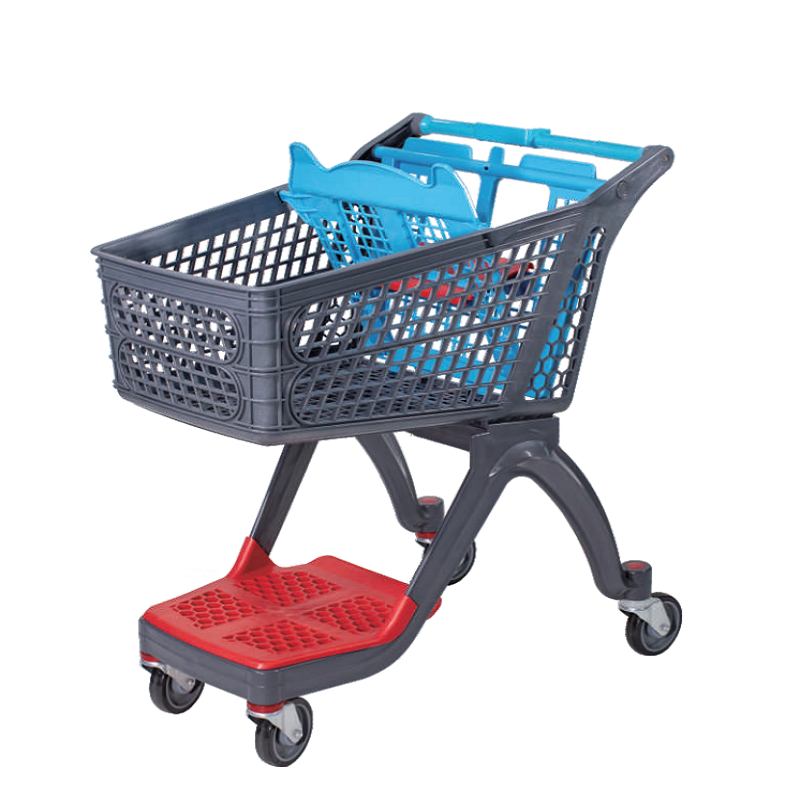
Selecting the right size shopping trolleys carts is one of the most critical decisions for retail operations, yet it is often overlooked. The size you choose directly impacts customer satisfaction, operational efficiency, and your bottom line. Whether you operate a supermarket, grocery store, or specialty retail environment, understanding how to evaluate shopping trolleys carts dimensions and capacity is essential for meeting your specific business needs.
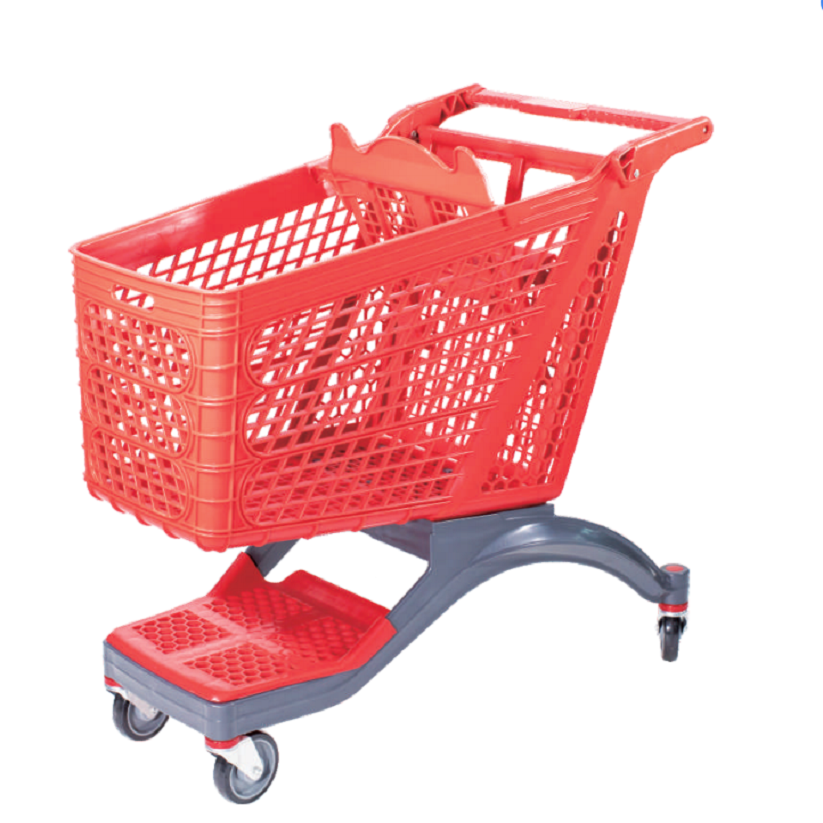
The typical retail environment requires careful consideration of cart specifications. A well-chosen shopping cart enhances the shopping experience, encourages larger purchases, and improves store traffic flow. Additionally, the investment in appropriate retail trolley capacity reflects your understanding of customer behavior and store layout constraints. This guide walks you through the essential factors involved in selecting shopping trolleys carts that align with your operational requirements.
Understanding Retail Trolley Capacity and Your Store Requirements
Analyzing Your Customer Base and Purchase Patterns
Different retail environments attract different shopping behaviors. High-volume supermarkets typically benefit from larger retail trolley capacity that accommodates bulk purchases and family-sized shopping trips. Conversely, convenience stores or specialty retailers may require compact options that support quick shopping experiences without overwhelming limited floor space. Understanding your customer demographics, average transaction value, and typical shopping frequency helps determine whether you need standard-sized shopping trolleys carts or specialized alternatives.
The relationship between store size and cart capacity directly influences customer satisfaction. When shopping trolleys carts are too small, customers feel restricted and may abandon purchases. When they are oversized for the typical shopping trip, they create navigation problems in tight aisles and checkout areas. A balanced assessment of your specific customer behavior ensures that your retail trolley capacity matches realistic shopping patterns rather than theoretical maximums.
Space Constraints and Storage Considerations
Physical store layout significantly impacts your shopping trolleys carts selection strategy. Stores with narrow aisles, tight corners, or limited customer circulation areas benefit from more maneuverable, compact options. A collapsible shopping basket provides flexibility for stores that need to adapt their cart inventory based on peak and off-peak hours. Meanwhile, larger retail trolley capacity works best in spacious supermarkets with wide aisles and open checkout areas.
Storage and parking areas also determine practical cart quantity and size mix. Limited parking space for shopping trolleys carts forces retailers to choose between fewer large carts or more numerous smaller ones. Many successful retail operations implement a tiered approach, maintaining a mix of standard, compact, and collapsible shopping basket options to serve diverse customer needs while respecting physical space limitations.
Key Features That Define Effective Shopping Cart Selection
Supermarket Cart Wheels and Maneuverability
The quality of supermarket cart wheels fundamentally affects both customer experience and long-term operational costs. Premium wheels reduce rolling resistance, decrease noise, and extend cart lifespan significantly. When evaluating shopping trolleys carts, prioritize models featuring durable supermarket cart wheels that handle various floor surfaces smoothly, from polished tile to uneven concrete in receiving areas. Poor wheel quality frustrates customers and increases maintenance expenses dramatically.
Wheel design also impacts safety and product protection. Shopping trolleys carts with superior wheel engineering maintain stability when loaded, prevent tipping on ramps, and reduce noise pollution in quiet retail environments. The relationship between supermarket cart wheels quality and retail trolley capacity is direct—larger carts demand more robust wheel systems to support increased weight without compromising maneuverability or customer experience.
Materials and Durability Factors
Modern shopping trolleys carts come in plastic, metal, or hybrid construction. Plastic models offer lightweight benefits and corrosion resistance, making them ideal for wet environments and outdoor parking areas. Metal frames provide superior strength for high-capacity applications but require rust prevention treatments. The collapsible shopping basket design in durable plastic reduces storage footprint while maintaining strength, particularly valuable for retailers seeking operational flexibility.
Material selection directly correlates with maintenance requirements and total cost of ownership. Investment-grade shopping trolleys carts with quality materials and reinforced joints maintain appearance and functionality through years of intensive use. Selecting appropriate materials for your retail trolley capacity needs prevents unexpected downtime and ensures consistent brand presentation throughout your facility.
Matching Cart Size to Different Retail Scenarios
Standard and Expanded Capacity Options
Standard shopping trolleys carts typically range from 60 to 100 liters in capacity, serving general grocery shopping and everyday retail applications. These mid-range options balance customer convenience with store navigation efficiency. Larger capacity units, exceeding 120 liters, target bulk-buying environments and wholesale clubs where retail trolley capacity directly correlates with customer spending power. A shopping trolleys carts selection process should include this spectrum of sizes to serve varied purchasing occasions.
Many retailers overlook the value of offering multiple sizes strategically. Compact shopping trolleys carts accommodate quick-trip customers, while full-size options encourage basket filling behavior. This multi-option approach maximizes revenue per transaction, improves customer satisfaction across different shopping occasions, and optimizes your retail trolley capacity investment across diverse customer segments.
Specialized Solutions for Unique Environments
Specialty retailers benefit from purpose-designed shopping trolleys carts configurations. A collapsible shopping basket excels in seasonal retail environments, pharmacies, and boutiques where space constraints are paramount. Lightweight designs with reduced supermarket cart wheels friction improve usability for elderly shoppers or those with mobility concerns. Understanding these specialized needs ensures that your retail trolley capacity investment serves all customer segments effectively.
Contemporary retail environments increasingly demand flexibility. The collapsible shopping basket design represents innovation in address space efficiency while maintaining functional capacity. These adaptable solutions ensure retailers can scale inventory based on demand fluctuations, reduce clutter during slow periods, and respond rapidly to seasonal changes without major capital expenditure.
FAQ
What is the ideal shopping cart size for a typical supermarket?
Most supermarkets benefit from a mixed inventory featuring standard shopping trolleys carts in the 80 to 120-liter range as their primary offering, supplemented with compact and collapsible shopping basket options. This approach accommodates diverse customer shopping patterns, from quick trips to full weekly shopping. The optimal retail trolley capacity depends on your store size, aisle width, and average transaction value. Surveying customer feedback and monitoring cart utilization rates helps validate your specific capacity choices.
How do supermarket cart wheels impact customer experience?
Supermarket cart wheels directly influence how customers perceive your store environment. Smooth, quiet wheels reduce frustration and noise pollution, while sticky or squeaky wheels create negative associations. Shopping trolleys carts with premium supermarket cart wheels respond predictably to directional changes, reduce customer effort, and prevent product damage from rough handling. Investing in quality wheels enhances customer satisfaction, encourages longer store visits, and supports larger purchase volumes.
When should retailers choose collapsible shopping baskets over standard carts?
A collapsible shopping basket becomes the optimal choice when floor space is limited, seasonal inventory fluctuates significantly, or you serve primarily quick-trip customers. These flexible shopping trolleys carts reduce storage requirements between busy periods and adapt your retail trolley capacity to actual demand. Additionally, collapsible options work excellently for specialty retailers, express checkout areas, and stores implementing omnichannel fulfillment strategies where compact storage directly impacts operational efficiency.