 EN

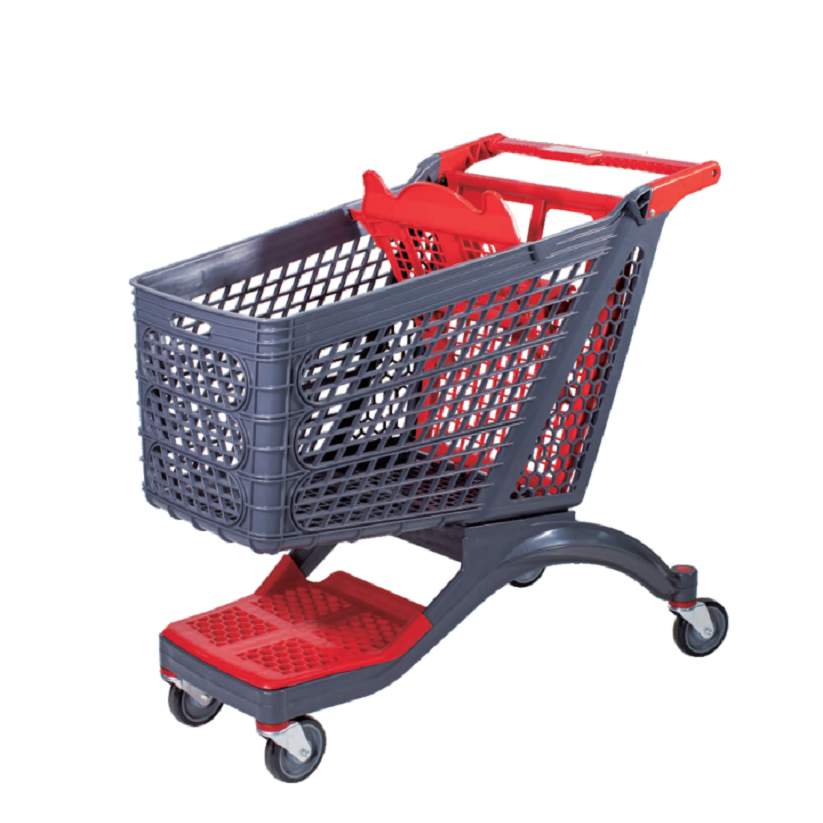
Selecting the right shopping trolleys carts is one of the most important decisions retail managers and store owners make to enhance customer experience and operational efficiency. The choice extends far beyond aesthetic appeal; it directly impacts customer satisfaction, store layout optimization, and overall profitability. When you invest in quality shopping trolleys carts, you're investing in your customers' convenience and your store's reputation. The process of choosing the ideal cart requires understanding your specific retail environment, customer demographics, and operational constraints.
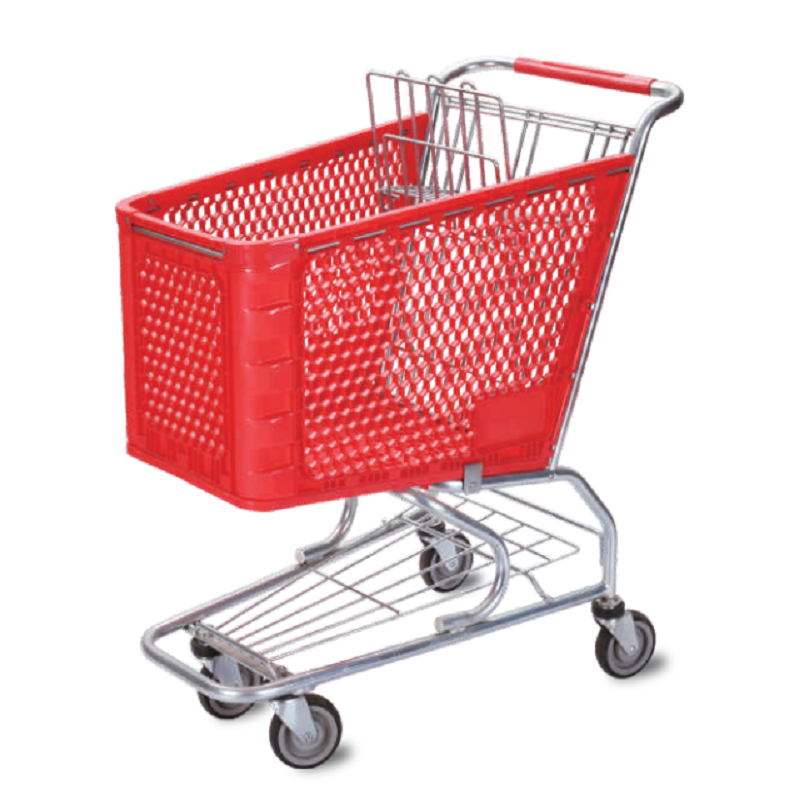
Different retail environments demand different cart solutions. Supermarkets require high-capacity trolleys, while boutiques may benefit from compact, collapsible shopping baskets. The wheels on your shopping trolleys carts play a crucial role in maneuverability and durability. Understanding these distinctions helps you make an informed decision that aligns with your store's unique needs and customer expectations.
Understanding Your Store's Cart Requirements
Assessing Your Retail Environment
Your retail space directly influences which shopping trolleys carts will work best for your store. Larger supermarkets typically require high-capacity trolleys that can accommodate substantial purchases, while smaller specialty retailers may need compact options. Consider your store's layout, aisle widths, and checkout areas when evaluating retail trolley capacity. A cart that's too large for narrow aisles creates congestion; one that's too small frustrates customers during peak shopping periods. The physical dimensions of your retail trolley capacity must match your facility's infrastructure to ensure smooth traffic flow and positive customer experience.
Defining Your Customer Base
Your target customers significantly influence cart selection. Families with children need sturdy, reliable shopping trolleys carts with safety features and ample space. Elderly shoppers benefit from ergonomic designs and easy-to-maneuver options. Working professionals often prefer lightweight, collapsible shopping baskets for quick trips. Understanding your customer demographics helps you choose trolley capacity and wheel specifications that match their preferences. This alignment between cart design and customer needs directly improves satisfaction metrics and encourages repeat shopping visits.
Key Features to Evaluate in Shopping Trolleys Carts
Examining Supermarket Cart Wheels and Mobility
The quality of supermarket cart wheels determines overall durability and customer experience. High-quality wheels reduce friction, require less effort to push, and maintain smooth operation even with heavy loads. Premium wheels resist wear and corrosion, extending the lifespan of your shopping trolleys carts significantly. Consider wheels designed with anti-lock mechanisms and swivel capabilities for enhanced maneuverability. The material composition of supermarket cart wheels affects performance in different store conditions, from smooth concrete to tiled floors. Investing in durable wheel technology reduces maintenance costs and ensures consistent cart availability throughout your store's operating hours.
Analyzing Retail Trolley Capacity and Storage Space
Retail trolley capacity ranges from compact 80-liter designs to expansive 200-liter configurations. Your store's average transaction size should guide this decision. High-volume supermarkets typically require shopping trolleys carts in the 150–200 liter range to minimize repeat trips to shelves. Convenience stores and specialty retailers often benefit from 80–120 liter capacities that encourage customer movement throughout the store. Oversized shopping trolleys carts can actually reduce sales by overwhelming customers with empty space, while undersized options frustrate bulk purchasers. The optimal retail trolley capacity creates psychological comfort while encouraging full basket sales without creating logistical challenges.
Flexibility and Sustainability in Cart Solutions
Benefits of Collapsible Shopping Baskets
Collapsible shopping baskets represent an increasingly popular alternative to traditional shopping trolleys carts. These compact solutions save storage space when not in use, making them ideal for stores with limited room for cart parking. Collapsible shopping baskets appeal to environmentally conscious customers who appreciate space-efficient design. Many retailers use both traditional shopping trolleys carts and collapsible shopping baskets to serve different customer segments and shopping occasions. A flexible cart strategy that includes lightweight, collapsible shopping baskets alongside standard trolleys provides maximum customer choice and operational adaptability.
Durability and Maintenance Considerations
Long-term value depends on the durability of your shopping trolleys carts investment. Quality materials resist rust, corrosion, and mechanical wear over years of daily use. Regular maintenance programs for supermarket cart wheels, handles, and baskets extend equipment life and reduce replacement costs. Assess whether shopping trolleys carts have user-friendly maintenance design, easily replaceable components, and warranty support. Retailers should budget for periodic refurbishment of collapsible shopping baskets and wheel replacements as part of standard operational expense. Choosing durable shopping trolleys carts with strong warranties provides predictable replacement timelines and better financial planning.
Decision-Making Framework for Cart Selection
Budget Allocation and ROI Analysis
Effective cart selection requires balancing upfront costs with long-term value. Premium shopping trolleys carts with superior supermarket cart wheels and robust construction cost more initially but last longer and require fewer repairs. Budget-conscious retailers must weigh lower purchase prices against higher maintenance costs of economy options. Calculate your return on investment by considering cart lifespan, maintenance expenses, and customer satisfaction improvements. A comprehensive cost analysis reveals that investing in quality shopping trolleys carts often reduces total cost of ownership over five to seven years compared to frequent replacement of cheaper alternatives.
Pilot Testing and Staff Input
Before committing to large-scale purchases, test different shopping trolleys carts models in your store environment. Your staff operates these carts daily and can provide valuable feedback about ergonomics, maneuverability, and durability. Observe customer interactions with collapsible shopping baskets and different retail trolley capacity options to understand real-world preferences. Involve employees in decision-making processes, as their insights about supermarket cart wheels performance and overall functionality are invaluable. A pilot program minimizes purchasing mistakes and ensures your final cart selection genuinely meets both operational and customer satisfaction requirements.
FAQ
What size shopping trolleys carts work best for small specialty retail stores?
Small specialty retailers typically benefit from shopping trolleys carts with 80–100 liter capacity and lightweight designs that maximize customer movement and encourage browsing. Collapsible shopping baskets provide excellent supplementary options that save storage space and appeal to quick-trip customers. Consider the average transaction size and store layout when determining the optimal retail trolley capacity for your specific environment.
How often should supermarket cart wheels be maintained or replaced?
Supermarket cart wheels require regular inspection every 3–6 months, depending on usage intensity and environmental conditions. High-traffic stores should implement monthly maintenance checks to identify wear patterns early. Wheel replacement typically occurs annually in high-volume retail environments, while lower-traffic stores may need replacements every 2–3 years. Quality wheels designed with durable bearings and corrosion-resistant materials extend maintenance intervals and reduce operational disruptions significantly.
Are collapsible shopping baskets suitable for all retail formats?
Collapsible shopping baskets work exceptionally well for convenience stores, specialty retailers, and pharmacies but may not fully replace traditional shopping trolleys carts in supermarkets. A hybrid approach combining both options serves diverse customer needs and shopping occasions effectively. Consider your customer demographics, average basket size, and storage constraints when determining the appropriate mix of collapsible shopping baskets and full-size shopping trolleys carts for your store.