 EN

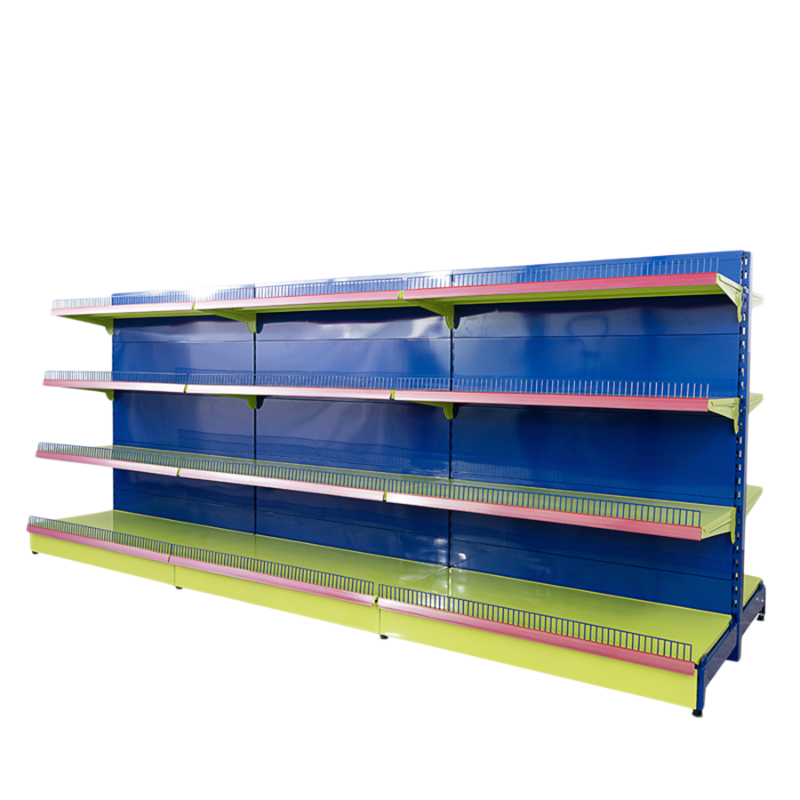
Selecting the right supermarket rack is one of the most critical decisions a retail manager can make. Your choice directly impacts store layout efficiency, product visibility, customer navigation, and ultimately sales performance. Whether you're opening a new supermarket, renovating an existing location, or expanding your retail space, understanding the key factors that influence supermarket rack selection will help you make an informed investment that aligns with your business goals and operational needs.
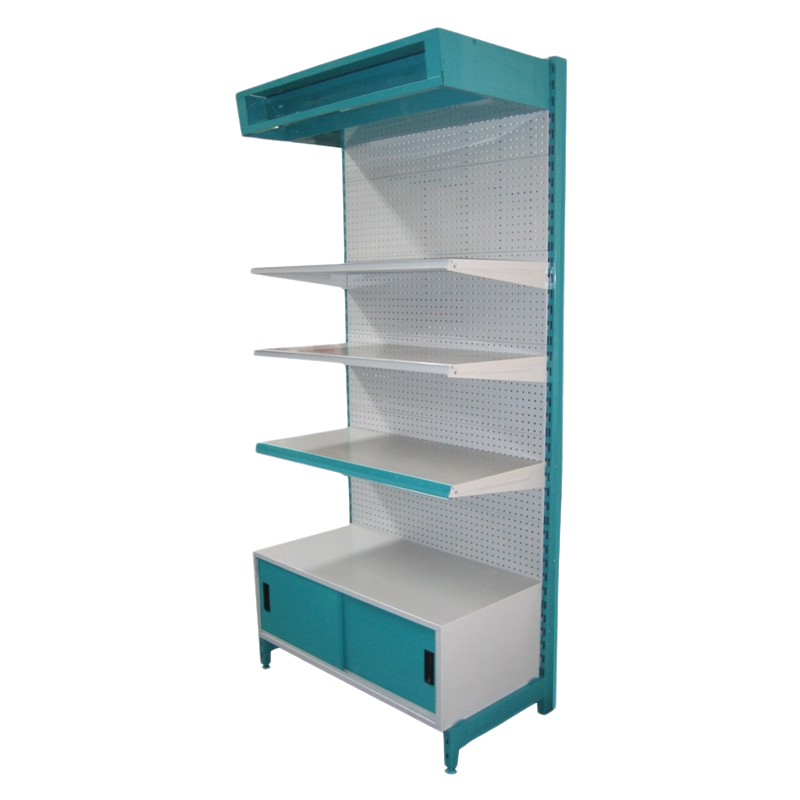
The market for retail shelving systems and commercial display stands has evolved significantly, offering retailers countless options in materials, configurations, and price points. Understanding these variables allows you to balance durability, functionality, aesthetics, and budget constraints. This guide walks through the essential considerations that separate a well-chosen inventory storage solutions setup from a poor one, ensuring your supermarket racks deliver long-term value and support your store's growth.
Design and Space Utilization Factors
Store Layout and Customer Flow
The physical dimensions and design of your commercial display stands must align with your store's layout and customer movement patterns. Before selecting any supermarket rack, measure your available floor space and plan aisle widths, fixture heights, and product category zones. A well-designed retail shelving systems layout guides customers naturally through the store, encourages product discovery, and reduces congestion at checkout areas. Consider whether double-sided or single-sided configurations better suit your space and traffic patterns.
Height and shelf spacing directly influence product visibility and accessibility. Retail shelving systems typically range from four to seven feet tall, with adjustable shelf depths and spacing options. Taller fixtures maximize vertical product display but may obscure sightlines across the store. Mid-height configurations often provide the best balance between storage capacity and customer sightline preservation. Test various heights in your store environment before purchasing, as perception of space and browsing comfort varies based on actual layout context.
Load Capacity and Product Weight Distribution
Every supermarket rack must support the weight of your intended product mix without sagging, warping, or failing structurally. Commercial display stands are typically rated for load capacities ranging from 150 to 800 pounds per shelf, depending on material, construction, and design. Heavy products like beverages, canned goods, and dairy items require robust frames and reinforced shelving. Lighter items such as cereals, snacks, and paper products allow for more flexible fixture options. Calculate the average weight per shelf based on your product assortment and purchase inventory storage solutions with appropriate capacity ratings to ensure safety and longevity.
Material Quality and Durability Considerations
Frame and Construction Materials
The frame material of your retail shelving systems determines durability, appearance, and maintenance requirements. Steel frames offer superior strength and longevity, supporting heavy product loads in high-traffic retail environments. Steel supermarket rack fixtures resist rust when properly finished and last 15 to 25 years with minimal maintenance. Aluminum frames provide lighter weight and corrosion resistance, making them suitable for stores with moisture concerns or frequent cleaning requirements. While aluminum inventory storage solutions are easier to move and install, they generally support lower weight capacities than steel alternatives.
Shelf material choices include chipboard, metal, or laminate surfaces. Metal shelves on commercial display stands offer maximum durability and easy cleaning but may reflect light harshly. Laminated chipboard provides a finished appearance and reduces light glare, enhancing product presentation on supermarket rack displays. However, laminate is more susceptible to moisture damage and requires replacement after 8 to 12 years. Evaluate your store environment's humidity levels, cleaning frequency, and desired aesthetic when selecting shelf materials for your retail shelving systems investment.
Finish and Aesthetic Appeal
The visual presentation of your commercial display stands influences customer perception of product quality and store cleanliness. Powder-coated finishes on supermarket rack frames resist chipping, scratching, and fading better than paint alternatives. Choose finishes that complement your store's color scheme and brand identity. Polished or brushed metal finishes convey modernity and cleanliness, while matte finishes reduce reflections and create a softer appearance. Inventory storage solutions with attractive finishes encourage customers to engage with displayed products and create a more premium shopping experience overall.
Functionality and Operational Features
Adjustability and Flexibility
The ability to modify your retail shelving systems without tools or structural changes significantly impacts long-term operational efficiency. Supermarket rack fixtures with tool-free adjustable shelving allow staff to reconfigure product zones, accommodate seasonal items, and respond to sales trends quickly. Groove-based or clip-based adjustment systems provide multiple height positions within each baysection, enabling customization for different product categories. Inventory storage solutions with high adjustability reduce setup costs and minimize downtime when product assortments change. This flexibility becomes increasingly valuable as retail categories evolve and customer preferences shift throughout the year.
Integration with Store Systems and Accessibility
Modern commercial display stands should support inventory management practices and staff accessibility for restocking and maintenance. Choose supermarket rack designs that accommodate price tags, product information displays, and promotional signage without obstructing views. Ensure shelf depths allow easy employee access for facing, rotating, and retrieving products. Retail shelving systems should align with your point-of-sale system and inventory tracking workflows. Consider how bar code scanning and stock management will function with your chosen fixtures. Adequate space at the back and sides of inventory storage solutions installations facilitates efficient warehouse-to-shelf replenishment and reduces labor time.
Cost Analysis and Return on Investment
Initial Purchase and Installation Expenses
Budget considerations extend beyond the supermarket rack purchase price to include delivery, installation labor, and any store modifications required. Standard retail shelving systems typically range from $400 to $2,000 per unit depending on height, width, load capacity, and material specifications. Commercial display stands with premium finishes or specialized features command higher prices. Bulk purchases often qualify for volume discounts. Installation costs vary based on whether fixtures are wall-mounted, free-standing, or integrated with existing infrastructure. Obtain detailed quotes from multiple suppliers, including delivery and setup services, before making final purchasing decisions for your inventory storage solutions.
Long-Term Durability and Total Cost of Ownership
Quality supermarket rack investments yield lower per-year costs despite higher upfront expenses. Premium fixtures lasting 20 years cost less annually than budget alternatives requiring replacement every 8 to 10 years. Calculate total cost of ownership by dividing the purchase price plus installation by the expected lifespan in years. Factor in maintenance, repair, and eventual replacement costs. Retail shelving systems requiring frequent repairs or shelf replacements increase operational expenses and disrupt store operations. Commercial display stands from reputable manufacturers typically include warranties covering structural defects, providing financial protection and peace of mind. Prioritize durable inventory storage solutions that minimize future replacement needs and support consistent, reliable performance.
FAQ
What is the ideal height for a supermarket rack in a typical grocery store?
Most supermarket rack fixtures range from 5 to 6.5 feet in total height, balancing product visibility with customer sightline preservation. This height allows staff to stock upper shelves safely from ground level without requiring ladders. Retail shelving systems at this height maximize storage capacity while keeping displayed products within typical customer eye level for popular shopping baskets. Specific height recommendations depend on your store layout, ceiling height, and product categories displayed on commercial display stands.
How often should inventory storage solutions require maintenance or replacement?
High-quality supermarket rack fixtures with steel frames typically require minimal maintenance beyond regular cleaning and occasional touch-up of scratches or rust spots. Well-constructed retail shelving systems last 15 to 25 years with proper care. Laminated chipboard shelves may need replacement after 8 to 12 years depending on humidity and product weight. Commercial display stands should be inspected annually for structural integrity, wobbly connections, or sagging shelves. This proactive approach prevents safety issues and extends the lifespan of your inventory storage solutions investment.
Can supermarket racks be customized to fit unique store layouts or product categories?
Most quality retail shelving systems manufacturers offer customization options including frame dimensions, shelf spacing, material selections, and finish colors. Commercial display stands can be configured as single-sided or double-sided units to match your floor plan. Many supermarket rack systems accommodate end caps, signage frames, and specialized holders for specific product types. Discussing your unique layout requirements and product assortment with experienced suppliers ensures inventory storage solutions are properly designed to meet your operational and aesthetic goals before purchase and installation begin.