 EN
EN
Sieci dużych hipermarketów stają przed unikalnymi wyzwaniami operacyjnymi, które wymagają specjalistycznych rozwiązań sprzętowych, szczególnie w zakresie wÓZEK ZAKUPOWY zaopatrzenie. Znalezienie odpowiedniego dostawcy wózków sklepowych staje się decyzją strategiczną, która bezpośrednio wpływa na doświadczenia klientów, wydajność operacyjną i długoterminowe zarządzanie kosztami. Złożoność zarządzania tysiącami wózków sklepowych w wielu lokalizacjach wymaga dostawców, którzy rozumieją specyficzne wymagania dużych sklepów detalicznych.
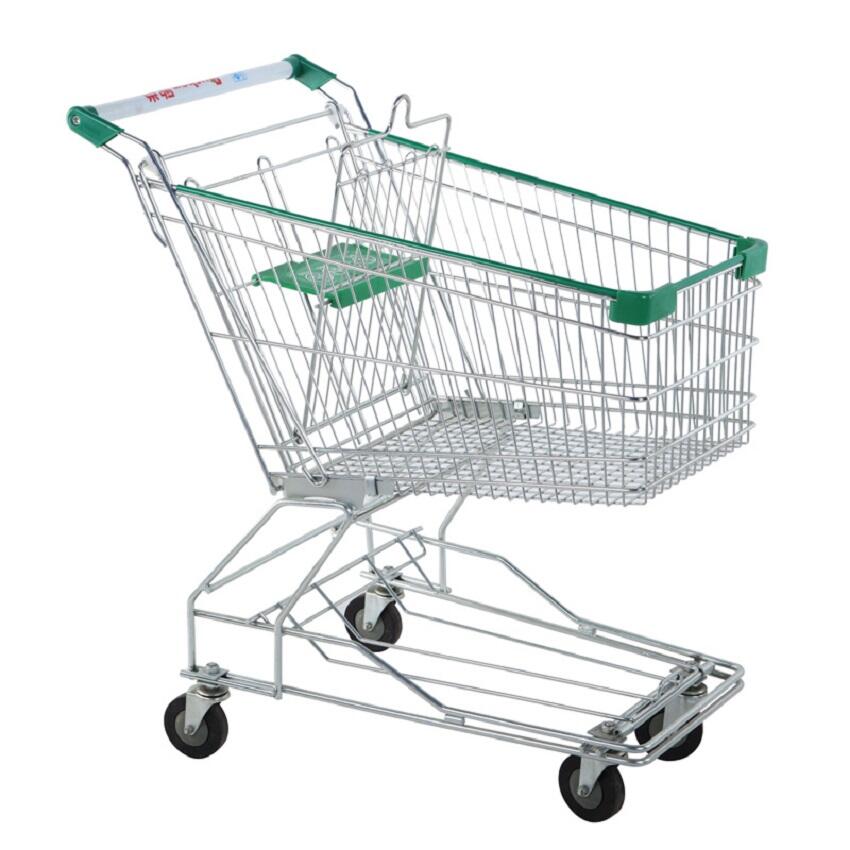
Sieci hipermarketów wymagają dostawców wózków zakupowych, którzy mogą zapewnić stałą jakość, obsłużyć ogromne wolumeny zamówień oraz świadczyć kompleksowe usługi wsparcia wykraczające poza pierwszą dostawę. Prawidłowy wybór partnera dostawcy gwarantuje bezproblemowe zarządzanie wózkami we wszystkich lokalizacjach sklepów, zachowując przy tym standardy trwałości i funkcjonalności wymagane w środowiskach detalicznych o dużym natężeniu ruchu. Takie relacje z dostawcą stają się kluczowe dla zapewnienia ciągłości operacyjnej oraz satysfakcji klientów na konkurencyjnych rynkach detalicznych.
Kluczowe wymagania wobec dostawców wózków zakupowych dla hipermarketów
Pojemność produkcyjna i skalowalność
Sieci dużych hipermarketów zwykle wymagają tysięcy wózków zakupowych w całej swojej sieci, co czyni pojemność produkcyjną kluczowym kryterium przy wyborze dostawcy wózków zakupowych. Dostawca musi udowodnić, że posiada zdolności produkcyjne umożliwiające realizację zamówień w zakresie od 500 do 5000 sztuk na jedno miejsce oraz możliwość skalowania produkcji w fazach ekspansji. Zakłady produkcyjne dostawcy powinny zapewniać stały poziom produkcji bez pogarszania standardów jakości, gwarantując terminowe otwarcie nowych sklepów oraz wymianę floty wózków.
Skalowalność produkcji staje się szczególnie ważna w okresach szybkiej ekspansji lub sezonowych fluktuacji popytu. Kwalifikowany dostawca wózków zakupowych powinien utrzymywać odpowiednie zapasy buforowe oraz elastyczne harmonogramy produkcji, aby sprostać nagłym zamówieniom lub nieoczekiwanym wymaganiom. Sposobność dostawcy do szybkiego zwiększenia mocy produkcyjnej może decydować o tym, czy sieć hipermarketów uda się dotrzymać terminu swojej ekspansji lub osiągnąć cele przygotowań sezonowych.
Standardy jakości i wymagania dotyczące trwałości
Środowiska hipermarketów poddają wózki zakupowe intensywnemu użytkowaniu codziennemu, co wymaga dostawców rozumiejących surowe warunki, którym muszą one wytrzymać. Dostawca wózków zakupowych musi dostarczać jednostki wykonane z materiałów wysokiej jakości, odpornych na zużycie, korozję oraz naprężenia mechaniczne wynikające z ciągłych cykli załadunku i rozładunku. Standardy jakości powinny obejmować wytrzymałość ramy, trwałość kół, ergonomię uchwytów oraz integralność koszyka, aby zapewnić, że wózki zachowują pełną funkcjonalność przez cały okres ich przewidywanej eksploatacji.
Protokoły testowe i procesy zapewniania jakości stają się niezbędnymi elementami relacji z dostawcą. Profesjonalni dostawcy wózków zakupowych wdrażają kompleksowe procedury testowe symulujące rzeczywiste warunki działania w hipermarketach, w tym testy obciążenia, testy wytrzymałości kół oraz oceny odporności na korozję. Te środki zapewnienia jakości gwarantują niezawodne działanie wózków w wymagających warunkach charakterystycznych dla środowisk detalicznych o wysokim natężeniu ruchu.
Wsparcie operacyjne i możliwości serwisowe
Usługi konserwacji i naprawy
Skuteczni dostawcy wózków zakupowych rozszerzają swoje usługi poza początkową dostawę, obejmując kompleksowe usługi konserwacji i naprawy. Duże sieci hipermarketów wymagają dostawców, którzy mogą zapewnić usługi konserwacji w miejscu, zapas części zamiennych oraz szybkie reagowanie w przypadku napraw wózków zakupowych. Ten składnik usługowy ogranicza czas przestoju i zapewnia stałą dostępność wózków zakupowych we wszystkich lokalizacjach sklepów.
Model usługi serwisowej powinien obejmować zaplanowaną konserwację zapobiegawczą, możliwość szybkiej naprawy w nagłych przypadkach oraz kompleksową dostępność części zamiennych. Niezawodny dostawca wózków zakupowych utrzymuje lokalne zespoły serwisowe oraz sieci dystrybucji części, które mogą szybko reagować na zgłoszenia serwisowe. Ta infrastruktura serwisowa staje się kluczowa dla utrzymania optymalnej wydajności floty wózków zakupowych oraz przedłużenia okresu użytkowania inwestycji w wózki zakupowe.
Zarządzanie logistyką i dystrybucją
Logistyka dystrybucji stanowi istotne wyzwanie dla sieci hipermarketów współpracujących z dostawcami wózków zakupowych, szczególnie w przypadku zarządzania wieloma lokalizacjami sklepów rozłożonymi na obszarze o dużym zasięgu geograficznym. Dostawcy muszą koordynować harmonogramy dostaw tak, aby były one zgodne z terminami otwarcia sklepów, projektami remontowymi oraz wymaganiami dotyczącymi wymiany floty. Możliwości logistyczne powinny obejmować specjalistyczne środki transportu zaprojektowane do efektywnego załadunku i rozładunku wózków zakupowych.
Profesjonalni dostawcy wózków zakupowych opracowują zaawansowane sieci logistyczne, które potrafią obsłużyć unikalne wymagania transportowe wózków zakupowych. Do tych systemów należą specjalizowane przyczepy, sprzęt do załadunku oraz procesy koordynacji dostaw, zapewniające dotarcie wózków w optymalnym stanie i zgodnie z harmonogramem. Możliwości logistyczne dostawcy mają bezpośredni wpływ na gotowość sklepów oraz ciągłość operacyjną podczas przejść na nowe floty wózków zakupowych.
Dostosowanie i zagadnienia projektowe
Integracja marki i dopasowanie estetyczne
Sieci hipermarketów często wymagają dostawców wózków zakupowych, którzy mogą spełnić konkretne wymagania dotyczące brandingowania i projektowania, zgodne z ich tożsamością korporacyjną. Możliwości personalizacji powinny obejmować dopasowanie kolorów, umieszczanie logo, integrację paneli reklamowych oraz modyfikacje projektowe, które poprawiają doświadczenie zakupowe i wzmocniają rozpoznawalność marki. Elastyczność projektowa dostawcy nabiera istotnego znaczenia przy utrzymywaniu spójności marki we wszystkich punktach kontaktu z klientem.
Zaawansowane usługi dostosowania mogą obejmować specjalne konfiguracje wózków zaprojektowane dla określonych kategorii produktów lub zachowań zakupowych klientów. Kompleksowy dostawca wózków zakupowych współpracuje blisko z sieciami hipermarketów, aby opracować projekty wózków optymalizujące wykorzystanie przestrzeni, poprawiające wygodę klientów oraz wspierające konkretne strategie merchandisingowe. Takie dostosowane rozwiązania mogą różnicować doświadczenie zakupowe i wspierać pozycjonowanie konkurencyjne.
Możliwości integracji technologicznej
Współczesne operacje hipermarketów coraz częściej integrują rozwiązania technologiczne w swoich flotach wózków zakupowych, co wymaga dostawców potrafiących integrować komponenty cyfrowe oraz funkcje inteligentne. Integracja technologii może obejmować systemy śledzenia RFID, wyświetlacze cyfrowe, możliwości ładowania urządzeń mobilnych lub śledzenie GPS w celu zapobiegania kradzieżom. Dostawca wózków zakupowych musi wykazać się kompetencjami w zakresie wdrażania tych elementów technologicznych bez utraty trwałości ani funkcjonalności wózków.
Funkcje inteligentnego wózka wymagają dostawców, którzy rozumieją zarówno inżynierię mechaniczną, jak i integrację systemów elektronicznych. Profesjonalni dostawcy wózków zakupowych współpracują z partnerami technologicznymi przy opracowywaniu solidnych rozwiązań, które wytrzymują trudne warunki działania w środowisku detalicznym i zapewniają niezawodną pracę. Ta zdolność techniczna nabiera coraz większego znaczenia, gdy sieci hipermarketów dążą do poprawy doświadczenia klientów dzięki rozwiązaniom zakupowym wspieranym technologią.
Uwagi finansowe i zarządzanie umowami
Struktura cenowa i optymalizacja kosztów
Zakupy w dużych ilościach wymagają dostawców wózków zakupowych, którzy mogą zaproponować konkurencyjne struktury cenowe odzwierciedlające korzyści wynikające z efektu skali przy zamówieniach o wysokim wolumenie. Modele cenowe powinny obejmować przejrzyste zestawienia kosztów, rabaty objętościowe oraz ceny ustalone na długoterminowe umowy, zapewniające przewidywalność budżetową dla sieci hipermarketów. Struktura cenowa dostawcy powinna uwzględniać początkowe koszty zakupu, bieżące wydatki na konserwację oraz harmonogramy wymiany, umożliwiając dokładne obliczenie całkowitych kosztów posiadania.
Inżynieria wartości staje się ważnym elementem relacji z dostawcą, w której dostawca wózków zakupowych współpracuje w celu zoptymalizowania projektu i specyfikacji materiałów pod kątem efektywności kosztowej bez utraty wydajności. Proces optymalizacji może obejmować zastępcze materiały, uproszczenia konstrukcyjne lub ulepszenia procesów produkcyjnych pozwalające obniżyć koszty przy jednoczesnym zachowaniu standardów jakości. Skuteczni dostawcy przedstawiają szczegółową analizę kosztów oraz rekomendacje dotyczące osiągnięcia optymalnej wartości.
Warunki umowne i gwarancje wydajności
Profesjonalni dostawcy wózków zakupowych oferują kompleksowe warunki umowne obejmujące gwarancje wydajności, zobowiązania dotyczące poziomu świadczonych usług oraz postanowienia zapewniające jakość. Struktura umowy powinna zawierać jasne specyfikacje dotyczące terminów dostawy, standardów jakości, czasów reakcji na potrzeby konserwacji oraz zakresu gwarancji. Takie zabezpieczenia umowne zapewniają sieciom hipermarketów stałą jakość usług oraz możliwość dochodzenia roszczeń w przypadku problemów z wykonywaniem zobowiązań.
Wskaźniki wydajności i systemy monitoringu umożliwiają obu stronom śledzenie wydajności dostawcy w odniesieniu do zobowiązań umownych. Skuteczne dostawca wózków zakupowych relacje obejmują regularne przeglądy wydajności, inicjatywy ciągłego doskonalenia oraz współpracujące podejścia do rozwiązywania problemów, które z czasem poprawiają jakość świadczonych usług. Te procesy zarządzania zapewniają, że relacja z dostawcą nadal spełnia zmieniające się wymagania biznesowe.
Często zadawane pytania
Jaka pojemność objętościowa powinien mieć dostawca wózków zakupowych dla sieci hipermarketów?
Kwalifikowany dostawca wózków zakupowych dla sieci hipermarketów powinien wykazać zdolność realizacji zamówień w zakresie od 500 do 5 000 sztuk na jedno miejsce sprzedaży, z możliwością skalowania produkcji w celu obsługi wielu lokalizacji sklepów oraz szybkich etapów ekspansji. Dostawca powinien utrzymywać odpowiednią moc produkcyjną oraz zapasy buforowe, aby móc realizować nagłe zamówienia oraz radzić sobie z wahaniem popytu sezonowego bez naruszania terminów dostawy ani standardów jakości.
Jak ważne są usługi serwisowe od dostawcy wózków zakupowych?
Usługi serwisowe są kluczowe dla sieci hipermarketów ze względu na intensywne codzienne użytkowanie wózków zakupowych w środowiskach o dużym ruchu. Kompleksowy dostawca wózków zakupowych powinien oferować usługi serwisowe na miejscu, zapas części zamiennych oraz szybkie reagowanie w przypadku napraw. Taka infrastruktura usługowa zmniejsza czas przestoju, wydłuża żywotność wózków i zapewnia stałą dostępność we wszystkich lokalizacjach sklepów.
Czy dostawcy wózków zakupowych mogą spełniać wymagania dotyczące niestandardowego brandingу?
Profesjonalni dostawcy wózków zakupowych zazwyczaj oferują szerokie możliwości personalizacji, w tym dopasowanie kolorów, umieszczanie logo, integrację paneli reklamowych oraz modyfikacje projektu zgodne z wymaganiami dotyczącymi marki korporacyjnej. Zaawansowani dostawcy mogą również zapewnić specjalne konfiguracje wózków dostosowane do określonych kategorii produktów lub zachowań zakupowych klientów, co pomaga sieciom hipermarketów utrzymać spójność marki oraz poprawić doświadczenie zakupowe klientów.
Jakie warunki umowne powinny oczekiwać sieci hipermarketów od dostawców wózków zakupowych?
Kompleksowe umowy z dostawców wózków zakupowych powinny obejmować gwarancje wydajności, zobowiązania dotyczące poziomu usług, postanowienia zapewniające jakość oraz jasne specyfikacje dotyczące terminów dostawy, czasów reakcji na konieczność konserwacji oraz zakresu gwarancji. Profesjonalni dostawcy oferują przejrzyste struktury cenowe z rabatami ilościowymi, opcjami cenowymi dla umów długoterminowych oraz szczegółowymi obliczeniami całkowitych kosztów posiadania, wspierając planowanie budżetowe i inicjatywy optymalizacji kosztów.
Spis treści
- Kluczowe wymagania wobec dostawców wózków zakupowych dla hipermarketów
- Wsparcie operacyjne i możliwości serwisowe
- Dostosowanie i zagadnienia projektowe
- Uwagi finansowe i zarządzanie umowami
-
Często zadawane pytania
- Jaka pojemność objętościowa powinien mieć dostawca wózków zakupowych dla sieci hipermarketów?
- Jak ważne są usługi serwisowe od dostawcy wózków zakupowych?
- Czy dostawcy wózków zakupowych mogą spełniać wymagania dotyczące niestandardowego brandingу?
- Jakie warunki umowne powinny oczekiwać sieci hipermarketów od dostawców wózków zakupowych?