 EN

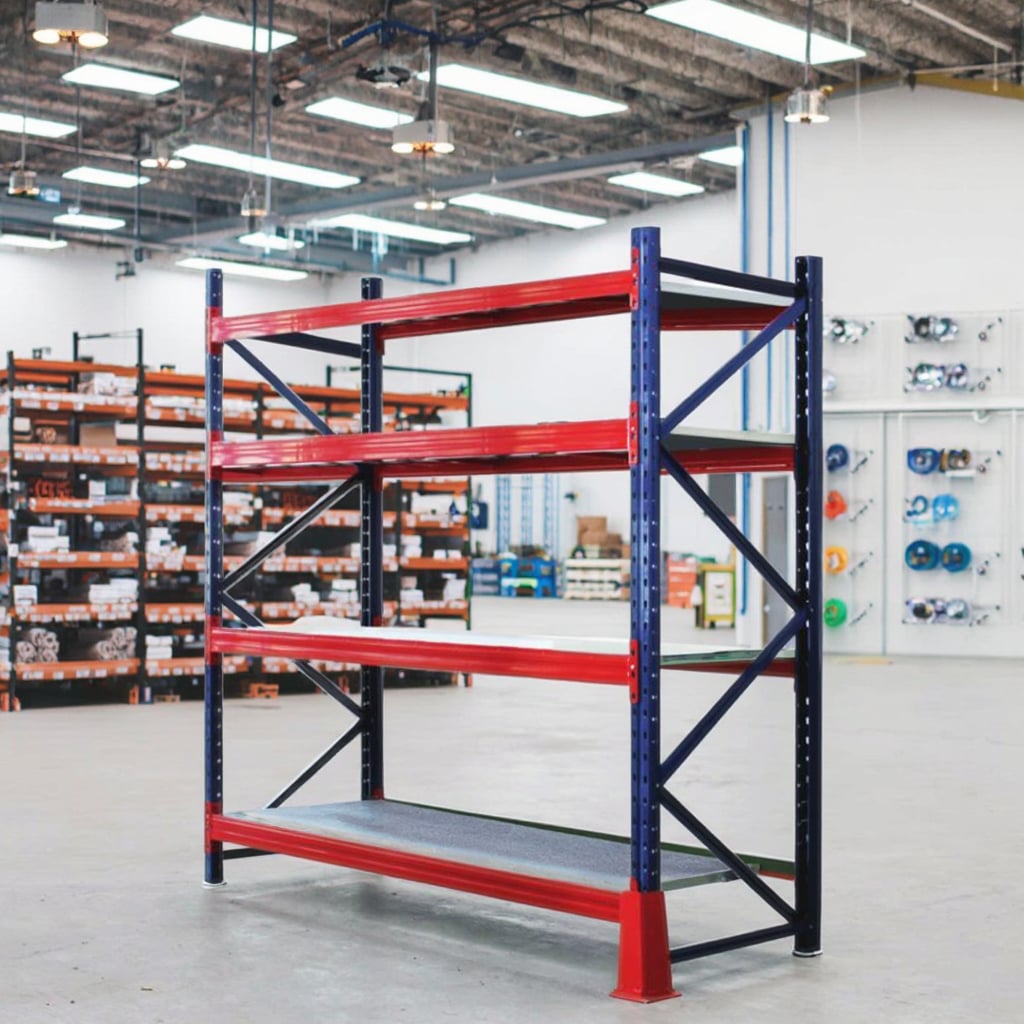
Understanding the weight capacity of a storage shelf is critical for both safety and operational efficiency in warehouses, garages, and industrial facilities. Every storage shelf has a maximum weight limit determined by its design, materials, and installation method. Exceeding this limit can lead to shelf failure, product damage, costly downtime, and serious safety hazards for personnel working nearby.
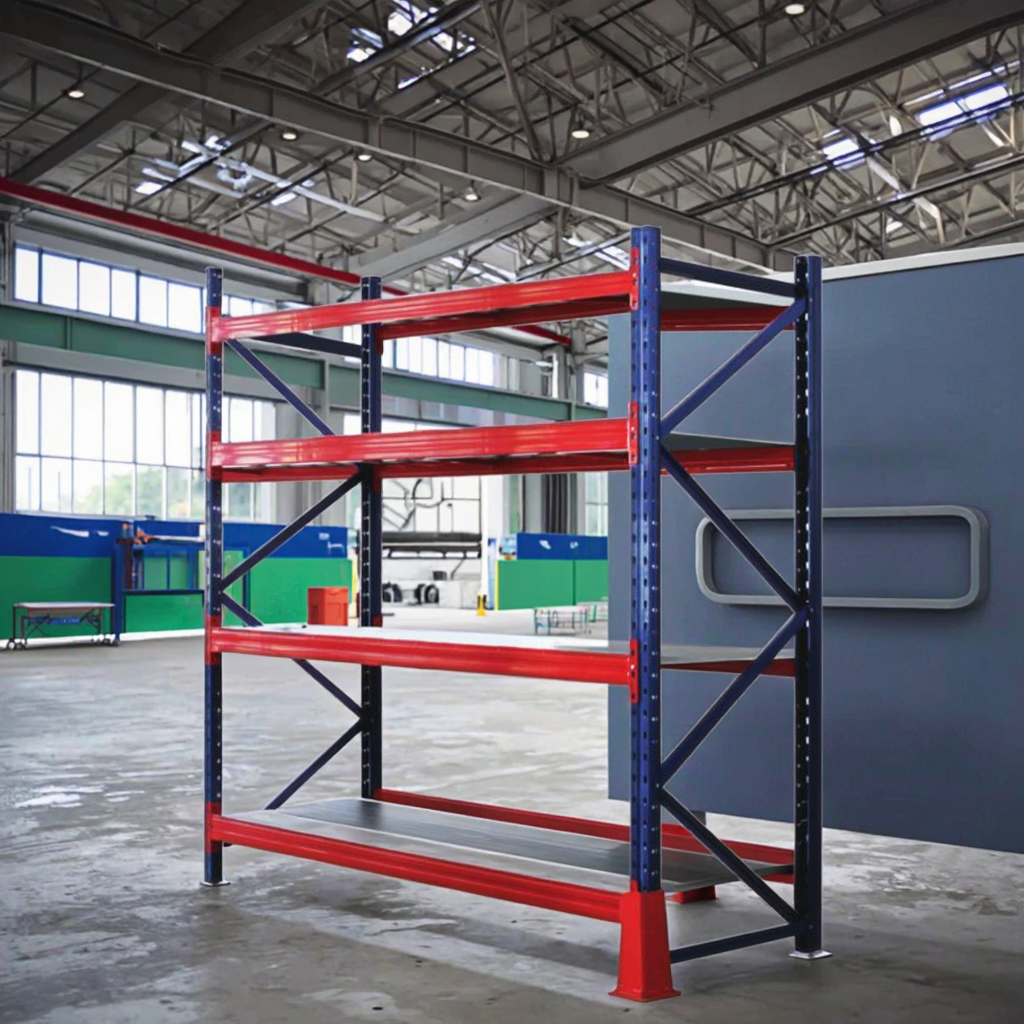
Determining safe weight capacity involves evaluating multiple factors including material composition, shelf span, support structure, and how load is distributed across the surface. Different types of garage shelving units and industrial racking systems are engineered for different maximum loads, and proper understanding ensures your investment delivers reliable performance while protecting your inventory and team.
Material and Design Factors Affecting Capacity
Steel Construction and Load Distribution
Steel remains the dominant material for heavy-duty storage because of its superior strength-to-weight ratio and predictable performance characteristics. Wall mounted storage and industrial racking systems typically use different steel grades, thicknesses, and beam configurations to achieve their rated capacities. The thickness of the steel decking on a storage shelf directly influences how much weight it can support without bending or permanent deformation.
Load distribution patterns significantly impact shelf integrity. A concentrated load placed at the edge of a shelf creates different stress than the same weight spread evenly across the entire surface. Garage shelving units are engineered with specific load distribution requirements, and manufacturers provide documentation indicating whether capacity ratings assume uniform loads or allow concentrated loads at specified points.
Span Length and Support Points
The distance between support columns, known as span length, is one of the most critical factors determining storage shelf capacity. Longer spans reduce maximum safe load capacity because the shelf must bridge a greater distance without sagging. Industrial racking systems optimize span length through strategic placement of upright frames and cross-bracing to balance capacity with usable storage area.
Wall mounted storage systems face unique constraints because they rely entirely on wall anchoring rather than ground-based vertical supports. The wall construction material, fastener type, and fastener spacing directly affect how much weight a wall mounted configuration can support safely. Concrete and steel-frame walls support heavier loads than drywall, and proper installation following manufacturer specifications is essential.
Understanding Manufacturer Capacity Ratings
Rated Capacity Versus Real-World Performance
Manufacturers assign weight ratings to storage shelf designs through engineering calculations and physical testing. These ratings represent the maximum safe load under ideal conditions with proper installation. However, capacity ratings typically include safety factors that account for variations in material properties, installation accuracy, and environmental conditions that might slightly reduce actual strength.
When evaluating garage shelving units, always locate the manufacturer's label or documentation specifying capacity per shelf. This rating usually appears on the shelf itself or in product literature. The capacity rating for one tier of an industrial racking system applies specifically to that tier when properly installed; stacking additional tiers does not simply multiply the capacity. Each tier maintains its individual rated capacity regardless of position in the assembly.
Dynamic and Static Load Considerations
Storage shelf capacity ratings typically describe static loads—weight placed on the shelf and left undisturbed. Dynamic loads, including items moved across the shelf, dropped onto the shelf, or vibrations from nearby equipment, may require reduced load limits. Industrial racking systems in warehouse environments with frequent pallet movement should operate below maximum static capacity to account for dynamic stresses.
Environmental factors also matter. Temperature fluctuations can affect material properties, moisture exposure can weaken certain materials, and corrosive environments may degrade fasteners and support structures. Wall mounted storage in humid garages may experience fastener corrosion that reduces holding capacity over time if not properly maintained with corrosion-resistant hardware.
Installation and Safety Practices
Proper Installation Methods
Correct installation is mandatory for achieving rated capacity on any storage shelf system. For wall mounted storage, fasteners must anchor into solid structural support such as wall studs or structural framing, not just drywall. Standard fastener spacing and type directly impact load capacity; using fewer fasteners or undersized fasteners than specified reduces safe capacity significantly.
Industrial racking systems and garage shelving units require level positioning and secure connection between all components. Shelves must rest fully on support beams across their entire width rather than partially supported or unevenly distributed. Cross-bracing and diagonal supports must be properly installed and fastened to provide lateral stability that prevents tipping or racking failure under load.
Inspection and Maintenance
Regular inspection of storage shelf systems protects both safety and capacity. Look for signs of bending, rust, loose fasteners, or damage that might compromise structural integrity. Bent or sagging shelves indicate overload or material weakness and should be removed from service immediately. Rust on steel components or corrosion on fasteners suggests that capacity may be reduced and fasteners may fail unexpectedly.
Maintenance extends the service life and preserves capacity of garage shelving units and wall mounted storage. Tighten loose bolts regularly, clean surfaces to monitor for damage, and replace corroded fasteners with corrosion-resistant alternatives. Documenting inspection dates and maintenance activities creates a safety record and helps identify trends that might indicate systemic wear or misuse.
FAQ
What is the typical weight capacity for residential garage shelving units?
Most residential garage shelving units range from 200 to 1,000 pounds per shelf depending on design and material. Light-duty wall mounted storage might support 50 to 150 pounds per shelf, while heavy-duty industrial racking systems support 1,000 to 5,000 pounds or more per shelf. Always verify the manufacturer's specific rating rather than assuming capacity based on appearance or price.
Can I exceed the rated capacity of a storage shelf if I distribute weight evenly?
No. The rated capacity of a storage shelf represents the maximum safe load under ideal conditions, already including even weight distribution assumptions. Exceeding this limit risks shelf failure regardless of how well weight is distributed. Uniform distribution is already factored into the capacity rating, and adding extra weight beyond the limit creates safety hazards.
How do I find the weight capacity of an existing storage shelf?
Check for a manufacturer label or data plate on the shelf frame or upright. If the label is missing, contact the manufacturer or vendor with model and serial number information if available. For industrial racking systems and commercial garage shelving units, documentation may also be available through facility records or the equipment manager. If capacity cannot be determined, operate conservatively with reduced loading or have a structural engineer evaluate the system.