 EN
EN


Warehouse operations demand efficient storage solutions that maximize vertical space while maintaining structural integrity and operational safety. Selecting the right heavy-duty warehouse rack system can dramatically transform your facility's storage capacity and workflow efficiency. Modern warehouse environments require storage systems capable of supporting substantial weight loads while optimizing the available cubic footage from floor to ceiling.
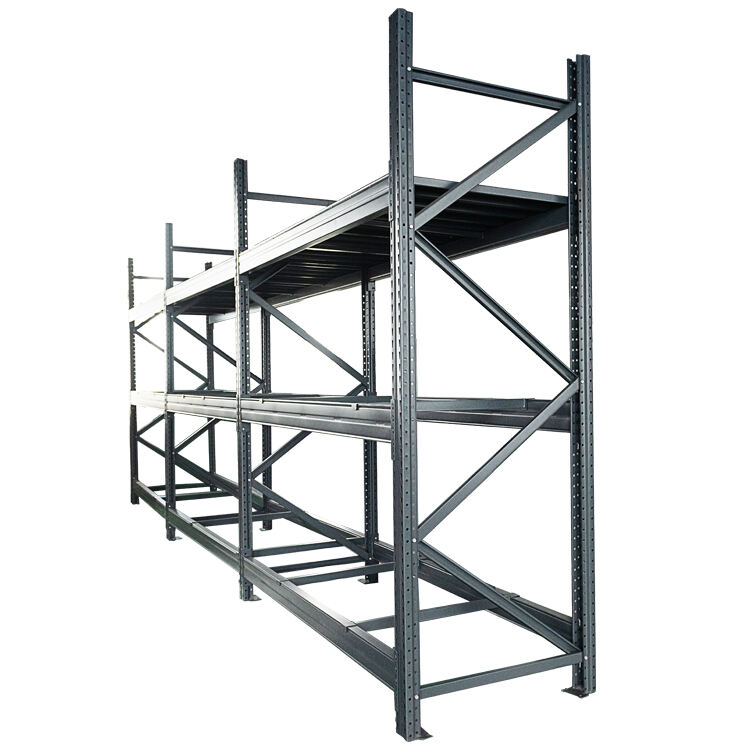
The strategic implementation of vertical storage solutions addresses the growing challenge of rising real estate costs and limited warehouse footprints. By utilizing the full height of your facility, businesses can increase storage density by up to 300% compared to traditional ground-level storage methods. This approach not only reduces operational costs but also enhances inventory management and order fulfillment capabilities.
Understanding Load Capacity Requirements
Weight Distribution Analysis
Proper load capacity assessment forms the foundation of selecting an appropriate heavy-duty warehouse rack system. Each storage position must accommodate specific weight requirements while maintaining structural stability throughout the entire racking framework. Understanding the distribution of loads across multiple levels prevents structural failure and ensures long-term operational safety.
Weight calculations should include both the static load of stored materials and dynamic forces generated during loading and unloading operations. The cumulative effect of multiple loaded positions creates stress points that require careful consideration during the selection process. Professional load analysis typically involves calculating point loads, distributed loads, and seismic forces that may affect the racking structure.
Safety Factor Considerations
Industrial storage systems incorporate safety factors that exceed the actual working loads to account for unexpected stress conditions and material variations. These safety margins typically range from 1.5 to 2.5 times the intended working load, depending on the application and local building codes. The heavy-duty warehouse rack selection process must incorporate these factors to ensure compliance with industry standards.
Dynamic loading conditions occur during forklift operations, seismic events, and thermal expansion cycles that can significantly impact structural performance. These variables require careful evaluation during the design phase to prevent overloading and potential catastrophic failure. Regular inspection and load monitoring ensure continued compliance with safety requirements throughout the operational lifecycle.
Material Construction and Durability
Steel Grade Selection
The choice of steel grade directly influences the load-bearing capacity and longevity of heavy-duty warehouse rack systems. High-tensile steel provides superior strength-to-weight ratios while maintaining cost-effectiveness for most industrial applications. Different steel grades offer varying levels of corrosion resistance, impact tolerance, and fatigue resistance under repeated loading cycles.
Cold-formed steel construction methods create consistent dimensional accuracy and superior surface finish compared to hot-rolled alternatives. The manufacturing process affects the steel's grain structure and mechanical properties, influencing the overall performance characteristics of the finished racking system. Quality steel selection ensures reliable performance under demanding warehouse conditions.
Surface Protection Systems
Protective coating systems extend the operational lifespan of heavy-duty warehouse rack installations while maintaining structural integrity in challenging environments. Powder coating applications provide superior durability and chemical resistance compared to traditional paint systems. The coating thickness and application method significantly impact the system's resistance to scratches, impacts, and environmental degradation.
Galvanization processes create a metallic barrier that prevents corrosion even when the surface coating becomes damaged during normal operations. This dual-layer protection system ensures long-term performance in humid or chemically aggressive environments. Regular maintenance and touch-up procedures help maintain the protective barrier and extend the system's operational lifespan.
Vertical Space Optimization Strategies
Ceiling Height Utilization
Maximizing vertical space requires careful analysis of available ceiling height while maintaining adequate clearance for material handling equipment and safety requirements. Modern heavy-duty warehouse rack systems can effectively utilize ceiling heights up to 40 feet or more with proper engineering and safety considerations. The vertical storage strategy must balance maximum height utilization with operational efficiency and accessibility.
Clear height calculations must account for sprinkler systems, lighting fixtures, HVAC equipment, and structural elements that may limit the effective storage height. Strategic planning during the design phase can often relocate or modify these systems to maximize available storage volume. Professional space planning ensures optimal utilization while maintaining compliance with building codes and safety regulations.
Multi-Level Configuration Options
Advanced racking configurations enable multiple storage levels within a single heavy-duty warehouse rack framework, effectively creating additional floor space within the existing footprint. These systems can incorporate elevated walkways, mezzanine platforms, and integrated conveyor systems to enhance operational efficiency. Multi-level designs require specialized engineering to ensure structural stability and worker safety at elevated heights.
The integration of automated storage and retrieval systems with vertical racking configurations creates highly efficient storage solutions for high-volume operations. These systems can operate continuously with minimal human intervention while maximizing storage density and retrieval speed. Advanced control systems coordinate material movement and inventory tracking throughout the vertical storage matrix.
Installation and Configuration Considerations
Foundation Requirements
Proper foundation design ensures the stability and safety of heavy-duty warehouse rack installations under maximum loading conditions. Concrete slab specifications must account for the concentrated loads transmitted through the base plates and anchor points. Adequate reinforcement and proper curing procedures create a stable platform capable of supporting the intended loads throughout the system's operational lifespan.
Floor flatness and levelness specifications directly impact the racking system's structural performance and safety characteristics. Deviations from specified tolerances can create stress concentrations and premature failure points within the framework. Professional surveying and floor preparation ensure optimal installation conditions and long-term structural integrity.
Seismic and Environmental Factors
Geographic location and local seismic activity levels significantly influence the design requirements for heavy-duty warehouse rack systems. Seismic design considerations include lateral bracing systems, base connections, and structural redundancy to maintain stability during ground motion events. Professional engineering analysis ensures compliance with local building codes and safety requirements.
Environmental factors such as temperature variations, humidity levels, and chemical exposure affect material selection and protective coating requirements. These conditions influence the expansion and contraction cycles that create stress within the racking framework. Proper material specification and installation techniques accommodate these environmental factors while maintaining structural performance.
Operational Efficiency and Accessibility
Material Handling Equipment Integration
The selection of heavy-duty warehouse rack systems must accommodate the specific requirements of material handling equipment used within the facility. Forklift specifications, including lift height, load capacity, and turning radius, directly influence aisle width requirements and rack configuration options. Proper integration ensures efficient material movement while maintaining operational safety standards.
Automated guided vehicles and robotic systems require precise positioning accuracy and consistent rack dimensions to operate effectively. These systems demand standardized pallet positions and reliable structural stability to maintain operational efficiency. The racking system design must accommodate the technical requirements of automated equipment while providing flexibility for future upgrades.
Inventory Management Integration
Modern heavy-duty warehouse rack systems can incorporate advanced tracking and identification technologies to enhance inventory management capabilities. RFID systems, barcode scanning equipment, and wireless sensors provide real-time inventory visibility throughout the vertical storage matrix. These technologies enable precise location tracking and automated inventory updates during storage and retrieval operations.
Warehouse management system integration allows for optimized storage location assignments based on product characteristics, turnover rates, and picking frequencies. Strategic placement algorithms can reduce travel time and improve order fulfillment efficiency by positioning high-velocity items in easily accessible locations. Data analytics capabilities provide insights for continuous optimization of storage strategies and operational procedures.
Cost Analysis and Return on Investment
Initial Investment Considerations
The total cost of implementing a heavy-duty warehouse rack system extends beyond the initial equipment purchase to include installation, engineering, permits, and facility modifications. Professional cost analysis should evaluate the complete project scope to establish accurate budget requirements and timeline expectations. Quality racking systems represent a significant capital investment that provides long-term operational benefits and increased storage capacity.
Financing options and leasing arrangements can help distribute the initial investment over extended periods while providing immediate operational benefits. The improved storage density and operational efficiency typically generate positive cash flow that supports the investment recovery timeline. Strategic implementation planning ensures maximum return on investment while minimizing operational disruption during installation.
Long-term Operational Benefits
Vertical storage solutions using heavy-duty warehouse rack systems provide substantial long-term cost savings through improved space utilization and operational efficiency. Reduced facility lease costs, lower labor requirements, and enhanced inventory turnover contribute to ongoing operational savings. These benefits typically result in investment recovery periods ranging from 18 to 36 months depending on the specific application and operational parameters.
The scalability of modular racking systems allows for future expansion and reconfiguration as business requirements evolve. This flexibility protects the initial investment while accommodating changing storage needs and operational strategies. Quality heavy-duty warehouse rack systems provide decades of reliable service with minimal maintenance requirements, ensuring continued return on investment throughout their operational lifespan.
FAQ
What is the maximum height recommended for heavy-duty warehouse rack installations
Heavy-duty warehouse rack systems can safely reach heights of 40 feet or more with proper engineering and safety considerations. The maximum height depends on factors including seismic requirements, building structure, material handling equipment capabilities, and local building codes. Professional engineering analysis determines the optimal height for each specific application while ensuring structural stability and operational safety.
How do I calculate the appropriate load capacity for my storage requirements
Load capacity calculations should consider the weight of stored materials, packaging, and pallets, plus safety factors ranging from 1.5 to 2.5 times the working load. Professional engineers evaluate point loads, distributed loads, and dynamic forces during material handling operations. The analysis must include cumulative effects across multiple storage levels and potential seismic forces based on geographic location and building codes.
What maintenance is required for heavy-duty warehouse rack systems
Regular inspection schedules should include visual checks for damage, proper loading practices, and structural integrity assessments. Annual professional inspections by qualified engineers ensure continued compliance with safety standards and identify potential issues before they become critical. Maintenance activities include cleaning, touch-up coating repairs, and replacement of damaged components to maintain structural performance and safety standards.
Can existing warehouse facilities accommodate heavy-duty rack installations
Most existing warehouse facilities can accommodate heavy-duty warehouse rack installations with proper evaluation of floor conditions, ceiling height, and structural capacity. Foundation analysis determines if additional reinforcement is required to support the concentrated loads. Professional assessment evaluates building clearances, fire protection systems, and accessibility requirements to ensure successful integration with existing facility infrastructure and operations.
Table of Contents
- Understanding Load Capacity Requirements
- Material Construction and Durability
- Vertical Space Optimization Strategies
- Installation and Configuration Considerations
- Operational Efficiency and Accessibility
- Cost Analysis and Return on Investment
-
FAQ
- What is the maximum height recommended for heavy-duty warehouse rack installations
- How do I calculate the appropriate load capacity for my storage requirements
- What maintenance is required for heavy-duty warehouse rack systems
- Can existing warehouse facilities accommodate heavy-duty rack installations