 EN
EN

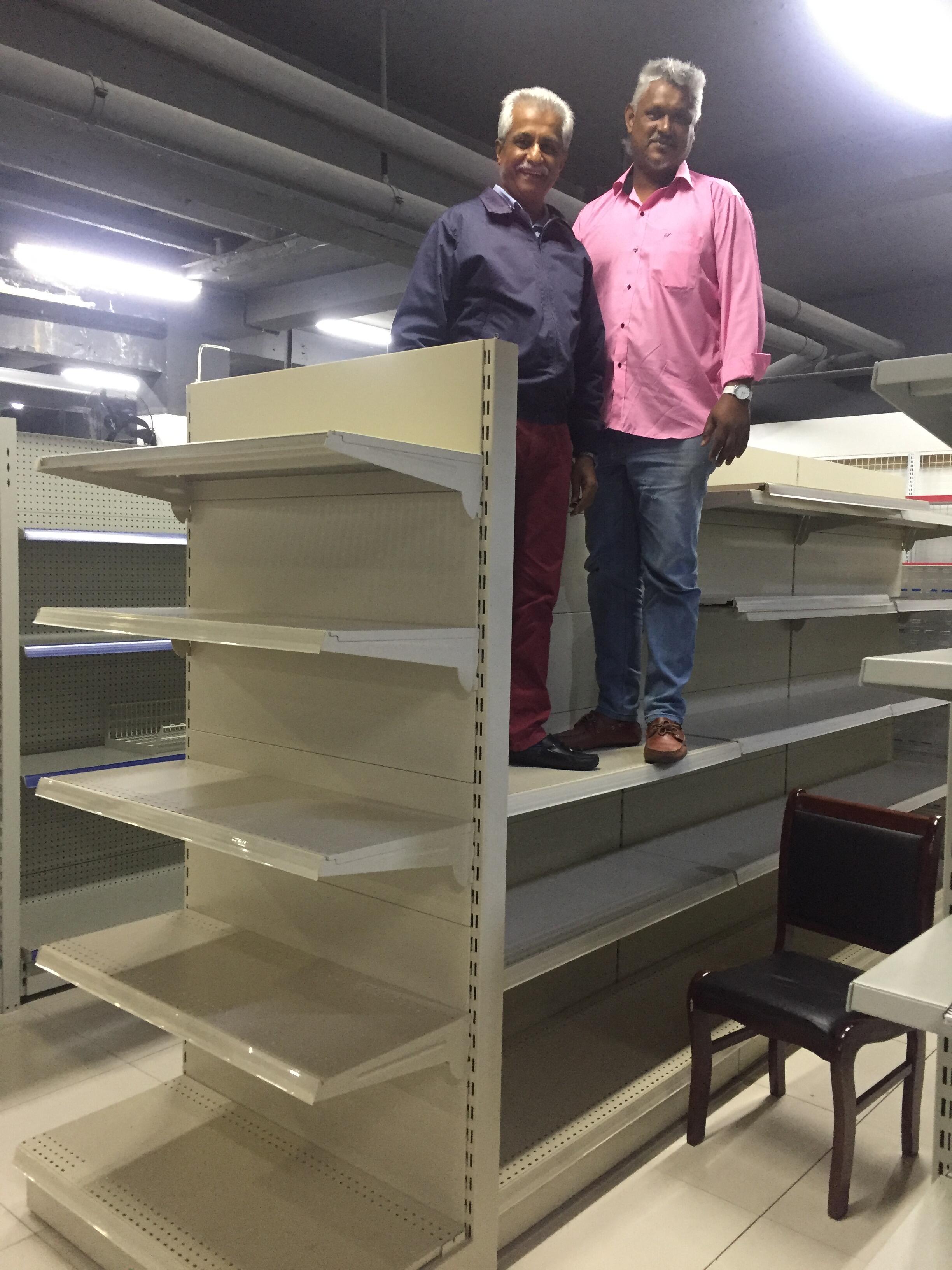
Small retail stores face unique challenges when it comes to maximizing space efficiency and creating an appealing shopping environment. The key to success lies in implementing smart organizational strategies that make the most of every square foot available. Modular supermarket shelf units have emerged as a game-changing solution for small retailers looking to optimize their store layout, improve customer experience, and boost sales potential through strategic merchandising approaches.
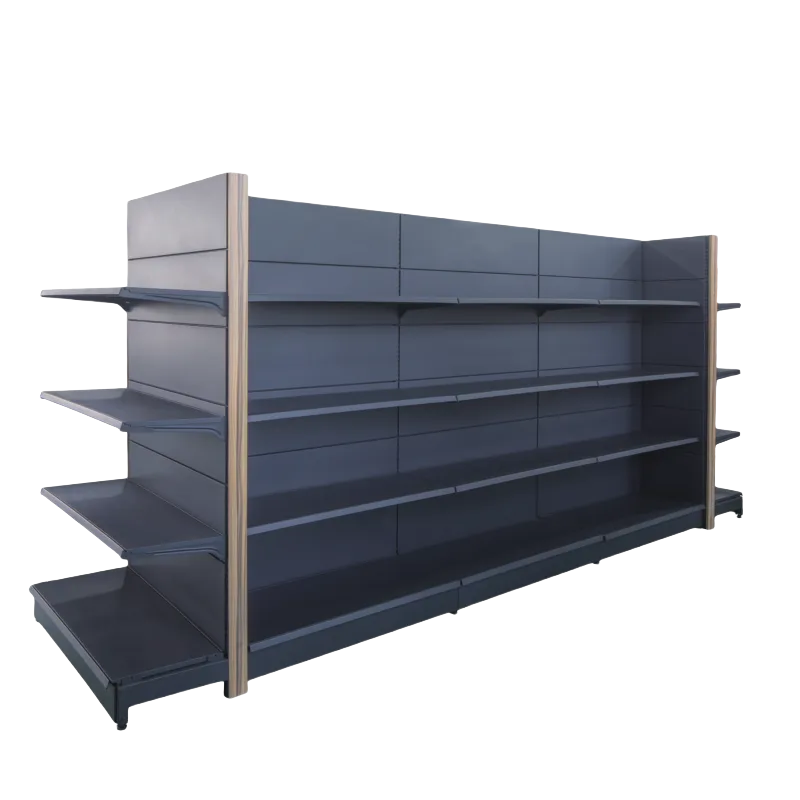
The modern retail landscape demands flexibility and adaptability, especially for small business owners who must compete with larger chains while working within limited spatial constraints. Traditional fixed shelving systems often create bottlenecks and inefficient use of valuable floor space. In contrast, modular supermarket shelf units provide the versatility needed to create dynamic store layouts that can evolve with changing inventory needs and seasonal demands.
Understanding the fundamentals of retail space organization begins with recognizing that every element within your store should serve multiple purposes. Effective organization goes beyond simply placing products on shelves; it involves creating a cohesive system that guides customers through their shopping journey while maximizing product visibility and accessibility. The strategic implementation of modular supermarket shelf units can transform even the most cramped retail space into an efficient, profitable operation.
Strategic Planning for Small Retail Spaces
Assessing Your Current Space Requirements
Before implementing any organizational system, conducting a thorough assessment of your retail space is essential for success. Start by measuring every dimension of your store, including ceiling height, doorway widths, and any structural obstacles that might impact shelf placement. Document high-traffic areas, natural lighting sources, and existing electrical outlets that could influence your layout decisions. This comprehensive evaluation provides the foundation for selecting appropriate modular supermarket shelf units that complement your space rather than overwhelming it.
Consider the flow patterns of your customers and identify areas where congestion typically occurs during peak shopping hours. Many small retailers overlook the importance of creating clear sight lines throughout their store, which can significantly impact both security and customer comfort. Modular supermarket shelf units offer the flexibility to create open pathways while maintaining maximum product display capacity, ensuring that customers can navigate your space effortlessly.
Evaluate your current inventory turnover rates and seasonal fluctuations to determine which areas of your store require the most adaptable shelving solutions. Products with high turnover rates should be positioned in easily accessible locations, while seasonal merchandise may benefit from modular systems that can be quickly reconfigured as needed. This analysis helps justify the investment in quality modular supermarket shelf units that can adapt to your business needs over time.
Creating Efficient Traffic Flow Patterns
Designing an effective traffic flow pattern requires understanding how customers naturally move through retail spaces and leveraging psychological principles that encourage exploration and purchases. The placement of modular supermarket shelf units should create a logical progression that guides shoppers from entrance to checkout while exposing them to maximum product variety. Consider implementing a counterclockwise flow pattern, which studies have shown increases dwell time and purchase likelihood in most retail environments.
Establish clear primary and secondary pathways throughout your store using modular shelving configurations that create natural boundaries without feeling restrictive. Primary aisles should accommodate two-way traffic comfortably, typically requiring a minimum width of four feet, while secondary paths can be narrower. The modularity of modern shelf systems allows you to adjust these pathways as you gather data about customer behavior patterns and identify optimization opportunities.
Position impulse purchase items and high-margin products along main traffic routes where they receive maximum exposure. Modular supermarket shelf units excel in this application because they can be easily repositioned to take advantage of changing traffic patterns or to test different merchandising strategies. This flexibility enables small retailers to experiment with layout modifications without significant investment in new fixtures.
Maximizing Vertical Space Utilization
Multi-Level Display Strategies
Vertical space represents one of the most underutilized assets in small retail environments, yet it offers tremendous potential for increasing product capacity without expanding your physical footprint. Effective utilization of vertical space requires strategic planning that balances accessibility with visual appeal. Modular supermarket shelf units designed with multiple tiers enable retailers to create eye-catching displays that draw attention upward while maintaining easy access to frequently purchased items.
Implement the golden zone principle by placing your most profitable and frequently purchased items at eye level, typically between 48 and 60 inches from the floor. Use higher shelves for backup inventory, seasonal items, or products with distinctive packaging that can serve as visual landmarks throughout your store. The adjustable nature of modular supermarket shelf units allows you to customize shelf heights based on specific product dimensions and customer demographics.
Consider installing ceiling-mounted signage or promotional materials above your modular shelving units to maximize the visual impact of your vertical space. This approach creates a more immersive shopping environment while providing additional opportunities for branding and product promotion. The structural integrity of quality modular systems can often support lightweight signage attachments without compromising stability or safety.
Height-Appropriate Product Placement
Understanding the relationship between product characteristics and optimal shelf placement is crucial for maximizing sales potential and customer satisfaction. Heavy or bulky items should always be positioned on lower shelves for safety reasons and ease of handling, while lightweight products can be effectively displayed at higher levels. Modular supermarket shelf units with adjustable configurations make it simple to accommodate products of varying sizes and weights within the same fixture.
Analyze your customer demographics to determine appropriate height ranges for different product categories. Stores serving primarily elderly customers may benefit from keeping more items within easy reach, while locations with younger demographics can effectively utilize higher shelving levels. The beauty of modular systems lies in their ability to be reconfigured as your customer base evolves or as you introduce new product lines.
Implement visual merchandising techniques that create natural sight lines between different shelf levels, encouraging customers to explore your entire vertical product range. Use complementary products or coordinated color schemes to create visual connections between items placed at different heights. This strategy maximizes the effectiveness of your modular supermarket shelf units while creating a more cohesive and professional appearance throughout your store.
Product Category Organization Systems
Logical Grouping Methodologies
Developing a logical product grouping system forms the backbone of effective retail organization and directly impacts customer satisfaction and sales performance. The most successful small retailers implement category management principles that group related items together while considering factors such as purchase frequency, complementary relationships, and seasonal variations. Modular supermarket shelf units provide the flexibility needed to create distinct zones for different product categories while maintaining the ability to adjust boundaries as inventory needs change.
Consider implementing destination category positioning, where essential items like milk, bread, or prescription medications are strategically placed to draw customers through your entire store. Use modular shelving configurations to create clear transitions between different product zones while ensuring that complementary items remain within easy reach of each other. This approach increases basket size and improves overall customer convenience.
Establish consistent organizational standards that customers can easily understand and navigate independently. Whether organizing by brand, price point, or product type, maintain these standards throughout your store to build customer confidence and reduce shopping frustration. The uniform appearance of modular supermarket shelf units helps reinforce these organizational systems while creating a professional, cohesive retail environment.
Cross-Merchandising Opportunities
Cross-merchandising represents one of the most powerful strategies for increasing average transaction values and improving customer satisfaction through convenient product combinations. The flexibility of modular shelf systems enables retailers to create strategic product pairings that encourage additional purchases while solving customer problems more comprehensively. Successful cross-merchandising requires understanding customer behavior patterns and identifying natural product relationships that add genuine value to the shopping experience.
Position complementary products within the same modular shelving unit or adjacent fixtures to create convenient one-stop shopping opportunities. For example, place phone accessories near mobile devices, or position cleaning supplies adjacent to household items that require regular maintenance. The modular design of modern shelf systems makes it easy to test different cross-merchandising combinations and measure their effectiveness over time.
Implement seasonal cross-merchandising strategies that capitalize on changing customer needs throughout the year. Modular supermarket shelf units can be quickly reconfigured to accommodate holiday-themed product combinations or weather-related merchandise groupings. This adaptability enables small retailers to compete more effectively with larger chains by responding rapidly to market opportunities and customer preferences.
Inventory Management Integration
Stock Rotation and Accessibility
Effective inventory management requires seamless integration between your organizational systems and daily operational procedures, ensuring that products remain fresh, accessible, and properly rotated according to expiration dates and seasonal demands. Modular supermarket shelf units designed with inventory management in mind feature configurations that facilitate first-in-first-out rotation while maintaining attractive product displays that encourage customer purchases.
Implement clear labeling systems that enable staff to quickly identify product rotation schedules and reorder points without disrupting customer shopping experiences. The standardized design of modular shelving systems allows for consistent labeling approaches that can be easily understood by all team members, reducing training time and improving operational efficiency. Consider using color-coded systems or shelf tags that integrate with your point-of-sale inventory tracking.
Design your modular shelf configurations to provide easy access for restocking activities during off-peak hours, minimizing disruption to customer traffic while ensuring that shelves remain fully stocked throughout business hours. The ability to adjust shelf depths and heights enables you to optimize storage capacity while maintaining adequate space for efficient restocking procedures.
Seasonal Flexibility Requirements
Seasonal merchandise fluctuations present unique challenges for small retailers who must maximize sales opportunities while managing limited storage space effectively. Modular supermarket shelf units excel in seasonal applications because they can be quickly reconfigured to accommodate changing product assortments, promotional displays, and special event merchandise without requiring significant time or financial investment in new fixtures.
Plan your seasonal transitions by identifying which product categories experience the most dramatic volume changes throughout the year and designing modular configurations that can expand or contract accordingly. Holiday merchandise, outdoor equipment, and weather-related products often require temporary increases in display space that can be accommodated through strategic reconfiguration of existing modular units.
Establish standard procedures for seasonal reconfigurations that minimize downtime and ensure consistent execution across multiple seasonal transitions. The uniform design and simple assembly procedures of quality modular supermarket shelf units enable small retail teams to implement significant layout changes efficiently, maintaining operational continuity while adapting to seasonal demands.
Customer Experience Enhancement
Visual Appeal and Accessibility
Creating an appealing visual environment that attracts customers and encourages extended browsing requires careful attention to both aesthetic principles and practical accessibility considerations. The clean, professional appearance of modular supermarket shelf units provides an excellent foundation for implementing visual merchandising strategies that enhance product presentation while maintaining the flexibility needed to adapt displays based on performance data and customer feedback.
Implement consistent height and spacing standards throughout your store to create visual harmony while ensuring that products remain accessible to customers of all physical abilities. The adjustable nature of modular systems enables you to accommodate Americans with Disabilities Act requirements while maintaining attractive displays that encourage purchases. Consider the sight lines created by your shelf configurations and ensure that customers can easily see across your store to locate desired products or identify new items of interest.
Use lighting strategies that complement your modular shelving layout to highlight key products and create an inviting atmosphere that encourages customers to spend more time exploring your merchandise selection. The open design of many modular supermarket shelf units allows for creative lighting solutions that can dramatically improve product visibility and overall store ambiance without requiring expensive electrical modifications.
Navigation and Wayfinding Solutions
Effective wayfinding systems reduce customer frustration while increasing the likelihood that shoppers will discover new products and make additional purchases during their visit. The uniform appearance and consistent spacing of modular shelf systems create natural opportunities for implementing clear signage and navigation aids that guide customers to their desired destinations efficiently while exposing them to complementary merchandise along the way.
Develop a comprehensive signage strategy that takes advantage of the structural features of your modular supermarket shelf units to provide clear category identification and directional guidance. Consider using overhead signs, shelf-mounted category markers, and floor graphics that work together to create an intuitive navigation system that customers can follow independently, reducing the burden on your staff while improving overall customer satisfaction.
Position information displays and promotional materials at strategic locations throughout your modular shelving layout to provide helpful product information and purchasing guidance. The flexibility of modular systems enables you to test different signage positions and formats to determine which approaches are most effective for your specific customer base and product mix.
FAQ
What are the main benefits of using modular supermarket shelf units in small retail stores
Modular supermarket shelf units offer exceptional flexibility for small retailers by allowing easy reconfiguration as inventory needs change throughout the year. These systems maximize space utilization through adjustable heights and depths while providing professional appearance that enhances customer perception of your store. The investment in quality modular shelving typically pays for itself through improved organization efficiency and increased sales opportunities created by better product visibility and accessibility.
How do I determine the right shelf configuration for my specific store layout
Start by creating detailed measurements of your retail space including ceiling height, doorway dimensions, and any structural obstacles that might affect shelf placement. Analyze your current traffic patterns and identify areas where customers tend to congregate or experience congestion. Consider your product mix and seasonal variations to determine which areas require the most flexible configurations. Most modular supermarket shelf units can be customized to fit specific spatial requirements while maintaining structural integrity and visual appeal.
Can modular shelving systems accommodate different types of retail products effectively
Modern modular supermarket shelf units are designed to accommodate diverse product types through adjustable shelf depths, heights, and specialized accessories such as hooks, bins, and dividers. These systems work effectively for everything from packaged goods and electronics to clothing and household items. The key is selecting appropriate shelf configurations and accessories that match your specific product characteristics while maintaining attractive displays that encourage customer purchases.
What maintenance requirements should I expect with modular shelving systems
Quality modular supermarket shelf units require minimal maintenance beyond regular cleaning and periodic inspection of connection points and hardware. Most systems are designed for easy disassembly and reconfiguration, making it simple to perform thorough cleaning or replace individual components if needed. Establish routine maintenance schedules that include checking shelf stability, cleaning all surfaces, and ensuring that adjustable components remain properly secured to maintain both safety and appearance standards throughout your store.
Table of Contents
- Strategic Planning for Small Retail Spaces
- Maximizing Vertical Space Utilization
- Product Category Organization Systems
- Inventory Management Integration
- Customer Experience Enhancement
-
FAQ
- What are the main benefits of using modular supermarket shelf units in small retail stores
- How do I determine the right shelf configuration for my specific store layout
- Can modular shelving systems accommodate different types of retail products effectively
- What maintenance requirements should I expect with modular shelving systems