 EN
EN

In today's fast-paced retail environment, the importance of ergonomic design in everyday shopping equipment cannot be overstated. Modern consumers spend considerable time navigating through stores, supermarkets, and retail spaces, making the choice of shopping equipment crucial for comfort and efficiency. A well-designed shopping trolley serves as more than just a convenient carrying solution; it becomes an essential tool that can significantly reduce physical strain and enhance the overall shopping experience. Understanding the ergonomic benefits of contemporary shopping trolley designs helps retailers and consumers make informed decisions that prioritize health, comfort, and functionality.
Understanding Ergonomic Design Principles in Shopping Equipment
The Science Behind Ergonomic Shopping Solutions
Ergonomic design principles focus on creating products that adapt to human capabilities and limitations rather than forcing users to adapt to poorly designed equipment. When applied to shopping trolley construction, these principles consider factors such as handle height, grip comfort, wheel functionality, and overall maneuverability. Research in biomechanics demonstrates that properly designed shopping equipment can reduce muscle tension, prevent repetitive strain injuries, and minimize fatigue during extended shopping sessions. The integration of ergonomic features in modern shopping trolley designs reflects a growing understanding of how physical design impacts user wellbeing and satisfaction.
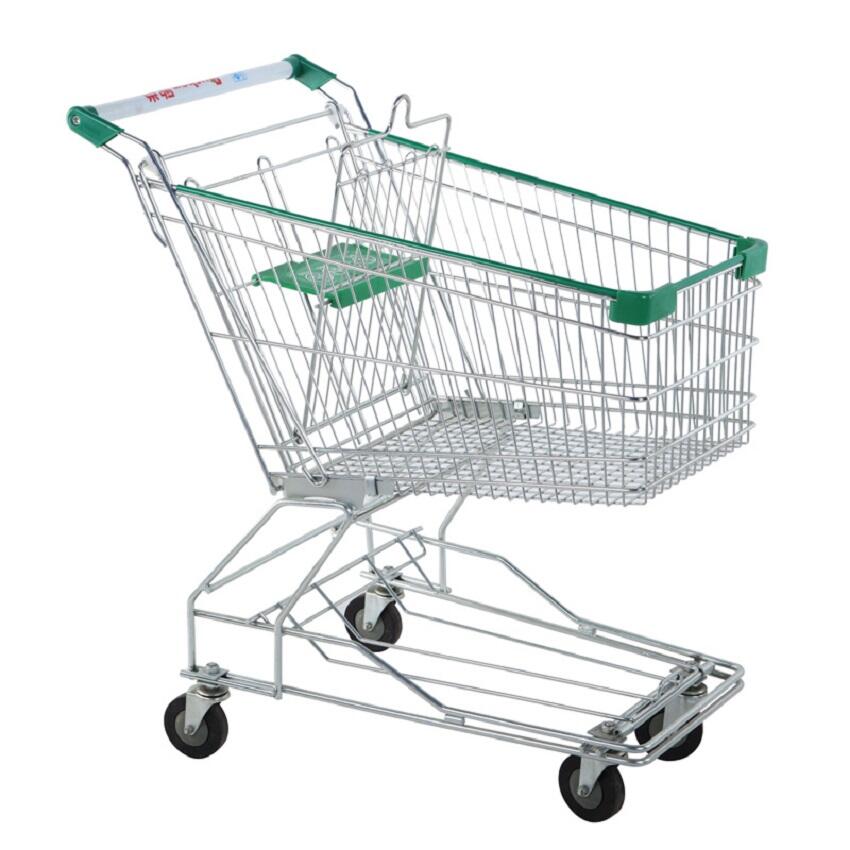
Modern ergonomic shopping trolley designs incorporate adjustable features that accommodate users of different heights and physical capabilities. Handle heights are optimized to maintain natural arm positioning, reducing shoulder and back strain that commonly occurs with improperly sized equipment. The grip diameter and surface texture are carefully engineered to provide secure handling without causing hand fatigue or discomfort. These design considerations extend beyond basic functionality to address the diverse needs of shoppers, including elderly customers, individuals with mobility challenges, and parents managing children while shopping.
Material Selection and Construction Quality
The choice of materials in shopping trolley construction plays a vital role in both durability and ergonomic performance. High-quality metals and advanced polymers are selected not only for their strength and longevity but also for their contribution to overall weight distribution and handling characteristics. Lightweight yet sturdy construction reduces the effort required to maneuver the shopping trolley, particularly when navigating tight spaces or uneven surfaces. Advanced manufacturing techniques allow for the creation of smooth, seamless joints that eliminate sharp edges and potential pressure points that could cause discomfort during use.
Contemporary shopping trolley designs utilize corrosion-resistant materials that maintain their ergonomic properties over extended periods of use. The surface treatments applied to handles and contact points are specifically chosen to provide optimal grip characteristics while remaining easy to clean and maintain. These material innovations ensure that the ergonomic benefits of the shopping trolley design are preserved throughout the product's lifespan, providing consistent user comfort and satisfaction.
Handle Design and Positioning Optimization
Anthropometric Considerations in Handle Engineering
The handle system of a modern shopping trolley represents one of the most critical ergonomic components, as it serves as the primary interface between user and equipment. Anthropometric data collected from diverse populations informs the optimal positioning and angle of handles to accommodate the widest range of users comfortably. The vertical positioning of handles is calculated to allow users to maintain a natural, upright posture while pushing or pulling the shopping trolley, reducing the risk of back strain and promoting proper spinal alignment throughout the shopping experience.
Handle diameter and cross-sectional shape are engineered based on grip strength research and hand anthropometry studies. The optimal diameter allows for comfortable gripping without excessive force while providing sufficient contact area to distribute pressure evenly across the palm and fingers. Ergonomic handle designs often incorporate subtle contouring that naturally guides hand placement and reduces the tendency for hands to slip during use. These refinements in handle engineering contribute significantly to user comfort and control, particularly during extended shopping sessions or when maneuvering heavy loads.
Multi-Position Handle Systems
Advanced shopping trolley designs feature multi-position handle systems that accommodate different user preferences and shopping scenarios. These systems allow users to adjust handle height and angle to match their individual anthropometric characteristics and mobility requirements. The ability to customize handle positioning ensures that users can maintain optimal biomechanical alignment regardless of their stature or physical capabilities, making the shopping trolley accessible to a broader range of customers.
The implementation of telescoping or adjustable handle mechanisms requires careful engineering to maintain structural integrity while providing smooth adjustment functionality. Quality mechanisms ensure that once adjusted, handles remain securely positioned throughout use, preventing unexpected movement that could compromise user safety or comfort. The adjustment process itself is designed to be intuitive and require minimal effort, allowing users to quickly customize their shopping trolley setup without assistance.
Wheel System Engineering for Enhanced Maneuverability
Swivel Wheel Technology and Performance
The wheel system of a modern shopping trolley significantly impacts both maneuverability and user comfort during navigation through retail environments. Advanced swivel wheel technology allows for smooth, effortless direction changes that reduce the physical effort required to guide the shopping trolley around obstacles and through narrow aisles. High-quality bearings and precision manufacturing ensure that wheels rotate freely while maintaining stable tracking, eliminating the jerky movements and resistance that can cause user fatigue and frustration.
Contemporary wheel designs incorporate shock-absorbing properties that minimize vibration transmission to the handle system. This feature is particularly beneficial when traversing uneven surfaces, expansion joints, or transitioning between different flooring materials commonly found in retail environments. The reduction in vibration and impact forces transmitted through the shopping trolley structure directly translates to improved user comfort and reduced hand and arm fatigue during extended shopping sessions.
Load Distribution and Stability Features
Proper wheel placement and load distribution are essential ergonomic considerations that affect both user effort and safety during shopping trolley operation. The spacing and positioning of wheels are calculated to provide optimal stability while minimizing the turning radius required for navigation in confined spaces. This balance ensures that users can maneuver the shopping trolley efficiently without having to apply excessive force or adopt awkward body positions that could lead to strain or injury.
Modern shopping trolley designs incorporate wide-track wheel configurations that enhance stability when loaded with merchandise. This stability reduces the tendency for the shopping trolley to tip or become difficult to control, allowing users to maintain a relaxed, natural posture while shopping. The improved stability also contributes to user confidence, particularly for elderly customers or those with mobility concerns who may be more susceptible to balance-related incidents.
Basket Design and Accessibility Features
Optimized Storage Configuration
The storage area of a modern shopping trolley is designed with ergonomic principles that prioritize user accessibility and comfort during loading and unloading operations. Basket height is carefully calculated to minimize bending and reaching motions that can cause back strain and discomfort. The rim height and internal dimensions are optimized to allow easy access to stored items while preventing excessive reaching that could compromise user posture or stability.
Contemporary basket designs feature smooth, rounded edges that eliminate sharp contact points that could cause injury or discomfort during use. The internal surface is engineered to prevent items from shifting or falling, reducing the need for users to constantly adjust merchandise during transport. These design elements work together to create a storage system that minimizes physical stress while maximizing functionality and user satisfaction.
Child Safety and Family-Friendly Features
Family-oriented shopping trolley designs incorporate specialized features that address the unique ergonomic challenges faced by parents and caregivers. Child seating areas are positioned and designed to maintain the shopping trolley's center of gravity while providing secure, comfortable accommodation for young passengers. The integration of safety features such as seat belts and protective barriers is accomplished without compromising the overall ergonomic performance of the shopping trolley system.
The addition of child-specific features requires careful consideration of how these elements affect the shopping trolley's handling characteristics and user interface. Handle positioning and basket accessibility are maintained despite the presence of child seating, ensuring that parents can operate the shopping trolley comfortably while supervising their children. These design considerations demonstrate the sophisticated engineering required to balance multiple functional requirements while preserving ergonomic integrity.
Durability and Long-Term Ergonomic Performance
Maintenance-Free Design Philosophy
The long-term ergonomic performance of a shopping trolley depends heavily on its ability to maintain design specifications throughout extended use in demanding retail environments. Maintenance-free design philosophy guides the selection of materials and construction methods that preserve ergonomic characteristics without requiring frequent adjustment or repair. Self-lubricating bearings, corrosion-resistant finishes, and wear-resistant contact surfaces ensure that the shopping trolley continues to provide optimal user comfort and functionality over its operational lifespan.
Quality construction methods eliminate common failure points that can compromise ergonomic performance over time. Welded joints and integrated components reduce the number of potential wear areas while maintaining structural integrity under repeated loading and stress cycles. This approach to durability ensures that users can rely on consistent ergonomic performance throughout the shopping trolley's service life, providing predictable comfort and functionality for both retail operators and customers.
Environmental Resistance and Performance Consistency
Modern shopping trolley designs must withstand a wide range of environmental conditions while maintaining their ergonomic properties. Temperature variations, humidity changes, and exposure to cleaning chemicals can all affect material properties and component performance over time. Advanced materials and protective treatments are selected to resist environmental degradation while preserving the tactile and functional characteristics that contribute to ergonomic performance.
Performance consistency across varying environmental conditions ensures that users experience the same level of comfort and functionality regardless of seasonal changes or facility maintenance practices. This reliability is particularly important for retail operations that depend on consistent customer satisfaction and operational efficiency. The investment in environmentally resistant materials and construction methods ultimately supports the long-term ergonomic benefits that modern shopping trolley designs are intended to provide.
Integration with Modern Retail Environments
Space Efficiency and Storage Solutions
Contemporary retail environments demand shopping trolley designs that maximize space efficiency while preserving ergonomic benefits. Nesting capabilities and compact storage configurations are engineered to reduce the footprint required for shopping trolley storage and retrieval areas. These space-saving features are implemented without compromising the structural integrity or ergonomic performance that users expect from quality shopping equipment.
The design of nesting mechanisms requires careful attention to user interaction points to ensure that shopping trolley separation and connection can be accomplished with minimal physical effort. Ergonomic considerations extend to the storage and retrieval process, with features that allow users to easily access individual units from nested configurations. This attention to the complete user experience demonstrates the comprehensive approach required for truly ergonomic shopping trolley design.
Technology Integration and Smart Features
The integration of technology features in modern shopping trolley designs must be accomplished without compromising ergonomic principles or adding complexity that could detract from user comfort. Smart features such as digital displays, navigation systems, or inventory tracking capabilities are incorporated in ways that enhance rather than hinder the natural user interface. The positioning of technological components is carefully planned to avoid interference with handle grip areas or sight lines that are essential for safe and comfortable operation.
Power management systems for technological features are designed to minimize weight addition and maintain the shopping trolley's center of gravity within optimal parameters. Battery placement and wiring routing are engineered to preserve the clean lines and smooth surfaces that contribute to ergonomic performance. This integration challenge requires sophisticated design coordination to achieve the benefits of technological enhancement while preserving the fundamental ergonomic advantages of well-designed shopping equipment.
FAQ
What makes a shopping trolley ergonomically superior to traditional designs
Ergonomically superior shopping trolley designs incorporate scientifically-based features such as optimized handle height and grip diameter, advanced wheel systems that reduce pushing effort, and basket configurations that minimize bending and reaching motions. These features work together to reduce physical strain, prevent fatigue, and accommodate users of different sizes and capabilities, making the shopping experience more comfortable and accessible for all customers.
How do modern wheel systems improve the ergonomic performance of shopping trolleys
Modern wheel systems enhance ergonomic performance through precision bearings that provide smooth rolling motion, shock-absorbing properties that reduce vibration transmission, and swivel technology that allows effortless direction changes. These improvements reduce the physical effort required to maneuver the shopping trolley while minimizing strain on the user's hands, arms, and back during navigation through retail environments.
What role does handle design play in shopping trolley ergonomics
Handle design is crucial for shopping trolley ergonomics because it represents the primary interface between user and equipment. Optimal handle diameter, positioning, and surface texture are engineered based on anthropometric data to provide comfortable gripping, natural arm positioning, and secure control. Advanced designs may include adjustable features that allow customization for different user heights and preferences, ensuring comfortable operation for a diverse range of customers.
How do ergonomic shopping trolleys benefit retail operations
Ergonomic shopping trolleys benefit retail operations by improving customer satisfaction, reducing the risk of customer injury claims, and enhancing the overall shopping experience. Comfortable, easy-to-use equipment encourages longer shopping sessions and can contribute to increased customer loyalty. Additionally, durable ergonomic designs require less maintenance and replacement, providing long-term cost benefits for retail operators while maintaining consistent performance standards.