 EN
EN

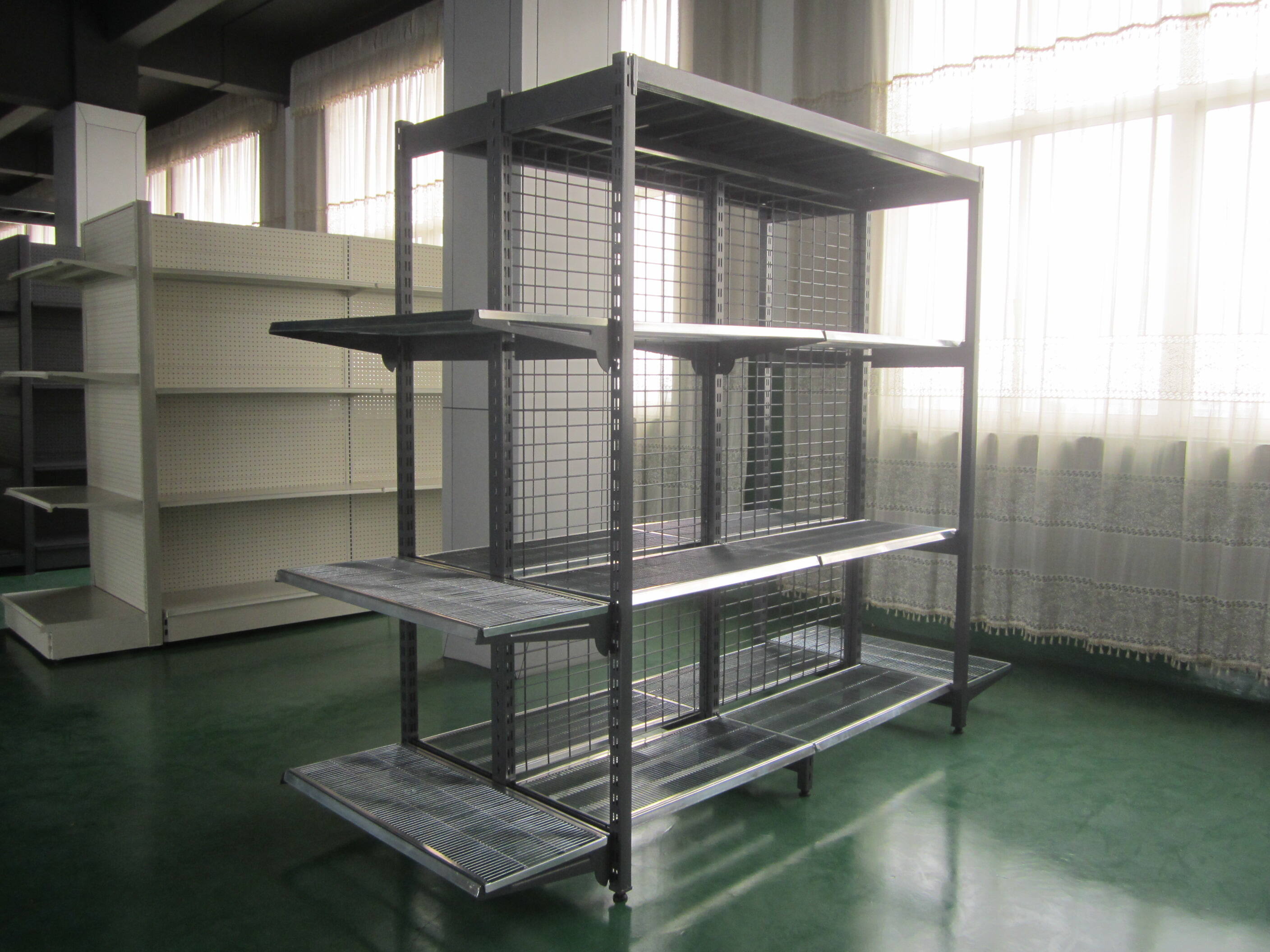
Logistics centers face mounting pressure to maximize storage density while maintaining operational efficiency and safety standards. The foundation of any successful warehouse operation lies in selecting the right storage infrastructure that can withstand heavy loads, facilitate rapid inventory movement, and adapt to changing business demands. Heavy duty warehouse rack systems represent the backbone of modern distribution facilities, offering the structural integrity and versatility needed to support high-volume operations.
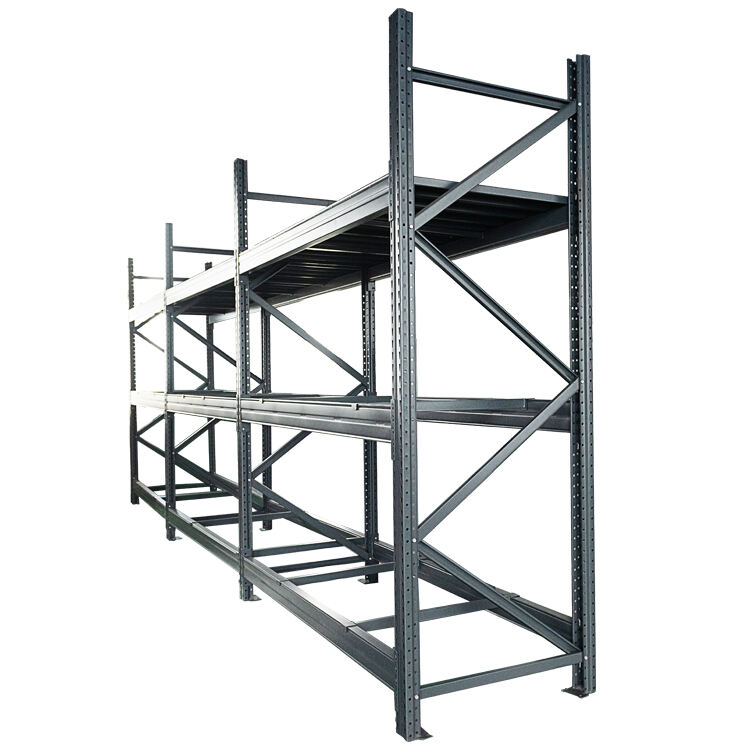
Factory-direct solutions for logistics centers deliver significant advantages in terms of customization capabilities, quality control, and cost optimization. When sourcing heavy duty warehouse rack systems directly from manufacturing facilities, distribution centers gain access to specialized engineering expertise and can implement storage solutions precisely tailored to their operational requirements. This direct relationship ensures consistent product quality, streamlined delivery schedules, and ongoing technical support throughout the installation and operation phases.
Engineering Specifications for High-Capacity Storage
Load-Bearing Requirements and Structural Design
Heavy duty warehouse rack systems must meet rigorous engineering standards to support the concentrated loads typical in modern logistics operations. Factory engineers design these structures with load capacities ranging from 3,000 to 8,000 pounds per beam level, with some specialized configurations capable of supporting even higher weights. The structural framework utilizes high-strength steel components with specific gauge requirements that ensure long-term stability under dynamic loading conditions.
The design process begins with comprehensive load analysis that considers not only the static weight of stored goods but also the dynamic forces generated during material handling operations. Heavy duty warehouse rack configurations incorporate safety factors that exceed industry standards, typically maintaining a 2:1 safety ratio between rated capacity and actual structural limits. This conservative approach ensures operational safety even when handling procedures deviate from optimal practices.
Factory engineering teams conduct finite element analysis to optimize beam profiles and upright configurations for maximum strength-to-weight ratios. The resulting designs minimize material usage while maintaining structural integrity, creating cost-effective solutions that meet demanding performance requirements. Advanced manufacturing techniques ensure consistent quality across all components, with precision tolerances that guarantee proper fit and alignment during installation.
Material Specifications and Quality Standards
Premium heavy duty warehouse rack systems utilize cold-rolled steel components manufactured to specific chemical and mechanical property standards. The steel selection process focuses on materials with yield strengths exceeding 50,000 PSI, ensuring adequate performance under maximum rated loads. Factory quality control procedures verify material composition through certified testing protocols that confirm compliance with applicable structural standards.
Surface treatment processes play a crucial role in long-term durability and maintenance requirements. Factory-applied powder coating systems provide superior corrosion resistance compared to painted finishes, with coating thickness specifications that ensure consistent coverage across all component surfaces. The electrostatic application process creates uniform finishes that withstand the abrasive conditions common in high-activity warehouse environments.
Component manufacturing utilizes precision forming equipment that maintains tight dimensional tolerances across all parts. This attention to detail ensures proper assembly alignment and reduces installation time while minimizing the potential for field modifications. Factory inspection procedures verify dimensional accuracy and surface quality before components leave the production facility, maintaining consistent standards across all delivered products.
Configuration Options for Logistics Applications
Selective Rack Systems for General Storage
Selective rack configurations represent the most versatile heavy duty warehouse rack solution for logistics centers handling diverse product mixes. These systems provide direct access to every storage position, enabling efficient picking operations and inventory rotation practices. Factory engineers optimize beam spacing and upright heights to accommodate standard pallet sizes while maximizing cubic space utilization within existing building constraints.
The modular design approach allows for easy reconfiguration as product mix and storage requirements evolve over time. Standard component interfaces ensure compatibility between different rack sections, facilitating future expansions or modifications without requiring complete system replacement. Heavy duty warehouse rack systems designed for selective storage typically incorporate adjustable beam levels that accommodate varying product heights and seasonal inventory fluctuations.
Load distribution considerations become critical in selective rack applications where concentrated loads may create uneven stress patterns. Factory engineers design upright frames with reinforcement details that distribute loads effectively across the entire structure. The resulting configurations maintain structural stability even when storage patterns create asymmetrical loading conditions common in dynamic logistics operations.
Drive-In and Push-Back Configurations
High-density storage applications benefit from drive-in and push-back heavy duty warehouse rack configurations that maximize space utilization for uniform product types. These systems reduce the number of access aisles required while increasing storage capacity per square foot of warehouse space. Factory design teams optimize rail spacing and support structures to accommodate specific forklift equipment and operational procedures.
Drive-in systems require careful attention to structural details that withstand repeated forklift contact and the lateral forces generated during loading operations. Heavy duty warehouse rack components incorporate impact-resistant features and reinforcement details at critical stress points. The rail system design ensures smooth pallet movement while providing adequate support for loaded pallets throughout the storage depth.
Push-back configurations offer improved inventory rotation compared to drive-in systems while maintaining high storage density. Factory engineers design these systems with precise rail angles and cart mechanisms that ensure reliable pallet advancement and retrieval. The structural framework accommodates the dynamic loads generated by moving pallets while maintaining alignment accuracy necessary for smooth operation.
Installation and Integration Processes
Site Preparation and Foundation Requirements
Proper installation of heavy duty warehouse rack systems begins with comprehensive site evaluation and foundation preparation. Factory installation teams conduct detailed surveys to verify floor flatness, load-bearing capacity, and anchor point suitability before beginning equipment placement. The assessment process identifies potential issues that could affect system performance or create safety concerns during operation.
Foundation requirements vary based on rack configuration and loading patterns, with most installations requiring concrete floors capable of supporting point loads exceeding 5,000 pounds per square inch. Heavy duty warehouse rack anchor systems transfer structural loads directly to the building foundation through high-strength mechanical fasteners or chemical anchors designed for specific substrate conditions. Factory specifications provide detailed anchor patterns and installation procedures that ensure proper load transfer and long-term stability.
Floor preparation may include surface grinding or leveling compound application to achieve the flatness tolerances required for proper rack alignment. Installation teams verify these conditions before beginning rack assembly, preventing alignment issues that could compromise structural performance or create operational difficulties. The preparation process also includes layout verification to confirm adequate clearances for material handling equipment and compliance with applicable building codes.
Assembly Procedures and Quality Control
Factory installation procedures follow detailed assembly sequences that ensure proper component alignment and connection integrity. Heavy duty warehouse rack systems require precise installation techniques that maintain structural geometry while achieving specified connection torque values. Installation teams utilize calibrated tools and follow documented procedures that verify proper assembly at each step of the process.
Quality control measures include intermediate inspections that verify plumb, level, and square conditions before proceeding to subsequent assembly phases. These checkpoints prevent cumulative errors that could affect overall system alignment or create stress concentrations at connection points. Factory supervisors conduct final inspections that confirm compliance with installation specifications and verify proper operation of all adjustable components.
The installation process includes load testing procedures that verify system performance under simulated operating conditions. These tests confirm that heavy duty warehouse rack installations meet design specifications and provide the safety margins required for demanding logistics applications. Documentation packages include detailed installation records and certification statements that verify compliance with applicable standards and specifications.
Operational Benefits and Performance Optimization
Efficiency Improvements in Logistics Operations
Heavy duty warehouse rack systems designed specifically for logistics applications deliver measurable improvements in operational efficiency through optimized storage layouts and improved material handling workflows. The systematic organization enabled by properly designed rack systems reduces travel time for picking operations while improving inventory accuracy through clearly defined storage locations. Factory-designed layouts consider traffic patterns and equipment requirements to minimize congestion and maximize throughput capacity.
Storage density improvements typically range from 40% to 60% compared to floor stacking methods, allowing logistics centers to handle increased inventory volumes without facility expansion. The vertical storage capability of heavy duty warehouse rack systems maximizes utilization of available cubic space while maintaining accessibility for material handling equipment. These space utilization gains translate directly into reduced facility costs per unit of stored inventory.
Inventory rotation practices benefit from the improved accessibility and organization provided by properly designed rack systems. First-in-first-out inventory management becomes more practical when storage positions provide clear visibility and direct access to all stored items. The systematic approach to inventory placement reduces product damage from handling and improves overall inventory quality throughout the storage period.
Safety Enhancements and Risk Mitigation
Factory-engineered heavy duty warehouse rack systems incorporate multiple safety features that reduce operational risks and protect both personnel and inventory. Structural design margins exceed minimum requirements to accommodate the inevitable variations in loading practices and equipment operation that occur in high-volume logistics environments. The resulting systems maintain structural integrity even when subjected to impact loads or uneven weight distribution patterns.
Safety features include column protectors, end-of-aisle guards, and load deflection limiters that prevent damage from material handling equipment contact. These protective elements absorb impact energy that would otherwise transfer to the main structural components, extending system life while reducing maintenance requirements. Factory installation teams position these safety devices based on traffic patterns and equipment specifications to maximize their effectiveness.
Regular inspection procedures recommended by factory engineers help identify potential issues before they develop into safety concerns. The systematic approach to preventive maintenance includes specific checkpoints that verify connection integrity, structural alignment, and component condition. These inspection protocols ensure that heavy duty warehouse rack systems continue to meet safety standards throughout their operational life while minimizing the risk of unexpected failures.
FAQ
What load capacity should I specify for heavy duty warehouse rack systems in a logistics center?
Load capacity specifications depend on your specific product types and storage patterns, but most logistics applications require beam capacities between 4,000 and 6,000 pounds per level. Consider the weight of your heaviest palletized loads plus any seasonal peaks in inventory density. Factory engineers can perform load analysis based on your product mix to determine optimal capacity ratings that provide adequate safety margins without over-engineering the system.
How long does factory installation typically take for a complete warehouse rack system?
Installation timelines vary based on system complexity and warehouse size, but most factory installation teams can complete 10,000 to 15,000 square feet of heavy duty warehouse rack installation per week. This includes site preparation, anchor installation, rack assembly, and final inspection procedures. Larger projects may have multiple installation crews working simultaneously to reduce overall project duration while maintaining quality standards.
What maintenance requirements apply to heavy duty warehouse rack systems after installation?
Regular maintenance includes monthly visual inspections of connections, structural components, and safety devices, with detailed annual inspections by qualified personnel. Factory recommendations include immediate repair of any damaged components and periodic re-torquing of anchor bolts in high-vibration environments. Proper maintenance procedures typically extend system life beyond 20 years while maintaining original performance specifications.
Can existing warehouse rack systems be modified or expanded using factory solutions?
Most factory-manufactured heavy duty warehouse rack systems can accommodate expansions or modifications using compatible components, provided the existing installation meets current structural standards. Factory engineers evaluate existing systems to determine compatibility and identify any reinforcement requirements for proposed modifications. This approach often provides cost-effective solutions for growing logistics operations without requiring complete system replacement.
Table of Contents
- Engineering Specifications for High-Capacity Storage
- Configuration Options for Logistics Applications
- Installation and Integration Processes
- Operational Benefits and Performance Optimization
-
FAQ
- What load capacity should I specify for heavy duty warehouse rack systems in a logistics center?
- How long does factory installation typically take for a complete warehouse rack system?
- What maintenance requirements apply to heavy duty warehouse rack systems after installation?
- Can existing warehouse rack systems be modified or expanded using factory solutions?