 EN
EN

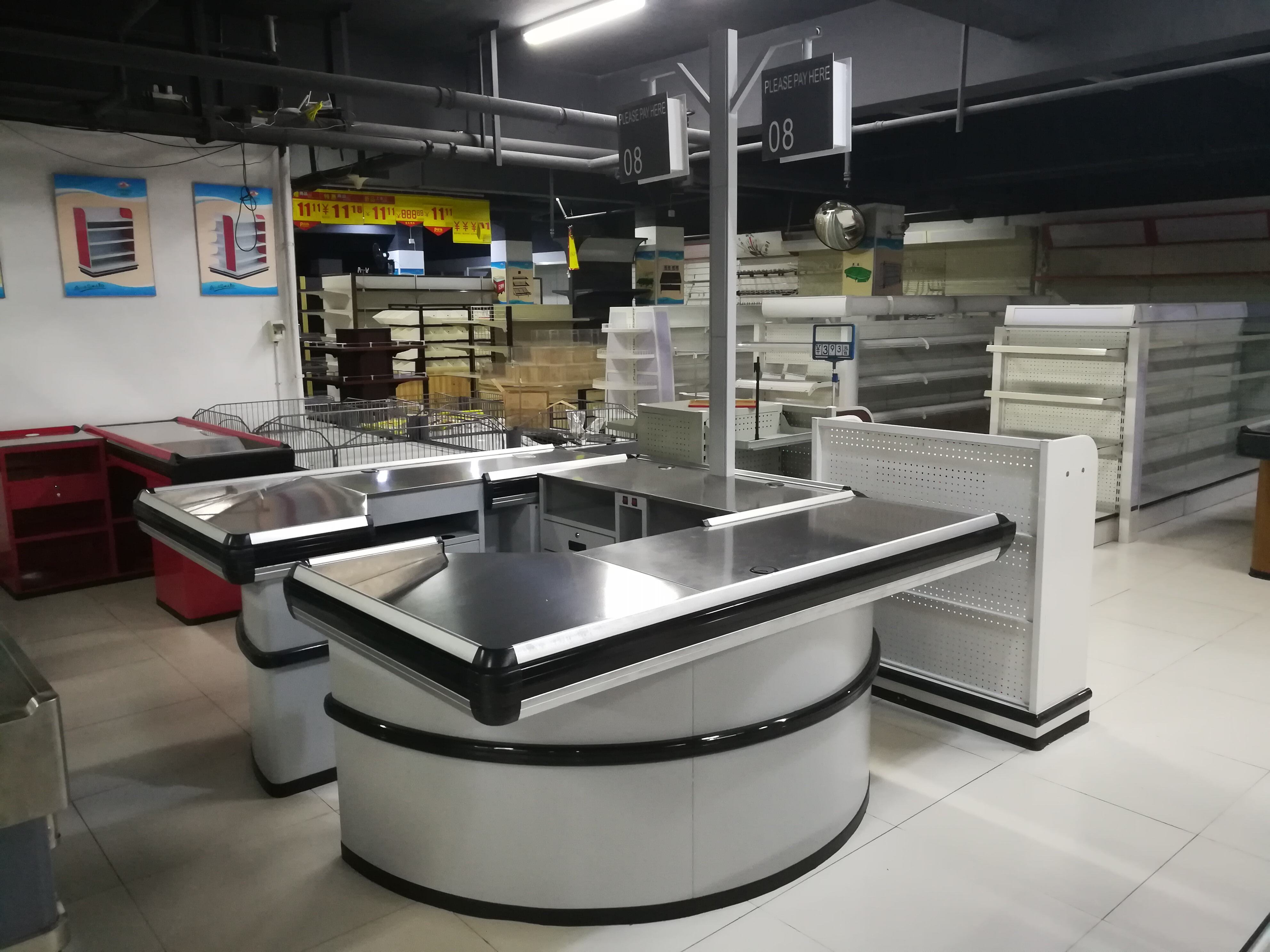
The strategic arrangement of products in retail environments has a profound impact on consumer behavior and purchasing decisions. Modern retailers understand that the placement and design of their supermarket shelf systems can dramatically influence customer spending patterns and encourage unplanned purchases. Research consistently demonstrates that thoughtful supermarket shelf layouts can increase impulse buying by up to 40%, making shelf configuration one of the most powerful tools in retail merchandising. Store managers and retail designers who master the psychology of supermarket shelf positioning often see significant increases in revenue without requiring additional marketing expenditure or promotional campaigns.
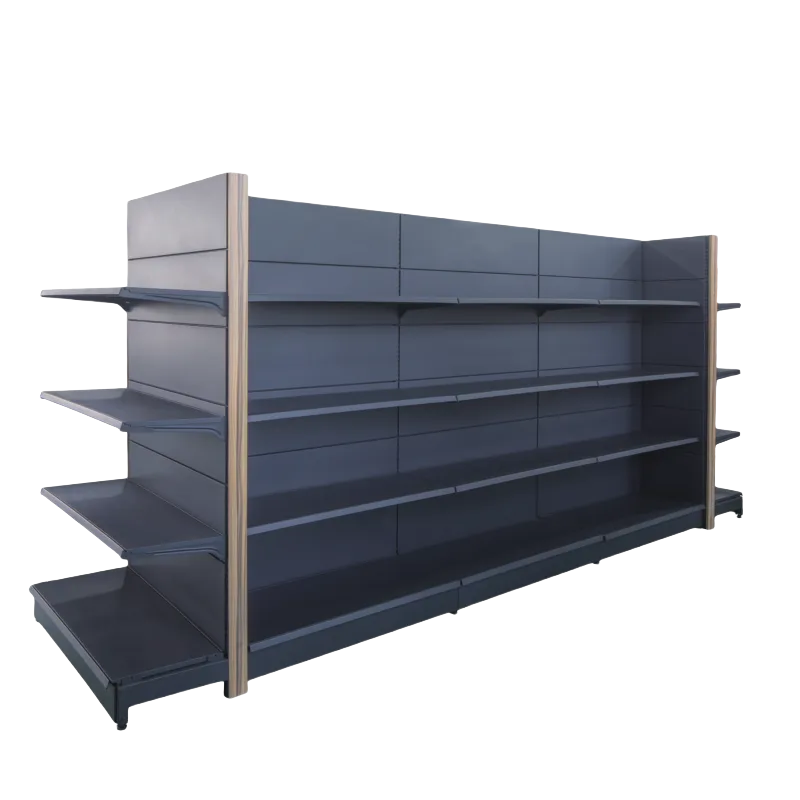
Understanding Consumer Psychology in Retail Environments
Eye-Level Product Positioning
The concept of eye-level positioning on a supermarket shelf represents one of the most fundamental principles in retail psychology. Products placed at adult eye level, typically between 4.5 and 5.5 feet from the floor, receive approximately 35% more attention than items positioned at other heights. This phenomenon occurs because shoppers naturally scan horizontally before looking up or down, making eye-level placement the prime real estate on any supermarket shelf system. Retailers capitalize on this behavior by positioning high-margin items and impulse products at optimal viewing heights.
The effectiveness of eye-level positioning extends beyond simple visibility to encompass psychological comfort and ease of decision-making. When products are positioned at natural viewing angles on a supermarket shelf, customers experience less physical strain and can more easily compare options. This comfort translates directly into increased dwell time and higher purchase probability. Strategic retailers often adjust their supermarket shelf heights based on their target demographic, with stores catering to elderly customers featuring slightly lower optimal positioning zones.
Color Psychology and Visual Flow
Color arrangement on supermarket shelf displays significantly influences shopping behavior and impulse purchasing decisions. Warm colors like red and orange create urgency and excitement, making them ideal for promotional items and limited-time offers. Cool colors such as blue and green convey trust and quality, perfect for premium products on a supermarket shelf system. The strategic use of contrasting colors can guide customer attention along specific paths, creating visual highways that lead shoppers toward high-profit items.
Visual flow design involves creating clear sight lines and logical product groupings across supermarket shelf arrangements. Effective visual flow reduces cognitive load on shoppers, making their shopping experience more pleasant while simultaneously increasing exposure to impulse items. Research shows that stores with well-designed visual flow patterns see 25% longer customer dwell times and correspondingly higher purchase volumes per visit.
Strategic Product Placement Techniques
Cross-Merchandising Opportunities
Cross-merchandising involves strategically placing complementary products near each other on a supermarket shelf to encourage additional purchases. Classic examples include positioning pasta sauce next to pasta, batteries near electronic toys, or chips alongside sandwich ingredients. This technique leverages the customer's existing purchase intent and extends it to related items they might not have initially considered. Successful cross-merchandising can increase basket size by 15-30% when implemented effectively across supermarket shelf systems.
Advanced cross-merchandising strategies consider seasonal patterns, cultural preferences, and demographic data to optimize product adjacencies. For instance, a supermarket shelf might feature grilling accessories near meat products during summer months, or cold remedies near tissues during flu season. Digital analytics and customer behavior tracking enable retailers to identify unexpected product relationships and create innovative cross-merchandising opportunities that surprise and delight customers while boosting sales.
Impulse Zone Creation
Impulse zones are strategically designed areas within supermarket shelf layouts that maximize spontaneous purchasing behavior. These zones typically feature small, affordable items with high profit margins positioned in high-traffic areas where customers naturally pause or queue. Effective impulse zones on a supermarket shelf system include checkout areas, aisle endcaps, and transition points between different product categories.
The psychology behind successful impulse zones involves creating a sense of discovery and limited availability. Items in these zones often feature bright packaging, promotional pricing, or limited-time offers that create urgency. The key to effective impulse zone design lies in regular rotation of products to maintain novelty and prevent customer habituation to specific arrangements.
Technology Integration in Modern Shelf Design
Digital Pricing and Information Systems
Modern supermarket shelf systems increasingly incorporate digital elements to enhance customer experience and influence purchasing decisions. Electronic shelf labels provide real-time pricing updates and can display additional product information, nutritional data, or promotional messages. These digital enhancements reduce operational costs while providing retailers with unprecedented flexibility in pricing strategies and promotional campaigns. Studies indicate that stores using digital shelf technology see 12% increases in promotional effectiveness and reduced pricing errors.
Interactive displays integrated into supermarket shelf designs can provide customers with detailed product comparisons, recipe suggestions, or personalized recommendations based on previous purchases. These technologies transform traditional supermarket shelf arrangements into dynamic, responsive retail environments that adapt to individual customer needs and preferences. The integration of QR codes and mobile app connectivity further extends the functionality of modern supermarket shelf systems.
Sensor Technology and Analytics
Advanced sensor technology embedded in supermarket shelf systems provides retailers with detailed analytics about customer behavior patterns and product performance. Heat mapping technology tracks customer movement patterns and dwell times in different areas, enabling data-driven optimization of shelf layouts. Weight sensors can monitor inventory levels in real-time, ensuring optimal stock levels and reducing out-of-stock situations that negatively impact impulse purchasing opportunities.
Facial recognition and demographic analysis systems can provide insights into which customer segments respond most positively to specific supermarket shelf arrangements. This data enables retailers to customize their layouts for different times of day, seasons, or promotional periods. The combination of multiple sensor types creates comprehensive customer behavior profiles that inform strategic decisions about product placement and supermarket shelf configuration.
Maximizing Revenue Through Optimized Layouts
Seasonal Adaptation Strategies
Successful supermarket shelf management requires dynamic adaptation to seasonal shopping patterns and changing consumer preferences. Holiday seasons, weather changes, and cultural events all influence which products customers seek and their likelihood of making impulse purchases. Retailers who proactively adjust their supermarket shelf layouts to accommodate these patterns often see significant increases in revenue during peak shopping periods.
Effective seasonal adaptation involves more than simply changing product selection; it requires complete reconfiguration of supermarket shelf systems to optimize traffic flow and product visibility. Summer layouts might emphasize outdoor dining and entertainment products, while winter configurations focus on comfort foods and indoor activities. The key lies in anticipating customer needs and positioning relevant products prominently on supermarket shelf displays before demand peaks.
Data-Driven Layout Optimization
Modern retailers leverage sophisticated analytics to optimize their supermarket shelf arrangements based on actual customer behavior rather than intuition or industry assumptions. Point-of-sale data, customer loyalty program information, and mobile app usage patterns provide insights into which products customers frequently purchase together and which supermarket shelf positions generate the highest sales volumes.
Predictive analytics can forecast the impact of potential layout changes before implementation, reducing the risk of costly mistakes and enabling continuous optimization of supermarket shelf performance. Machine learning algorithms can identify subtle patterns in customer behavior that human analysts might miss, leading to innovative supermarket shelf arrangements that maximize both customer satisfaction and profitability. Regular A/B testing of different configurations ensures that supermarket shelf layouts remain optimized as customer preferences evolve.
Implementation Best Practices
Staff Training and Execution
Successful supermarket shelf optimization requires comprehensive staff training to ensure consistent implementation and maintenance of strategic layouts. Employees must understand the reasoning behind specific product placements and the importance of maintaining proper supermarket shelf organization throughout the day. Regular training sessions should cover principles of visual merchandising, customer psychology, and the specific goals of different supermarket shelf zones within the store.
Effective training programs include hands-on practice with supermarket shelf arrangement techniques and regular assessment of implementation quality. Staff members should be empowered to identify and report opportunities for improvement in supermarket shelf layouts based on their daily observations of customer behavior. Creating a culture of continuous improvement ensures that theoretical knowledge translates into practical results on the sales floor.
Continuous Monitoring and Adjustment
Optimal supermarket shelf performance requires ongoing monitoring and regular adjustment based on performance metrics and changing market conditions. Weekly reviews of sales data, inventory turnover rates, and customer feedback provide insights into which aspects of the supermarket shelf layout are working effectively and which areas need improvement. Regular planogram updates ensure that product arrangements remain aligned with current promotional strategies and inventory availability.
Successful monitoring systems track both quantitative metrics like sales per linear foot of supermarket shelf space and qualitative factors such as customer satisfaction and shopping experience quality. This comprehensive approach ensures that optimization efforts focus on long-term customer relationship building rather than short-term sales maximization. Regular customer surveys and mystery shopping programs provide additional insights into the effectiveness of supermarket shelf arrangements from the customer perspective.
FAQ
What is the optimal height for product placement on a supermarket shelf
The optimal height for product placement on a supermarket shelf is typically between 4.5 and 5.5 feet from the floor, which corresponds to adult eye level. This positioning ensures maximum visibility and accessibility for the majority of shoppers. However, the specific optimal height may vary depending on the target demographic of the store, with some retailers adjusting their supermarket shelf heights to accommodate their primary customer base, such as positioning products slightly lower in stores that serve many elderly customers.
How often should supermarket shelf layouts be changed
Supermarket shelf layouts should be reviewed and potentially adjusted on a quarterly basis, with minor modifications made monthly based on seasonal trends and promotional cycles. Major layout changes typically occur 2-4 times per year to prevent customer habituation while allowing sufficient time to measure the effectiveness of each configuration. However, specific sections like impulse zones and promotional areas on a supermarket shelf may require more frequent updates to maintain novelty and customer interest.
What role does lighting play in supermarket shelf effectiveness
Lighting plays a crucial role in supermarket shelf effectiveness by drawing attention to specific products and creating an appealing shopping environment. Proper illumination can increase product visibility by up to 30% and significantly impact customer perception of product quality and freshness. Strategic use of accent lighting, LED strips, and directional spotlights on supermarket shelf displays can guide customer attention toward high-margin items and create visual hierarchy within product categories.
How can small retailers compete with large chains in shelf optimization
Small retailers can compete effectively by leveraging their flexibility and customer knowledge to create highly personalized supermarket shelf experiences. Unlike large chains, small retailers can quickly adapt their supermarket shelf layouts based on local preferences and seasonal patterns. They can also invest in relationship-building with customers to understand specific needs and preferences, allowing for more targeted product placement and cross-merchandising opportunities that larger stores cannot easily replicate due to their standardized approaches.