 EN
EN
Selecting the right warehouse rack supplier is a critical decision that directly impacts your facility's operational efficiency and future growth capacity. The choice you make today will determine whether your storage infrastructure can adapt to increasing inventory demands, seasonal fluctuations, and business expansion over the coming years. A scalable warehouse rack supplier partnership goes beyond initial procurement, encompassing long-term support, system flexibility, and the ability to evolve with your changing requirements.
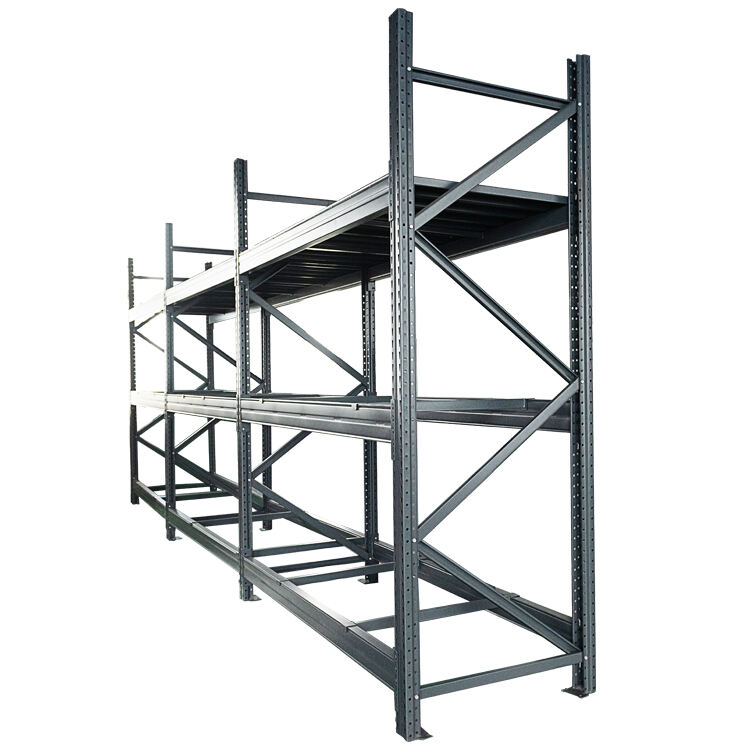
The complexity of modern warehouse operations demands a strategic approach to supplier selection that balances immediate needs with future scalability requirements. A competent warehouse rack supplier should demonstrate proven experience in designing modular systems, maintaining consistent product availability, and providing technical expertise that supports your operational goals. This comprehensive evaluation process ensures that your investment in storage infrastructure delivers sustained value while accommodating the dynamic nature of modern supply chain operations.
Evaluating Supplier Manufacturing Capabilities and Quality Standards
Production Capacity and Manufacturing Infrastructure
A reliable warehouse rack supplier must demonstrate substantial manufacturing capacity to support both your initial requirements and future expansion needs. Evaluate the supplier's production facilities, equipment capabilities, and monthly output capacity to ensure they can handle large-scale orders without compromising delivery timelines. Manufacturing infrastructure should include modern fabrication equipment, quality control systems, and sufficient floor space to accommodate various rack configurations simultaneously.
Assess the supplier's ability to scale production during peak demand periods and their contingency plans for maintaining consistent output. A warehouse rack supplier with multiple manufacturing locations or strategic partnerships can provide better supply chain resilience and reduced lead times. Consider their investment in automation and technology upgrades, as these factors directly influence product consistency and manufacturing efficiency over time.
Quality Certification and Compliance Standards
Quality certifications provide essential assurance that your chosen warehouse rack supplier adheres to industry standards and regulatory requirements. Look for certifications such as ISO 9001 for quality management systems, which demonstrate systematic approaches to quality control and continuous improvement. Additionally, verify compliance with relevant safety standards such as ANSI MH16.1 for industrial steel storage racks and local building codes that apply to your operational jurisdiction.
Examine the supplier's quality testing procedures, including load testing protocols, material certifications, and inspection processes throughout the manufacturing cycle. A comprehensive quality management system should include documentation of testing results, material traceability, and corrective action procedures for addressing quality issues. Request examples of quality documentation and third-party audit reports to verify the supplier's commitment to maintaining consistent quality standards.
Material Sourcing and Supply Chain Reliability
The stability of your warehouse rack supplier's material supply chain directly affects their ability to maintain consistent product availability and pricing. Evaluate their relationships with steel suppliers, coating providers, and other key material sources to understand potential vulnerabilities in their supply chain. A diversified supplier base reduces risks associated with single-source dependencies and provides better protection against market disruptions.
Investigate the supplier's inventory management practices for raw materials and finished goods, as adequate inventory levels indicate their commitment to meeting delivery commitments. Consider their geographical proximity to material sources and transportation infrastructure, which influence both cost efficiency and delivery reliability. A warehouse rack supplier with strategic material partnerships and robust inventory management can better navigate market fluctuations and maintain stable pricing structures.
Assessing Scalability Features and System Flexibility
Modular Design and Expandability Options
Scalable warehouse rack systems require modular design principles that allow for easy expansion, reconfiguration, and adaptation to changing storage requirements. Evaluate the supplier's rack system architecture to ensure components can be easily added, removed, or repositioned without requiring complete system redesigns. Modular systems should offer standardized connections, adjustable beam heights, and compatibility with various load requirements to accommodate diverse inventory profiles.
Consider the availability of different rack configurations, including selective pallet racks, drive-in systems, push-back racks, and specialized solutions for unique storage challenges. A comprehensive warehouse rack supplier should offer multiple system types that can be integrated within the same facility, providing flexibility to optimize storage density and accessibility based on specific operational needs. Examine the compatibility between different rack types and their ability to share common components for cost-effective expansion strategies.
Customization Capabilities and Engineering Support
Effective scalability requires customization capabilities that address unique facility constraints and operational requirements. Assess the supplier's engineering team expertise and their ability to develop custom solutions for non-standard applications, unusual load requirements, or specific facility limitations. Engineering support should include structural analysis, load calculations, and design optimization services that ensure safe and efficient system performance.
Evaluate the supplier's track record in handling complex projects and their ability to integrate warehouse rack systems with existing infrastructure, automation equipment, and material handling systems. A qualified warehouse rack supplier should provide detailed engineering drawings, installation specifications, and ongoing technical support throughout the system lifecycle. Consider their responsiveness to design modifications and their ability to accommodate changes during project implementation phases.
Integration with Automation and Technology Systems
Modern warehouse operations increasingly rely on automation and technology integration, making compatibility with automated systems a crucial scalability factor. Evaluate the supplier's experience with automated storage and retrieval systems, conveyor integration, and warehouse management system compatibility. Rack systems should accommodate various automation technologies without requiring extensive modifications or compromising structural integrity.
Consider the supplier's ability to provide rack systems that support future automation implementation, even if immediate automation plans are not in place. This includes adequate clearances for automated equipment, standardized dimensions for robotic access, and structural provisions for conveyor attachment points. A forward-thinking warehouse rack supplier should understand automation trends and design systems that facilitate future technology upgrades without requiring complete infrastructure replacement.
Financial Considerations and Long-Term Partnership Value
Total Cost of Ownership Analysis
Beyond initial purchase price, evaluating total cost of ownership provides a comprehensive view of the financial impact of your warehouse rack supplier selection. Consider factors such as installation costs, ongoing maintenance requirements, replacement part availability, and system modification expenses over the expected system lifecycle. A higher initial investment in quality systems often results in lower total costs through reduced maintenance needs and extended operational life.
Assess the supplier's pricing structure for expansion components and modification services, as these costs significantly impact scalability economics. Transparent pricing for future additions and consistent component availability prevent unexpected cost escalations during expansion phases. Evaluate warranty terms, maintenance support options, and the supplier's track record for honoring long-term commitments to understand potential future expenses and support availability.
Financing Options and Payment Flexibility
Scalable growth often requires flexible financing arrangements that align with business cash flow patterns and expansion timelines. Evaluate the supplier's financing options, including equipment leasing programs, staged payment schedules, and volume discount structures that support gradual system expansion. Flexible payment terms can significantly impact project feasibility and allow for better alignment with business growth patterns.
Consider the supplier's willingness to structure contracts that accommodate phased implementations and future expansion commitments. A warehouse rack supplier that offers favorable terms for future purchases demonstrates confidence in their product quality and commitment to long-term partnerships. Examine their credit requirements, down payment expectations, and available financing partnerships that might provide additional funding options for large-scale projects.
Long-Term Support and Service Capabilities
Ongoing support capabilities determine whether your warehouse rack supplier can maintain system performance and facilitate future modifications throughout the operational lifecycle. Evaluate their service organization structure, including field service capabilities, technical support availability, and response times for emergency repairs. Comprehensive support should include installation supervision, system inspections, damage repair services, and consultation for system optimization.
Assess the supplier's commitment to maintaining spare parts inventory and their ability to provide replacement components for systems installed years earlier. Long-term parts availability prevents obsolescence issues and ensures continued system functionality even as product lines evolve. Consider their training programs for your maintenance staff and their willingness to provide ongoing technical consultation as your operational requirements change over time.
Supplier Performance Evaluation and Due Diligence
Reference Verification and Case Study Analysis
Thorough reference verification provides valuable insights into a warehouse rack supplier's actual performance and their ability to deliver on scalability promises. Request references from clients with similar facility sizes, operational requirements, and expansion patterns to understand how the supplier has supported comparable growth scenarios. Focus on long-term clients who have worked with the supplier through multiple expansion phases and system modifications.
Examine detailed case studies that demonstrate the supplier's problem-solving capabilities and their approach to handling complex installations or unique challenges. Look for examples of successful system expansions, integration projects, and their ability to meet aggressive timelines while maintaining quality standards. Reference discussions should cover project management effectiveness, communication quality, post-installation support, and overall satisfaction with the partnership relationship.
Financial Stability and Business Continuity
The financial stability of your warehouse rack supplier affects their ability to honor warranties, provide ongoing support, and maintain consistent operations throughout your business relationship. Evaluate their financial statements, credit ratings, and business history to assess their long-term viability and stability. A financially stable supplier reduces risks associated with warranty claims, parts availability, and service continuity over extended periods.
Consider the supplier's business diversification, market position, and growth trajectory to understand their strategic direction and commitment to the warehouse rack market. Suppliers with diverse revenue streams and strong market positions typically provide better long-term stability and continued investment in product development. Assess their management team experience and succession planning to ensure continuity of relationships and institutional knowledge preservation.
Geographic Coverage and Local Support Presence
Geographic coverage capabilities determine a warehouse rack supplier's ability to provide consistent support across multiple facility locations and facilitate expansion into new markets. Evaluate their service territory, local office locations, and field service capabilities in regions where you operate or plan to expand. Local presence provides faster response times, reduced travel costs, and better understanding of regional building codes and installation practices.
Consider their network of certified installers, authorized distributors, and service partners that extend their effective coverage area. A comprehensive service network ensures consistent quality standards and reliable support regardless of project location. Assess their ability to coordinate multi-site projects and maintain consistent communication and project management across geographic boundaries, which becomes crucial for companies with distributed operations or aggressive expansion plans.
FAQ
What are the most important qualifications to look for in a warehouse rack supplier for long-term scalability?
The most critical qualifications include demonstrated manufacturing capacity to handle large-scale orders, modular system design that supports easy expansion, comprehensive engineering support for custom solutions, and strong financial stability for long-term partnership viability. Additionally, look for suppliers with extensive reference portfolios, quality certifications such as ISO 9001, and geographic coverage that matches your operational footprint. A qualified warehouse rack supplier should also offer flexible financing options and maintain robust spare parts inventory for ongoing system support.
How can I evaluate whether a warehouse rack supplier can truly support future expansion needs?
Evaluate expansion support capabilities by reviewing the supplier's modular system architecture, examining case studies of successful expansion projects, and verifying their ability to maintain consistent component availability over time. Request detailed information about their engineering capabilities for system modifications and their track record for supporting clients through multiple growth phases. Additionally, assess their production capacity, lead time consistency, and willingness to provide expansion pricing commitments that protect against future cost escalations.
What financial factors should I consider when selecting a warehouse rack supplier for scalability?
Consider total cost of ownership including initial purchase price, installation costs, ongoing maintenance expenses, and future expansion component pricing. Evaluate the supplier's financing options, payment flexibility, and volume discount structures that support gradual system growth. Additionally, assess their financial stability, warranty terms, and long-term service capabilities to understand the complete financial commitment. Factor in potential costs for system modifications, automation integration, and the supplier's track record for maintaining stable pricing on expansion components.
How important is local support presence when choosing a warehouse rack supplier?
Local support presence is crucial for ensuring responsive service, reduced emergency repair costs, and better understanding of regional installation requirements and building codes. A warehouse rack supplier with local presence can provide faster response times for urgent issues, more cost-effective routine maintenance, and easier coordination for expansion projects. Local support also facilitates better communication, on-site training for your staff, and more effective project management for complex installations or modifications. Consider suppliers with established local offices or certified partner networks in your operational regions.
Table of Contents
- Evaluating Supplier Manufacturing Capabilities and Quality Standards
- Assessing Scalability Features and System Flexibility
- Financial Considerations and Long-Term Partnership Value
- Supplier Performance Evaluation and Due Diligence
-
FAQ
- What are the most important qualifications to look for in a warehouse rack supplier for long-term scalability?
- How can I evaluate whether a warehouse rack supplier can truly support future expansion needs?
- What financial factors should I consider when selecting a warehouse rack supplier for scalability?
- How important is local support presence when choosing a warehouse rack supplier?